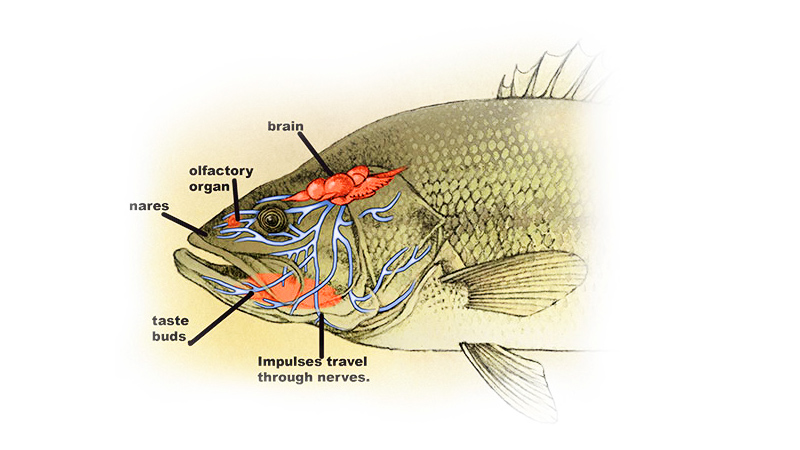
Although taste and smell are often lumped together, these senses perform distinctly different roles – especially in fish. Fish nostrils (called nares) bring water into contact with olfactory organs. Trout and catfish have highly developed olfactory organs with many folds, while largemouth bass have less developed organs.
Bass use smell as a social sense, giving and receiving cues to and from other bass.
For example, spawning cues seem to be perceived through the sense of smell. Bass also seem to react to the smells given off by wounded or distressed bass. They may also smell wounded baitfish.
If this seems incredible to you… it is!
During the 1970s, the topic of scent became very controversial. Scent attractants started to become popular, and honestly, little controlled research has occurred (almost none if you discount the studies conducted by the scent attractant manufacturers).
These days, scents are everywhere. They are pretty much expected, actually, and manufacturers work hard to try new smells that catch bass… but also, bass fishermen. You’ll find everything from garlic to coffee to amino acids (which may be more associated with taste then smell) on your bait packages.
So the million dollar question is: do scents attract bass?
Probably, but only at a short range. In order for a bass to smell something it has to pass very close by, or they will have to move in and examine it. If you are using a technique like deadsticking, there is a chance that smell may become extremely important. In these situations bass are often in a negative mood and they need to really inspect your offerings. Inactive bass in cold water may also be coaxed into biting if scent is present.
I personally believe there is one other extremely important aspect to scents on your fishing baits…
They can mask your smell.
You want to stay hidden. You don’t want the fish you are targeting to see, smell or hear you. Just like you want to mask your smell or stay downwind of your prey if you are hunting, heavy scent on your plastics can mask the foreign smell of you – the human. The predator. The outsider.
It surely isn’t magic, but scent is just another tool in your toolbox.
Use it wisely.
Tight lines!
Get Articles & Videos First
Catch More Fish Than Your Friends. Laugh At Their Tears.
Your support directly funds the creation of weekly articles and videos that promote the development of better anglers and better men. Our country (and our kids) need both. Please share this site, and consider a monthly, weekly, or one-time donation. You are helping us make a difference!
As an angler, what’s one of the best ways that you can spend a free morning or afternoon?
Yup.
Looking for little largemouth honey holes!
Sounds crazy – but bear with me – the more “spots” you have to fish, the more options you’ll have in your repertoire when the need arises. When you only have 45 minutes to fish (like we did in this video) and you’re headed out of town, you won’t be able to launch the boat, you won’t be able to load the kayak – heck, you won’t be able to hike the trail. The only thing you will have time to do is grab your bag, grab a pole that’s already rigged up, and hit a local largemouth honey hole for some fast casts and shoreline fishing.
We’re going to talk more about this concept throughout the year, but on busy weeks this strategy has allowed me to still get out and catch fish.
250 is still a long way off… and we have a lot more work to do. It’s time to get after it. Let’s go!
Click the banner to jump to The Minimalist Fisherman on YouTube.
THE HUNT FOR 250: Bass Count for the Season: 22
CONDITIONS: Location: Northern Illinois Time of Year: 2nd Week of May – Afternoon Weather: Clear & Calm Air Temperature: 56°F
Your support directly funds the creation of weekly articles and videos that promote the development of better anglers and better men. Our country (and our kids) need both. Please share this site, and consider a monthly, weekly, or one-time donation. You are helping us make a difference!
The Solunar Calendar provides a window into the activity of wildlife. If you’d like to learn more about how you can use this tool to your advantage, make sure to read our article on The Solunar Method & History.
Solunar calendars can provide you with a nice baseline for potential animal activity, but you must also take into account local weather conditions leading up to (and during) your outing. If you’re fishing, it’s also a good idea to monitor barometric pressure. Use all of the tools available to you to maximize your time on the water!
Click the banner to jump to The Minimalist Fisherman on YouTube.Solunar Calendar for June 2021 Illinois Bass Fishing
Tight lines!
(OH! Before you go make sure to check out In-Fisherman’s Solunar Calendar Tool. It’s free and fantastic if you’re wondering what the current solunar calendar looks like in your area.)
Get Articles & Videos First
Catch More Fish Than Your Friends. Laugh At Their Tears.
Your support directly funds the creation of weekly articles and videos that promote the development of better anglers and better men. Our country (and our kids) need both. Please share this site, and consider a monthly, weekly, or one-time donation. You are helping us make a difference!
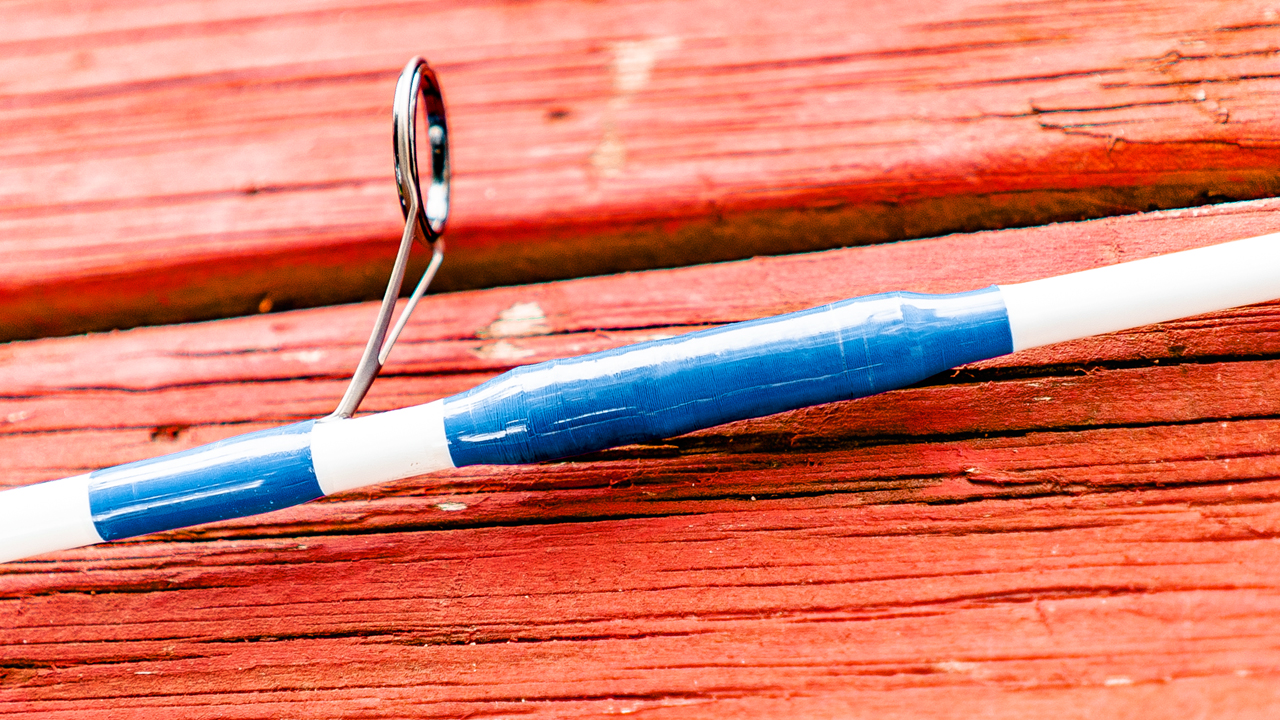
A few years back I built a rod for my father as a Christmas gift. He loved it – the rod was blue with white wraps and really nice guides, and it was intended to be a crappie rod (we are terrible at crappie fishing still, but we like to try to catch them and fry a handful of the smaller ones up periodically).
Well, when we fish jigs in Wisconsin each year, there is a really good chance that we will catch pike, or smallmouth bass – even largemouth in the weed beds – the occasional muskie… and all of these fish pull hard.
The rod broke.
What was weird though, was that a fish didn’t break the St. Croix blank – it broke when Dad moved the rod to the side with his hand high up near the tip. Snap. Heartbreak.
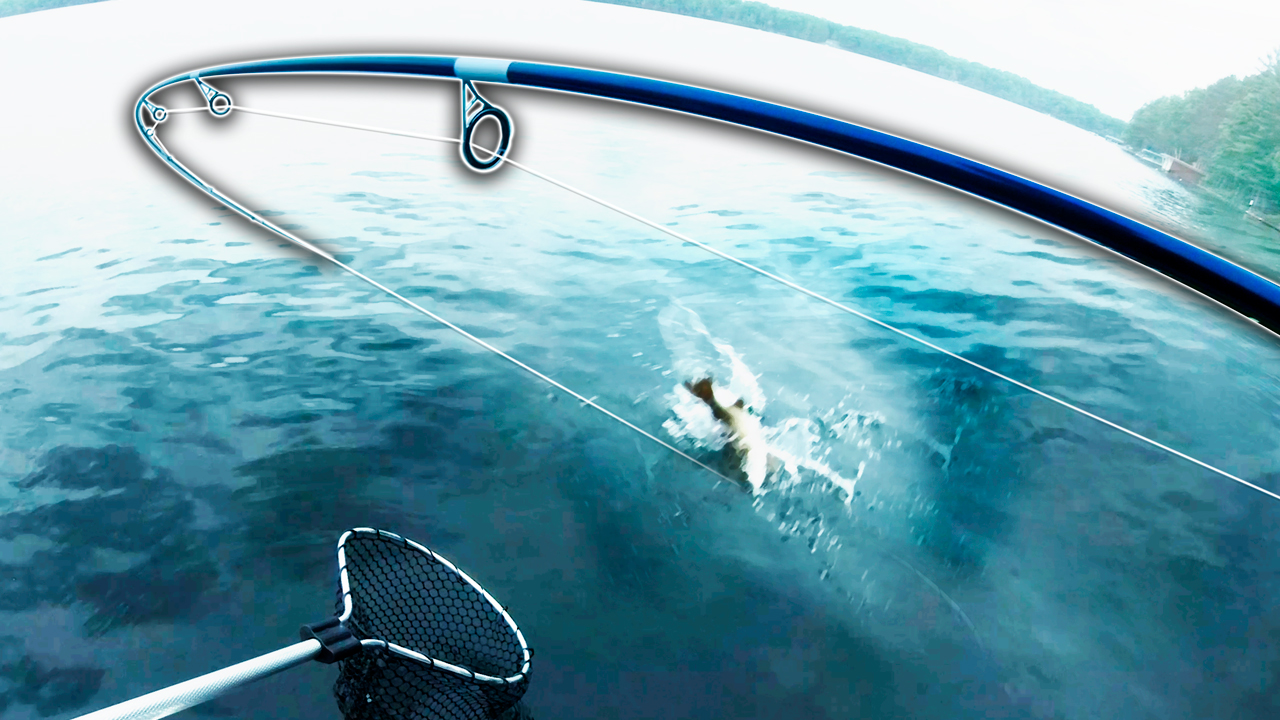
When we contacted St. Croix, we were very happy to find out that they would be willing to send a replacement blank that was similar at no cost aside from shipping. (HUGE thank you to St. Croix!) I completed the new rod build before vacation this year, and this was the maiden voyage… and boy, the smallmouth put the rod to the test!
Time to fish.
Click the banner to jump to The Minimalist Fisherman on YouTube.
NOTE: I’m looking for new ponds, pits and creeks to fish in Illinois. If you are located in the Midwest and you have any suggestions, or if you’d like to fish some spots with me, please send me an email and let’s set something up! That’s the whole reason I do this: to make new friends, get better for my family, and find new spots to fish.
Your support directly funds the creation of weekly articles and videos that promote the development of better anglers and better men. Our country (and our kids) need both. Please share this site, and consider a monthly, weekly, or one-time donation. You are helping us make a difference!
Sometimes fishing is easy. Sometimes fishing is hard… and even though you feel terrible, you know that you need to go anyway because everyone else is home on the couch. This was one of those days. I’ve already had the ‘Rona, but when I woke up this morning something was in the air that was destroying my eyes and nose.
Still, as the lakes I have access to continue to warm up, we need to be out no matter what… or we won’t hit 250 this year. Sickness aside, it’s time to get after it – let’s go!
Click the banner to jump to The Minimalist Fisherman on YouTube.
THE HUNT FOR 250: Bass Count for the Season: 18
CONDITIONS: Location: Northern Illinois Time of Year: 2nd Week of May – Late Morning Weather: Overcast & Calm Air Temperature: 48°F
Your support directly funds the creation of weekly articles and videos that promote the development of better anglers and better men. Our country (and our kids) need both. Please share this site, and consider a monthly, weekly, or one-time donation. You are helping us make a difference!
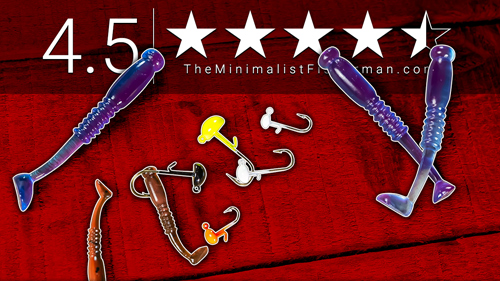
The secret is out: ElaZtech baits by Z-Man are a well balanced combination of salt (in most but not all cases) and plastic that is super stretchy & lifelike. These little dudes float, meaning they stand upright on a jighead, and they last forever.
In some cases you’ll want a softer bait, or a bait loaded with more salt that sinks faster, but in many cases being able to put on a bait that lasts forever (that gets more and more effective the more it gets ripped up with each and every battle) allows you to focus on the task at hand: casting, working the bait, and catching more fish.
The other issue though, is that ElaZtech is so tough and so stretchy, it can be difficult to properly line it up on a jighead, or work it over a keeper… and we want to use a keeper, because it will lock the plastic in place and help us focus on fishing – not fixing.
Let’s go over my top three selections for jigs and the specific applications in which they excel. All are in heavy rotation this year in #TheHuntFor250. They will help make your life a lot less frustrating… and put more fish in your boat!
The best jig for ElaZtech is without a doubt the Eagle Claw Pro-V Finesse Jig. The jig comes in multiple sizes and colors, and in both a Trokar and a Laser Sharp version. The Pro-V bend in the hook is exceptional, it is low profile and when you stick a fish – it stays put. (Make sure you have pliers of hemostats with you to dislodge these jigs when you land a fish.) The paint chips and wears quickly if you are fishing rocks, but that’s no surprise.
The real benefit though, is the keeper. It is heavy duty and it will not bend when you pull the ElaZtech into place, but it is also pointy enough to be easily worked into the stretchy material. Flimsy wire keepers can actually bend as you push ElaZtech over them, and as you’ll see below, keepers that do not have a sharp edge won’t get buried – making it far too easy for the plastic to slide off. Jigs like that are useless for this kind of plastic material.
The Pro-V Finesse Jig is hands down the best jighead for ElaZtech jigworming.
The Berkley Half Head Jig is a solid option for softer plastics that don’t need a robust keeper. They are a great jig for softer baits when you aren’t fishing around heavy cover, and the paint holds up well in rough terrain. These jigs also have a thicker wire than what you would find on similar jigs of the same size, which is nice if you are fishing around stronger fish that can straighten a hook.
ElaZtech, however, will slide right off of the collar-style keeper when you set the hook or pop your jigworm. I no longer use these jigheads for that application – but I am not getting rid of (minimizing) them – just re-purposing them.
This is an excellent jig for small soft plastic applications.
The BEST Jighead for Small Paddle Tail Swimbaits
Earlier this year I had a chance to meet Ethan Dhuyvetter (YouTube: The Online Outdoorsman) and we discussed his Mule Jigs. I ordered a few thinking I would try them on jigworms, and he very graciously tossed in a few packs of his Donkey Tails.
I’m glad he did… because up until this point I had not used smaller paddle tail swimbaits… but man… these things flat out catch fish! (I’m not kidding – we’re talking 40+ fish from 4 short trips so far this year, and 4 different species – videos will be out soon. Make sure to subscribe!)
Click the banner to jump to The Minimalist Fisherman on YouTube.
We’ll do an in-depth review of these products in the coming weeks, but I had to mention them here, because the short shank on the Mule Jigs makes them a perfect pairing for small paddle tail swimbaits, like the Donkey Tail and the Donkey Tail Jr.
Mule Jigs paired with Donkey Tails, Fat Albert Grubs and Strike King Lightning Shad plastics
This short shank is extremely important for smaller swimbaits, because it allows them to displace water with their maximum action. They come to life. Longer shank hooks will actually prevent more of the body of the bait from moving, meaning less wiggle and less thump.
The skinny wire keeper on the Mule Jig easily slips into the Donkey Tail material, which is super stretchy like ElaZtech – meaning they last until you break them off.
For paddle tails swimbaits, the Mule Jig is the standout option.
Want to Learn More?
The 3 jigs above are all perfectly balanced for use with a unique fishing application.
If you’d like to learn more about how I rig the Pro-V Finesse Jig, download your free copy of Ned Rig Secrets. We discuss making Ned Rigs that are extremely effective while utilizing the Eagle Claw Pro-V Finesse Jigs as our primary delivery method.
All that’s left to do is grab some of these jigs for yourself, and get to catching some fish. I hope that the suggestions listed here help you become a more effective angler.
Tight lines!
Get Articles & Videos First
Catch More Fish Than Your Friends. Laugh At Their Tears.
Your support directly funds the creation of weekly articles and videos that promote the development of better anglers and better men. Our country (and our kids) need both. Please share this site, and consider a monthly, weekly, or one-time donation. You are helping us make a difference!
The Oval Sinkin’ Worm, by the Cabin Creek Bait Company, is a salt-loaded stickbait that comes in multiple fish-catching colors and sizes ranging from 4.25″ to 5.5″. We’ve all seen (and fished) the classic stickbaits like the Yamamoto Senko, and the YUM Dinger, but companies have started to add subtle differences to their stickbait offerings to make them stand out from the pack.
This is good news for all of us anglers… because it means more fish!
For example, Strike King offers a sweet little number called The Ocho, that brings 8 flat sides to the table, giving the bait a slightly different movement on the drop.
Cabin Creek decided to “smash” this bait a bit, opting for an oval diameter instead of the traditional perfect circle.
This gives the Oval Sinkin’ Worm a slightly different shimmying action on the fall, and the bait comes loaded with enough salt to sink it without requiring additional weight. This means you have the option to fish the bait weightless (think wacky rig or weightless TX rig) depending on the wind, depth and conditions that you are fishing.
This also gives you the option to salt rub your bait – a technique we discuss in Ned Rig Secrets that helps give your bait a bit more lifelike flavor (salt is present in blood) and a slightly different look.
Subtle differences like this are a great way to target pressured, finicky fish. Show them something they haven’t seen before – something they haven’t been conditioned to.
Let’s talk about some of the features that come packed into this bait. I think you will agree that it’s a quality weapon to add to your fishing arsenal. One that works both when the fish are active, and when the bite gets tough!
Oval Sinkin’ Worm Colors & Options
This bait comes in two sizes at this time: a 4.25″ size that’s better suited for fishing in the spring or targeting smallmouth bass (or even large panfish… because yes, panfish will attack this thing) and a 5.5″ size that will get the attention of largemouth bass.
Need to select a color that blends in with your local cover or bottom composition – or looking for a bright color that will “shock” the fish? Rest assured, you can find something here that will work. Current colors include:
Smoke Purple Green Pumpkin / Purple Black & Blue Watermelon Candy Pumpkin Pepper / Orange Green Pumpkin / Purple & Chartreuse Glitter Pearl Hologram Green Pumpkin / Blue Glitter Candy Apple Smoke / Blue & Green (not shown) Junebug Watermelon Pepper / Red Glitter (not shown) Green Pumpkin Bluegill
Oval Sinkin’ Worm Scent
The Oval Sinkin’ Worm comes with a fair amount of salt impregnated within the bait. It is not especially oily or scented – it smells like plastic but it’s subtle and doesn’t seem to be offensive to fish that engulf the bait. The ones I’ve hooked have hung on for plenty long, giving me ample time for a quality hookset.
Sinkin’ Worm Sink Rate & Rigging
The salt within the bait is dense enough to sink at a slow rate – not too fast, not too slow – which allows you to use the bait weightless if the wind and depth allow it. I paired mine with 8 pound fluorocarbon and a 3/0 Trokar Pro-V Worm Hook and fished it as a weightless Texas rig – see the image below (just remove the weight). If you need to get deeper or move faster, pop that weight back on!
You can also fish this bait wacky style, on a Carolina rig, suspend it below a float for smallmouth bass or put it on an F4 Rig… the options are endless.
Oval Sinkin’ Worm Durability and Stretch
This bait is dense. It is hearty, not super soft like a Zoom Zlinky. It will easily last through several fish, and that’s good – because as baits like this get chewed up, more salt is allowed to come through to the surface, making them even more effective. The plastic is not super-stretchy like Z-Man ElaZtech baits, but in many situations this is preferred.
Cost to getcha some Salty Sinkin’ Worms
Currently these baits can be purchased directly from the Cabin Creek Bait Company website:
$5.99 per pack QTY: 10
Sinkin’ Worm Summary
In my personal opinion, these baits are fantastic. Granted they are a little more expensive than some other baits on the market, but they are unique and produced by a smaller company. They are well made and hearty. Tough. This combined with their unique shape and action provide an extreme value.
It is hard to differentiate yourself on the water. Fish in many locations – especially those in pressured lakes & ponds with loads of fishermen throwing the most popular baits – very quickly become conditioned to bait profiles, colors and sounds with negative consequences.
Do your homework.
You can find out what the locals are throwing just by visiting the closest BigBox store. Look on the shelves and you’ll see what people are buying and using… then try to zig when they zag if you want to catch more fish.
The products ON the shelves is are as important as the ones that AREN’T.
Bass are experimental eaters, but they are also smart. They can learn. If a bass eats 10 YUM Dingers thrown by 10 different anglers and they get a hook in their face every time – they’ll stop eating things that look like a Dinger!
The Cabin Creek Oval Sinkin’ Worm brings enough differentiation to the table that I can definitely recommend you add a few colors and sizes to your tacklebox – just as I have. They are well worth the cost and I’ll be fishing them hard for the remainder of this season and beyond.
Your support directly funds the creation of weekly articles and videos that promote the development of better anglers and better men. Our country (and our kids) need both. Please share this site, and consider a monthly, weekly, or one-time donation. You are helping us make a difference!
We’ve discussed the fact that largemouth bass have the same 5 primary senses that we do – but they also have another: their lateral line sensitivity. This is the sense that allows largemouth bass (and other fish) to feel prey and predators within the water around them.
We just discussed some of the nuances of this unique sensory feature in the last article: How Do Largemouth Bass Hear?
Now, let’s take a closer look at when sound becomes vibration.
When Sound Becomes Vibration for Fish
Some vibrations can only be felt with the lateral line. These vibrations are typically lower in pitch, or frequencies within the 1 to 200 cycles per second [Hz] range (approximately – the specific range is dependent on the gamefish in question).
Other vibrations can only be heard with the inner ear. These vibrations are higher pitches somewhere between the 100-600 and 3,000-13,000 Hz range. Different fish species will hear a different section within this range.
There is also an area of overlap where a fish can both hear and feel vibrations. This is typically somewhere between 50 and 200 Hz.
Let’s Consider How a Lipless Crankbait is Perceived
Let’s take a look at a lipless crankbait like the classic Rat-L-Trap by Bill Lewis.
Bill Lewis Rat-L-Trap | A Lipless Crankbait & World Famous “Must Have” Bass Catchin’ Lure!
As this bait moves towards a fish, the higher-frequency sound waves produced by the rattling shot (BBs) and the tinkling of the treble hooks against the body reach the ears of the fish at about 50 feet, while the low-frequency vibrations from the crankbait’s wobble reach the lateral line.
Something is out there.
It’s probably not important. Probably insignificant. Given the myriad of other sounds and vibrations reaching the ears of the fish, it’s probably nothing. The fish is actually not able to clearly distinguish and identify the vibration and sound at this long range because of other sounds and vibrations traveling through the water all around. Think of this as “interference”, or a garbled radio station that you can’t get to come in clearly.
Then it gets closer.
Closer.
Closer still…
Suddenly the vibrations of the lure start to stand out from the drone of subtle noise that surrounds the fish. Maybe somewhere between 15 and 25 feet. Then, depending on the proximity of the lure and the activity level of the fish, you may very well gain their interest…
Using vision and a combination of hearing and feeling, the fish tries to localize where this thing is at. The closer it comes, the more distinguishable it is.
Remember too that even subtle lures like stickbaits and soft plastics send out sound and vibration. The most important sense for a feeding bass is vision, but they will hear the plop of a soft bait hit the water, and feel the subtle wiggle as it sinks to the bottom.
Cabin Creek Salty Sinkin’ Worms: a great little oval-shaped stickbait that we have been testing heavily lately. Check the video below to see a few nice bass caught on these salty stickbaits.
Click the banner to jump to The Minimalist Fisherman on YouTube.
Several senses (usually) come into play whenever a bass decides to eat.
With the right combination of “that looks like food”, flash & vibration, along with proper placement (meaning the lure passes within the strike zone of this particular fish), there is a good chance the fish will strike.
Now go get some.
Tight lines!
Get Articles & Videos First
Catch More Fish Than Your Friends. Laugh At Their Tears.
Your support directly funds the creation of weekly articles and videos that promote the development of better anglers and better men. Our country (and our kids) need both. Please share this site, and consider a monthly, weekly, or one-time donation. You are helping us make a difference!
How well does the largemouth bass hear sound or feel vibrations?
Well, water transmits sound vibrations five times better than air. Vulnerable, struggling prey send off very distinct vibrations, and black bass rely on these vibrations to detect, locate and capture their food. They also rely on these vibrations for early warning so they can avoid predators.
Remember that we mentioned largemouth bass have the same 5 senses that we humans do – plus another – their lateral line sensitivity. Therefore when we discuss “hearing”, we need to distinguish “hearing” that comes through the ears, and “lateral-line perception”, that is felt.
Both senses involve sound waves.
A nice largemouth bass on a Strike King Ocho in the rain (Illinois).
Bass can hear high-frequency sound waves (20 to 1,000 cycles per second), and their lateral line sensors pick up low-frequency sound waves (4 to 200 cycles per second).
Notice there is an overlap.
The lateral line can actually sense the tiny movement of a minnow’s tail, or the gentle kick of a frog. Silent lures like jigs, plastic worms and stickbaits produce vibrations that bass easily hear and feel. A softbait worked slowly can be extremely attractive to bass at times, because it closely mimics the sound and feel of distressed prey.
Even a simple stickbait like the Cabin Creek Oval Sinkin’ Work sends out small vibrations that fish can feel.
Click the banner to jump to The Minimalist Fisherman on YouTube.
Yet as important as hearing and lateral line sensitivity are, they remain secondary to vision. Tank tests have been performed where blindfolded bass caught minnows, however they fed much less accurately and efficiently than those able to combine hearing and vision.
The combination of sensory input is what allows bass to feed most effectively.
So the million dollar questions is pretty obvious… what vibration pattern is most attractive to bass?
If you figure that out… please let me know before you buy your own private island!
Much remains to be learned about the sound patterns that are attractive to bass, and chances are bass that are in a certain area with a certain kind of prey are going to be tuned in to vibrations that may be slightly different than bass living in a different body of water. We mentioned that bass are experimental feeders, so they don’t usually get hyper-focused on a specific kind of prey like trout – but it would be well worth your time to experiment with different kinds of lures at different times of the year on different bodies of water to see if you can identify any presentations that clearly outperform everything else in your tacklebox.
Trout tend to be a bit more focused on a very particular kind of prey. Bass are “experimental eaters”.
Research hasn’t identified a wave frequency that automatically attracts bass, however most would agree that irregular sounds produced by stop-and-go retrieves and bumping into cover make lures more appealing. Again, attractive sound patterns may vary depending on the prey bass are currently keying in on. It is possible that scientific research into sound, applied to lure design, could produce large dividends in the future.
Certain sounds are definitely associated with danger. Most sound above water bounces off of the surface, so it is possible that ordinary conversation won’t spook bass. However, scuba divers have reported bass being spooked by electric trolling motors as they are turned on and off. These same divers have also observed that anglers standing in a boat to cast – which causes waves as the boat twists in the water – will also spook bass.
Personally, while fishing from shore I have noticed many times my footsteps will create vibrations that alert bass to my presence long before I’m right next to where they are located. How do I know this? Because I see them jet out from the shallows, their long dark bodies visible right in front of the wake them make… it’s painful to watch, but it’s a learning experience. While bass can see us on shore, clomping along carrying a backpack, camera and several poles is no way to sneak up on them. Tread lightly.
Bass are also extremely sensitive to obvious noises like oars banging on the side of an aluminum boat, or objects (anything from a jighead to a full tacklebox) dropping into the bottom of the vessel. However, in lakes where they are allowed, outboard motors running continuously are a part of the usual world for many bass. They seem to be mostly bothered by close, erratic, unfamiliar sounds… but I still wouldn’t motor right on top of them if it could be avoided.
A quiet boat will be visited by many, many more bass…
Bass in cover also tend to be more secure – but no matter what, anything you can do to keep a low profile and stay quiet is going to help you get closer to (and therefore, catch) more bass.
Tight lines!
Get Articles & Videos First
Catch More Fish Than Your Friends. Laugh At Their Tears.
Your support directly funds the creation of weekly articles and videos that promote the development of better anglers and better men. Our country (and our kids) need both. Please share this site, and consider a monthly, weekly, or one-time donation. You are helping us make a difference!
Let’s get one thing straight right now. We support the boys and girls in blue here. Thank you to ALL emergency personnel!
Sorry I did that thing…
Run-in aside, on this trip we started to notice some bass up shallow. Finally. They also seemed interested in my Cabin Creek Baits Salty Sinkin’ Worm… and they had a bit more size to them as well.
Click the banner to jump to The Minimalist Fisherman on YouTube.
THE HUNT FOR 250: Bass Count for the Season: 16
CONDITIONS: Location: Northern Illinois Time of Year: 1st Week of May – Morning Weather: Bluebird Skies & Calm Air Temperature: 50°F
PRESENTATIONS: Power Rig: N/A Finesse Rig: Spinning Reel w/ Cabin Creek Salty Sinkin’ Worm & Trokar Pro-V Worm Hook
Oh hey, check this out – you can still get a free copy of Ned Rig Secrets – guaranteed to help you catch more fish!
An Easy-Reading 20 Page Guide. Simple Instructions. Beautiful Images. Fun Story – It’s All Here.
Let’s get better.
Get Articles & Videos First
Catch More Fish Than Your Friends. Laugh At Their Tears.
Your support directly funds the creation of weekly articles and videos that promote the development of better anglers and better men. Our country (and our kids) need both. Please share this site, and consider a monthly, weekly, or one-time donation. You are helping us make a difference!
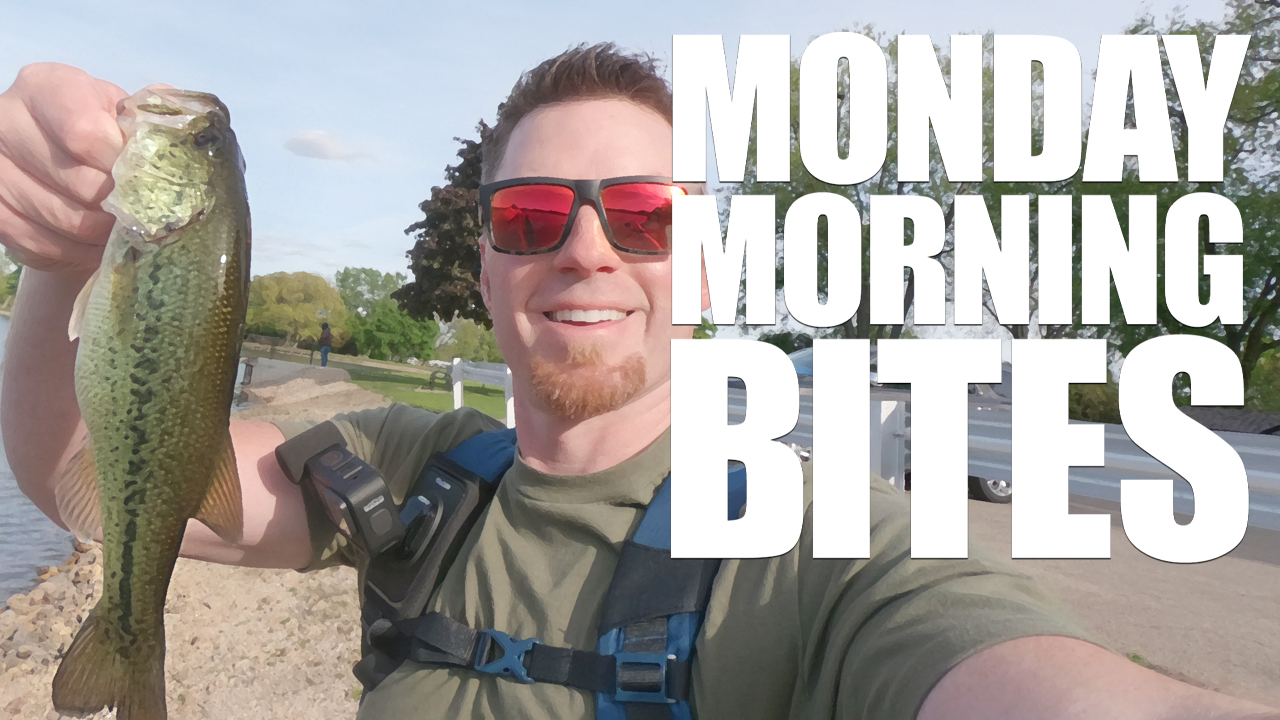
Well, this video shows some of the highlights from Monday Morning Bites. Remember: each week we catch fish and make fart jokes, so if that sounds like something you’re into (and let’s be honest… it’s something you’re into) make sure to SUBSCRIBE and SAY HELLO!
Your support directly funds the creation of weekly articles and videos that promote the development of better anglers and better men. Our country (and our kids) need both. Please share this site, and consider a monthly, weekly, or one-time donation. You are helping us make a difference!
Do you know what you’re supposed to do when life gives you lemons?
That’s right… catch more bass.
This was definitely one of those trips to a new lake where things seemed to be going from bad to worse. Poison ivy seemed imminent. Not even a tap for the first hour… frustration setting in… but then I came upon a cool little area that was tucked away, and it all turned around. Really a fun day.
Click the banner to jump to The Minimalist Fisherman on YouTube.
THE HUNT FOR 250: Bass Count for the Season: 14
CONDITIONS: Location: Northern Illinois Time of Year: 1st Week of May – Late Morning Weather: Clear & Sunny Air Temperature: 51°F
Your support directly funds the creation of weekly articles and videos that promote the development of better anglers and better men. Our country (and our kids) need both. Please share this site, and consider a monthly, weekly, or one-time donation. You are helping us make a difference!
Much has been learned about how the eyes of fish function. That said, the following information is a combination of science and speculation. Within each species of fish there are a certain number of color-sensitive cells (cones), and scientists make assumptions based on their relative sensitivity.
Goldfish and minnows have 4 sets of color vision cells (cones) that have peak sensitivities to orange, yellow-green, blue and ultraviolet (UV) light. The output of these sets seem to be evenly matched, which means that goldfish see blue and UV light as brightly as yellow and orange light. Goldfish, minnows and similar species have adapted to clear water where UV and blue light are commonplace.
Other fish species that have adapted to similar clear-water environments probably have similar color-vision abilities. Trout for example, seem to see UV light very well.
Wisconsin Walleye (Alder Lake)
Walleye and sauger lack blue cones and sense the entire spectrum using only orange and green cones. They’re adapted to murky river water, which absorbs most of the blue and green light, but reflects and scatters primarily red, orange and yellow light. The UV sensitivity of walleye hasn’t been thoroughly checked, but murky water also rapidly absorbs UV light. So… it seems unlikely that walleye see UV light…
About 90% of the walleye’s cones sense the red-orange-yellow portion of the spectrum. The other set senses yellow-green, blue and violet. As a result, scientists presume that walleyes see red-orange, orange, and yellow-orange as bright colors. Green is an intermediate color, but blue and violet are weak and likely appear dark and nearly black.
“Look at the teeth!”
Black bass and sunfish have cones that seem similar to those of walleye, however, they lack the reflective eyes and super-sensitive night vision cells (rods). Tests on the vision of bass have indicated they discriminate poorly between yellows and grays, and there seems to be some preference for reddish colors.
This suggests that bass – like walleyes – have only two sets of cones.
Bass however may not depend as heavily on the red end of the spectrum as walleye, and their UV abilities haven’t been described.
So, as we said in our previous post – What Colors Can Largemouth Bass See? – experiment. Test things for yourself, on your body of water. Over time more science will become available, but what really matters is what the fish will bite.
The only way to figure that out is to get a presentation in front of ’em.
Tight lines!
Get Articles & Videos First
Catch More Fish Than Your Friends. Laugh At Their Tears.
Your support directly funds the creation of weekly articles and videos that promote the development of better anglers and better men. Our country (and our kids) need both. Please share this site, and consider a monthly, weekly, or one-time donation. You are helping us make a difference!
Your support directly funds the creation of weekly articles and videos that promote the development of better anglers and better men. Our country (and our kids) need both. Please share this site, and consider a monthly, weekly, or one-time donation. You are helping us make a difference!
Things underwater are… different… than they are above. Movement is met with more resistance. Things sound different. Vibrations travel through water. Light is broken up by the surface, especially in windy days.
Colors underwater are no exception.
They are different.
That shirt is definitely visible underwater and attracts bass. No question. ‘Murica!
For example, the absorption and scattering of light underwater reduces and eliminates shadows. Shadows usually disappear at about twice the depth the angler can see a large fluorescent or white lure. This “scattering” of light is also used in photography. Items called “diffusers” come in a myriad of sized and they break up light so that objects on a table or within a white box don’t have such a direct, distinct shadow.
To date, research on the color vision of bass has produced some contradictory data:
Bass do see colors, discriminate between them, and learn to avoid colors with negative consequences.
Different reports have returned different results. In some cases, bass see black best, followed by yellow, white, green and blue. In other cases, bass saw red best, but were actually attracted to yellow.
Underwater observations show that bass can discriminate between different colors of monofilament line.
This same study suggested that bass were repelled by bright yellow monofilament, but attracted to fluorescent green-blue line.
In another study, bass in a tank test chose minnows dyed red over natural minnows.
Yet another study found red and white lures to be particularly effective.
This is interesting, because many anglers will use red line because it is a color that disappears quickly underwater. This would contradict the idea that red hooks indicate “blood in the water”… perhaps they just aren’t as visible??
You’ll have to experiment for yourself. Personally, I don’t shy away from red hooks, red swivels, or red beads – but I have not experimented with red line. I just stick with fluorocarbon or really light clear or clear/blue mono.
Note: it is my belief that color plays an extremely important role in some (not all) bodies of water – especially those that are small or that have a very particular type of forage that the bass are keyed in on. However, bass are far less particular than say, trout, and they are experimental eaters. This means that you always have a chance of catching bass when using the “wrong” color. But if you can zero in on the magic combination – it’s lights out!
(Color is a variable to pay attention to after you have found the fish, after you have figured out their depth, and after you have found a few presentation profiles that they will strike. It’s not unimportant, but it’s not at the top of the list when it comes to a great day on the water. Be careful you don’t give it too much attention.)
Keep experimenting and see what you find out.
Tight lines!
Get Articles & Videos First
Catch More Fish Than Your Friends. Laugh At Their Tears.
Your support directly funds the creation of weekly articles and videos that promote the development of better anglers and better men. Our country (and our kids) need both. Please share this site, and consider a monthly, weekly, or one-time donation. You are helping us make a difference!
In the last article, we discussed the sense of sight for largemouth bass – arguably their most important sense for both hunting and ambushing prey, and avoiding danger.
Bass can see on both sides of their body, thanks to the positioning of their eyes. Blind zones exist to the rear, and underneath their bellies. Bass also have binocular vision in front of them, in a forward and slightly upwards direction. Prey (or lures) that enter this “binocular aiming area” are most effectively targeted and attacked.
Prey or lures in the other detection zones may also be accurately attacked if the bass has time to turn and focus in the binocular zone. Objects in the “dead zones” may go undetected – or be ignored.
Bass learn early on to fear attacks from the rear. This is why they will often back into cover. To protect themselves.
We also know that active bass can both see and target lures before they hit the water. This means they can obviously see objects outside of their domain… and that includes us, it includes boats, it includes any and all movement.
In calm water, bass have an especially good view of surface objects. If the water becomes choppy (think windy days) it blurs and reduces what can be seen above the water. This is just one of the reasons anglers will say “the wind is my friend” – it’s an added layer of camouflage, and it makes lures like spinnerbaits even more productive.
The following illustration shows what a bass can see in an upwards direction when the water is perfectly calm:
Water surface and aerial window as seen from beneath.
They can see us.
Quite well actually.
Whether you are walking the shoreline or fishing from a boat, it is in your best interest to wear neutral colors, keep a low profile, and tread lightly. If you’re spotted the bass could get lockjaw or worse – slowly leave the area entirely.
Talk about torture… I’ve watched many quality fish slowly saunter off after they have spotted me or felt the vibrations from my footsteps.
Camo ain’t just for deer hunters…
Tight lines!
Get Articles & Videos First
Catch More Fish Than Your Friends. Laugh At Their Tears.
Your support directly funds the creation of weekly articles and videos that promote the development of better anglers and better men. Our country (and our kids) need both. Please share this site, and consider a monthly, weekly, or one-time donation. You are helping us make a difference!
Bass – like us – have the typical 5 senses: sight, hearing, touch, taste and smell. But there is a sixth as well: lateral line sensitivity. This sense allows them to perceive low-frequency vibrations through sensors located on either side of their bodies.
These six senses help the largemouth bass decipher the information and environment that surrounds them. However, the amount with which a particular bass will lean on one of these senses over the others will vary based on the special attributes of their particular environment. For example, bass living in clear water may be much more sight-oriented, while bass in murky water favor lateral line perception and hearing.
With that in mind, let’s take a closer look at the senses of the largemouth bass.
Largemouth Bass at Sunset in Wisconsin… ‘Murica!
The Sense of Sight for Largemouth Bass:
In most cases, sight is the single most important sense for the largemouth bass. Some sources over-emphasize lateral line perception and undersell vision – but the truth is that bass simply do not feed at peak performance if their vision is impaired. They can certainly live in all sorts of areas, dingy, dark water included – but to be at their optimum, they need to be able to see.
The eyes of the bass are set on the side of their head. This placement allows them to see both food and danger everywhere around them, except behind them, and directly below their bodies. Bass have 3-dimensional vision only in a small area in front of their noses – yet this is where said 3-dimensional vision needs to be – because this is where they focus on food.
Even clear water carries plankton, silt and other particles that limit their vision to short ranges. Water itself also impedes motion, so fish are most concerned with water and threats at close ranges. While bass can adjust focus to see objects as far as 30 to 40 feet away, at rest they focus on objects about a foot away.
(With that in mind, take a second to think about how and why a bass often relate tight to cover, and why it might provide some sort of a sense of security.)
Bass can also see above the water.
Let me repeat that:
Bass can also see things that are above the water.
Totally incognito… the bass will never see us coming!
An aggressively feeding bass may actually snatch a lure before it even hits the surface of the water. (Obviously these situations are the thing of legend, so if it happens to you make sure to brag about it!) Bass that live in deeper water have an even broader view of objects above the water. Also, the higher an object is above the water line, the easier it is for a bass to see.
If you are hunting bass in shallow water… you better keep a low profile!
Scuba divers have observed that bass do not make an effort to avoid sunlight. This contradicts the old “sunlight hurts the eyes of bass because they have no eyelids” myth. Largemouth are able to make internal adjustments to their eyes to reduce their sensitivity and reduce light intensity.
Bass will usually seek shade, but they don’t need to avoid bright lights. They lurk in the shade because they are safer from predators there – not to mention, shade conceals them from their own prey as well, making ambush strikes (which are extremely efficient in terms of energy spent versus energy gained) much more effective.
Bass will set up in shallow, shaded inlets off of main lakes, and these are great areas to catch some quality fish with (or without) the kids.
Most fish species have rods and cones in their eyes, and largemouth are no exception. Rods are black & white sensors that excel in dim light. Cones are color receptors. As light levels change, bass will adjust reliance on one or the other. When light is dim, they only see black and white. When light and visibility are adequate, they see color(s).
Bass see better in dim light than humans. Not as well as fish like sauger, though – as these fish have eyes that are expertly adapted to low light conditions. At night, bass will feed – but they use a combination of lateral line sensitivity, hearing, and by silhouetting prey against the night sky.
Overall sight plays an extremely important role in the life of a bass. Don’t overlook the visual aspect of your presentations if you want to catch more fish.
Tight lines!
Get Articles & Videos First
Catch More Fish Than Your Friends. Laugh At Their Tears.
Your support directly funds the creation of weekly articles and videos that promote the development of better anglers and better men. Our country (and our kids) need both. Please share this site, and consider a monthly, weekly, or one-time donation. You are helping us make a difference!
The Solunar Calendar provides a window into the activity of wildlife. If you’d like to learn more about how you can use this tool to your advantage, make sure to read our article on The Solunar Method & History.
Solunar calendars can provide you with a nice baseline for potential animal activity, but you must also take into account local weather conditions leading up to (and during) your outing. If you’re fishing, it’s also a good idea to monitor barometric pressure. Use all of the tools available to you to maximize your time on the water!
Click the banner to jump to The Minimalist Fisherman on YouTube.
Tight lines!
(OH! Before you go make sure to check out In-Fisherman’s Solunar Calendar Tool. It’s free and fantastic if you’re wondering what the current solunar calendar looks like in your area.)
Get Articles & Videos First
Catch More Fish Than Your Friends. Laugh At Their Tears.
Your support directly funds the creation of weekly articles and videos that promote the development of better anglers and better men. Our country (and our kids) need both. Please share this site, and consider a monthly, weekly, or one-time donation. You are helping us make a difference!
Tough bite today… again. We missed a good one – and this was the first “good one” we’ve seen. So as frustrating as it is to miss fish, this gives me hope and reminds me just how much these little fatties get my heart racing. Let’s keep getting after it!
Click the banner to jump to The Minimalist Fisherman on YouTube.
THE HUNT FOR 250: Bass Count for the Season: 8 (+2 mystery fish)
CONDITIONS: Location: Northern Illinois Time of Year: 4th Week of April – Afternoon Weather: Overcast & Calm Air Temperature: 58°F
Your support directly funds the creation of weekly articles and videos that promote the development of better anglers and better men. Our country (and our kids) need both. Please share this site, and consider a monthly, weekly, or one-time donation. You are helping us make a difference!
Our bass count for the season continues to climb… still no hawgs yet, but some quality bass this week and there are more on the way. Not to mention… another surprise fish?! Let’s keep getting after it!
Click the banner to jump to The Minimalist Fisherman on YouTube.
THE HUNT FOR 250: Bass Count for the Season: 6 (+2 mystery fish)
CONDITIONS: Location: Northern Illinois Time of Year: 3rd Week of April – Late Afternoon Weather: Overcast & Light Wind Air Temperature: 42°F
Your support directly funds the creation of weekly articles and videos that promote the development of better anglers and better men. Our country (and our kids) need both. Please share this site, and consider a monthly, weekly, or one-time donation. You are helping us make a difference!
As we mentioned in our previous article on Prey Size for Largemouth Bass, the size of a largemouth bass with have a major influence on the size of their food.
The Lower Limit is determined by whether or not the effort required to catch a small meal will return an adequate amount of energy. Bass will not waste too much energy to catch a small meal, resulting in an overall loss.
The Upper Limit is determined by what they can actually fit in their mouths… without choking. Samples of preyfish have been taken from within their stomachs – some as large as 50% of their overall length – however, much more manageable quarry is usually pursued.
The following chart shows the length of bass compared to the length of preyfish to give us a relatively solid ballpark range, which will help us select lures and presentations that will adequately target the fish we are looking for.
The shaded area shows the size of the preyfish that largemouth bass typically eat. Although bass may eat preyfish as small as about 10% of their own length, or as large as 60 to 70 percent.
MOST preyfish fall between 20 and 50 percent.
Larger bass tend to eat larger prey. Most of the food of young adult bass falls between 20 percent and 40 percent of their own length, while older and larger bass tend to select preyfish in the 30 to 50 percent range, depending on prey shape.
This makes one wonder if the older fish are slightly wiser, able to discern and select food(s) that are a size they can manage to eat without discomfort, while minimizing the energy expended and maximizing the energy gained…
Hmmm… I wonder?
Either way – this gives us some insight into the preferred prey size on the big bass buffet.
Now let’s go get some.
Tight lines!
Get Articles & Videos First
Catch More Fish Than Your Friends. Laugh At Their Tears.
Your support directly funds the creation of weekly articles and videos that promote the development of better anglers and better men. Our country (and our kids) need both. Please share this site, and consider a monthly, weekly, or one-time donation. You are helping us make a difference!
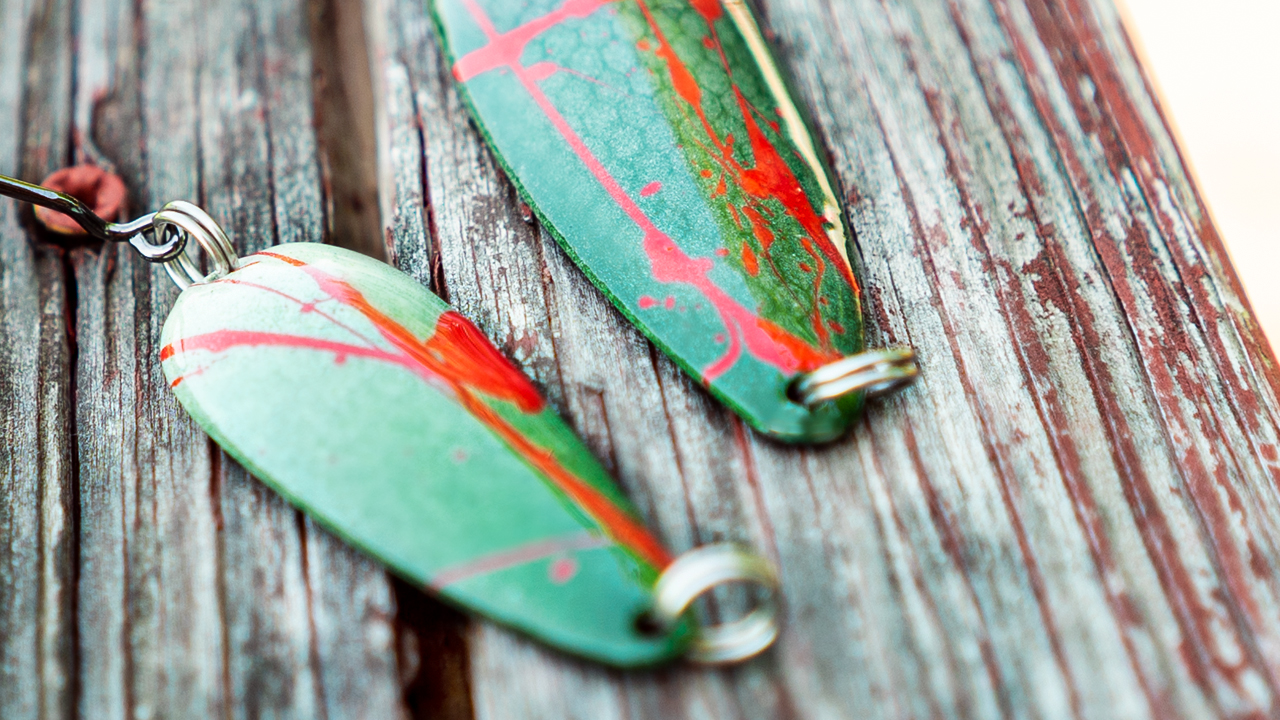
Not that long ago we created a video that went over a method of spoon refinishing that was a way to both have fun, and save a few bucks.
Click the banner to jump to The Minimalist Fisherman on YouTube.
After the video posted, a subscriber contacted me to ask a few questions – but also to share his results. This was awesome for two reasons: first, I love the fact that these videos are helping other anglers… but… it’s also really fun to connect with them and talk shop. To hear what they think and what elements of a video are important to them – and why:
Hi, Loved the painting spoon video I saw on YouTube. I’m excited to try this project, but quick question. What is the mesh again? You said your wife called it “tool?”
Hey again AJ, They came out pretty nice! I just kept staring at them last night. Lol. I may have messed up the epoxy. It was the gorilla glue kind and it was sitting in my closet for like 3 years so the resin hardened up and didn’t mix well. Now it’s still sticky about 10 hrs later. We’ll see if I have to get a fresh tube and redo it but it looks great so far. Really appreciate your video. You have opened up my eyes to a whole new world! Guys are charging $17 for fluke spoons. No thanks! I’ll do it myself and have a lot more fun! Thanks again! God bless you and your family!
– Terry
Subscriber Feedback Custom Fishing Spoons Terry Woo
Terry, those are awesome man! Thank you so much for sending that picture to me – this just made my day. Where do you fish and what do you typically fish for? You’ll have to let me know who is selling fluke spoons for $17… maybe we need to go into business together…
– AJ
I fish saltwater in all parts of Long Island, NY. Love Fluke fishing. I want to epoxy everything now lol. Thanks again!
– Terry
It really did make my day.
It is a lot of fun when other anglers contact me through the site, email or snail mail, on Instagram or even just in the comment section of YouTube. There has been no shortage of hate over the years – but with nice emails and comments like what Terry sent me… it’s easy to let the bad stuff roll right off my back.
Hit me up – and tight lines!
Get Articles & Videos First
Catch More Fish Than Your Friends. Laugh At Their Tears.
Your support directly funds the creation of weekly articles and videos that promote the development of better anglers and better men. Our country (and our kids) need both. Please share this site, and consider a monthly, weekly, or one-time donation. You are helping us make a difference!
The size of an individual largemouth bass will determine prey size – the upper and lower limits of what they will hunt and ambush – of what it can and will eat. At times, largemouth bass will attempt to eat prey almost as large as themselves. In other situations, bass will have to settle for larger forms of tiny animal plankton when larger prey isn’t available.
Some food is really big.
Some food is really small.
In fact, the second largest bass that I ever caught here in Illinois came on a tiny little Strike King Mr. Crappie Lightning Shad. I was looking for panfish and this behemoth came out of shallow cover and absolutely smoked this tiny little jig.
Click the banner to jump to The Minimalist Fisherman on YouTube.
I love fishing – you never know what you’re going to catch.
The Lower Limit of Largemouth Prey
The lower limit of largemouth prey is set by several factors. First, the prey needs to be large enough to be seen, and also large enough that it’s worth chasing. Bass are not stupid, and they will rarely waste more energy chasing a meal than what they will get in return if they catch it.
Prey must also be large enough to stay in their mouth. To get caught in the gill rakers. These are the thin, forklike spins that block the areas between the gills. Water flows out, while food items remain in the mouth of the bass. Prey smaller than the spaces between the gill rakers can (and will) escape.
The space between the rakers gets larger as bass grow. So larger bass require larger food – for more than one reason.
AJ Hauser with a Beautiful 5 Pound Largemouth Bass
The Upper Limit of Largemouth Prey
The upper limit is determined by the gape of the mouth and throat, and the ability of the bass to catch and hold strong and struggling prey. Crayfish may at times be too tough and painful to eat, even though they can easily fit into the mouth of a bass. Large gizzard shad can be strong and swift enough to escape unless they are taken head-first. Catfish and bullhead are spiny and will fight hard to escape.
My Pet Crayfish Gus – Don’t Eat Him
That means these difficult preyfish may be low percentage targets.
Maximum length of the prey also varies with shape (body type) and other features, like spiny fins. Bass will take longer thin preyfish in longer sizes than thicker sunfish. Studies show that bass will occasionally eat fish that are as much as 60% their own body length.
Largemouth Bass Eating a Largemouth Bass… Unsuccessfully…
Stomach samples show however, that bass usually opt for food anywhere from 10% to 50% of their own length. Twenty percent to forty five percent being the most common range.
Preyfish this size are the best balance between energy required to capture, and the energy gained from eating.
Every prey species has special abilities and tactics that they can use to avoid being eaten. The dash speed of fish increases with size. Bass need a proportional size advantage to run down prey. However, if the target looks sick or injured, bass will pounce and not hesitate attacking larger-than-average prey.
Keep this in mind when you are selecting your next presentation, and try to match the size of your bait with both the local forage, and the size of the bass you are targeting.
Tight lines!
Get Articles & Videos First
Catch More Fish Than Your Friends. Laugh At Their Tears.
Your support directly funds the creation of weekly articles and videos that promote the development of better anglers and better men. Our country (and our kids) need both. Please share this site, and consider a monthly, weekly, or one-time donation. You are helping us make a difference!
“Ned rigs catch everything. This video is proof. And that’s all I have to say about that.”
– Forrest Gump
Last week we caught our first few bass of the season. No hawgs yet, no tankers, no behemoths – but one decent bass – decent enough to get the blood pumping. This time we had one heck of a fight on 6 pound test line with a… with a… what is that?!
Click the banner to jump to The Minimalist Fisherman on YouTube.
Your support directly funds the creation of weekly articles and videos that promote the development of better anglers and better men. Our country (and our kids) need both. Please share this site, and consider a monthly, weekly, or one-time donation. You are helping us make a difference!
We’ve talked about this many times before – but how do you figure out what everyone else is doing so that you can do the opposite? Here are a few quick tips:
1. Ask Around
I know… these days it seems so “old fashioned” to interact with actual people. Especially – *gasp* – ones we don’t already know! The Horror!
One of my favorite things to do it speak with people on the bank, at the boat launch, in the parking lot, the bait shop or the fishing aisle of the local BigBox.
Here’s the secret phrase that will open up a world of information… you ready?
“Catching anything?”
Try it.
Test it.
Trust me.
Just say these two words to the next 5 people you pass on the bank with a smile on your face and I guarantee you one of these people will share something you didn’t already know.
Just make it clear that you’re not trying to figure out SPOTS. Don’t waste time looking for SPOTS – try to figure out presentations and techniques.
Never, ever ask a fisherman for his favorite spot. He will not share it with you, and if he does – he’s lying.
Ask what he believes to be the best bait. Ask him for his expertise in lure selection. Play to his ego. Don’t blow smoke up his rear, but let him know you are ready to listen and learn – be humble, and there is a darn good chance he’ll share some general information with you that will help you put the puzzle together.
Want to double-check the information you’re getting? Try this.
Head to the local BigBox store and take a look at what is on the shelves.
The products ON the shelves is are as important as the ones that AREN’T.
Look at what should be stocked that isn’t there – if there are multiple spots for Senkos that are sold out – chances are these are being used heavily in the local area. You can either try some of your own as a starting point, or opt for something a little bit different – for example, a heavy salt Zoom Zlinky.
If you have a Bass Pro nearby, you can look there as well… but you will get better information at Walmart, Farm & Fleet or Rural King.
Why?
Because these stores are ONLY going to stock what sells fast locally – products that they know they can move quickly. They are dealing with a healthy mix of hardcore anglers that are looking at the fishing section while getting groceries with the wife, but also hobbyists and dreamers that have a limited knowledge base (no offense of course) and limited time.
Bass Pro needs to keep all of their shelves stocked so they are seen as the authority. They are equipped to meet your every fishing need (and want). Therefore, stocked shelves are just as important to them in terms of how they are perceived by their customers, and their bottom line.
Fortunately this is a win-win, because they also know that they can move less trendy items.
Moving Forward
So go ahead – take a peek. Ask around to get a grasp on what people might be using, but then double check what they tell you by stopping by the fishing section at some of the smaller chain-type stores.
You might be surprised at what is – and what isn’t – on the shelves.
Oh… and remember – never trust that a serious fisherman gave you his “best spot”.
That would just be silly.
Tight lines!
Get Articles & Videos First
Catch More Fish Than Your Friends. Laugh At Their Tears.
Your support directly funds the creation of weekly articles and videos that promote the development of better anglers and better men. Our country (and our kids) need both. Please share this site, and consider a monthly, weekly, or one-time donation. You are helping us make a difference!











![Cops & Testing Cabin Creek Baits [DAY 2] | MMB Ep. 7](https://theminimalistfisherman.com/wp-content/uploads/2021/05/MMB-7-Cops-Testing-Cabin-Creek-Baits-DAY-2.jpg)


![Field Testing Cabin Creek Baits [DAY 1] | MMB Ep. 6](https://theminimalistfisherman.com/wp-content/uploads/2021/05/MMB-6-Field-Testing-Cabin-Creek-Baits-DAY-1.jpg)