It’s early – but not too early – as you stand on the bank of the pond. To the novice, it looks empty. Calm. Still. Like nothing could possibly live beneath the dark surface… but you know better. The bright April days are slowly pushing the water past the chilly winter temps, and at 52°, things are waking up. The shoreline is riddled with the brittle brown stalks and faded reeds of last year’s growth. The chill in the air makes a jacket necessary, and as the wind picks up, it’s obvious why you’re the only one here. No matter – socializing isn’t on the agenda.
Even though the sun is up above the distant treeline, it’s fighting with the clouds, and your soggy fingers ache as you try to retie. A slight tug on a fresh Uni-Knot reassures you, confirming that the only connection between you and the fish is solid. It is – and so, the game resumes. Even though it’s early in the Midwest fishing season, it’s only a matter of time before your hard work pays off…
*tap*
The lightest tap. That’s all it takes to trigger years of vivid memories. In an instant, they all come flooding back – along with that familiar jolt of adrenaline that reminds you why we fish.
We’re off to the races…
My first largemouth bass of the season
Bank Fishing is a Special Thing
For many of us, this was where it all began.
For those of us in the Midwest, this is where each new season usually begins.
Small ponds start to warm a bit faster than lakes and canals here in Illinois (especially those with deep water) which means more bass activity, sooner. What’s a “small pond”? Anything 10 acres or less. If you have good shoreline access, these are also great places to knock the rust off. If your timing is right, you can get into a good mess of fish. Not to mention, fishing during the afternoon early in the season can be the most productive window – no need to get up before the sun – you’ll get icicles on your bits.
I tried several presentations this year: jerkbaits, chatterbaits, swimbaits, a bevy of ElaZtech plastics – but the Strike King Rage Craw turned out to be the most effective bait I threw, accounting for my first fish – along with the most fish – caught in April. Here’s a simple way to put it to work – and below, I’ll talk about pulling double duty with a single bait…
Minimalist. A Berkley Lightning Rod. Pflueger President XT. Reaction Tackle X8 Braid to a Seaguar Premier fluoro leader (abrasion resistant) to a 3/0 Gamakatsu Alpha Nano or Reaction Tackle EWG and a 1/4 oz bullet weight. With this, you can quickly cover ground and fish a single Rage Craw two ways:
1. The Rage Craw Vertical Approach
Cast it out. Let it sink without jiggles. Calm yourself. Watch the line. If you see it jump, reel down and set the hook! Bass will often snag it on the drop, and if they don’t, the flappies will get their attention. They will likely inspect your offering, and if they’re going to bite, it will usually be within a few “hops.” Slowly lift your rod tip, then drop it, allowing the bait to fall straight back down. Keep watching the line. Go ahead and jiggle it now, if you must – or go nuts and drag it along slowly for a few feet before you reel in to make another cast.
First Largemouth Bass of 2025 (1 week earlier) on the Vertical Approach
2. The Rage Craw Horizontal Approach
If you need to move faster and cover more water, or if you see positive signs and notice that the bass are a bit more active than you expected – there’s no need to switch baits – cast your craw, let it sink to the depth you think the fish are at, and begin a slow, steady retrieve. The flappies will paddle behind the swimming bait, and you’ll quickly realize that swimming is not only passable… but very effective.
Rage
Craw
Bass
I’m Sure You’re Asking…
“AJ… why in the world did you pair a $100 reel with a $40 rod?!”
Great question – it has a lot to do with where I fish these days. Between the canals and the shallow lakes that have to be paddled, knocking around in the brush, hauling my plastic kayak into the thick of it just to get a crack at unbothered bass… I beat my gear up a lot and feel much better about accidentally snapping a $40 rod than a $200 rod. These things are workhorses; good enough for this kind of fishing.
1 Bait 2 Ways = Faster Fishing, More Casts and More Bites
So get out there and get your flappies goin’. Remember that largemouth key in on vibration & noise, while smallmouth bass key in on sight & scent. Keep these things in mind as you start your season – and you’ll be off to a great start.
Tight Lines & Godspeed, Patriots.
Get Articles & Videos First
Catch More Fish Than Your Friends. Laugh At Their Tears.
Your support directly funds the creation of weekly articles and videos that promote the development of better anglers and better men. Our country (and our kids) need both. Please share this site, and consider a monthly, weekly, or one-time donation. You are helping us make a difference!
The following article was sent to me by my friend Jason Kaefer over at Wild Outdoor. We’ve been talking for a while about sharing experiences and articles back and forth, which is a great idea. After all, a rising tide lifts all boats. If you would like to discuss contributing to TheMinimalistFisherman.com feel free to get in touch! -AJ
The 2 Best Seasons For Big Bass And How To Catch Them
Jason Kaefer and his big, fat bass.
Are you ready to catch the biggest bass of your life but don’t know where to start? Learning the many techniques and variety of fishing gear necessary to become a good bass angler can be difficult. But targeting giants is basic. It only comes down to a handful of lures and techniques and two seasons to focus on. Don’t get me wrong, you can find and catch big bass all year, but there are two periods when your chances are highest – when giants are easiest to catch.
Understanding Bass Behavior
When it comes to fooling the biggest fish on the lake, you better have a good presentation. Bass see countless lures and presentations, roaring boat engines and disruptive wakes, loud banging of boat hatches, and other fish being caught. They may even experience being caught a few times themselves. This learning process gradually develops into cautious behavior. They learn the movements of a jig or swim bait, knowing at some point as it reaches that dark shadow on the surface that it gradually pulls up and disappears.
Other bass learn to spot heavy lines or an out-of-place food source. Suppose they survive starvation over time and disease, larger predatory fish, stress-related illness, cold winters, drought, lampreys, river otters, osprey, eagles, hook-related injuries leading to infection, or end up on an angler’s wall. In that case, they become too smart to catch. But not impossible. The odds of surviving beyond incubation are stacked against them, much less growing to 15 lbs. So the ones who make it through nature’s filter system are unique.
Spring Pre-Spawn
Spring marks the beginning of bass migration from deep water to shallow water, which often occurs when water temperatures reach 60 degrees. Big bass will follow migration routes and “stage” on areas like main lake points. The purpose of this is to allow smaller males (bucks) to search for potential bedding sites for females. This is when bass fishing is at its best.
Big females are full of eggs, moody, and much easier to trick. It’s believed that their eyesight adjusts slowly as they rise closer to the surface. Anglers use a variety of lures this time of year including crankbaits and chatterbaits in red as this color pops out. It’s also the best time for double digits you only hear of during dock talk. One way to target these giants is to use big swim baits like the Huddleston Rainbow Trout and Savage Gear Line-thru rainbow trout.
Savage Gear Line-thru Rainbow Trout
Big swim baits and glide baits are good presentations for targeting giant fish. The best time to use them is typically when water temperatures reach 60 degrees. Target rocky points on the outside of inlets and backbays. Fish along rock walls and shorelines that lead to marinas. You can speed up your retrieve this time of year so that your swim bait follows the mid-water column. Giant largemouth will stage in these areas before heading to spawn, relating to wood, metal, and rock. Riff raff is a good place to find bass that are moving up shallow because they often hold crawdads and heat.
Gear to Use
When throwing big swimbaits, it’s all about good flexibility, strength, and stretch. An 8 ft Medium-heavy or Heavy power rod with a long, solid handle and good bend is best for 2-5 ounce swim baits. 20-30lb fluorocarbon will provide a better stretch and all of this combined when casting will allow you to fling your bait out without snapping your line or backlashing.
Heavy gear is a must.
Winter
Winter is the second best time to target the biggest fish on the lake. Many anglers put bass fishing on hold until spring, focusing on deer season and family. Others hate the cold weather. This leaves the lake empty – no boat traffic, loud music, or water skiers. You have the whole lake to yourself. It also gives the bass time to reset. The environment has gone silent after a year of the same lures whizzing past them and the noise of boats blasting above. It’s a perfect time to bass fish, as long as you can tolerate the cold weather! However, you need to understand bass behavior and where they go during this time.
Where Do Bass Go In Winter?
During winter, bass head for deeper water and sit on rocky bottoms. They may suspend or rise to shallower water on warm days. It’s useful to have a decent sonar to locate their position. Follow bait balls (if possible ) on your sonar. You can also look for pelicans and other diving birds along the shorelines, which is usually a good indicator. Big bass will hang along the sides of bait fish or below. Bigger bass often take the best locations during winter like steep slopes that create ambush points, drop-offs, and ledges. This makes it predictable when trying to locate them. You won’t get many bites in winter and it’s a grind. But that thump that follows a long day of no action will be well worth it.
How To Catch Big Bass In Winter
The key is to slow down in winter. Whether you’re fishing giant swimbaits, glide baits, or dragging a jig, fish as slowly as possible. Bass will slowly rise to the occasion by the allure of a slow twitch jerkbait or a swimbait crawled along the bottom. But only if it moves slowly enough.
Fish have an internal sense of calorie gains and depletion. They lose calories chasing down prey and may spend it all for nothing if that prey item gets away. Cold water bass also lack the motivation to move quickly as their bodies shut down in response to a slowing metabolism. Thus they don’t move, and they eat very little. This is why winter is such a good time to fish giant baits. It presents a meal packed with calories and moves slowly enough for a giant bass to catch it.
You can use the Huddleston 8″ trout swim bait and slowly swim it along the bottom. Maintaining contact with the bottom is key during this time – if you can feel the bottom, you’re in the strike zone. Remind yourself to slow down and even dead-stick it at times. A lethargic 8″ trout barely moving provides a perfect feeding opportunity for the largest fish and is worth the energy spent moving over to it.
Final Thoughts
Spring and winter are the two best seasons for bass fishing. You can easily put high numbers in the boat or target the biggest bass of your life. You can target them with giant swim baits and glide baits. But other notable lures include big jigs and spinner baits. Remember to fish slow and deep in winter and speed up in spring while targeting secondary points and shallow water cover and structure.
The author with yet another chunky specimen. Tight lines!
Yesterday, I did a little bit of online shoppin’. Picked up 3 new jerkbaits in the exact same finish and size. Should be here in a few days, and I’m pretty excited – #8 Husky Jerk (two hooks, 3.125″) in Olive Ghost.
Well… because… buying 3 of the same thing doesn’t seem very minimalist, does it? Seems like I’m fallin’ off the wagon a bit, eh?!
“Here we go again!”
No no no, see here’s the thing: the goal of aMinimalist Fishermanisn’t to stop buying gear. The goal is to find out what works – why, when & where – then use that thing while taking less stuff with you so you can catch more fish.
It’s all about mindful, intentional, careful accumulation.
Last year I caught many quality fish on jerkbaits. How many had I caught in the years leading up to that point, you ask? None. I kid you not! NONE!! But as soon as I decided to dedicate time and effort into really understanding how to work the bait – the hits just kept coming!
Why?
Because suspending jerkbaits give you the ability to pause right in the gamefish strike window. They can trigger a reaction strike if they’re moving quickly, or tempt pensive biters on the pause. They’re an extremely versatile hard bait, and I was missing a lot of fish by not utilizing this tool. Adding them to the arsenal brought success.
I want that same success for you. Seriously.
So as we prep for spring fishing… I’m looking over every presentation, thinking about what to start with. If I can fish a jerkbait, I’m going for it – and this Olive Ghost color (which is semi-transparent) should play well when the water is clear. When the cover is sparse. It’ll get fished in creeks and quarries, and the bass will have time to inspect… but mark my words… this is gonna get bit… provided I can stop ‘er right in the strike zone.
Ah! Strike zones… strike windows… just how big is the strike zone of a largemouth bass?
What Changes the Size of the Largemouth Bass Strike Zone?
A few days ago we discussed the strike window of active and hovering bass (note that “strike zone” and “strike window” are interchangeable). This strike zone can change based on the speed the bass is moving, the direction it’s facing, or it’s current activity level.
This is important, but let’s list a few other factors that can increase – or decrease – the strike window:
Bass tend to feed actively for short periods of time. They will cruise just outside of cover, stropping periodically to look for vulnerable prey. During these periods of high activity, a splash won’t always spook them – in fact, a splash can attract them. They’ll move in to inspect… and sometimes, active bass will even compete with one another, which can lead to the two-bass-on-one-lure phenomenon:
Active bass have the largest strike window. They may dash up to 12 feet to maul their prey, and they are usually most active at dawn & dusk. Longer periods of activity typically take place in deeper water.
During periods of high activity, fast, aggressive presentations are the name of the game. You want to try to show your bait to as many fish as possible.
Shade tends to increase the size of the strike zone, especially in shallow water, as this is usually the result of overhead cover (protection). We discussed this in Cover & Current Breaks: Part 1. The same concept applies to both largemouth and smallmouth bass.
“The best cover will not only offer a break in the current, but provide overhead protection (from the sun and predators) as well. This means that fish may well prefer the slack water of an undercut bank to say, slack water behind a boulder. The undercut bank offers more robust protection – but both can hold fish.”
Bright sunlight tends to decrease the strike zone. It can also cause bass to hold much tighter to cover.
Cold water tends to decrease the strike zone.
Warm, stable weather tends to increase the strike zone. Plus, the strike zone can expand even further (YUGE!) right before weather fronts hit… but then, the strike zone will decrease after the front arrives.
Fishing pressure will decrease the size of the strike zone.
Take these possibilities into consideration the next time you’re on the water. Largemouth and smallmouth bass are amazing little creatures – but like all creatures that lack free will, they act on instinct. Conditioning.
They react.
Make sure you select your presentation based on what the fish show you they want – not what you think “should” work! It’s tough… but leveling up in this area will mean more fish in the boat.
Tight Lines & Godspeed, Patriots.
Get Articles & Videos First
Catch More Fish Than Your Friends. Laugh At Their Tears.
Your support directly funds the creation of weekly articles and videos that promote the development of better anglers and better men. Our country (and our kids) need both. Please share this site, and consider a monthly, weekly, or one-time donation. You are helping us make a difference!
I sure have… as someone who suffers from the “winter grumblies” (which is a cute way to describe “seasonal depression”) the extra sunlight sparks something in my soul. It’s as if a fire has been lit, and suddenly this feeling of opportunity takes over.
“There’s so much to do. So many goals to complete. So many fish to pursue. I need to get moving!“
This boost usually leads to more output. I start writing more. Working on videos more aggressively. This leads to an even bigger morale boost, because I’m reminded of all the situations and presentations that were productive last year. Days & fish I had all but forgotten… like this absolutely amazing trip to the creek the first week of June.
Click the banner to jump to Stars & Bars Fishing on YouTube.
So in a sense, if you’re like me… you understand that we’re kinda like a largemouth bass. We have these very distinct periods of increased activity.
But enough about us… let’s talk about Billy Bass.
“Ohhh BILLLYYYYyyyyyyy!”
Largemouth Bass Strike Window Size: Active Bass
The strike window of an active bass will actually change size and shape as the the fish swims faster. For example: with more forward momentum (when the bass swims faster) they will gain forward range, but lose the ability to turn sharply to either side.
If you’re wondering what that means in people-terms, cruising bass usually extend their forward range to about 6 feet.
If the fish is literally dashing (the scientific term for this is hauling a**) they can overtake prey & lures at ranges of more than 10 feet.
This ties in with their feeding strategy, so if you need a refresher make sure to hit this article again:
These windows are less accurate predictors than those of less active or stationary bass. Why? As the speed of the bass increases, the importance of the relative speed and direction of the preyfish increases. This means that prey moving with the bass (moving in the same direction and within the strike window) are at risk – however – those moving across the strike window, or through it headed directly towards the bass (meaning the bass & prey are swimming in opposite directions towards one another) are hard to catch and often ignored.
This makes me think about past interviews with David Fritts, one of the most famous (and deadly) crankbait anglers of all time. More than once I have heard him talk about working a crankbait through an area using different casting angles to trigger a bite. There is no doubt that cranks pulled in the direction that active bass are moving or facing have a better chance of triggering a strike.
Because of this, bass usually move at chase speeds when they are able to position themselves behind fleeing prey. If prey or your presentation move out of this window, they become uncatchable and are ignored.
This means that the most effective presentations for targeting cruising bass should run parallel with the fish and into the strike window whenever possible.
This makes a strong case for the simple “cast & straight retrieve” method that so many swimbait enthusiasts swear by. Here’s an example of that working – and again… it’s so simple…
Cast it out. Work in back in a straight line. Cruising bass will overtake it. Clip taken from The Trophy Room
Largemouth Bass Strike Window Size: Hovering Bass
Around the snout (snoot?) of every bass, lies the strike window. Bass can be reasonably sure of a successful attack on prey (or a lure) if it moves into this area.
The size of the strike window varies based on the activity level of the bass.
Inactive bass = tiny window. Neutral bass = larger window. Active bass = big window!
Catching bass requires you to move your presentation into this window – or – tempt the bass to move so your presentation is within the danger zone.
With hovering bass, the direction of your presentation is still very important – however, it may not be as important as it is when you’re chasing the cruising bass discussed above.
Largemouth bass can turn sharply, especially from a stationary position. The broad body of a largemouth excels at spinning and twisting to navigate tight, thick cover. Smaller bass can turn even faster than the big girls.
Overall, the movement speed of the bass (from stationary to cruising) combined with the activity level of the bass (inactive, neutral or active) dictate the estimated (I hate that word) strike window at any given moment.
If you can figure this out, it will help you select the best possible presentations so you can maximize your time on the water.
Last year was the first (yes, the first) season where I really tried hard to get better at jerkbait fishing. I wanted to add this option to my arsenal because you can fish a jerk fast, and then pause it to let it sit in (hopefully) the strike window of a bass. If they are active, they can also follow and overtake a jerk – or literally bump their nose into it if you kill it while they are trailing. This often generates a reaction strike.
I had never caught fish on a jerkbait before.
This was my second (and only the fifth fish I caught after starting a fishing vlog).
You better believe results like this will get your attention!
Big ‘ol Chonk Largemouth on a Jerkbait. Clip taken from The Trophy Room
These days jerkbaits are always on hand. What about you? What presentations come to mind when you think of a way to attract specific bass with a specific strike window?
Now, I gotta get back to work so I can get outside with the boys this afternoon for baseball practice. Longer days and warmer weather... sign me up man.
Let's get after it!
Tight Lines & Godspeed, Patriots.
Get Articles & Videos First
Catch More Fish Than Your Friends. Laugh At Their Tears.
Your support directly funds the creation of weekly articles and videos that promote the development of better anglers and better men. Our country (and our kids) need both. Please share this site, and consider a monthly, weekly, or one-time donation. You are helping us make a difference!
What is the best way to target bass in [ENTER SEASON HERE]?
Examples:
What’s the best way to target bass in the spring? What bass lures work best during summer? What will largemouth bass hit in the fall? Will largemouth bass bite during winter?
Here’s the problem with that question: the bass don’t give a rip what “season” it is!
Seasons are human time periods. Bass don’t care. They don’t have calendars – if you asked them what day it was – they’d be confused!
Billy Bass doesn’t know…
So… if largemouth bass don’t care about these human time periods… what DO they care about?
A rainy spring day with some bass attacking my Ocho.
Bass operate instinctually by calendar period. These calendar periods are determined by water temperature and possibly the rising and setting of the sun (length of the day). Some guys only pay attention to 4 calendar periods, others 6, and later this year we’ll talk about the 10 calendar periods found in many In-Fisherman books – we’ll list those now for reference:
I’ll be honest… 10 calendar periods is a bit too nuanced for me at this time. Like we mentioned, some guys go with just 4 calendar periods, which is a bit too basic – however, it’s better than nothing when you’re trying to figure out where the bass might be located.
Using Just 4 Bass Fishing Calendar Periods
As the water warms, bass move in & out of rocky areas to feed. This one lunched a jigworm. A deadly option around rip rap.
If you’re going to go with the basics, here are the top 4:
Spring
Summer
Fall
Winter
There are many charts online that offer something similar to this:
Largemouth Bass Ballpark Seasonal Location
As an extremely general rule, this is a good place to start, but I tend to lean towards 6 calendar periods. This is a bit more involved than the 4 periods listed above, but not as hard to remember as the 10 periods In-Fisherman offers up.
Here’s why.
Using 6 Bass Fishing Calendar Periods
Try some weedless Bang Sticks when you’re working around pond muck. Rigged weightless, they go slightly subsurface, which many bass haven’t seen before.
As we mentioned above there isn’t a seasonal calendar that bass adhere to. The 4 seasons listed above are human concepts. Bass move based on instinct, water temperature, weather, food location & type, etc.
Here are 6 important water temperatures to watch for:
Winter: water temps less than 55°
Prespawn: period of warming water about 55° to 62°
Spawn: bass are on beds protecting eggs & fry from 62° to 67°
Postspawn: bass transition and recover from the spawn at 67° to 70°
Summer: warm water period with temps above 70°
Fall: green vegetation starts to turn brown and temps fall to 65°, ultimately below 55°
Combine your knowledge of the local forage + weather conditions with the water temps you find yourself fishing, and you’ll be well on your way to locating – and hopefully catching – some quality bass.
Your support directly funds the creation of weekly articles and videos that promote the development of better anglers and better men. Our country (and our kids) need both. Please share this site, and consider a monthly, weekly, or one-time donation. You are helping us make a difference!
Well hello my friends – I hope you and yours had a very Merry Christmas!
We sure did…
“Errrrmagerddd Christmassss!”
We’ve now entered into that weird week between Christmas and New Years Day. Many businesses close down. Many individuals take this time off to reflect, watch sportball, go through their movie collection, lounge around… or in some cases: plan.
If you’re a planner like me, this is the best week to get ahead of everyone else – while they’re sleeping off their eggnog comas!
It’s 5 degrees here in Illinois at the time of writing, but it’s never too early to start thinking about the best ways to target bass. Let’s jump back in with this important concept:
Bass are Most Sensitive to Baits Moving Horizontally
“You sure?”
“Yup.”
“How?”
“‘cuz science.”
I was flipping through the pages of In-Fisherman the other day (yes, an actual physical magazine, which is something I highly recommend) and came across a sidebar by Ralph Manns. These smaller side-sections may seem less important than the main articles, but it caught my eye. The title?
Bass Vision & Presentations
Well… that’s generic enough.
Upon closer inspection, it quickly became apparent that what this blurb lacked in quantity, it made up in quality. It starts like this:
Dr. Keith Jones, former director of the Pure Fishing Laboratory, noted that “Many fish, including black bass, appear to be more in-tune with objects moving horizontally than vertically.” He suggests bass may maintain a sharper memory for lures retrieved across their visual fields than lures drifting or falling from above.
Now, we discussed the rest of this sidebar at length in a recent article:
Largemouth Bass Vision: Horizontal vs Vertical “Bass may react to horizontal baits, but they may also be quite picky about them. Look for horizontal baits that are not widely used, especially if you are fishing pressured water. Modify your baits. Do something different. Learn how to work the baits in a way that is convincing and lifelike to the fish you’re targeting.”
We hit two main conclusions after going through the content – but I wanted to bring up one more important idea.
Manufacturers make a lot of money off of their hard baits. Cranks, plugs, jerks – there are about a billion varieties of hard baits that move across the horizontal plane.
Every year, we hear about the “hot new bait”. Pro anglers and weekend warriors alike start buzzin’ around the ramp, bragging about all the fish they’re landing on the NEW & IMPROVED XYZ.
If bass really have a tendency to prefer horizontal baits, and they also have a tendency to learn and avoid dangerous horizontal baits, it would make sense that a new / popular crankbait would have a limited window of productivity.
If an old bait is made well – if it accurately represents forage, or better yet, an easy meal, there is a good chance that at some point, bass that have been conditioned to a bait may succumb to it again after a certain amount of time has passed.
Therefore, it makes sense for anglers to collect new baits, test (then re-test) old baits, but at the same time discard the least effective baits in search of a collection of producers.
Soft plastics and vertical presentations may provide a certain level of consistency, or longer periods of productivity if the theory above is true.
This reminds me of a mutual fund.
Are you going to have runaway, explosive growth with mutual funds? No, probably not. Are they something you want in your portfolio because historically they provide safer, more consistent gains?
Yes.
Hard baits are closer to speculative investing or individual stocks – they have a chance to be explosive. Hard baits can allow you to move fast, and if you find the right one at the right time, you can land fish after fish after fish. Many of us have memorable “crankbait days”.
A late morning spent landing over 20 pounds of largemouth bass on hard baits in less than 2 hours before a storm rolled in. My most productive crankbait? A Mann’s Baby 1-Minus… and I remember each fish like it was yesterday.
I can’t really recall my last dynamite “Senko day”…
They exist, of course… but… maybe they’re more consistent and therefore less memorable? Maybe they’re less explosive?
Hard to say.
The bottom line is this:
If we’re going to collect hard baits and test them, we need to make sure we throw away the baits that don’t work well. This will help us avoid becoming collectors, or incorrectly placing our focus on stockpiling stuff. The baits that we do keep must only be the ones that we’ve had success and built confidence with. This will help us select effective hard baits in the future – maximizing our time on the water.
As a Minimalist Fisherman, maximizing our time on the water is key… and sometimes “maximizing our time” can mean different things… see below:
Your support directly funds the creation of weekly articles and videos that promote the development of better anglers and better men. Our country (and our kids) need both. Please share this site, and consider a monthly, weekly, or one-time donation. You are helping us make a difference!
One of the things that has been on my mind a lot lately, is how well largemouth bass can see.
“Oh, that’s greasy. Gree-heee-heeee-eeeeeasy.”
My bank bite has been non-existent, and this has led me to explore new, challenging locations… one of which is a remote pit / quarry lake with ultra clear water. It’s been extremely challenging – but also – extremely rewarding.
How to Fish Ultra-Clear Pits & Quarries “My banks have been barren for some time now (sounds like a personal problem, but stick with me). Some lakes are worse than others. One favorite was hit with some sort of chemical last year, and all of the mucky pods that would grow & float near the shore are gone…”
Here’s some of the FISH I’m catching in pits & quarries:
Fishing Outside Your Comfort Zone “Take a look at a few recent fish and presentations that have worked. See if one of these suggestions sparks your curiosity – then get out there and give it a shot!”
… and this right here is a little note on largemouth bass vision that has helped me fine tune my presentations!
Many fish – including bass – appear to be more “in tune” with baits moving horizontally, as opposed to vertically.
This comes from a recent article within the pages on In-Fisherman. Dr. Keith Jones, the former director of the Pure Fishing research laboratory, suggests that because of this – bass may maintain a sharper memory of lures retrieved across their visual field (horizontal), than lures dropped from above (vertical).
This opinion stems from research performed by two Japanese scientists (Kawamura, G., and T. Kishimoto). Their measurements show that in largemouth bass, the visual axis, along which the lens moves for focusing, lies in a roughly horizontal plane.
Since cone cells are the primary receptors of motion, and the cell pattern of largemouth bass favor the horizontal axis over the vertical, the conclusion is that bass are more sensitive to horizontal motion.
Dr. Jones also notes that there is a tendency for vertebrate brains to match memory capacity with sensory strength. We remember the things that we sense most strongly.
This, combined with the placement and orientation of the eyes, can help explain why largemouth learn to identify and avoid widely used crankbaits and other horizontal presentations – but they seem to have a harder time learning to avoid plastic lures presented vertically. This may also explain why those vertical baits don’t seem to need to have such a lifelike appearance.
That’s all well and good… but what does it mean for fishermen?
Two things:
Bass may react to horizontal baits, but they may also be quite picky about them. Look for horizontal baits that are not widely used, especially if you are fishing pressured water. Modify your baits. Do something different. Learn how to work the baits in a way that is convincing and lifelike to the fish you’re targeting.
If you’ve ever looked at a Senko and said “what the heck does this even resemble in the water?!“, you’re not alone. It resembles something edible… and if the theory on horizontal vs vertical vision above is true, it helps explain why the bass keep biting ’em! It also gives us some hints when it comes to presenting these baits moving forward…
What do you think? Does this make you want to change anything you’re doing?
Your support directly funds the creation of weekly articles and videos that promote the development of better anglers and better men. Our country (and our kids) need both. Please share this site, and consider a monthly, weekly, or one-time donation. You are helping us make a difference!
When the largemouth bass are up shallow, prowling the mucky clouds of green snot, working in and out of easy-to-see lily pads, we’re all rock stars.
Everything we throw works.
We’re all KVD.
We’re all ready to go pro.
… and then… then the little green buggers throw us a curveball. They get weird. They do what they ain’t “supposed to do“. Something changes and they’re just… gone.
Now what, KEVIN?!
“You cut me deep, Kev… you cut me real deep just now.”
I was talking to a subscriber the other day who had emailed me about this very topic. We were discussing how important skunks were.
Not the animal – the days.
If we didn’t eat humble pie from time to time, the victories wouldn’t be so exciting.
My banks have been barren for some time now (sounds like a personal problem, but stick with me). Some lakes are worse than others. One favorite was hit with some sort of chemical last year, and all of the mucky pods that would grow & float near the shore are gone. (This is stupid, because there is no swimming or boating allowed in the lake… they just wanted to make it “look nicer”…)
This removed overhead cover for the bass (plus loads of microscopic goodies that attracted their food) and as a result, they now sit way way way far out away from me… where I can’t reach them.
How to Get Out of a Fishing Slump in 4 Simple Steps “This is a Simple 4-Step Plan that will destroy the fishing slump you’re currently in… so you can get back to peak performance! You can do it. I believe in you, big guy!”
Fishing Slow? Tough Bite? Time to Scout! “When things change and stop going your way – it’s the perfect time to go explore a location you’re not very familiar with. Just make sure your expectations are realistic.”
This was productive, and it forced me to do some things that I had been putting off, like installing the new sonar on the boat. It also led to yet another article discussing why it is so important to make time for things that matter. None of us have time – we have to make it.
Make the Time for Faith, Family & Fishing “Children were grumpy. Squirmed about. Old-timers fidgeted. Some of the sweaty fathers were clearly anxious to leave. To get home so they could plop in the ‘ol recliner and put sportball or racing cars on the tube, even though these institutions now hate them and everything they stand for… or claim to stand for… Talk is cheap.“
After all of that, where did we land?
In the jon boat, enjoying a crisp breeze on a crystal-clear Midwest rock quarry lake.
Oh Mylanta.
It was beautiful. It was peaceful. It was… challenging… and after eating even more humble pie, I learned a few things that helped me connect with fish I don’t normally target…
I’ll share those things with you now.
Crystal-clear quarry lakes are very difficult to fish.
No rock stars here. Believe me. The banks are steep. The fish are spooky. The depths are depth-y.
Other anglers, you ask?
Few & far between.
If you’re able, start by scouting the area ahead of time – before you do anything else.
My initial scouting mission was via kayak, so every little inlet the lake offered could be explored.
One other boat at the launch as we prep the ‘yak attack.
This can be a great way to run out quickly and just “pop in” at any lake. Paddle around, make some casts with a simple rig, and see what you can see. Just make sure you have realistic expectations. Take one rod with something that’s downsized and see if you can mark fish by eye. I used the following:
I saw a few fish inspect my bait but not commit, and landed one smallmouth. Nothing to write home about…
Small smallmouth on a small bait
It scratched the itch a bit, but more importantly it made me want to learn even more about the area. It also got me fired up:
What can I do better?!
I came up with the following 4 adjustments that helped me land way more fish the next time out.
Nice one on the Zara Puppy!
1. Look for flats with cover & active fish – work them quickly with a moving bait.
You see that steep bank over there? That hill that goes almost straight up in the air – the one you couldn’t climb if you wanted to? That steep shoreline angle probably continues underwater, meaning that the bottom drop is most likely sharp and steep.
If you’re in a boat, you can visually eliminate certain areas just by eyeing them up. Fish a few of ’em first, of course. You can often find large root systems that are exposed on steep banks. They dangle out over or into the water due to growth or erosion, and they may be in use. If there is no pattern to be found, change your focus and look for brush piles, rocky humps, points or flats.
I found a few bass roaming these areas, and several were willing to hit a walking bait.
Never in my life has this bait style worked for me (as mentioned, I’m usually fishing mucky snot with heavy tackle and weedless baits – not exposed treble hooks), so learning a new technique and finding success was very exciting and rewarding. I fished a Zara Puppy (small Spook) and tomorrow I’ll be testing a Yo-Zuri 3DB Series Pencil 100.
Whether you’re fishing fast or slow – the name of the game is stealth. The pit is clear. These fish can see both in and out of the water.
Far.
Be quiet. Be stealthy. Try to get a lure in front of them well before they can see your boat, or your ugly mug. (Just kidding big guy – you’re super handsome.)
Pair quality reels and long poles with smaller diameter line for the longest possible casts.
I’ve used Lew’s for a while now and I like their products, and X5 Braid has been holding up well without breaking the bank. Speaking of not breaking the bank, Seaguar Red Label is a good, inexpensive option for fluorocarbon leaders – but go with the Invizxif you plan to fill your entire spool.
As I mentioned above, we need to make long casts. The lighter your line, the longer you’ll be able to cast – especially when using finesse options.
The added benefit to lighter line, is that it’s simply less visible to the fish.
Both are important.
I have had great luck the last 2 years using Berkley X5 Braid on both spinning reels and baitcasters, and Red Label fluoro makes for decent, inexpensive leader material. Make sure to get a braid that is thick enough it wont bury in on itself during hooksets. Oh! Don’t forget: if you fill a full spinning reel spool with X5 – make sure to start the spool with monofilament backing so the braid doesn’t spin on the spool itself. If that happens, it will cost you fish and render your drag completely useless.
4. Go with NATURAL COLORS and the most NATURAL PRESENTATIONS you can come up with!
These fish can inspect your bait.
You better make it look g-e-w-d GEWD!
That hawg-style bait in your tackle bag, with all it’s appendages and bells & whistles looks fun… but what does it resemble? What are you imitating with that thing? Does it really mimic something that these fish are eating (probably shad or small minnows, bugs and possibly crayfish) or do those appendages create vibrations in the water that work well when fishing heavy cover where largemouth bass are reacting, and can’t visually inspect your offering?
Does that big bushy jig skirt look natural, or throw off negative cues?
On my kayak trip, I saw minnows. A lot of minnows.
I also had bass follow, but not attack my 4″ watermelon stickbait.
This could mean a color problem, a profile problem – or both.
When I went back, I had success fishing the topwater mentioned above, then caught even more fish in the crystal-clear quarry water using a realistic 3.5″ minnow bait on a natural, light wire jighead and light fluoro. Note that if we’re using light line, we need to use lighter gauge hooks so that they can penetrate the mouth of the fish without a ton of pressure – especially at long distances.
It’s a secondary rod that allows you to have a bait in the water at all times. Mine was rigged with a simple bobber and a braid-to-fluorocarbon connection, a small light wire wacky hook, and a 3″ YUM Dinger trailing the boat (dipped in Dr. Juice). Throughout the day I adjusted the depth, depending on where I was marking fish with the Garmin, and bagged a few extra bass.
The Garmin Striker I recently installed allows me to create my own contour maps. I’ve used my Deeper Pro+ for this in the past – and that unit has the added benefit of also recording what I see on the down imaging / sonar so I can play it back when I’m at my computer. This lets an angler review fish and bottom cover like brush piles that they may have missed while fishing – so you can mark and explore new areas next time.
There are benefits to the Garmin though (even though there are also some limitations) and a ton to love for the price. (If you’re interested let me know and I’ll do an article + video on this unit.)
By “matching the hatch”, and going with natural colors, my catch increased exponentially.
Try these adjustments the next time you’re out.
Finally… Pay it Forward… Like Greg from Geneseo
After a successful 3.5 hour trip, I was extremely pleased with my results. The changes I made were productive, and I started to daydream about coming back and sharing them with all of you!
These tips & rigs work, fellas. Here’s a few more quality borrow pit bass…
That’s when I looked down… and noticed my trolling motor prop was spinning at about 15% strength, barely moving ‘ol Jonnie Boy.
Crap.
Out came the emergency paddle.
Emergency paddle. Never leave home without it…
I was all the way on the back side of the 25 acre quarry lake… and I was late to get back so I could get the kids from school… I was headed directly into the wind… and my wife was waiting for me back home…
Quadruple crap.
I paddled faster.
As sweat poured off my face and water splashed all around me, I looked up to see a tall bearded figure slowly approaching me with a working trolling motor. He was majestic, wearing a pair of waders, a full white beard and a sly smirk.
(He had pants and a shirt on too, ya weirdo.)
A holler rang out:
“Hey buddy, you getting a workout or you need a tow?!”
There will come a time when I'm on the water and I can repay Greg's kindness by helping another fisherman. I look forward to it, and I hope that these 4 tips for clear water quarry fishing (along with a warning on emergency paddles and backup batteries) helped you as well.
Go get 'em, and let me know how you do!
Tight Lines & Godspeed, Patriots.
Get Articles & Videos First
Catch More Fish Than Your Friends. Laugh At Their Tears.
Your support directly funds the creation of weekly articles and videos that promote the development of better anglers and better men. Our country (and our kids) need both. Please share this site, and consider a monthly, weekly, or one-time donation. You are helping us make a difference!
The kids are going hard in the paint. Rain-Dancing. Bouncing off the walls. Ninja-kicking each other. Waving arms like helicopters. Propelled by sugar and the energy of youth, it’s like watching violent hummingbirds on amphetamines!
But like all things… this party will eventually come to an end…
… with a mighty yell… not a whimper…
It is finished.
No creature – man or beast – can afford the energy demanded from being constantly alert and active.
Largemouth Bass are the Same
We know from our time on the water that largemouth bass exhibit varying activity levels (active, neutral and inactive or negative). Being active & alert drains a lot of energy. In contrast, being inactive – holding in cover – conserves energy.
As generalists, largemouth bass use 4 different feeding strategies: running down food, stalking, habituation & ambushing prey.
The 4 Feeding Strategies of Largemouth Bass “Both ambush and habituation are passive tactics. They work, they are efficient, but they probably won’t provide all the calories that a bass will need for a full day.”
The bad news is that largemouth bass will use passive feeding strategies like ambushing prey, and habituation to get the most out of the food that they eat. This is the opposite of an “active feeding mode”.
The good news? Largemouth bass typically can’t consume all the calories they need in a day sitting around waiting for food to come to them. They usually have to actively find a meal or two at some point.
If your lure is in the water during this period, you have a much better chance of catching them.
Bass Usually Become Most Active When Their Chances for Successful Feeding are Highest
If bass are actively feeding, they are aggressive, mobile and highly aware. These bass are very catchable, while inactive bass may be unresponsive.
To be successful, your presentation needs to match the activity level of the fish. This activity level heavily influences to strike zone – or “strike window“. The distance that a bass will move to take food. Your lure must be in the strike zone to draw a strike.
Simple? Yes. Easy? Not really.
What is your favorite way to catch active bass? How about inactive bass?
Imagine a largemouth bass, holding a balloon in her mouth. This balloon represents the strike zone. If the fish is active, she'll blow that balloon up quite a bit - and the balloon will expand in every direction. If she is negative, the balloon gets deflated. It's tiny. Small, dangling out of her mouth, right in front of her. Not completely out of air, but drastically reduced.
You have to be within the area of this balloon with the right color, size, scent and action at the right time to generate a strike.
What Causes Largemouth Bass to Become Inactive?
Inactivity is usually the result of shifts in the weather or water temperature. Environmental factors. However, bass may also become inactive if they are digesting food. These bass will typically hold tight to cover and ignore nearby prey.
Their strike window is microscopic.
The only hope you have of generating a strike under these circumstances is presenting a lure slow, right on their nose. You'll usually you'll want to use a natural color (black, brown, clear, maybe green-ish) and fish it through the cover. If they're in there, heavy cover can impede their vision, making things even more difficult. So work slowly, thoroughly, and when you reach the edge of the cover - reel your bait in fast and make another cast! Don't waste time dragging your bait through open, unproductive water.
A few favorites for fishing in cover include straight stickbaits without all sorts of appendages that will get tangled up. Try out a few Z-Man Bang Sticks paired with an Eagle Claw Trokar Magworm Hook - it contains a B.A.R.B. pin keeper that will prevent your bait from slipping down as you work through heavy cover.
The Bang StickZ will float - so make sure to add the right amount of weight. I always try to add the smallest amount for this kind of fishing. Remember, we're targeting negative fish. You might want to add a fluorocarbon leader - but only do this if the fish could be line-shy. In thick cover, straight braid is the way to go.
Flip & pitch to actively drop your lure where the fish ought to be. Look for likely spots, and expect light strikes. Be patient as you attempt to move your bait into the small strike zone.
What is the Normal Activity Level of Largemouth Bass?
Neutral.
Smile.
This is good news.
The strike zone of a neutral fish is larger than that of a negative fish, and obviously smaller than that of an active fish. I'll take neutral fish over negative fish any day of the week! Neutral fish are not hunting, but they will strike a lure. They will swipe at vulnerable looking prey. They may even move a short distance to investigate a potential snack. Neutral bass will often swim off with a bait - causing visible line movement above water.
Watch for these signals, and present lures that look disabled or weak.
Natural patterns and colors usuallywork best in clear water, and bright flashy colors can work well in dirty water.
If you want to fish an active presentation like a spinnerbait or a crankbait, add erratic pauses and twitches. One of my absolute favorite cranks for shallow bass is a Mann's Baby 1-Minus.
They're inexpensive and they rattle. I like to bang mine off of rocks and rip rap shorelines. The only problem? If the bass aren't sitting in shallow water, they're not going to come up and strike this lure near the surface.
Be ready to drop some lures that will sit on the bottom. Lift & drop. Dead-stick. Retrieve after long pauses to try to entice neutral bass to bite.
Hopefully at some point, they'll "turn on". If this happens, you can speed up.
Bass feed actively for short periods of time.
They cruise in small groups outside of cover, almost like a school but not quite.
Do Largemouth Bass School? "Bass swim and feed together. In groups. Aggregations. Not necessarily “schools” in the manner we’ve described above. They don’t coordinate their movements, but they do prowl certain areas at the same time. Their feeding efforts don’t always sync with one another, and they may leave one group for another."
If you find one, you can often find more of a similar size. A splash usually won't spook them, and they may actually swim over to investigate noise. They'll often compete with one another. If you've ever caught two bass on the same lure, you know what this looks like.
They have the largest strike windows. Dashing as far as 12 feet to overtake a lure, making quick bursts for short-range attacks, or stalking a meal and moving in close. Dusk and dawn are usually prime fishing windows because largemouth know these low-light conditions improve their chances of feeding successfully. Fish in deeper water often have even longer active periods as well.
This is fun fishing.
If you find yourself in this situation, use active presentations and show your lure to as many fish as possible... until the activity levels change.
Speaking of activity level... I gotta go pick my kid up and put him in bed. He's still on the floor, covered in blue drool.
No creature, man or beast, can remain active forever.
Tight Lines & Godspeed, Patriots.
Get Articles & Videos First
Catch More Fish Than Your Friends. Laugh At Their Tears.
Your support directly funds the creation of weekly articles and videos that promote the development of better anglers and better men. Our country (and our kids) need both. Please share this site, and consider a monthly, weekly, or one-time donation. You are helping us make a difference!
‘Ol Jonnie hasn’t received much attention lately. He ain’t happy about it. Son of a gun just sits in my garage.
Sulking. Dirty.
Doesn’t stink, but… needs a bath.
His exterior is a bit crusty. Cracked and rough. Far beyond what any moisturizer could fix.
Just kind of looks at me sideways.
He’s difficult.
That’s why I’ve been avoiding him.
Perhaps this is more of a commentary on me, not ‘ol Jon. We haven’t talked at all this year. Haven’t fished together. I’ve been lazy. Just don’t want to haul his rear down the road I guess. Grease his trailer. Maybe that’s the point, really. Been all this talk about developing a drive to improve, but my own laziness has caused me to regress as a fisherman. Now though… now I think I need his help.
Motivation by itself is WORTHLESS. “A motivational speaker with a microphone can surely tickle the flesh. A well written article can rouse us from complacency. An inspirational video with powerful music can have the same effect – but that feeling fades. Quickly. What we really need to develop if we desire to improve, is drive…”
‘Ol Jonnie Boy needs to come out of retirement… and get his butt out of my garage…
One of the beautiful benefits of keeping a site like this, is that I’m able to share the trials and tribulations of a fisherman. I’m not a robot. This site isn’t generated by artificial intelligence. I’m a guy that loves to fish; a guy that thinks about it constantly. About how it applies to life, and how I can use it to teach my boys to be better men. Teach them lessons that the world just ain’t teachin’ anymore. Some days on the water are amazing, other days are… not… but I’m gonna tell y’all the truth, one way or another. Combining relevant bits of my personal fishing journal with advice from revolutionary anglers like Ron & Al Lindner, Doug Stange, Matt Straw, Jason Lucas, Bill Binkelman and Buck Perry.
My name will never be used in the same sentence as theirs.
Makes no difference.
I write about fishing, because I love fishing.
Recently, the focus has been on busting a slump. The largemouth bass have been hard to find. I’ve caught a few, but the long and short of it is that this year has been weird. Hot. Low water. Fishing from shore has not been super productive. I know for a fact that the bass are still in there; it’s time to move out from shore a bit.
I have a few buddies in Missouri, a couple in Arkansas, and even some up north. They email me. I email them. The fishing reports are the same both ways – TOUGH BITE.
I'm not about to give up, and I'm sure you aren't either. Here are 3 important tips regarding bass location & movement that I'm keeping in mind as I change my approach... time to go deep!
GO DEEP BUDDY!
1. Bass Move as the Temperature Changes
Air temperature matters... but only because it can affect the water temperature. Day to day it affects us more than the bass. Barometric pressure matters as well. It's all linked, so track both whether you're on the shore or in a boat. Remember that lakes, rivers, reservoirs, creeks and ponds are colder in the winter. Hotter in the summer. Somewhere in between in the spring and the fall, but if you're fishing smaller bodies of water, changes can be more dramatic.
It is not common for bass to migrate from one end of the lake to the other. This may be even more true on larger bodies of water, but chances are if you're not finding bass up shallow where they were yesterday, they're offshore. When the fish decide to move out - say from 5 feet to 15 feet - this vertical movement takes time. Bass need to adjust their swim bladder, which is a gradual process.
I recently purchased some new electronics for the jon boat. I want the ability to create my own maps while marking waypoints and tracking down bait and bass. The Garmin STRIKER Vivid 9sv Fishfinder makes economical sense... and this weekend I'll be installing it.
More important that temperature, is food. Bass have to eat, and that doesn't change whether they are hot or cold. The quantity or amount they need to eat may change because of the temperature, but the simple fact that chow is required remains unchanged.
In the spring and the fall, the refrigerator is usually close to the shoreline or around cover like aquatic grass. Rock and docks can also offer up a bevy of delectable treats. Crayfish, minnows, frogs, bugs - these creatures are all abundant and active in the shallow water - so that's where the bass will be.
That food can move deeper in the summer and winter months. Deeper water means fewer temperature and oxygen fluctuations, which bass don't like. Shad, bluegill and other panfish will will move out deeper at times for these same reasons.
Find 'em.
Find the food, and find the bass.
That's what me and 'ol Jonnie Boy will be doing this week. Before we run out of time. He's getting an upgrade, maybe a good scrubbing, and a bit of grease to make sure he's primed & ready to head on down the road with me.
Wish us luck, and go catch a few yourself!
Tight Lines & Godspeed, Patriots.
Get Articles & Videos First
Catch More Fish Than Your Friends. Laugh At Their Tears.
Your support directly funds the creation of weekly articles and videos that promote the development of better anglers and better men. Our country (and our kids) need both. Please share this site, and consider a monthly, weekly, or one-time donation. You are helping us make a difference!
Why do bass attack a piece of cylindrical plastic that resembles a cigar? (Or if you’re 6, that “look like a doo-doo“.) Why do bass hang on? Carry them off? To put it simply, bass slurp them up because they resemble food. All of the sudden that line starts to move sideways; it grabs your attention and the only indication that someone is on the other end is the calm, steady pulse of that big ‘ol tail swishing back and forth.
thump-thump-thump-thump
Like a timer, counting down… she’s swimming off with her prize, and it’s about to get rowdy…
THWACK!
Fish on!
My biggest bass ever came on one of these stickbaits. Give me any of these 4, and I have enough confidence to go to any lake in the country. They will catch largemouth bass. Guaranteed.
You need some in your tacklebox!
Here are the top 4 stickbaits, and my favorite ways to rig ’em!
1. Z-Man Bang StickZ
We’re not listing these baits from best to worst, we’re listing them from lightest to heaviest. Slowest to fastest sink rate, which is one of the most important aspects of fishing a stickbait properly! The Z-Man Bang StickZ actually float – and they also contain salt, which is very important for slower finesse presentations. Some Z-Man plastics, like the TRD CrawZ don’t contain salt, making them less useful in many situations. Pair the Bang StickZ with an Eagle Claw Pro-V Finesse Jig, and you’ve got a slow-sinking, salty beast of a stickbait that will stand straight up at rest – a great option around sparse cover.
A staple in many a tackle-bag. YUM Dingers don’t stand up at rest like the Bang StickZ on a jighead, but they are durable, inexpensive, and they sink. Very… very… very… slowly… keeping them in the strike zone for a long time. For me, this is usually a bit too long, so I’ll add a little weight for faster fishing. A few VMC Drop Dead Hooks live in my bag for this reason – but don’t be afraid to try these stickbaits on a Texas rig, an F4 Rig – even below a Pop ‘n Drop!
If you’ve read any of the articles on this site, you know the Ocho is a bait that I really believe in. There are many Ocho catches on my YouTubes if you’d like to see some in action. The Strike King Ocho is an eight-sided stickbait that contains salt AND scent. It sinks faster than the Bang StickZ and the YUM Dingers, which makes it the perfect stickbait to rig up weightless Texas style. The sink rate is usually enough that I don’t add weight, and paired with a 3/0 Lazer Trokar EWG Hook, you’ve got a ditch pickle destroyer! Just make sure to tie up a fluorocarbon leader if there is any sort of visibility (see below).
Super soft. Super scented. Super SALTY. If I want to fish a little faster but avoid adding weight to stay as natural as possible, I’ll reach for my Zoom Zlinkys. This is the fastest sinker in my top 4, containing so much salt that you can actually do a salt rub to change the texture and feel of the bait. (We talk about this more in Ned Rig Secrets.) These pair well with Berkley Fusion19 Weedless Wacky Hooks, which feature an easy-to-move fluorocarbon weed guard. I find myself using these more than the VMC wacky hooks I used to use. Those have a rigid wire weedguard, and are reserved for the heaviest of cover.
O-rings can keep you from tearing through these soft stickbaits, but if the bite is tough – skip ’em. Stick your hook straight into the plastic, and hang on. You may lose a few extra baits, but if it means more bites – it’s money well spent!
If you’re fishing a soft plastic, it’s likely the water has some level of visibility. Make sure to tie on a fluorocarbon leader so that you can present your bait in a natural manner, without throwing off negative cues that might spook the fish. I’m currently spooling up with Berkley X5 Braid for both spinning and casting reels, and I’m very impressed with Seaguar Inxizx Fluorocarbon for leaders. I even have a few spinning reels completely spooled with this fluoro. It’s strong, and it doesn’t take on the color of the water – which is extremely important here in muck-ville.
So those are The Top 4 Stickbaits for Largemouth Bass. Grab a few and get out there! You can take these 4 anywhere and catch a bucketmouth… or twenty. I’m hitting the local lakes tomorrow with one too, using these 4 Simple Steps to Break a Fishing Slump.
A typical stickbait bass. Gotta love it!
If I missed your favorite stickbait, make sure to let me know below!
Tight Lines & Godspeed, Patriots.
Get Articles & Videos First
Catch More Fish Than Your Friends. Laugh At Their Tears.
Your support directly funds the creation of weekly articles and videos that promote the development of better anglers and better men. Our country (and our kids) need both. Please share this site, and consider a monthly, weekly, or one-time donation. You are helping us make a difference!
For humans, school is a place we go to get indoctrinated… er… to learn.
75% of my sons go, and we’ve played around with the idea of pulling them out more than once. When we move to Arkansas I’ll be running for school board. We have another year in Illinois at least, so for now… I’ll just keep a close eye on what they are being taught, and keep putting inspirational little notes in their lunchboxes…
Be Brave. Work Hard. Set an Example. Don’t take any crap from anyone, boys.
But Largemouth Bass – Do They School?
For a long time, largemouth bass were thought to be solitary creatures. Buck Perry – the inventor of the Spoonplug – made the bold statement that they are in fact schooling fish.
Elwood “Buck” Perry and his Spoonplugging Book & Lures
Now, it’s one thing to make a statement. It’s another thing to prove it.
Buck was an explorer. Remember, that spoonplug he developed was as much a fish catcher as it was a bottom mapping device. The man wanted to learn as much as he could about the world around him – and the fish.
Tournament anglers often talk about finding the fish – locating schools of bass – and tracking them. “Staying on the school“, and adjusting presentation(s) to match the mood of the fish has led to many a paycheck.
There must be something to this theory… right?
Well yes, but it all comes down to how you define “school”.
For many, a school is a group of fish that live, feed and travel together. They move in unison. In lockstep. They don’t just pal around. Shad and minnows provide us with very clear (sometimes massive) examples:
A Large School of Gizzard Shad
On my last trip to Arkansas, we fished Bull Shoals effectively by targeting clouds on our electronics. These clouds were schools of shad – and I’m talking massive schools of shad. Walleye, drum, largemouth, smallmouth and “Kentucks” all hung around these clouds. They lurked off to the side, in the shadows,related to them. They’d hang back, then in an instant swoop in like sharks, causing the cloud to explode in different directions – the predators would blast holes holes that we could actually see – they’d pull apart, then quickly come back together like the T-1000.
The school presented the predators with a confusing target. This is one of the reasons our lures worked so well… they looked like sick baitfish. Stood out as something different. Like something was wrong with ’em, and they’d be easy pickins’. This caught the attention of several bass as they moved through the cloud.
Schooling provides safety for these small fish, and as a bonus, it also facilitates mating.
Giggity.
Bass swim and feed together.
In groups. Aggregations. Not necessarily “schools” in the manner we’ve described above. They don’t coordinate their movements, but they do prowl certain areas at the same time. Their feeding efforts don’t always sync with one another, and they may leave one group for another.
So is that schooling?
Not in the traditional sense.
But as bass fishermen, here’s the key point…
Bass that are actively feeding will often be found together, because they are drawn in by the same food source. If you catch an active bass, there is a good chance that there are others nearby.
Bass that are of similar size also seem to group up. Dinks don’t usually feed with 8-pounders… maybe because they know they’ll get the scraps… maybe because they know they could be dinner themselves? Bass of different sizes prefer different types of food as well, and small bass just seem to feed where they can.
Whatever the reason, the biggest bass command the most favorable feeding locations.
So seek these locations out. Do the work that other anglers won’t do. Look for cover and structure that is invisible to the naked eye. Those areas are far less likely to be hammered by the weekend warriors, because if you can see an object that looks like it holds fish… so can everyone else…
How Quickly do Schools of Bass Move?
Let’s say you contact several fish in 8 feet of water off of a point. Then later, you contact fish in 20 feet of water further out from that same spot.
Has the school moved?
Well it depends… in order for largemouth bass to change depth by that much, they need to inflate or deflate their swim bladder. This is a gradual process, so it’s likely that you contacted another school (or aggregation). This is another important concept to remember, as it will help you re-locate bass once you find them.
Bass feeding in open water seem to come the closest to true schooling behavior… but again… they don’t coordinate movements. These “schools” are likely bass feeding simultaneously on the surface.
The point is learning a bit more about how these creatures behave. So for now, focus on the concept of “school”, and keep this information in mind as you locate, and then re-locate bass.
Tight Lines & Godspeed, Patriots.
Housekeeping Note:
My fishing slump has come to an end… I think… yesterday I was able to catch 4 (and missed a big) over the course of an hour using a few key baits, listed below. The Simple 4-Part Plan to get out of a Fishing Slump was put into action. Friday I’ll head out again to try the same baits on different gear on two different lakes, to see if we can replicate the results. Let’s keep grinding!
Your support directly funds the creation of weekly articles and videos that promote the development of better anglers and better men. Our country (and our kids) need both. Please share this site, and consider a monthly, weekly, or one-time donation. You are helping us make a difference!
Today, we’re talking fishing. Straight. No chaser.
So buckle up, wipe off that booger-pickin’ finger and get to scrollin’!
(Sorry… I’m already through an entire pot of coffee…)
I REGRET NOTHING! LET’S TALK BASS FISHING!
Last time we discussed The 4 Feeding Strategies of Largemouth Bass. We explained that Mr. Largemouth is in fact a generalist when it comes to feeding. I am as well, which explains these love handles.
We’re going to talk a bunch of gear today, I’m going to share a ton of the stuff I’m currently huckin’, and we’ll analyze a common situation.
Let’s Break Down Some Cover
Say you approach a pile of partially exposed timber.
Driftwood gently bumping the shoreline.
Little pieces of driftwood floating all around. Water is clear. Birds tweet-tweeting. Lightly. Wind rustling the tall grass and cattails, their dense cylindrical tops swaying in the morning breeze. The water isn’t quite glass calm. There’s a feather-light wrinkle that almost allows you to see the movement of the air…
It’s like heaven on earth, and we’re about to make a ruckus just over yonder.
You know they’re in that mess of branches… it just LOOKS bassy.
Let’s get to work.
If the bass are active, they’ll be Running Down Bait, or Stalking. If they are in a neutral feeding mood, they will probably hover near cover, patrolling slowly without startling prey, which we refer to as Habituation. This is a passive feeding strategy. If the largemouth bass are inactive, they’ll simply set up and wait to Ambushprey. Another passive feeding method, requiring the least movement and the lowest energy expenditure.
We’re going to make 3 passes through this area.
Pass #1: Run & Gun
The name of the game here is speed. Hit ’em with the high hard one to start: a topwater like the (overrated) River2Sea Whopper Plopper 90, or the down-sized Whooper Plopper 75 in a natural pattern… but be mindful of those trebles near the timber. If you want something a little more weedless, check out the Z-Man Hard Leg FrogZ (think topwater toad or soft buzzbait) or slow down to a popper with a Z-Man Pop Shad. Your hook will be protected using either of these soft plastic options.
Work the open areas near the timber first, quickly, then move in tight. If nothing is popping with the topping (what?) go slightly deeper. I love the Mann’s Baby 1-Minus, and I have landed some absolute beasts on the chartreuse / purple combo. A Booyah Colorado Blade Spinnerbait will also work well around sticks and snags with the metal arm protecting the hook. Burn it. It kicks off some nice big thump with more junk in the trunk, if you’re into that…
As we look even further below the surface, we move into the near-cover zones, which can be used by bass in two different feeding moods. Those that are Stalking tend to be more active, and those that are hovering or slowly prowling (Habituation) will need a slightly slower offering.
Using fluorocarbon will make you invisible, abrasion resistant, and it will also increase the sink rate of your wacky rig. I have had excellent luck this season with Seaguar Invizx – it ain’t cheap, but it’s worth the cost of admission.
Seaguar Invizx on both ends of the Pop ‘n Drop that helped me land this beautiful Illinois smallmouth bass.
Seaguar Red Label Fluorocarbon is a great option for fluoro leaders, but I’ve stopped using it to fill up my spinning reels. Truth be told it has a fair amount of memory, and it’s jumped the spool on me many, many times. Hence the upgrade to Invizx.
I’ll refrain from making a joke about the aliens and my dear Uncle Bucky from Kentucky. He used to raise cattle. Now he’s retired and walks funny.
So yeah… probing… here we go!
The remaining bass will be in a negative feeding mood. They are inactive, and the best chance you’ll have of catching these fish is going to be with something very slow, presented very close, and a little scent wouldn’t hurt. I’m currently testing Dr. Juice Bass Attractant, as it’s been on the market for some time.
Just remember two things: the TRD Craw doesn’t contain any salt as far as I can tell, so you’ll definitely want to add scent, and the exposed hook on your jig could cause a problem around the timber.
Be careful.
If you need to hide your hook point, look to the Texas rig again, or throw a Strike King Coffee Tube weedless – but be ready to set the hook HARD. The Eagle Claw Pro-V Jig does come in a weedless option if you want to stick with finesse. You might even try live bait, if you have the means and the patience to deal with it…
Toss, flip & pitch. Use short, accurate casts to work through the cover deliberately. Slowly. Just don’t swear too much when you lose gear… because you will.
This is just ONE example of ONE way to break down ONE type of cover.
Say that 10 times fast.
There are countless condition combinations. Set up your Base Box with some of the options listed above, you’ll be in an excellent position to fish largemouth, smallmouth and spotted bass in many different scenarios without taking the entire tackle shop with you.
What’s a Base Box, you ask?
… we’ll talk more about that in some upcoming articles…
For now though, we fish.
It’s gonna be work… but get out there my friend, and enjoy the grind.
Tight Lines & Godspeed, Patriots.
Get Articles & Videos First
Catch More Fish Than Your Friends. Laugh At Their Tears.
Your support directly funds the creation of weekly articles and videos that promote the development of better anglers and better men. Our country (and our kids) need both. Please share this site, and consider a monthly, weekly, or one-time donation. You are helping us make a difference!
Largemouth bass have 4 Primary Feeding Strategies. We need to understand them if we aspire to become better anglers. These are versatile creatures, utilizing all 4 of the following methods to consume food.
I currently have just one feeding strategy: shovel it in!
… I’m so ashamed of myself…
* sheds a single tear and grabs another handful of beef jerky…*
Oh. * Sniff *
Sorry. Bass. Right. They feed by:
Running Down Food
Stalking
Habituation
Ambush
You could also refer to these strategies as Feeding Tactics.
The appropriate tacticis selected based on the size and shapeof the target prey, along with the following factors.
Look at that big, fat, greasy gizzard shad. How do you plan to eat that?
Running down food is a common tactic for streamlined fish, especially in open water. Salmon, tuna and so on. Those of us that fish inland lakes are more familiar with pike. Line-snappers & hammer-handles. Snakes. I have a friend that guides on the Chequamegon Bay off of Lake Superior, and he often pulls up MASSIVE pike while trolling for walleye and salmon, along with other assorted bigs…
These fish often trail, then run down baits that are being trolled – however, we need to make an important distinction here. Muskies have forward-oriented fields of vision, and they generally stalk prey. This is the second feeding tactic.
Open water fish may maintain pursuit for long distances before they decide to overwhelm prey with a burst of speed. Inland fish won’t trail as long, but these strategies are indeed similar. Stalking fish will generally get close to prey, and rely on an initial burst to catch their food. They don’t always come back for a second swipe if they happen to miss.
Targeting Stalking Fish
One of my favorites to throw for stalking fish is a swim jig, and there are times you can watch streamlined fish like pike track your offering in clear water before deciding to overtake the bait. It’s awesome – and talk about vicious strikes!
Chunky fish (and I mean no offense) use habituation. This is a sneaky tactic, involving setting up close to prey without giving off strike signals. If prey shows weakness, gets careless (too close) or looks sickly – like a lip-smackin’ easy meal – the predator will swiftly strike.
Finally, we have the ambush tactic, which is simply lying in wait for long periods of time, hoping prey moves in close. Close enough for a short strike. Ambush predators are usually highly camouflaged, bulky, and slow.
So when do largemouth bass use each method?
Anglers often make the mistake of assuming that largemouth bass are only ambush predators. We can find them hiding in the shade, under docks, tucked down below thick weeds, and in all sorts of heavy cover.
But largemouth bass are far too versatile to limit themselves.
Largemouth bass are generalists, and that means they use all 4 of the tactics listed above to feed. The tactic they select depends on their surroundings, their size, their activity level, and the prey they are keyed in on.
Inactive bass will retreat to cover and ambush-feed, if they feed at all, while more active bass will be closer to prey, using the habituation tactic. If anything comes along that looks disabled, the bass strikes.
Both ambushand habituationare passive tactics. They work, they are efficient, but they probably won’t provide all the calories that a bass will need for a full day.
Stalking is the most important feeding tactic for largemouth bass. Largemouth will often patrol near cover, alone or in groups, and look for vulnerable objects. At times they will swim more aggressively, which can startle prey, flushing them out of cover and causing them to make mistakes.
It only takes one.
SNAP!
The largemouth will seal the deal.
In reservoirs, it is more common to see a bass use the run-down tactic to capture shad from below. They will use the surface to pin a school of shad, hammering them again and again (remember: the surface is an edge) until they’ve had their fill.
On a recent trip to Bull Shoals, I fished with guide Del Colvin. It was November, air temps in the comfortable mid-60s. We were fishing vertical presentations over 40 to 75 feet of water, targeting large balls of bait that the smallmouth, largemouth and spots were swiping through like sharks.
Del put me on countless quality fish over my 2-day trip. Sold me on moving from Illinois to Arkansas, actually…
It was amazing – unlike anything I’ve ever fished before. All of the sudden jigging spoons made complete sense, and although bass are not specifically built for sustained pursuit, the feeding frenzies of “schoolies” absolutely hammering the shad again and again was a sight to behold.
So for running and stalking, think active presentations.
For habituation or ambush tactics, think slow & vulnerable.
When the bass are active, fishing is great! However… if you’ve fished for more than 5 seconds, you know that we are usually working with neutral or negative fish. Precise presentations are needed to coax these fish to bite – so try different things based on what you learn as you explore.
I’ll be leaving tomorrow, traveling to Iron River, Wisconsin for our annual BroTrip. It’s me and a handful of friends from high school that started the tradition many moons ago. Been going strong for quite a few years now, and I thank God for that. I’ll get back to writing after I return – please pray for safe travels!
Get Articles & Videos First
Catch More Fish Than Your Friends. Laugh At Their Tears.
Your support directly funds the creation of weekly articles and videos that promote the development of better anglers and better men. Our country (and our kids) need both. Please share this site, and consider a monthly, weekly, or one-time donation. You are helping us make a difference!
If you want to catch more largemouth bass, it makes sense to spend some time exploring how they actually eat.
Most of us have a basic understanding along these lines:
“Bass suck stuff up, and if they don’t like it they spit it right back out.“
We’ve seen panfish do this while bobber fishing. They’re not shy at all when it comes to what they suck up, taste, spit and repeat. Their table manners are as questionable as Uncle Oliver’s.
“Say please, thank you, and always use a napkin, buster.“
There are several ways that bass will eat food.
The most common – and arguably the most exciting method – is to rush towards their prey and engulf it.
This is how largemouth bass attack fast moving objects, or larger prey.
Largemouth bass will inhale smaller, slower moving objects – especially if it seems like they are unable to escape. They will approach slowly, flare their gills, and suck ’em on up in the blink of an eye.
If the bass senses a problem – it reverses the action, quickly blowing the object out.
The act of inhaling and exhaling is so rapid at times that the human eye has trouble tracking it.
If you’re a masochist like me, take a second to imagine how many strikes you’ve missed because you never even felt a tiny tap.
Actually no, don’t.
You’ll turn to the bottle.
Don’t you put that evil on me Ricky Bobby!
The Reaction Strike
Bass also have a reputation for striking by reflex. The Reaction Strike. Many pro anglers have made their bones by heavily leaning on the idea of “getting the fish to react”. To strike even when they “don’t want to.”
However, there are many biologists that believe that bass don’t strike what they don’t want to hit. That said, there are studies that claim bass will strike baits moving rapidly because they don’t take the time to decide one way or another.
Certainly bass don’t have free will, they’re not making conscious decisions, but the claim is that they don’t simply react – they hit with intention.
We Can’t Force Bass to Strike
There is no magic bullet, so it makes sense to try a variety of presentations on your next outing. See if the bass will react, or if they will chase and smash a moving bait, or if they insist you give them time to inspect the offering before moving in and engulfing it.
As a Minimalist Fisherman, remember this: we want to be deliberate with what we take on our boat or in our backpack. We don’t want to become collectors, or walking bait shops, but we do need a few different options.
It’s not about limiting yourself, but striving for quality over quantity.
I’ll often take two rods: one for power presentations like topwaters, swim jigs or cranks. I’ll work these lures to see if the bass will react, which means a faster day of fishing. My second rod will be set up in a way that I can test multiple finesse presentations. Jigworms, stickbaits, tubes, small jigs or little swimbaits.
Bass are not stupid. In order to grow and thrive they need balance between their energy expenditure and their food intake. They can’t afford to waste energy on fruitless strikes, and on average strikes from 18 inches away are 60-80% effective. Heavy cover and long distances lower these odds – but if you keep everything mentioned here in mind the next time you hit the water, you’ll have more success.
Tight Lines & Godspeed, Patriots.
Get Articles & Videos First
Catch More Fish Than Your Friends. Laugh At Their Tears.
Your support directly funds the creation of weekly articles and videos that promote the development of better anglers and better men. Our country (and our kids) need both. Please share this site, and consider a monthly, weekly, or one-time donation. You are helping us make a difference!
Bass will grab something if they are curious, and sample the flavor and texture – how it tastes & feels.
“I may have held on a bit too long this time…”
Most of the time bass will hang onto an object longer if it is squishy or soft, as opposed to hard. Obviously, squishy baits like a Zoom Zlinky, or a Strike King Super Finesse Worm will hold their attention for a bit. These baits are soft and contain salt & scent – like food. This is what allows you more time to set into the fish with an EWG (Extra Wide Gap) hook. Hard baits, like those contained in the Rebel Small Crankbait Collection, contain “sticky” treble hooks. Baits with treble hooks are harder to spit out after a largemouth has a taste, but they are also much more difficult to use around weeds and muck.
The Rebel 4-Pack – a killer combination, especially for creek bass.
Swim jigs are hard as well, but they usually only contain a single, strong hook. But this works, because you’re (usually) reeling the swim jig at a constant speed, and when a bass strikes, they almost hook themselves – or you can get them on a reel set.
The plastic trailers added to swim jigs can really enhance them, so think about this when you’re making your selection. Don’t just grab a big plastic tail that smells like motor oil, look for a trailer that will add scent and taste, so that after a big bass hammers your offering they get more than lead.
Bass can feel with their body as well. In fact, their sense of feel helps them efficiently move through rocks, weeds and woody cover.
All of their senses seem to work at relatively close range. Senses like sight and what they can feel and hear with their lateral line work out further than taste and smell. But these close range senses play a major role when you’re trying to catch fish. The close senses form a little sphere around their face, which we commonly refer to as the strike zone. This is the area that we should be most concerned with… however, we would be fools to ignore what a bass can see and feel further out from their body.
The most effective anglers will be mindful of all of these senses.
Largemouth bass are capable hunters. They are not prisoners within their environment, and while they are best known as ambush predators – they are extremely versatile. Shooting up 10 feet to hit a topwater, or swimming after a swim jig for a ways before deciding to strike – these are common occurrences in the world of bass fishing.
Be mindful, and always strive to give yourself the best possible chance when you are selecting baits for largemouth bass.
Tight Lines & Godspeed, Patriots.
Get Articles & Videos First
Catch More Fish Than Your Friends. Laugh At Their Tears.
Your support directly funds the creation of weekly articles and videos that promote the development of better anglers and better men. Our country (and our kids) need both. Please share this site, and consider a monthly, weekly, or one-time donation. You are helping us make a difference!
If you are here looking for a largemouth bass recipe, we’ll need to do that in another article. Today we’re going to discuss how bass taste things in the water.
Their sense of taste is even more close-range than their sense of smell. Taste receptors reside on their lips & mouth. However, compared to other species, bass have relatively few taste receptors. They only taste something after grabbing it.
Largemouth Bass Sense of Taste & Smell
Largemouth bass, walleye and pike have taste buds centered around their mouth & lips.
Carp have taste buds centered around their mouth and lips, and especially their barbels.
Catfish have taste buds centered around their mouth and lips, and especially their barbels, but also distributed over their body.
(This begs the question: when we hold catfish… are the actually tasting us? That’s kinda weird…)
Taste is a close-range sense for bass, but that doesn’t make it unimportant. In fact, after a bass hears, feels or sees your presentation and decides to grab it, it is taste that helps them decide whether or not to hang on.
Whether or not it’s food.
Scuba divers have reported seeing bass inhale and exhale soft plastics so quickly, anglers didn’t feel anything. The same with crankbaits. If a bass decides to hold on to your presentation a bit longer, you will have a better chance of setting the hook and landing the fish.
This means that scent, or attractants you can add to lures probably have more to do with taste than smell. They also mask your human taste & smell.
The simplest attractant is salt. When salt is added to plastic baits, it makes them less translucent, they become heavier and can sink a bit faster, and they give the bass something to taste when it they grab on.
Personally… I do not like to fish with plastics that don’t have salt in them (at the very least). Other scents are fine, garlic is popular, so are other “baitfish” or “crawdad” scents – but I have a hard time tying on plastics that just taste like… well… plastic.
Your support directly funds the creation of weekly articles and videos that promote the development of better anglers and better men. Our country (and our kids) need both. Please share this site, and consider a monthly, weekly, or one-time donation. You are helping us make a difference!
Although taste and smell are often lumped together, these senses perform distinctly different roles – especially in fish. Fish nostrils (called nares) bring water into contact with olfactory organs. Trout and catfish have highly developed olfactory organs with many folds, while largemouth bass have less developed organs.
Bass use smell as a social sense, giving and receiving cues to and from other bass.
For example, spawning cues seem to be perceived through the sense of smell. Bass also seem to react to the smells given off by wounded or distressed bass. They may also smell wounded baitfish.
If this seems incredible to you… it is!
During the 1970s, the topic of scent became very controversial. Scent attractants started to become popular, and honestly, little controlled research has occurred (almost none if you discount the studies conducted by the scent attractant manufacturers).
These days, scents are everywhere. They are pretty much expected, actually, and manufacturers work hard to try new smells that catch bass… but also, bass fishermen. You’ll find everything from garlic to coffee to amino acids (which may be more associated with taste then smell) on your bait packages.
So the million dollar question is: do scents attract bass?
Probably, but only at a short range. In order for a bass to smell something it has to pass very close by, or they will have to move in and examine it. If you are using a technique like deadsticking, there is a chance that smell may become extremely important. In these situations bass are often in a negative mood and they need to really inspect your offerings. Inactive bass in cold water may also be coaxed into biting if scent is present.
I personally believe there is one other extremely important aspect to scents on your fishing baits…
They can mask your smell.
You want to stay hidden. You don’t want the fish you are targeting to see, smell or hear you. Just like you want to mask your smell or stay downwind of your prey if you are hunting, heavy scent on your plastics can mask the foreign smell of you – the human. The predator. The outsider.
It surely isn’t magic, but scent is just another tool in your toolbox.
Use it wisely.
Tight lines!
Get Articles & Videos First
Catch More Fish Than Your Friends. Laugh At Their Tears.
Your support directly funds the creation of weekly articles and videos that promote the development of better anglers and better men. Our country (and our kids) need both. Please share this site, and consider a monthly, weekly, or one-time donation. You are helping us make a difference!
We’ve discussed the fact that largemouth bass have the same 5 primary senses that we do – but they also have another: their lateral line sensitivity. This is the sense that allows largemouth bass (and other fish) to feel prey and predators within the water around them.
We just discussed some of the nuances of this unique sensory feature in the last article: How Do Largemouth Bass Hear?
Now, let’s take a closer look at when sound becomes vibration.
When Sound Becomes Vibration for Fish
Some vibrations can only be felt with the lateral line. These vibrations are typically lower in pitch, or frequencies within the 1 to 200 cycles per second [Hz] range (approximately – the specific range is dependent on the gamefish in question).
Other vibrations can only be heard with the inner ear. These vibrations are higher pitches somewhere between the 100-600 and 3,000-13,000 Hz range. Different fish species will hear a different section within this range.
There is also an area of overlap where a fish can both hear and feel vibrations. This is typically somewhere between 50 and 200 Hz.
Let’s Consider How a Lipless Crankbait is Perceived
Let’s take a look at a lipless crankbait like the classic Rat-L-Trap by Bill Lewis.
Bill Lewis Rat-L-Trap | A Lipless Crankbait & World Famous “Must Have” Bass Catchin’ Lure!
As this bait moves towards a fish, the higher-frequency sound waves produced by the rattling shot (BBs) and the tinkling of the treble hooks against the body reach the ears of the fish at about 50 feet, while the low-frequency vibrations from the crankbait’s wobble reach the lateral line.
Something is out there.
It’s probably not important. Probably insignificant. Given the myriad of other sounds and vibrations reaching the ears of the fish, it’s probably nothing. The fish is actually not able to clearly distinguish and identify the vibration and sound at this long range because of other sounds and vibrations traveling through the water all around. Think of this as “interference”, or a garbled radio station that you can’t get to come in clearly.
Then it gets closer.
Closer.
Closer still…
Suddenly the vibrations of the lure start to stand out from the drone of subtle noise that surrounds the fish. Maybe somewhere between 15 and 25 feet. Then, depending on the proximity of the lure and the activity level of the fish, you may very well gain their interest…
Using vision and a combination of hearing and feeling, the fish tries to localize where this thing is at. The closer it comes, the more distinguishable it is.
Remember too that even subtle lures like stickbaits and soft plastics send out sound and vibration. The most important sense for a feeding bass is vision, but they will hear the plop of a soft bait hit the water, and feel the subtle wiggle as it sinks to the bottom.
Cabin Creek Salty Sinkin’ Worms: a great little oval-shaped stickbait that we have been testing heavily lately. Check the video below to see a few nice bass caught on these salty stickbaits.
Click the banner to jump to The Minimalist Fisherman on YouTube.
Several senses (usually) come into play whenever a bass decides to eat.
With the right combination of “that looks like food”, flash & vibration, along with proper placement (meaning the lure passes within the strike zone of this particular fish), there is a good chance the fish will strike.
Now go get some.
Tight lines!
Get Articles & Videos First
Catch More Fish Than Your Friends. Laugh At Their Tears.
Your support directly funds the creation of weekly articles and videos that promote the development of better anglers and better men. Our country (and our kids) need both. Please share this site, and consider a monthly, weekly, or one-time donation. You are helping us make a difference!
How well does the largemouth bass hear sound or feel vibrations?
Well, water transmits sound vibrations five times better than air. Vulnerable, struggling prey send off very distinct vibrations, and black bass rely on these vibrations to detect, locate and capture their food. They also rely on these vibrations for early warning so they can avoid predators.
Remember that we mentioned largemouth bass have the same 5 senses that we humans do – plus another – their lateral line sensitivity. Therefore when we discuss “hearing”, we need to distinguish “hearing” that comes through the ears, and “lateral-line perception”, that is felt.
Both senses involve sound waves.
A nice largemouth bass on a Strike King Ocho in the rain (Illinois).
Bass can hear high-frequency sound waves (20 to 1,000 cycles per second), and their lateral line sensors pick up low-frequency sound waves (4 to 200 cycles per second).
Notice there is an overlap.
The lateral line can actually sense the tiny movement of a minnow’s tail, or the gentle kick of a frog. Silent lures like jigs, plastic worms and stickbaits produce vibrations that bass easily hear and feel. A softbait worked slowly can be extremely attractive to bass at times, because it closely mimics the sound and feel of distressed prey.
Even a simple stickbait like the Cabin Creek Oval Sinkin’ Work sends out small vibrations that fish can feel.
Click the banner to jump to The Minimalist Fisherman on YouTube.
Yet as important as hearing and lateral line sensitivity are, they remain secondary to vision. Tank tests have been performed where blindfolded bass caught minnows, however they fed much less accurately and efficiently than those able to combine hearing and vision.
The combination of sensory input is what allows bass to feed most effectively.
So the million dollar questions is pretty obvious… what vibration pattern is most attractive to bass?
If you figure that out… please let me know before you buy your own private island!
Much remains to be learned about the sound patterns that are attractive to bass, and chances are bass that are in a certain area with a certain kind of prey are going to be tuned in to vibrations that may be slightly different than bass living in a different body of water. We mentioned that bass are experimental feeders, so they don’t usually get hyper-focused on a specific kind of prey like trout – but it would be well worth your time to experiment with different kinds of lures at different times of the year on different bodies of water to see if you can identify any presentations that clearly outperform everything else in your tacklebox.
Trout tend to be a bit more focused on a very particular kind of prey. Bass are “experimental eaters”.
Research hasn’t identified a wave frequency that automatically attracts bass, however most would agree that irregular sounds produced by stop-and-go retrieves and bumping into cover make lures more appealing. Again, attractive sound patterns may vary depending on the prey bass are currently keying in on. It is possible that scientific research into sound, applied to lure design, could produce large dividends in the future.
Certain sounds are definitely associated with danger. Most sound above water bounces off of the surface, so it is possible that ordinary conversation won’t spook bass. However, scuba divers have reported bass being spooked by electric trolling motors as they are turned on and off. These same divers have also observed that anglers standing in a boat to cast – which causes waves as the boat twists in the water – will also spook bass.
Personally, while fishing from shore I have noticed many times my footsteps will create vibrations that alert bass to my presence long before I’m right next to where they are located. How do I know this? Because I see them jet out from the shallows, their long dark bodies visible right in front of the wake them make… it’s painful to watch, but it’s a learning experience. While bass can see us on shore, clomping along carrying a backpack, camera and several poles is no way to sneak up on them. Tread lightly.
Bass are also extremely sensitive to obvious noises like oars banging on the side of an aluminum boat, or objects (anything from a jighead to a full tacklebox) dropping into the bottom of the vessel. However, in lakes where they are allowed, outboard motors running continuously are a part of the usual world for many bass. They seem to be mostly bothered by close, erratic, unfamiliar sounds… but I still wouldn’t motor right on top of them if it could be avoided.
A quiet boat will be visited by many, many more bass…
Bass in cover also tend to be more secure – but no matter what, anything you can do to keep a low profile and stay quiet is going to help you get closer to (and therefore, catch) more bass.
Tight lines!
Get Articles & Videos First
Catch More Fish Than Your Friends. Laugh At Their Tears.
Your support directly funds the creation of weekly articles and videos that promote the development of better anglers and better men. Our country (and our kids) need both. Please share this site, and consider a monthly, weekly, or one-time donation. You are helping us make a difference!
Much has been learned about how the eyes of fish function. That said, the following information is a combination of science and speculation. Within each species of fish there are a certain number of color-sensitive cells (cones), and scientists make assumptions based on their relative sensitivity.
Goldfish and minnows have 4 sets of color vision cells (cones) that have peak sensitivities to orange, yellow-green, blue and ultraviolet (UV) light. The output of these sets seem to be evenly matched, which means that goldfish see blue and UV light as brightly as yellow and orange light. Goldfish, minnows and similar species have adapted to clear water where UV and blue light are commonplace.
Other fish species that have adapted to similar clear-water environments probably have similar color-vision abilities. Trout for example, seem to see UV light very well.
Wisconsin Walleye (Alder Lake)
Walleye and sauger lack blue cones and sense the entire spectrum using only orange and green cones. They’re adapted to murky river water, which absorbs most of the blue and green light, but reflects and scatters primarily red, orange and yellow light. The UV sensitivity of walleye hasn’t been thoroughly checked, but murky water also rapidly absorbs UV light. So… it seems unlikely that walleye see UV light…
About 90% of the walleye’s cones sense the red-orange-yellow portion of the spectrum. The other set senses yellow-green, blue and violet. As a result, scientists presume that walleyes see red-orange, orange, and yellow-orange as bright colors. Green is an intermediate color, but blue and violet are weak and likely appear dark and nearly black.
“Look at the teeth!”
Black bass and sunfish have cones that seem similar to those of walleye, however, they lack the reflective eyes and super-sensitive night vision cells (rods). Tests on the vision of bass have indicated they discriminate poorly between yellows and grays, and there seems to be some preference for reddish colors.
This suggests that bass – like walleyes – have only two sets of cones.
Bass however may not depend as heavily on the red end of the spectrum as walleye, and their UV abilities haven’t been described.
So, as we said in our previous post – What Colors Can Largemouth Bass See? – experiment. Test things for yourself, on your body of water. Over time more science will become available, but what really matters is what the fish will bite.
The only way to figure that out is to get a presentation in front of ’em.
Tight lines!
Get Articles & Videos First
Catch More Fish Than Your Friends. Laugh At Their Tears.
Your support directly funds the creation of weekly articles and videos that promote the development of better anglers and better men. Our country (and our kids) need both. Please share this site, and consider a monthly, weekly, or one-time donation. You are helping us make a difference!
Things underwater are… different… than they are above. Movement is met with more resistance. Things sound different. Vibrations travel through water. Light is broken up by the surface, especially in windy days.
Colors underwater are no exception.
They are different.
That shirt is definitely visible underwater and attracts bass. No question. ‘Murica!
For example, the absorption and scattering of light underwater reduces and eliminates shadows. Shadows usually disappear at about twice the depth the angler can see a large fluorescent or white lure. This “scattering” of light is also used in photography. Items called “diffusers” come in a myriad of sized and they break up light so that objects on a table or within a white box don’t have such a direct, distinct shadow.
To date, research on the color vision of bass has produced some contradictory data:
Bass do see colors, discriminate between them, and learn to avoid colors with negative consequences.
Different reports have returned different results. In some cases, bass see black best, followed by yellow, white, green and blue. In other cases, bass saw red best, but were actually attracted to yellow.
Underwater observations show that bass can discriminate between different colors of monofilament line.
This same study suggested that bass were repelled by bright yellow monofilament, but attracted to fluorescent green-blue line.
In another study, bass in a tank test chose minnows dyed red over natural minnows.
Yet another study found red and white lures to be particularly effective.
This is interesting, because many anglers will use red line because it is a color that disappears quickly underwater. This would contradict the idea that red hooks indicate “blood in the water”… perhaps they just aren’t as visible??
You’ll have to experiment for yourself. Personally, I don’t shy away from red hooks, red swivels, or red beads – but I have not experimented with red line. I just stick with fluorocarbon or really light clear or clear/blue mono.
Note: it is my belief that color plays an extremely important role in some (not all) bodies of water – especially those that are small or that have a very particular type of forage that the bass are keyed in on. However, bass are far less particular than say, trout, and they are experimental eaters. This means that you always have a chance of catching bass when using the “wrong” color. But if you can zero in on the magic combination – it’s lights out!
(Color is a variable to pay attention to after you have found the fish, after you have figured out their depth, and after you have found a few presentation profiles that they will strike. It’s not unimportant, but it’s not at the top of the list when it comes to a great day on the water. Be careful you don’t give it too much attention.)
Keep experimenting and see what you find out.
Tight lines!
Get Articles & Videos First
Catch More Fish Than Your Friends. Laugh At Their Tears.
Your support directly funds the creation of weekly articles and videos that promote the development of better anglers and better men. Our country (and our kids) need both. Please share this site, and consider a monthly, weekly, or one-time donation. You are helping us make a difference!
In the last article, we discussed the sense of sight for largemouth bass – arguably their most important sense for both hunting and ambushing prey, and avoiding danger.
Bass can see on both sides of their body, thanks to the positioning of their eyes. Blind zones exist to the rear, and underneath their bellies. Bass also have binocular vision in front of them, in a forward and slightly upwards direction. Prey (or lures) that enter this “binocular aiming area” are most effectively targeted and attacked.
Prey or lures in the other detection zones may also be accurately attacked if the bass has time to turn and focus in the binocular zone. Objects in the “dead zones” may go undetected – or be ignored.
Bass learn early on to fear attacks from the rear. This is why they will often back into cover. To protect themselves.
We also know that active bass can both see and target lures before they hit the water. This means they can obviously see objects outside of their domain… and that includes us, it includes boats, it includes any and all movement.
In calm water, bass have an especially good view of surface objects. If the water becomes choppy (think windy days) it blurs and reduces what can be seen above the water. This is just one of the reasons anglers will say “the wind is my friend” – it’s an added layer of camouflage, and it makes lures like spinnerbaits even more productive.
The following illustration shows what a bass can see in an upwards direction when the water is perfectly calm:
Water surface and aerial window as seen from beneath.
They can see us.
Quite well actually.
Whether you are walking the shoreline or fishing from a boat, it is in your best interest to wear neutral colors, keep a low profile, and tread lightly. If you’re spotted the bass could get lockjaw or worse – slowly leave the area entirely.
Talk about torture… I’ve watched many quality fish slowly saunter off after they have spotted me or felt the vibrations from my footsteps.
Camo ain’t just for deer hunters…
Tight lines!
Get Articles & Videos First
Catch More Fish Than Your Friends. Laugh At Their Tears.
Your support directly funds the creation of weekly articles and videos that promote the development of better anglers and better men. Our country (and our kids) need both. Please share this site, and consider a monthly, weekly, or one-time donation. You are helping us make a difference!
Bass – like us – have the typical 5 senses: sight, hearing, touch, taste and smell. But there is a sixth as well: lateral line sensitivity. This sense allows them to perceive low-frequency vibrations through sensors located on either side of their bodies.
These six senses help the largemouth bass decipher the information and environment that surrounds them. However, the amount with which a particular bass will lean on one of these senses over the others will vary based on the special attributes of their particular environment. For example, bass living in clear water may be much more sight-oriented, while bass in murky water favor lateral line perception and hearing.
With that in mind, let’s take a closer look at the senses of the largemouth bass.
Largemouth Bass at Sunset in Wisconsin… ‘Murica!
The Sense of Sight for Largemouth Bass:
In most cases, sight is the single most important sense for the largemouth bass. Some sources over-emphasize lateral line perception and undersell vision – but the truth is that bass simply do not feed at peak performance if their vision is impaired. They can certainly live in all sorts of areas, dingy, dark water included – but to be at their optimum, they need to be able to see.
The eyes of the bass are set on the side of their head. This placement allows them to see both food and danger everywhere around them, except behind them, and directly below their bodies. Bass have 3-dimensional vision only in a small area in front of their noses – yet this is where said 3-dimensional vision needs to be – because this is where they focus on food.
Even clear water carries plankton, silt and other particles that limit their vision to short ranges. Water itself also impedes motion, so fish are most concerned with water and threats at close ranges. While bass can adjust focus to see objects as far as 30 to 40 feet away, at rest they focus on objects about a foot away.
(With that in mind, take a second to think about how and why a bass often relate tight to cover, and why it might provide some sort of a sense of security.)
Bass can also see above the water.
Let me repeat that:
Bass can also see things that are above the water.
Totally incognito… the bass will never see us coming!
An aggressively feeding bass may actually snatch a lure before it even hits the surface of the water. (Obviously these situations are the thing of legend, so if it happens to you make sure to brag about it!) Bass that live in deeper water have an even broader view of objects above the water. Also, the higher an object is above the water line, the easier it is for a bass to see.
If you are hunting bass in shallow water… you better keep a low profile!
Scuba divers have observed that bass do not make an effort to avoid sunlight. This contradicts the old “sunlight hurts the eyes of bass because they have no eyelids” myth. Largemouth are able to make internal adjustments to their eyes to reduce their sensitivity and reduce light intensity.
Bass will usually seek shade, but they don’t need to avoid bright lights. They lurk in the shade because they are safer from predators there – not to mention, shade conceals them from their own prey as well, making ambush strikes (which are extremely efficient in terms of energy spent versus energy gained) much more effective.
Bass will set up in shallow, shaded inlets off of main lakes, and these are great areas to catch some quality fish with (or without) the kids.
Most fish species have rods and cones in their eyes, and largemouth are no exception. Rods are black & white sensors that excel in dim light. Cones are color receptors. As light levels change, bass will adjust reliance on one or the other. When light is dim, they only see black and white. When light and visibility are adequate, they see color(s).
Bass see better in dim light than humans. Not as well as fish like sauger, though – as these fish have eyes that are expertly adapted to low light conditions. At night, bass will feed – but they use a combination of lateral line sensitivity, hearing, and by silhouetting prey against the night sky.
Overall sight plays an extremely important role in the life of a bass. Don’t overlook the visual aspect of your presentations if you want to catch more fish.
Tight lines!
Get Articles & Videos First
Catch More Fish Than Your Friends. Laugh At Their Tears.
Your support directly funds the creation of weekly articles and videos that promote the development of better anglers and better men. Our country (and our kids) need both. Please share this site, and consider a monthly, weekly, or one-time donation. You are helping us make a difference!
As we mentioned in our previous article on Prey Size for Largemouth Bass, the size of a largemouth bass with have a major influence on the size of their food.
The Lower Limit is determined by whether or not the effort required to catch a small meal will return an adequate amount of energy. Bass will not waste too much energy to catch a small meal, resulting in an overall loss.
The Upper Limit is determined by what they can actually fit in their mouths… without choking. Samples of preyfish have been taken from within their stomachs – some as large as 50% of their overall length – however, much more manageable quarry is usually pursued.
The following chart shows the length of bass compared to the length of preyfish to give us a relatively solid ballpark range, which will help us select lures and presentations that will adequately target the fish we are looking for.
The shaded area shows the size of the preyfish that largemouth bass typically eat. Although bass may eat preyfish as small as about 10% of their own length, or as large as 60 to 70 percent.
MOST preyfish fall between 20 and 50 percent.
Larger bass tend to eat larger prey. Most of the food of young adult bass falls between 20 percent and 40 percent of their own length, while older and larger bass tend to select preyfish in the 30 to 50 percent range, depending on prey shape.
This makes one wonder if the older fish are slightly wiser, able to discern and select food(s) that are a size they can manage to eat without discomfort, while minimizing the energy expended and maximizing the energy gained…
Hmmm… I wonder?
Either way – this gives us some insight into the preferred prey size on the big bass buffet.
Now let’s go get some.
Tight lines!
Get Articles & Videos First
Catch More Fish Than Your Friends. Laugh At Their Tears.
Your support directly funds the creation of weekly articles and videos that promote the development of better anglers and better men. Our country (and our kids) need both. Please share this site, and consider a monthly, weekly, or one-time donation. You are helping us make a difference!


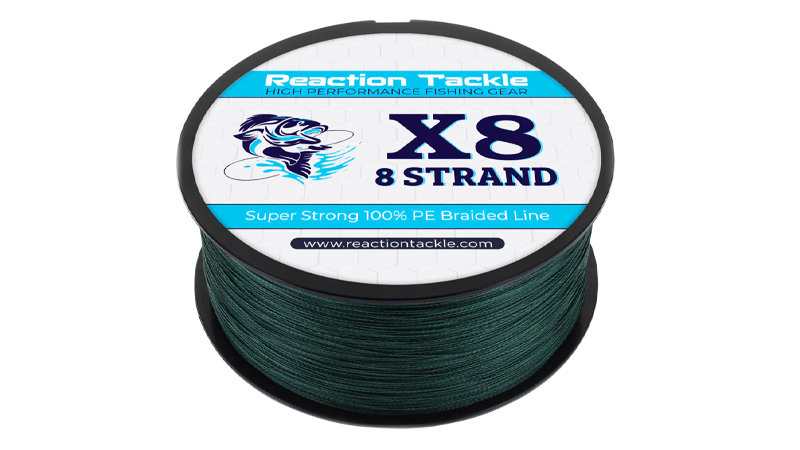

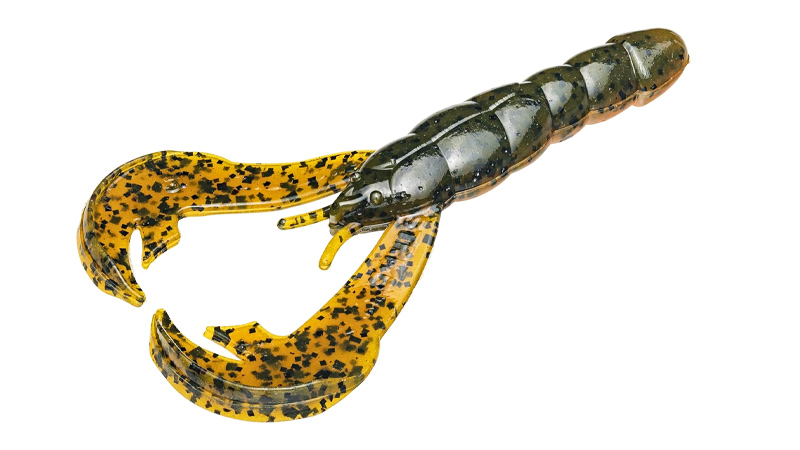

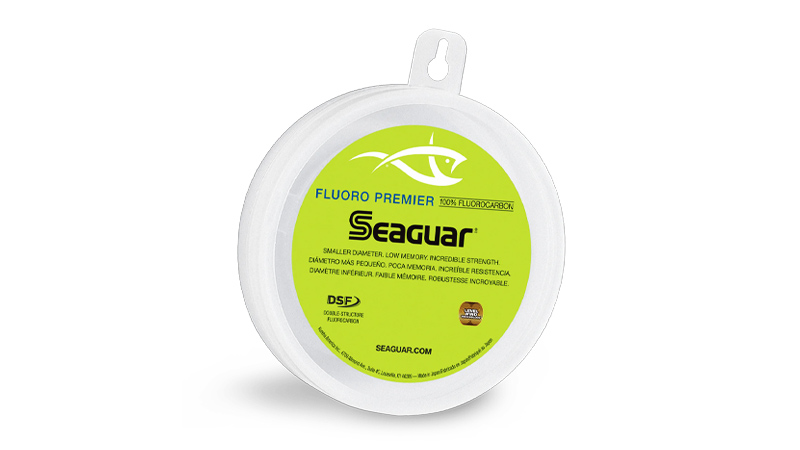


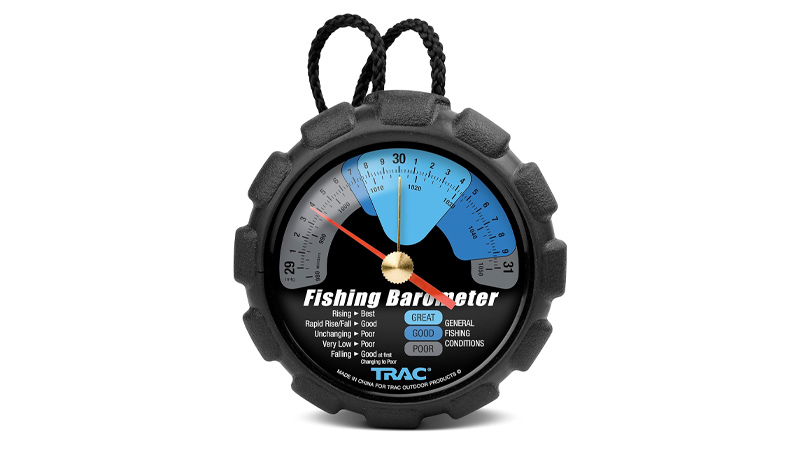

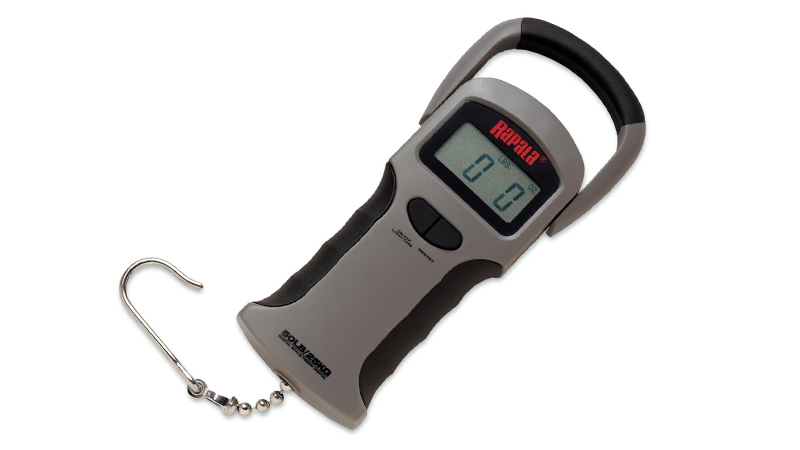
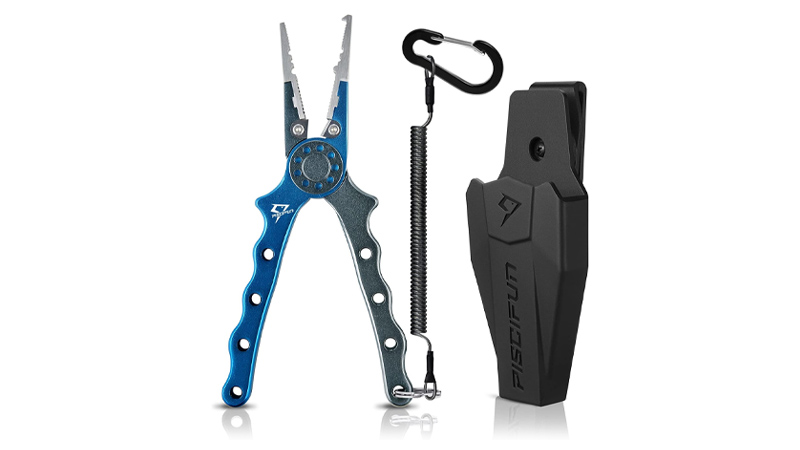


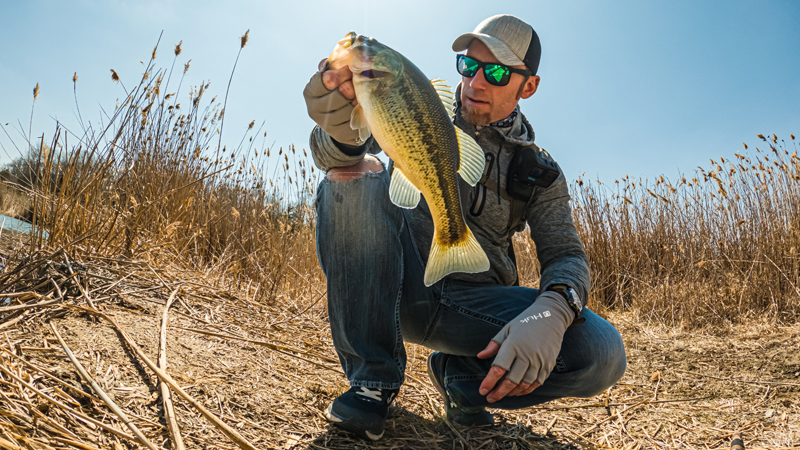
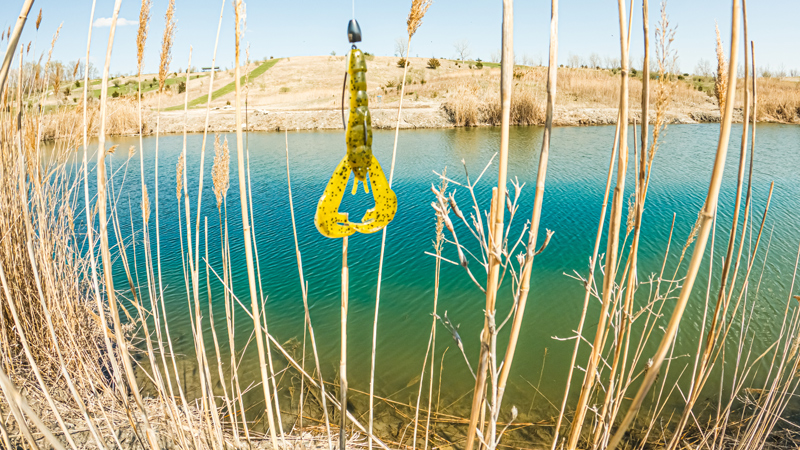


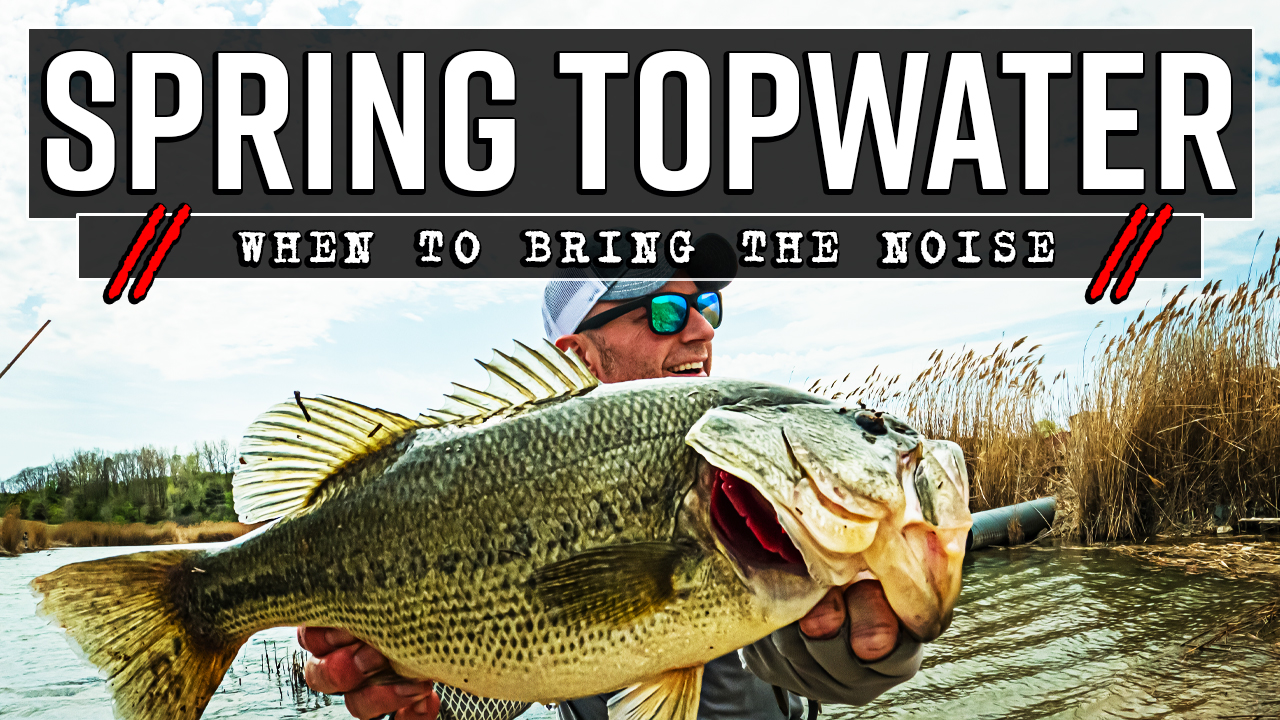

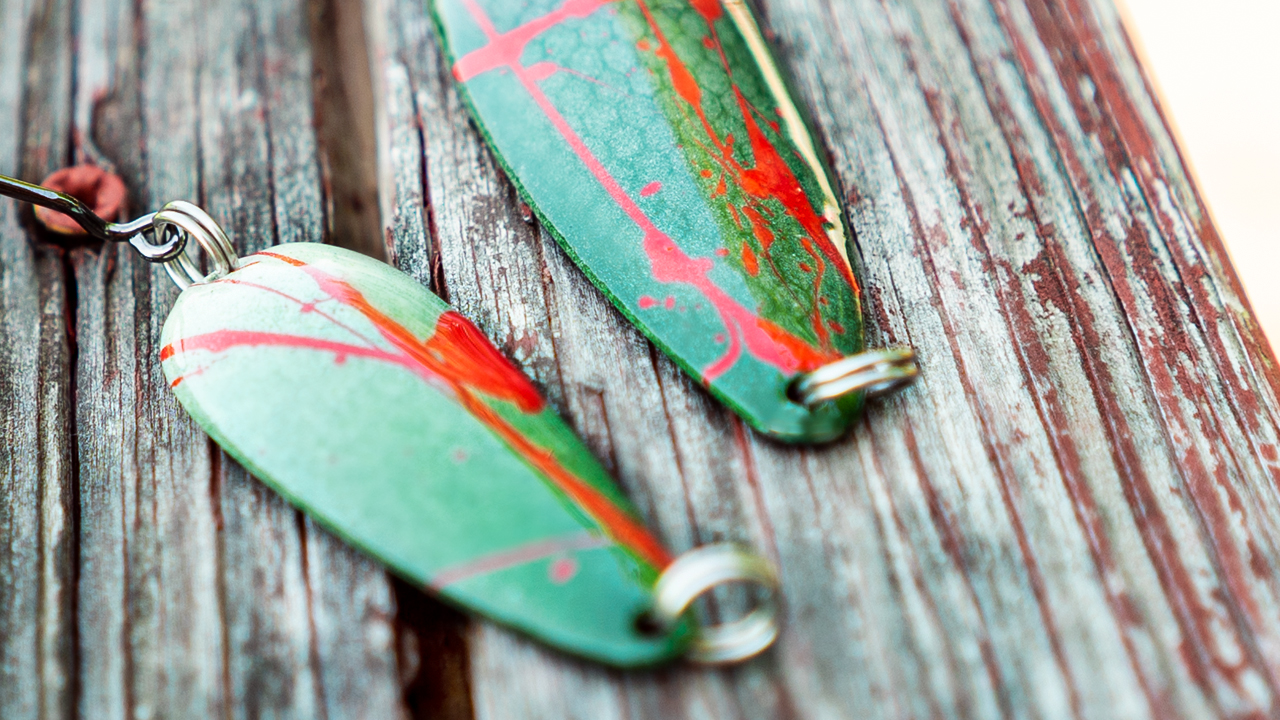
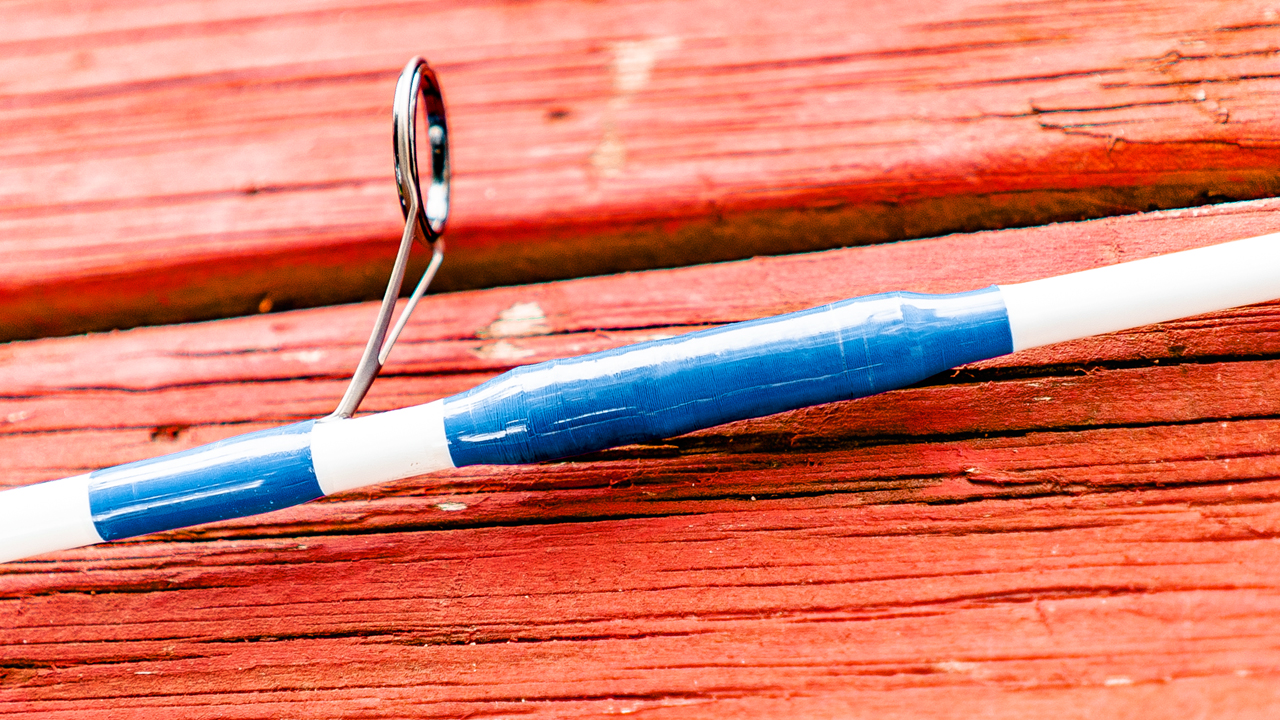


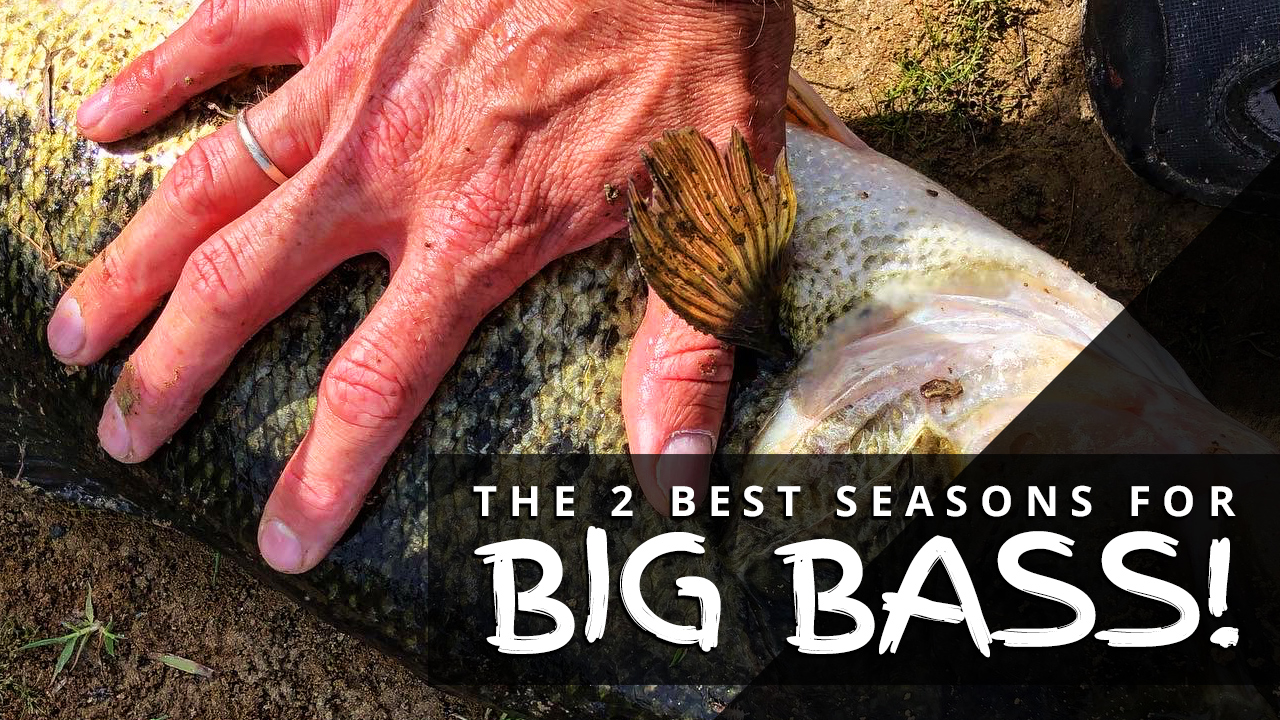
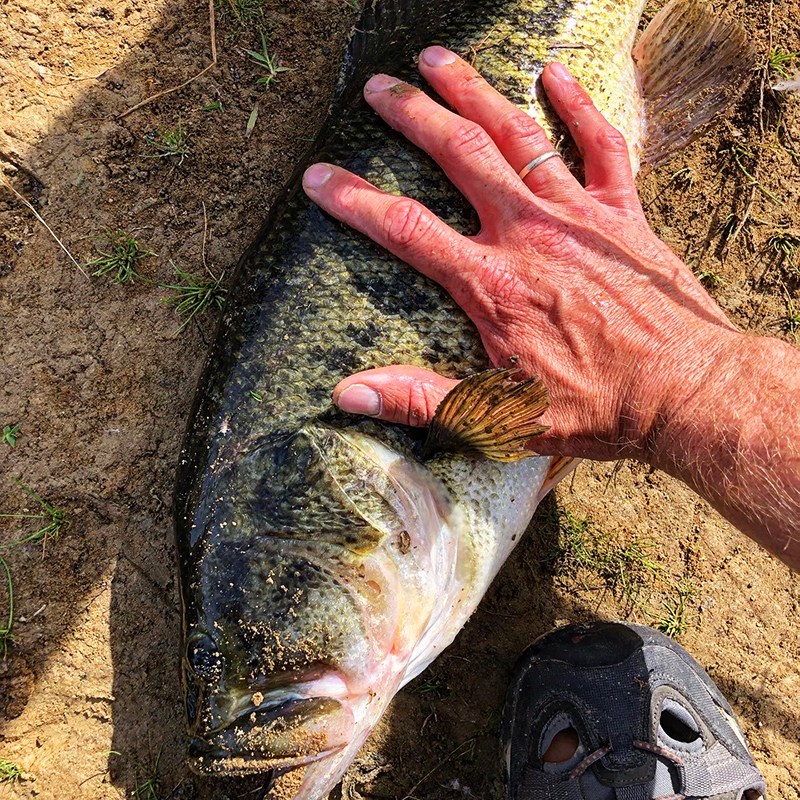
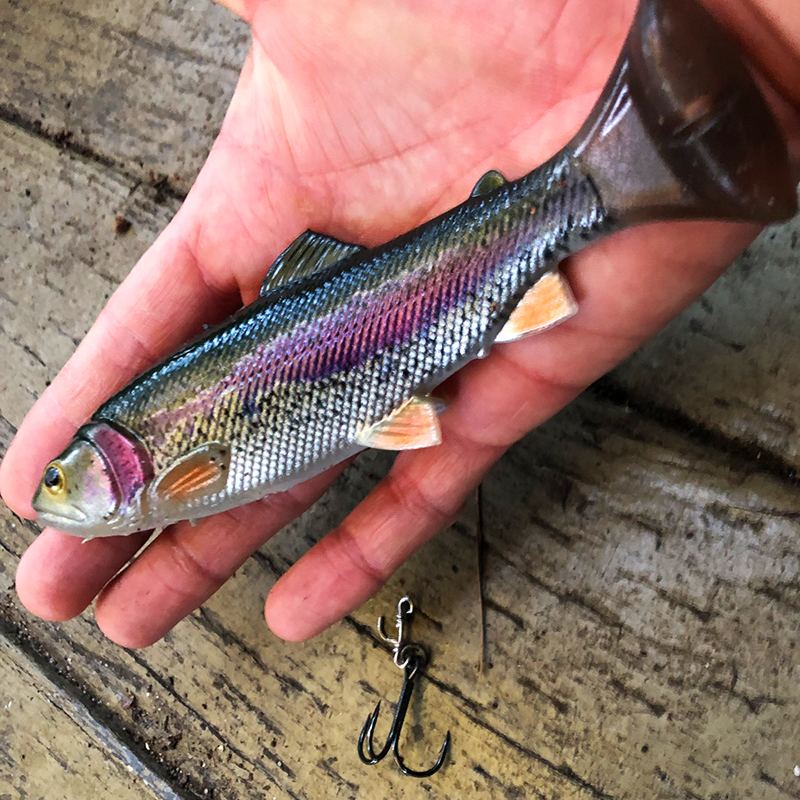
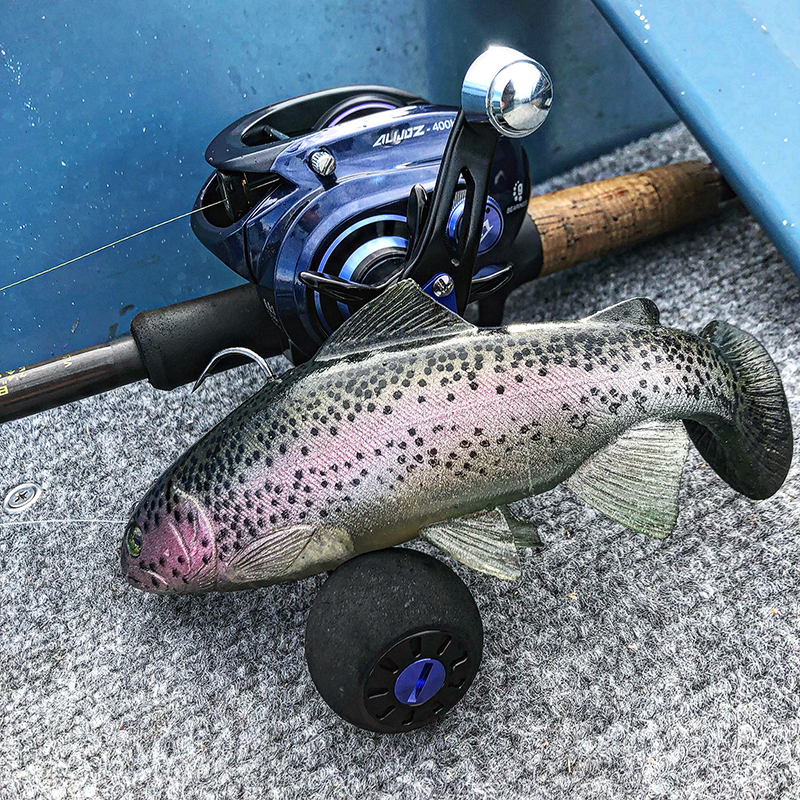
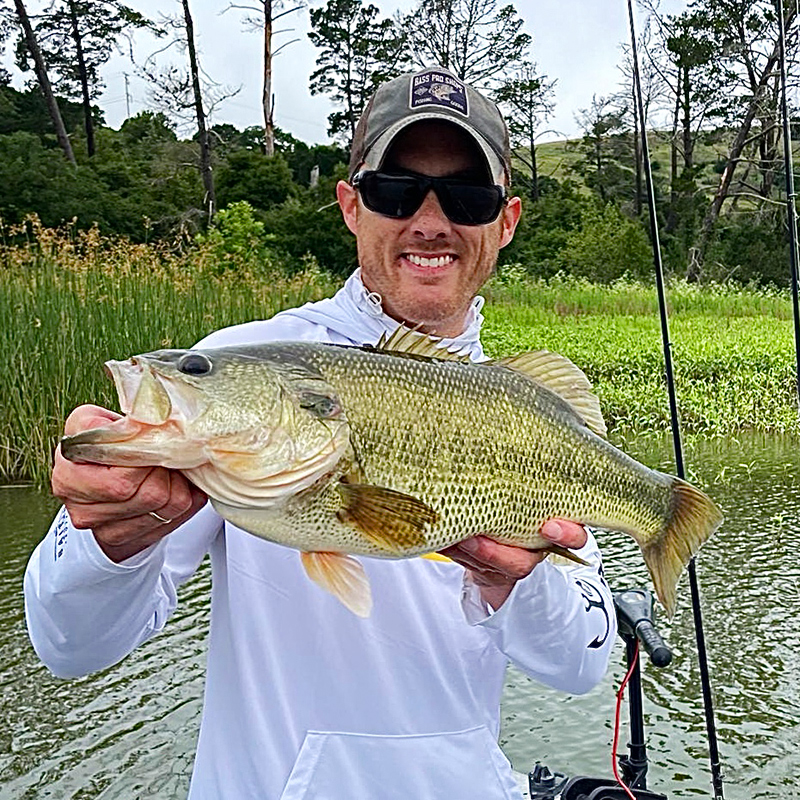

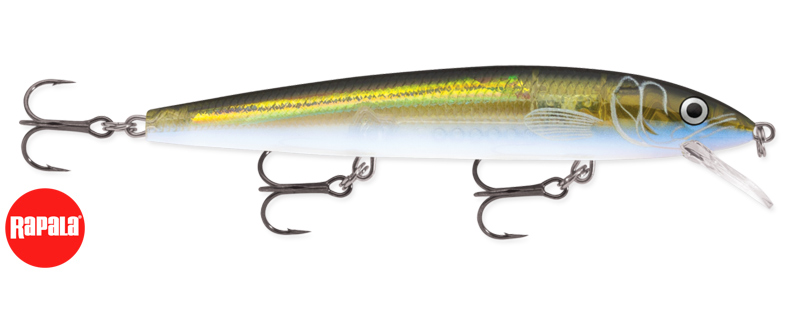


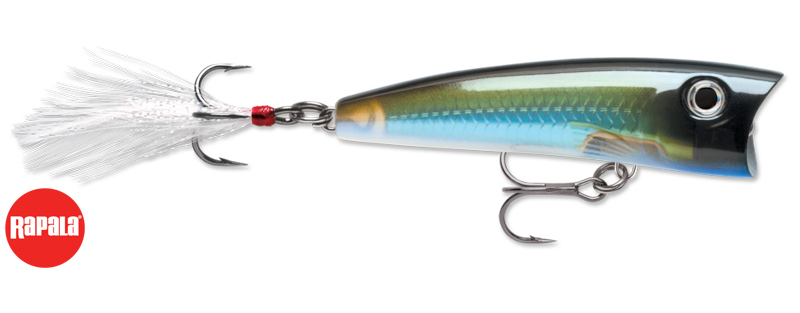



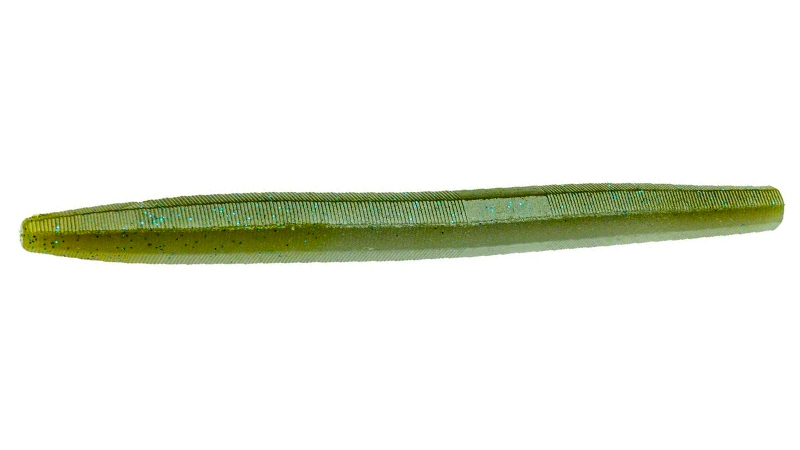


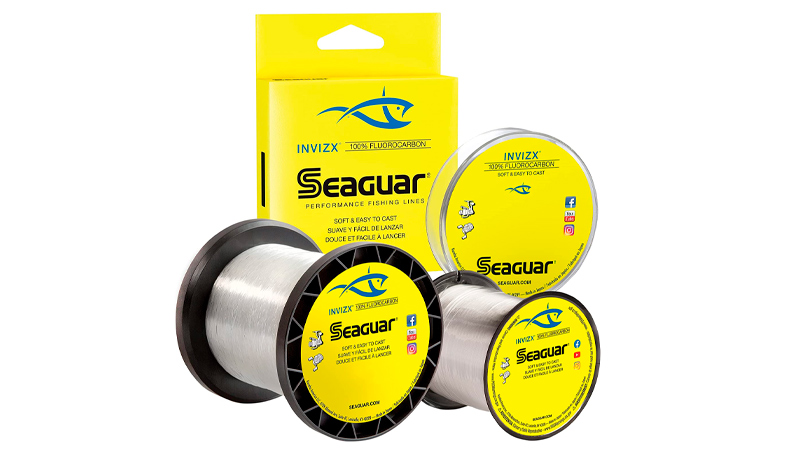


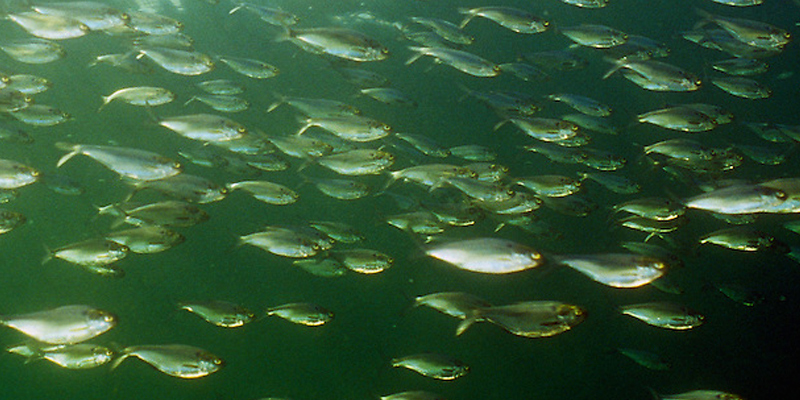




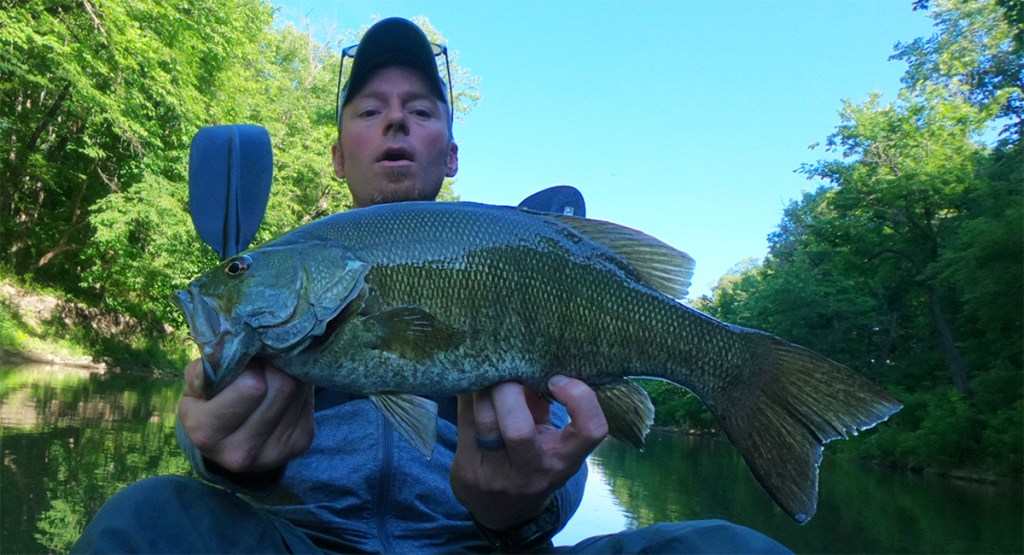


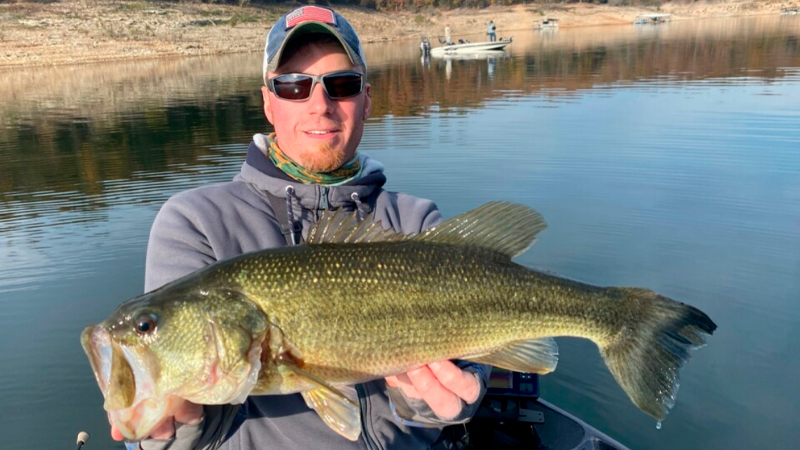


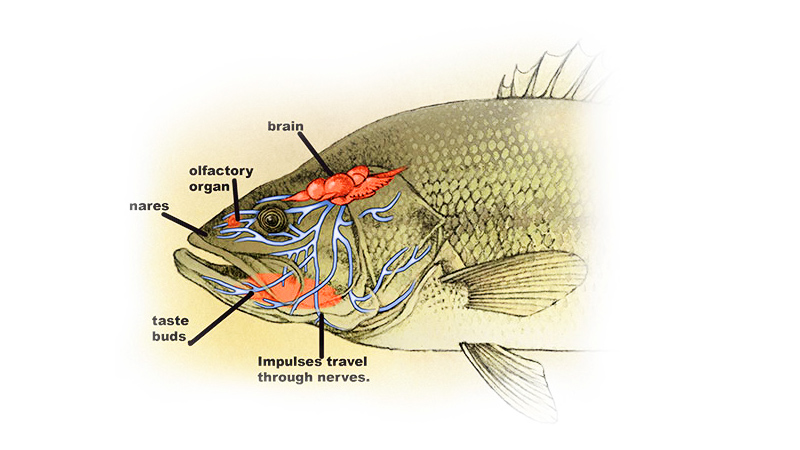


What do you think?