
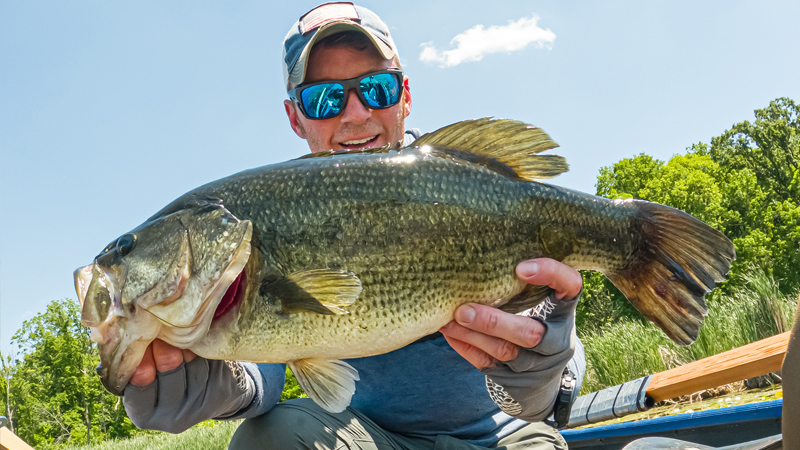
If you are here looking for a largemouth bass recipe, we’ll need to do that in another article. Today we’re going to discuss how bass taste things in the water.
Their sense of taste is even more close-range than their sense of smell. Taste receptors reside on their lips & mouth. However, compared to other species, bass have relatively few taste receptors. They only taste something after grabbing it.
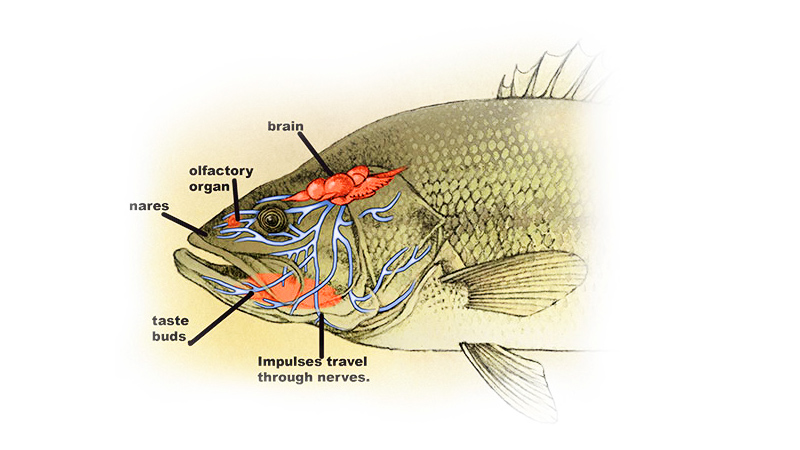
Largemouth bass, walleye and pike have taste buds centered around their mouth & lips.
Carp have taste buds centered around their mouth and lips, and especially their barbels.

Catfish have taste buds centered around their mouth and lips, and especially their barbels, but also distributed over their body.
(This begs the question: when we hold catfish… are the actually tasting us? That’s kinda weird…)
Taste is a close-range sense for bass, but that doesn’t make it unimportant. In fact, after a bass hears, feels or sees your presentation and decides to grab it, it is taste that helps them decide whether or not to hang on.
Whether or not it’s food.
Scuba divers have reported seeing bass inhale and exhale soft plastics so quickly, anglers didn’t feel anything. The same with crankbaits. If a bass decides to hold on to your presentation a bit longer, you will have a better chance of setting the hook and landing the fish.
This means that scent, or attractants you can add to lures probably have more to do with taste than smell. They also mask your human taste & smell.
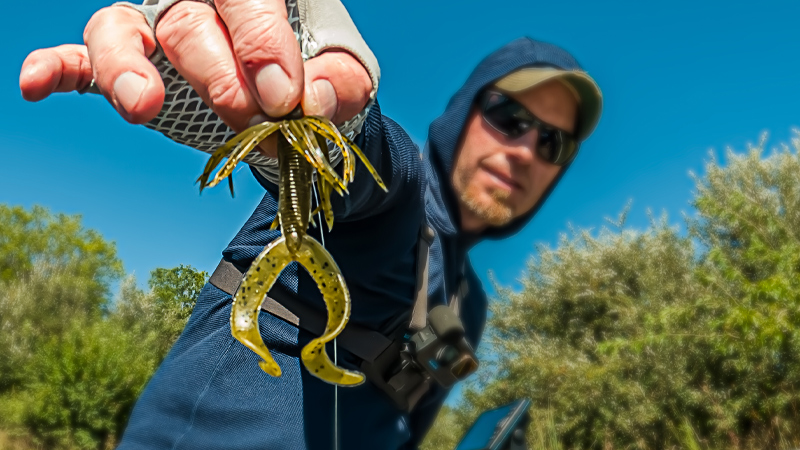
The simplest attractant is salt. When salt is added to plastic baits, it makes them less translucent, they become heavier and can sink a bit faster, and they give the bass something to taste when it they grab on.
Personally… I do not like to fish with plastics that don’t have salt in them (at the very least). Other scents are fine, garlic is popular, so are other “baitfish” or “crawdad” scents – but I have a hard time tying on plastics that just taste like… well… plastic.

Plastic doesn’t exist in the wild. It doesn’t taste like food.
Berkley has been testing amino acids and biodegradable baits for years, but these baits can be more rigid and less stretchy than plain plastics.
Still… why not give yourself the best possible chance with added scent?
That’s a separate topic for another day…
For now, just take this information and combine it what you have already learned about how largemouth bass see, how they feel, and how they smell.

Tight Lines & Godspeed, Patriots.

Get Articles & Videos First
Catch More Fish Than Your Friends. Laugh At Their Tears.





Thank You For Your Support
Your support directly funds the creation of weekly articles and videos that promote the development of better anglers and better men. Our country (and our kids) need both. Please share this site, and consider a monthly, weekly, or one-time donation. You are helping us make a difference!
















Leave a Reply to Gary FultzCancel reply