Category: Fishing Advice, Gear & Techniques

Theories, knowledge, advice, physical gear and hardware (DO NOT include baits – not sure about RODS & REELS).

  • Midwest Smallmouth Strategies (Early Spring Bass Fishing)

    Midwest Smallmouth Strategies (Early Spring Bass Fishing)

    Good morning brothers. I’ve got the itch. 

    No, not one that requires a cream or ointment or a salve… I got bass itches. 

    (You should see the looks I get while scratching in public…)

    It’s March here in Illinois. We’ve had a few warm days, and when that happens, the creative juices get to flowin’. The mad dash to clean up all of the fishing equipment that was strewn about in different “I’ll do that later” piles has begun. We’re in full swing, baby!

    Wait. Piles?? Shouldn’t a MINIMALIST Fisherman have very little gear??

    Great question. I have less gear than ever before, but minimalist fishing is a system, not a destination. It’s the ongoing process of optimizing what you have. We test new gear of course, but only keep the best of the best and discard the rest. This keeps us lean. It keeps us efficient. It keeps us deadly.

    While I can’t wait for some big fat heifer largemouth, right now, my sights are set on bronzebacks. When you consider all of the differences between these distinct fish, they’re more like distant cousins than brothers, and my goal today is to lay out the groundwork for targeting Midwest smallmouth effectively in the spring.

    Let’s get some.

    pit quarry fishing smallmouth bass clear jon boat
    Pit bass caught from the jon boat on a simple must-have jig setup

    What Triggers Smallmouth Bass Movement

    Before we can catch the fish – we have to find the fish.

    As I mentioned above, areas that can be insanely productive one day can be completely void of life the next. Smallmouth bass are not afraid to move – and they move a lot. If a system is unobstructed by dams or ultra-shallow riffles smallmouth have been known to move 50 miles or more. But what triggers that movement, and how can we use it to our advantage?

    Well, it depends on the type of water we’re fishing.

    I catch smallmouth bass in nearby strip pits, creeks and rivers. Here, they coexist with largemouth, but you won’t find smallmouth in our shallow lakes and ponds, especially if there is floating muck present. Largemouth simply dominate these areas. But in water with current (rivers & creeks) or rocky, boulder-filled pits that drop to depths of 40 feet or more, smallmouth can flourish. In fact they seem to do better than largemouth in areas with current, and in the pits, they will inhabit the deeper depths.
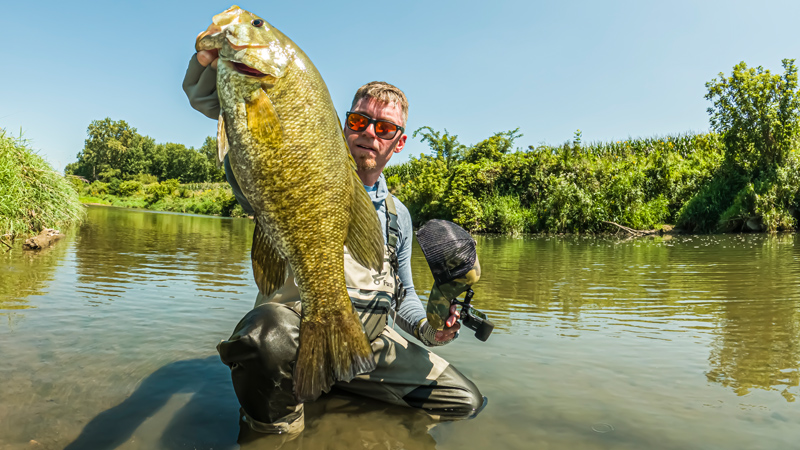
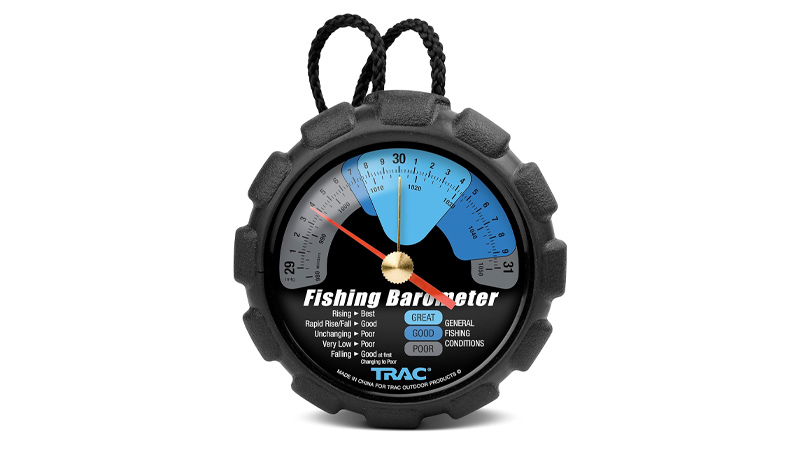
    aj hauser minimalist fisherman smallmouth river bass strike king rage craw
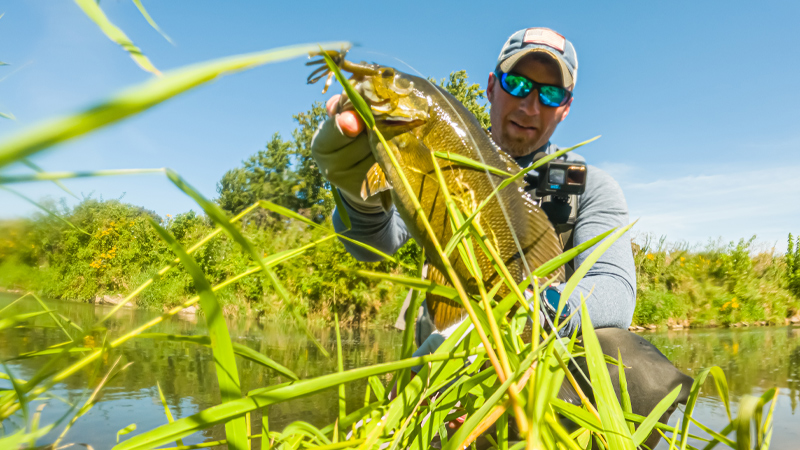
    Rivers can produce big smallmouth all year long if you have the right tools

    But they don’t just stay in one spot all year. They move.

    I’ll give you an example… there is a creek by my house where I have landed some absolute bruisers. It empties directly into a large river. I’ll fish 3 miles up from the mouth of the creek and back, from ice out to late fall… but while reviewing my notes from the last 5 years, it seems I only catch BIG fish in May and June. Sure I can catch fish in the creek most of the year, but the BIG fish are only present for a brief period of time. WHY?
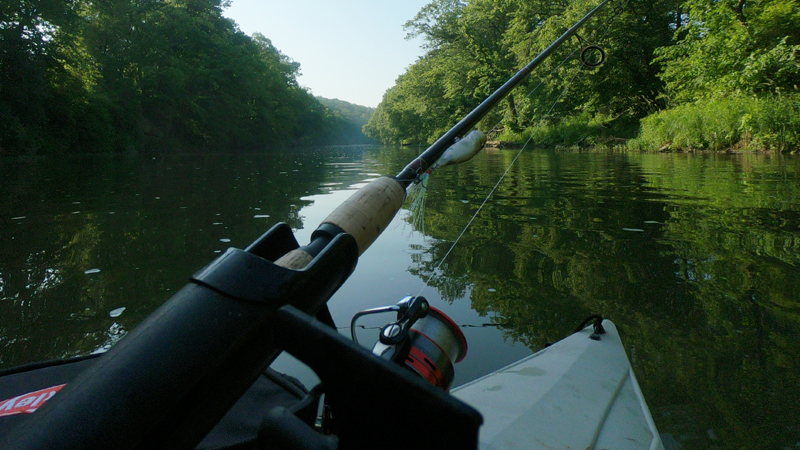
    Illinois Creek Fishing Kayak Sunrise Morning Calm Water
    Late spring seems to be best… especially if there are bugs on the surface of the water (throw a popper)

    I always assumed it had to do with spawning. I figured when it was “time to spawn” they would “move up into” the creeks and smaller rivers. When the water reached a certain temp, when the days were a certain length, etc. While spawning is definitely a factor, another aspect I completely ignored was the water table and the amount of current pushing through the larger river system as a whole.

    When current increases and water levels rise, smallmouth will move to the source of that current. They’ll move up towards dams. Anglers will tell you the best time to fish a dam is when water is spilling over the top, bringing food and oxygenating the water below (especially during the heat of the summer). Dams are also one of the most dangerous and overfished areas on a river (they get fished all year long, and for good reason) so savvy anglers will find productive areas that hold less pressured fish downstream. Also note that the water above the dam has the poorest quality, with loads of silt and low oxygen levels.

    Increased current also prompts smallmouth to leave the main river channel and move into backwaters, up into smaller connecting rivers or – you guessed it – creeks. As the water levels stabilize, remember to fish anywhere current comes into the main river. There will be fish there (maybe even within a half-mile range). Don’t just take my word for it. Here’s Al Lindner and Dan Lindner talking about smallmouth bass movement in a river system (jump to 7:23 for a summary of conditions).

    Jump to 7:23 for a summary of conditions

    In the spring, we get melting snow followed by rain. This means higher water and more current. We also see the water beginning to warm up. Word on the street is that the magic temps for smallmouth pre-spawn into the spawn are 55° to 65°. They prefer sand, gravel & rocks, and spawning depth will depend on the maximum depth and clarity of the water. In my super-clear strip pits, I’ve seen them on beds that had to be 20 if not 25+ feet deep. The creeks are obviously shallower than that, with much lower visibility – especially when the current is really moving.

    The earliest smallmouth get their metabolism going is in the high 30s and into the low 40s. Some river bass guides actually consider this prime time for smallmouth. Fish deep water near flats where smallmouth can congregate waiting to come up and spawn. The theory is that during this stretch, every bass in the river is thinking the same thing as long as the weather remains stable: time to eat! Storms and dropping temps can shut the bite back down. As the water inches up into the 50s the bass can become scattered. The biggest fish will move up onto those same flats and spawn anywhere from 10 to 25-feet deep, and spawning will typically continue through 65°.

    This is different than largemouth, who usually spawn when the water is 60° (with stable conditions) and begin to disperse around 70°. I do not prefer to target spawning bass, but if I see them I’ll usually cast to them and grab a quick pic before a careful release.

    Combine all of these elements and it’s clear why my big bruiser smallmouth pay me a visit in the creek, but don’t overstay their welcome. This year, I want to find them sooner, stick with them longer as they move in and then out of the creeks and smaller rivers, and catch more and bigger bass.
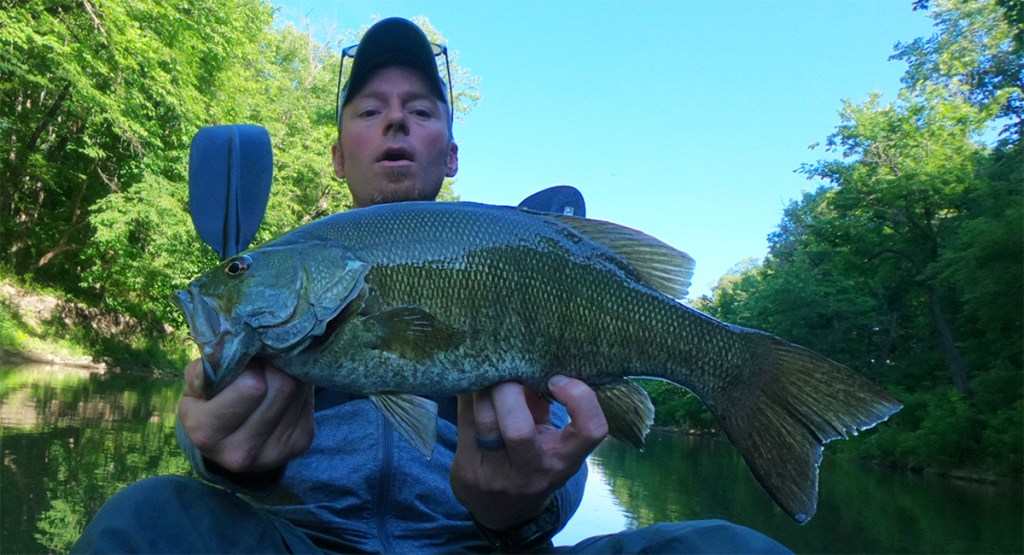
    Pop 'n Drop Creator AJ Hauser with a Beautiful Smallmouth Bass
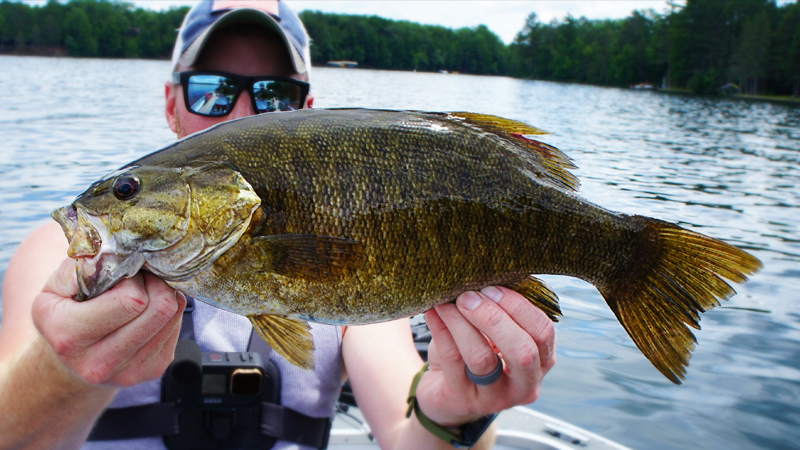
    A beauty caught less than a mile from the mouth of the creek in late June on a Pop ‘n Drop

    As the weather continues to warm and the water levels recede, smallmouth will exit the creeks and backwaters and make their way back into the primary river in a system. They instinctively know when the water level is dropping. The amount of fluctuation that matters is different on every body of water. Remember, bass generally “move up” as waters rise, and “pull back” as it falls.

    So, here’s how you can catch more of them…

    Track Rain, Water Levels & Temps CONSTANTLY

    The first thing we need to do – before we rig a rod – is track the conditions.

    This can be done without leaving the house, although I’d suggest a hybrid approach. In this example, I’m going to be looking for data near The Fox River in Illinois, since it’s one of the initial places I’ll be exploring.

    1. First, make a note on your calendar every time it rains
    2. Next, head over to the USGS website and pull up rainfall data
    3. Click into a nearby rain gauge graph and check the last 30 days
    4. Look at the real-time stream flow data in your state
    5. Check current & historical depth / height information on the hydrograph
    6. Look at the peak data if it is available
    7. Predictive data for the region may also be available
    8. Check the closest water temperature gauge (last 60 days if possible) and any other nearby gauges
    9. Drop an actual thermometer in the water every time you’re out and about, then log the results

    This process seems confusing, but it’s actually quite simple. As you begin to collect your own data (like rain times and local water temps) and compare it with the data provided on the sites listed above, you can start to paint a pretty good picture without leaving the comfort of home. One area that is a bit tricky for me, however, is the water temperature gauges…

    You’ll notice my Illinois River water temp link goes to a “legacy” page, because I can’t figure out how to get the “modernized” page to actually display temperature data at all. I can’t find a temperature gauge for the Fox River which is why I’m looking at the Illinois River. Even though it’s significantly larger, they connect. My second link shows the Illinois River again, in a different location. While this is somewhat helpful, taking a thermometer out to collect real, site-specific data is the superior method.

    Pay close attention to the gauges that show the historical and current height of a river as well, especially as a safety precaution.
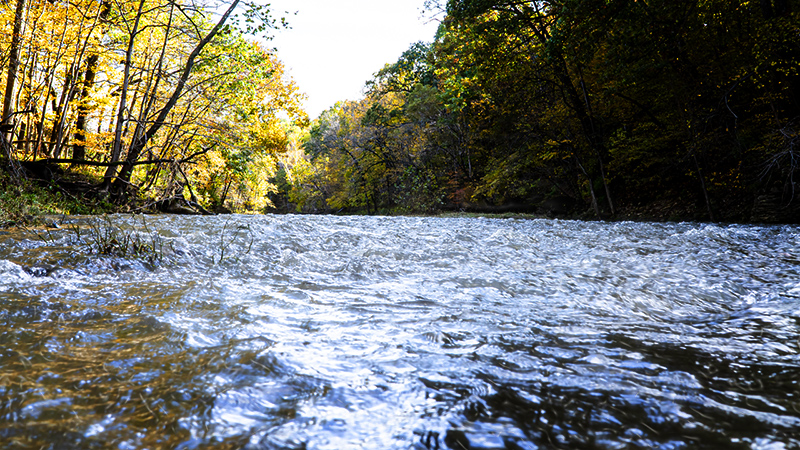
    flooded illinois stream creek
    When the water is high, it can be flat out dangerous
    rocky creek shoreline low water illinois
    This pic (same stretch of creek) shows just how many jagged rocks were hidden by high water

    Start tracking your own data now – and continue all year. Combine your data with whatever else is publicly available and plan your trips accordingly. You’ll be glad you did.

    Go Catch Some Spring Smallmouth!

    With our due diligence completed – it’s time to fish!

    Let’s consider fishing two distinct types of smallmouth habitat. Water with current (creeks & rivers) and deep, clear pits. You’ll notice I didn’t link to any public gauges for the pits I discussed earlier. That’s because there aren’t any. I have to rely on my temperature notes from years past, and new measurements in the field.

    As you consider these presentations remember that smallmouth bass rely more on sight and smell to feed. Largemouth rely more on vibration and sound. You’ll likely catch more largemouth bass in the early mornings, late evenings, or on overcast or rainy days. These are low light situations where largemouth are more likely to venture out from cover. Smallmouth can see better on bright, clear days. They are also (usually) more willing to travel a long distance to strike a lure, so periods of higher visibility (even later in the day when it’s slick calm) can be surprisingly productive.

    This is one reason why schooled-up smallmouth can have such a violent reaction to extremely vibrant, unnatural colors like “clown” or pink or orange or everyone’s favorite: chartreuse. It’s also why you’ve probably noticed certain flats that are dead in the morning seem to come alive later in the day, especially if it’s sunny.

    Largemouth and smallmouth are very different animals.

    We’ll be keeping it simple but leaning on 3 specific, highly-productive presentations, with 1 alternate:

    1. Pop ‘n Drop
    2. Subsurface Search Bait
      • Dark Corner Custom Squarebill
      • Rebel 4″ Slow-Sinking Tracdown Minnow
    3. Swimbait
    4. Hula Grub

    Fortunately for me, all of these presentations are already present in my Clear Water Base Box.
    largemouth bass fishing 80 20 rule bank fishing
    The 80/20 Rule & the Clear Water Base Box

    The Pop ‘n Drop

    The Pop ‘n Drop is a smallmouth bass killer. It consists of a floating popper (like a Rapala Skitter Pop) with the rear treble removed and a 10-pound fluorocarbon dropper line attached in its place. Dropper length depends on the depth you plan to fish, but 18″ is a good starting point. Attach a lightweight wacky hook to the dropper line and add your favorite 3″ or 4″ stickbait. Ochos are almost too heavy, but Dingers are almost too light. I’ll use both at times. If your popper has no problem staying afloat, you can add a frog hook (or double hook) where the rear treble was removed.

    If the water is above 55° I’ll make a long cast on braided line (which floats), and begin twitching my rod tip, causing the popper to spit water. The stickbait then pendulums, sinking slowly behind. If smallmouth are active, they will destroy your popper. If they are a little reserved, they will inspect, but opt for the stickbait. You’ll see your popper *BLOOP* backwards underwater – it’s like bobber fishing, except your bobber has hooks and you’re imparting action into it.

    Cadence? Work it slow, then try it fast. At higher speeds it looks like the stickbait is chasing a meal, which can get nearby fish fired up!

    Pop 'n Drop Finesse Topwater Technique by AJ Hauser
    Pop ‘n Drop
    pop n drop floating bullet float bobber stop
    Bass candy

    This is a great option in both clear and stained water, especially when searching for fish.

    Subsurface Search Baits

    As we move subsurface, I’m going one of two ways. In the creeks and rivers I’ll grab a moving bait that makes a bit more commotion, like a Sonic Side KO Squarebill in Matte Green Craw that runs 2 to 6-foot deep. If I notice any crayfish with blue in them (which we find along some of our shallow city lakes with lots of riprap) I’ll change to the Sonic Side KO Squarebill in Matte Blue Craw.

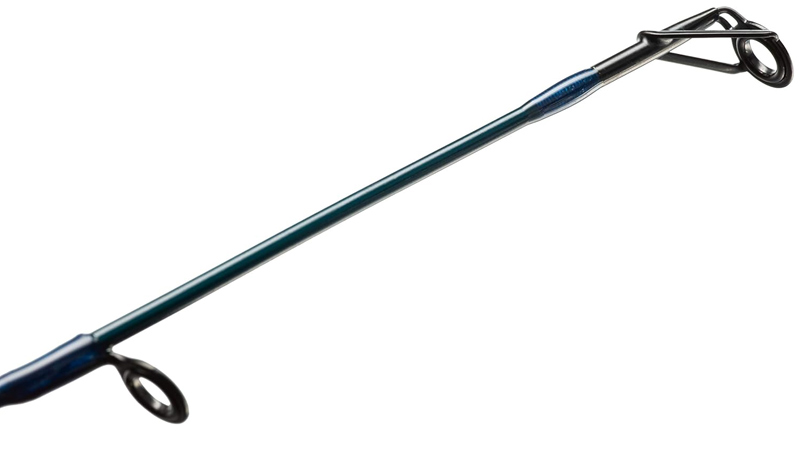
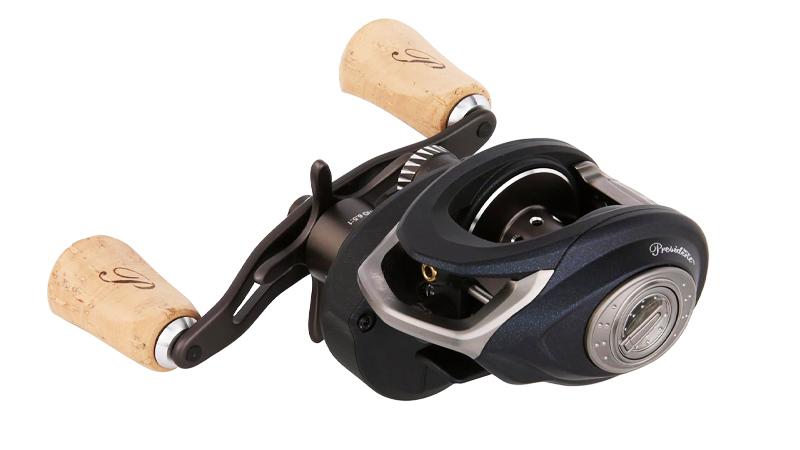
    These look awesome and they’re customized by a company called Dark Corner Custom Crankbaits. The owner (Blake Paff) designed a few custom jerkbaits for me that will come into play later this year… oh, the stick? A 7-foot Lightning Rod paired with a Pflueger President XT baitcaster and 12-pound Reaction Tackle mono. Sweet. Not too expensive. Plus it provides a nice little rubber-band effect.
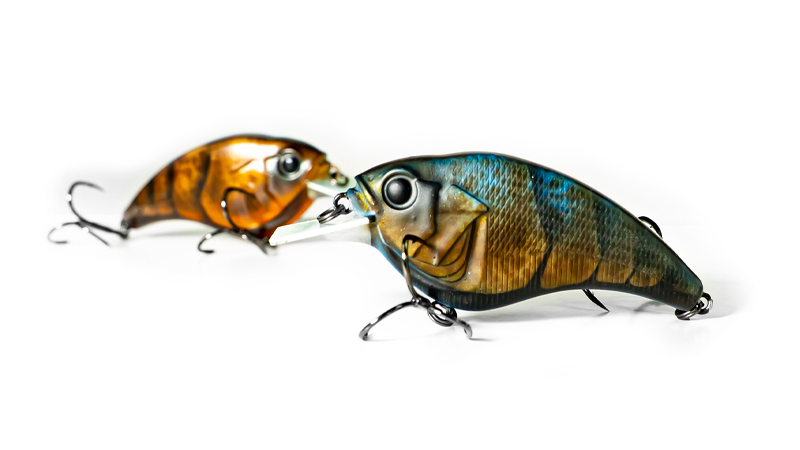
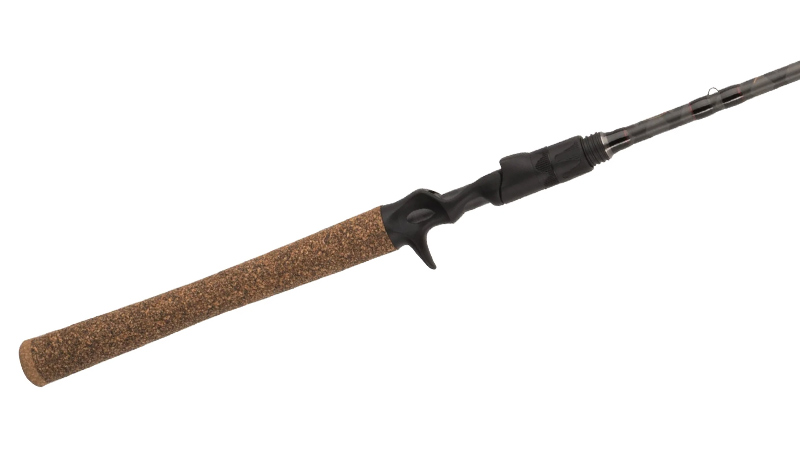
    dark corner custom crankbaits
    Dark Corner Custom Crankbaits

    If I’m fishing a deep, clear borrow pit, I’ll swap this crankbait out for either a deep-diving jerkbait, or a slow-sinking jerkbait like the Rebel Tracdown Minnow. I’m not sure if they still make the 4″ version, but I have one, and this will help me get deeper and put my bait in front of fish down along the big boulders peppering the steep sloping bottom.
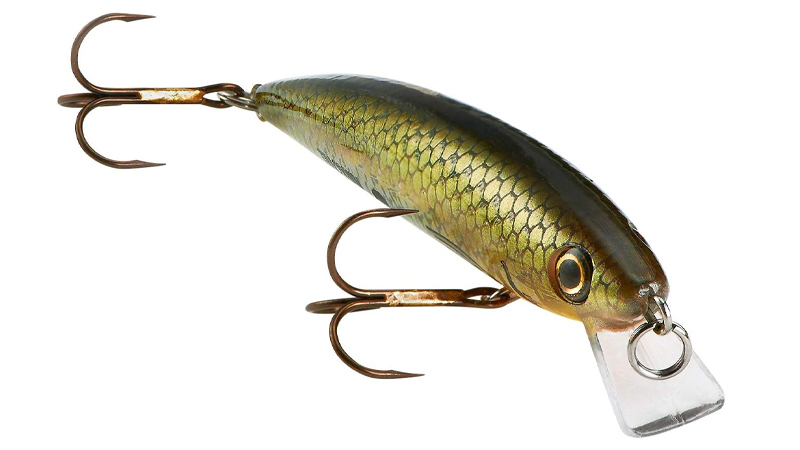
    rebel slow sinking tracdown track down minnow jerkbait
    The Rebel Tracdown Minnow is a slow-sinking jerkbait

    I’ll pair this with a responsive spinning combo, and straight 8 or 10-pound fluorocarbon.

    The Storm WildEye Swim Shad

    Next, we’ll grab a swimbait that will allow us to cover water and get down even deeper. Casting a swimbait out and letting it sink to the very bottom, they slowly reeling it back so it doesn’t rise up in the water column, can be a wildly productive technique.

    Storm Wildeye Wild Eye Swim Shad Swimbait
    Storm Wild Eye Swim Shad

    The WildEye Swim Shad comes pre-rigged. Tie it on. Cast it out. Reel it back with a no-nonsense retrieve. Aside from paying very close attention to your depth, it’s a straightforward presentation.

    Down & Dirty with a Hula Grub

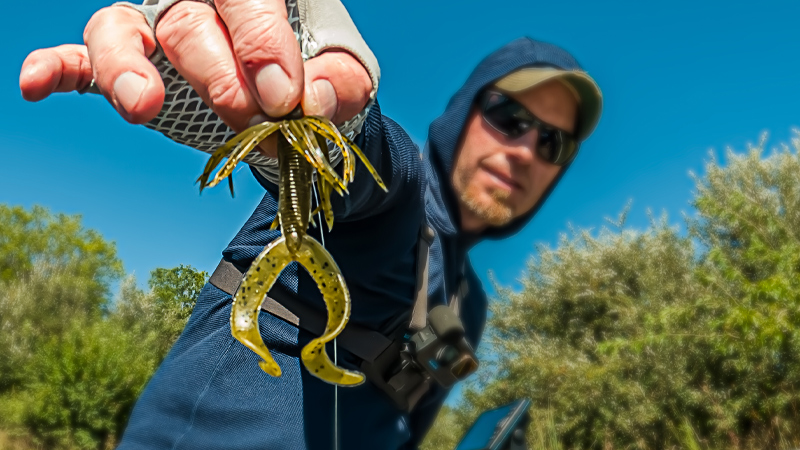
    Finally, I’ll want to take something with a bit of bulk that gets all the way down to the bottom and stays there. My friend Dan Brozowski at Midwest Outdoors told me about this little bait right before the end of last season. I used it to catch largemouth. Then smallmouth. They both love it. The twin-tail grub has a molded skirt attached to a solid body. Thread it onto a plain football head jig if you’re around rocks, or a slender shaky head jig if you want a more compact profile.
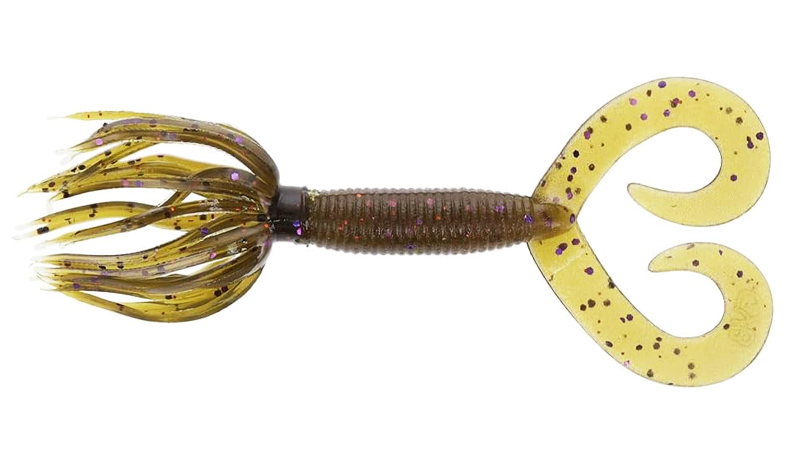
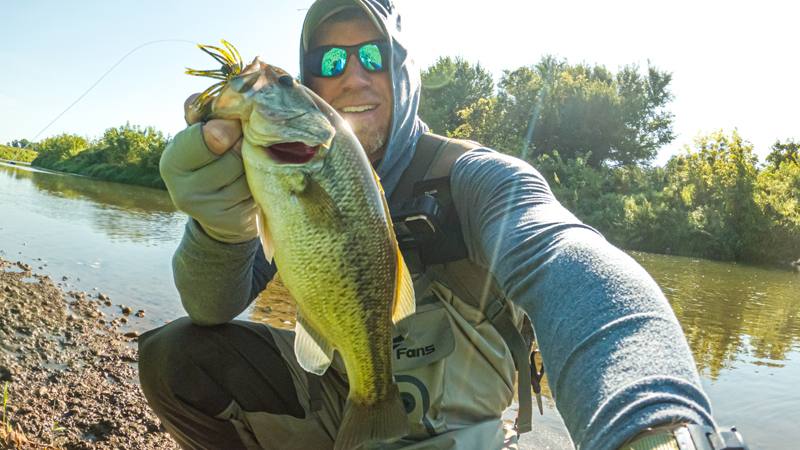
    yamamoto hula grub skirted plastic
    The Yamamoto Hula Grub that Dan Brozowski told me about

    Rig this up on a spinning combo and go to work at multiple depths. Just remember if you’re fishing around a lot of rocks and current, consider upsizing your line, or fishing with braid to a quality 20-pound fluorocarbon leader. Yes, you read that correctly.

    If crayfish are present, smallmouth will absolutely destroy this bait, especially as the water continues to warm. Up until about 40° river bass are believed to be more “baitfish oriented,” but as temps climb the entire food chain starts to become more active. Around the mid-40s if crayfish are on the menu, smallmouth will take full advantage.

    You should, too.

    When do Big Smallmouth STAY in Creeks?

    In some rivers & streams the local smallmouth bass are year-round residents.

    This can even be the case in small creeks, if you fish a stretch that is many miles away from the connecting river. You can still contact bass in the bends and deep holes that likely attracted them earlier in the season. I’ve caught some fatties as late as October near where I live.

    Illinois Creek Fishing Smallmouth Bass Raining Rainy Poncho Overcast Cloudy
    A big fat October smallmouth

    This productive stretch was well over 6 miles from the mouth of the creek. It was also surrounded by several extremely shallow riffles that prevented the fish from completely leaving for the winter. In order to fish this area I had to hike miles and miles against the current in frigid water (this was before I owned waders, so I was in shorts, which was beyond stupid) while a nice, frosty drizzle gave me a good soak.

    Again, I did find good bass, along with a bunch of No Trespassing signs… so… between that and the hypothermia, I won’t be going back. But if you have (legal) access to a stretch of creek that has similar attributes, bundle up and check it out. The bass I found will be year-round residents, unless they get uppity and jump those riffles next time the creek floods.

    The Plan for Fishing Midwest Smallmouth Bass in the Spring

    So that’s the plan. Is it perfect? Nah. But it’s better than anything I’ve ever come up with before. That’s the point. That’s the goal. Constant improvement isn’t a destination; it’s a process. While the 5 presentation options are very important, I am finally beginning to understand why the heavy-hitters at In-Fisherman, Midwest Outdoors, and other educational (not sensational) publications focus so much on finding the fish first & foremost.

    Creek Fishing in Illinois: Huge Smallmouth Bass at Dusk
    It’s almost time for smallmouth fishing in the Midwest, and I can’t wait

    It’s fun to play with new baits, but when it comes to fishing: if you can’t find ’em, you can’t catch ’em.

    Let’s keep getting better.
    Tight Lines & Godspeed, Patriots.
    Callout Section The Minimalist Fisherman Midwest Bass Fishing Blue Banner Background Migration
    The Minimalist Fisherman Father Son Bonding Better Anglers Better Men

    Thank You For Your Support

    Your support directly funds the creation of weekly articles and videos that promote the development of better anglers and better men. Our country (and our kids) need both. Please share this site, and consider a monthly, weekly, or one-time donation. You are helping us make a difference!

    TMF Small White Logo
  • The 2 Best Seasons for Big Bass (and How To Catch Them)

    The 2 Best Seasons for Big Bass (and How To Catch Them)

    Good evening brothers.

    The following article was sent to me by my friend Jason Kaefer over at Wild Outdoor. We’ve been talking for a while about sharing experiences and articles back and forth, which is a great idea. After all, a rising tide lifts all boats. If you would like to discuss contributing to TheMinimalistFisherman.com feel free to get in touch! -AJ

    The 2 Best Seasons For Big Bass And How To Catch Them

    Jason Kaefer where to catch big bass 2 best seasons
    Jason Kaefer and his big, fat bass.

    Are you ready to catch the biggest bass of your life but don’t know where to start? Learning the many techniques and variety of fishing gear necessary to become a good bass angler can be difficult. But targeting giants is basic. It only comes down to a handful of lures and techniques and two seasons to focus on. Don’t get me wrong, you can find and catch big bass all year, but there are two periods when your chances are highest – when giants are easiest to catch.

    Understanding Bass Behavior

    When it comes to fooling the biggest fish on the lake, you better have a good presentation. Bass see countless lures and presentations, roaring boat engines and disruptive wakes, loud banging of boat hatches, and other fish being caught. They may even experience being caught a few times themselves. This learning process gradually develops into cautious behavior. They learn the movements of a jig or swim bait, knowing at some point as it reaches that dark shadow on the surface that it gradually pulls up and disappears.

    Other bass learn to spot heavy lines or an out-of-place food source. Suppose they survive starvation over time and disease, larger predatory fish, stress-related illness, cold winters, drought, lampreys, river otters, osprey, eagles, hook-related injuries leading to infection, or end up on an angler’s wall. In that case, they become too smart to catch. But not impossible. The odds of surviving beyond incubation are stacked against them, much less growing to 15 lbs. So the ones who make it through nature’s filter system are unique.

    Spring Pre-Spawn

    Spring marks the beginning of bass migration from deep water to shallow water, which often occurs when water temperatures reach 60 degrees. Big bass will follow migration routes and “stage” on areas like main lake points. The purpose of this is to allow smaller males (bucks) to search for potential bedding sites for females. This is when bass fishing is at its best.

    Big females are full of eggs, moody, and much easier to trick. It’s believed that their eyesight adjusts slowly as they rise closer to the surface. Anglers use a variety of lures this time of year including crankbaits and chatterbaits in red as this color pops out. It’s also the best time for double digits you only hear of during dock talk. One way to target these giants is to use big swim baits like the Huddleston Rainbow Trout and Savage Gear Line-thru rainbow trout.

    Jason Kaefer where to catch big bass 2 best seasons
    Savage Gear Line-thru Rainbow Trout

    Big swim baits and glide baits are good presentations for targeting giant fish. The best time to use them is typically when water temperatures reach 60 degrees. Target rocky points on the outside of inlets and backbays. Fish along rock walls and shorelines that lead to marinas. You can speed up your retrieve this time of year so that your swim bait follows the mid-water column. Giant largemouth will stage in these areas before heading to spawn, relating to wood, metal, and rock. Riff raff is a good place to find bass that are moving up shallow because they often hold crawdads and heat.

    Gear to Use

    When throwing big swimbaits, it’s all about good flexibility, strength, and stretch. An 8 ft Medium-heavy or Heavy power rod with a long, solid handle and good bend is best for 2-5 ounce swim baits. 20-30lb fluorocarbon will provide a better stretch and all of this combined when casting will allow you to fling your bait out without snapping your line or backlashing.

    Jason Kaefer where to catch big bass 2 best seasons
    Heavy gear is a must.

    Winter

    Winter is the second best time to target the biggest fish on the lake. Many anglers put bass fishing on hold until spring, focusing on deer season and family. Others hate the cold weather. This leaves the lake empty – no boat traffic, loud music, or water skiers. You have the whole lake to yourself. It also gives the bass time to reset. The environment has gone silent after a year of the same lures whizzing past them and the noise of boats blasting above. It’s a perfect time to bass fish, as long as you can tolerate the cold weather! However, you need to understand bass behavior and where they go during this time.

    Where Do Bass Go In Winter?

    During winter, bass head for deeper water and sit on rocky bottoms. They may suspend or rise to shallower water on warm days. It’s useful to have a decent sonar to locate their position. Follow bait balls (if possible ) on your sonar. You can also look for pelicans and other diving birds along the shorelines, which is usually a good indicator. Big bass will hang along the sides of bait fish or below. Bigger bass often take the best locations during winter like steep slopes that create ambush points, drop-offs, and ledges. This makes it predictable when trying to locate them. You won’t get many bites in winter and it’s a grind. But that thump that follows a long day of no action will be well worth it.

    How To Catch Big Bass In Winter

    The key is to slow down in winter. Whether you’re fishing giant swimbaits, glide baits, or dragging a jig, fish as slowly as possible. Bass will slowly rise to the occasion by the allure of a slow twitch jerkbait or a swimbait crawled along the bottom. But only if it moves slowly enough.

    Fish have an internal sense of calorie gains and depletion. They lose calories chasing down prey and may spend it all for nothing if that prey item gets away. Cold water bass also lack the motivation to move quickly as their bodies shut down in response to a slowing metabolism. Thus they don’t move, and they eat very little. This is why winter is such a good time to fish giant baits. It presents a meal packed with calories and moves slowly enough for a giant bass to catch it.

    You can use the Huddleston 8″ trout swim bait and slowly swim it along the bottom. Maintaining contact with the bottom is key during this time – if you can feel the bottom, you’re in the strike zone. Remind yourself to slow down and even dead-stick it at times. A lethargic 8″ trout barely moving provides a perfect feeding opportunity for the largest fish and is worth the energy spent moving over to it.

    Final Thoughts

    Spring and winter are the two best seasons for bass fishing. You can easily put high numbers in the boat or target the biggest bass of your life. You can target them with giant swim baits and glide baits. But other notable lures include big jigs and spinner baits. Remember to fish slow and deep in winter and speed up in spring while targeting secondary points and shallow water cover and structure.

    Jason Kaefer where to catch big bass 2 best seasons
    The author with yet another chunky specimen. Tight lines!
  • Ebike Fishing (Best Ebike for the Money)

    Ebike Fishing (Best Ebike for the Money)

    Good morning brothers.

    It’s been a minute. As we close in on the (bitter, cold, dark) end of 2024, I find myself following the traditional year-end routine. Reviewing notes. Looking at stats. Checking to see what fishing goals were achieved, and dreaming about setting new goals for 2025.

    It’s a beautiful, never-ending cycle. One that I love. It’s also a nice distraction.

    A few weeks back, my younger brother passed away. My family is crushed (to say the least). November flew by. It was like being in a trance. Each day mushed together with the one before. I told our boys, the days leading up to the funeral will be a blur. It’s going to be a complete whirlwind, and after the dust settles we will find ourselves standing there, alone, 1 man down.

    This has come to pass.

    I have an archive of videos to edit. The surplus was something I considered deleting, just starting fresh this coming season, but now… now those videos are invaluable. Vaughn didn’t fish with me as much as I wanted, but he did fish with us from time to time.

    Tiger Muskie in Wisconsin - Vaughn Hauser
    Vaughn and his infamous tiger muskie on “the spoon,” a black perch Daredevle that he never took off.

    This summer, the boat will seem a little light. Dad and I will continue to fish. We’ll have too much room. Won’t be bumping into anyone. Perhaps it’s time for my boys to join us more often? Probably. But even if they do, we’ll be standing there, fishing, 1 man down.

    We would do anything for just one more trip.

    Scott Hauser Aluminum Boat
    Dad, Zach, AJ & Vaughn at Grandpa’s Place in Wisconsin

    But we have to keep moving. It’s what Vaughn would have wanted, and though my heart is heavy, I rest my sadness at the feet of the cross. I pray he is with the Lord, and I take comfort in the fact that he is no longer suffering in this fallen world.

    The days go on. We all take steps. We stay busy. We look ahead.

    Still, every evening when the house is finally quiet, I find myself in the dark kitchen, staring at a digital picture frame that cycles through hundreds of family photos. Many include my brother. A few go by… there he is. A few more, there he is again. Holding Fish. Hugging kids. Smiling at my parents. Sitting by a fire. Laughing with me. Joking around with my wife…

    … and I just stand there, broken & sobbing, 1 man down.

    Love you brother. Godspeed.

    Speaking of taking steps & moving ahead…

    There was a new little toy that changed my fishing options last year – an ebike. Specifically, the Rattan Quercus. Odd name. Odd looking. You’re asking yourself… “how in the heck does a freaking BIKE help with FISHING?”

    Great question.

    Let me tell you…

    Ebike Fishing Rattan Bass Largemouth
    The Rattan Quercus is a super-practical ebike that opens up a new bass fishing opportunity for anglers with limited time.

    Where I live, there are several canals that run for hundreds of miles. I’ve fished many areas along the way in…

    … my kayak and…

    Kayak Largemouth Bass Fishing

    … my jon boat.

    Jon Boat Largemouth Bass Fishing

    But canal access is somewhat limited when you consider how many fishable miles there are. It takes a long time to paddle long distances to explore new areas. However, with an ebike, I can rip through many unproductive miles quickly (even along paths that don’t allow motorized vehicles) stopping only when I come across a pool that looks fishy.

    Ebike Fishing Rattan Bass Largemouth
    Find a place that looks good? Park the Rattan Quercus, pull out some gear from the satchel, fish it for a bit, then pack up, go and repeat the process. This is a great way to quickly find productive water from the bank!

    Hop off. Fish it. Catch something? Stay. Don’t catch anything? Leave.

    Repeat.

    At the end of this season, I scheduled two different trips on the ebike. Let me tell you… I caught a few good fish on day one…

    Ebike Fishing Rattan Bass Largemouth
    Enjoy a ride on the Rattan Quercus, park, fish, catch a few, repeat. My best on day one went 2 pounds.

    But day two, that was when I found a killer little honey hole 10 miles from where I started, sporting crystal-clear water and good shoreline access, absolutely LOADED with unpressured bruisers!

    Ebike Fishing Rattan Bass Largemouth
    A nice, fat 3-pounder. The first fish I caught on my second ebike fishing trip. That’s a good sign!

    I recorded both days so that I could share them with you:

    Ebike Fishing for FAT LARGEMOUTH BASS

    Using my Rattan Quercus to catch FAT BASS

    Bank Fishing Secrets: Catch MORE LARGEMOUTH BASS

    A Rattan Quercus breakdown and real-world use scenario

    Here’s a collection of pictures from the trips.

    One of the things that we always need to do is find ways to make the most of our limited time. If bank fishing is something you love – look for tools that can help you move around faster and with less effort, like what I’ve outlined here.

    If you do, you can enjoy more casts, more fish, and more fun.

    Learn more about the Rattan Quercus (along with other models) over at the manufacturer’s site.

    Tight Lines & Godspeed, Patriots.

    Go hug your people.

    Callout Section The Minimalist Fisherman Midwest Bass Fishing Blue Banner Background Migration
    The Minimalist Fisherman Father Son Bonding Better Anglers Better Men

    Thank You For Your Support

    Your support directly funds the creation of weekly articles and videos that promote the development of better anglers and better men. Our country (and our kids) need both. Please share this site, and consider a monthly, weekly, or one-time donation. You are helping us make a difference!
    TMF Small White Logo
  • Catch MORE BASS with The 80/20 Rule (not what you think…)

    Catch MORE BASS with The 80/20 Rule (not what you think…)

    Good morning brothers.

    It’s raining here in the Midwest. Rained yesterday, too… and the day before that. Honestly, it doesn’t seem like it’s stopped raining this spring. At night the steady drip-drip-drip of droplets cascading off the gutters is calming. Peaceful. In the morning there’s splattering and pattering on the outer sill of the windows as the sun tries so hard to poke her head out from behind the clouds sitting right above the trees across the way. Bright orange colors sit just behind, as the thunder slowly rolls in and sporadic flashes of lightning remind me – you’re not fishing today.

    rainy window rain droplets office
    Hmmm…

    Frustrating, but we live in a world where turbulence seems to be the norm… so small breaks (even breaks that Mother Nature forces us to take) are a blessing.

    Soggy mornings like these are the perfect time to discuss simple improvements that anyone can make. Improvements that will help you catch more fish. I’m talking about The 80/20 Rule. No doubt you’ve heard about this ratio in some sense before –

    20% of the water holds 80% of the fish.”
    20% of the fishermen catch 80% of the fish.”
    20% of my tackle gets used 80% of the time.”

    Some will even bump these numbers up to 90/10. You can pick whatever ratio you prefer, but today we’re going to apply this rule in a slightly different way…

    Putting the 80/20 Rule to work In The Field
    Stars & Bars Fishing Subscribe Banner
    Click the banner to jump to Stars & Bars Fishing on YouTube.

    Apply The 80/20 Rule to Every Base Box

    Base-wha?

    Base Box.

    Callout Section The Minimalist Fisherman Midwest Bass Fishing Blue Banner Background Migration

    Over the years I’ve made many adjustments that help keep my on-hand tackle lightweight, compact and versatile. Minimalist. A Base Box is a single Plano container, pre-loaded with presentations that I have confidence in for a specific kind of fishing. Things I absolutely need to have for certain conditions. They’re always ready to go, so when ‘ol Billy Bob calls and says “BROTHER, LET’S FISH!,” I grab the appropriate Base Box, the Terminal Tackle Base Box, throw ’em in my backpack and head out.

    Fishing from the bank?
    Just take that backpack.
    Fishing from a friend’s boat?
    Just take that backpack.
    Fishing from your own boat?
    Just take that backpack!

    This helps me keep the clutter away. It keeps my mind clear so the focus is on catching fish, not organizing tackle. We’ve covered the Heavy Muck Base Box for targeting largemouth bass in thick cover, as well as the Wisconsin Bass Base Box for targeting smallmouth bass and other gamefish near Minocqua.

    This year I’m working on a Muck Kayak Base Box, a Clear / Creek Kayak Base Box, and some others, but today we’re talking about how applying The 80/20 Rule to my Clear Water Base Box helped me turn a slow day into a great one!

    AJ Hauser Illinois Pond Fishing Bank Snapping Turtle Texas Rig Hula Stick Largemouth
    First largemouth bass of the 2024 season.

    Spring Bass Fishing in the Midwest

    Here’s how the day went…

    I decided to start small. Small, shallow ponds and lakes can warm up faster than large, deep bodies of water. This can translate into more activity, and more bites. One such puddle nearby, affectionately dubbed Snapping Turtle Pond, is home to some big bass… and big snappers.

    AJ Hauser Illinois Pond Fishing Bank Snapping Turtle Texas Rig Hula Stick Largemouth
    Watch your toes!

    Not all bass spawn at the same time. Smaller, warmer lakes might be the earliest to see spawning activity. I don’t target spawners, but paying attention to the local calendar period will help you find active biters. For example, if a very small lake gets the postspawn blues, head to a larger lake and see if you can find prespawn fish looking to chow.

    The afternoon bite can be best in the spring. Midday, when the water is warmest and the sun is high in the sky, it’s not uncommon to experience the fish “turning on,” which means you don’t have to be up and out before dawn.

    Moving baits can work in cold water. I decided to start with a 3″ swimbait, and follow that up with a 4″ stickbait in a natural green pumpkin color. Here were some key items in my Clear Water Base Box:

    I fished for 2 hours without a bite. Tossed the swimbait, then the stickbait (again both in natural colors). These are confidence techniques for me… and they came up blank.

    The water was chocolate milk. Probably from all the recent rain and runoff. I even had a 12 pound fluorocarbon leader tied to my braid because I thought they were going to be able to see my line. Not the case… and actually, I don’t think they could see much of anything.

    Fortunately I had already applied The 80/20 Rule to my gear. 80% of my equipment was focused on clear water techniques. Natural colors, natural patterns, natural movement, small or invisible line, and exposed hooks. (Think crankbaits, topwater poppers, lipless cranks and natural plastics on jigs.) However, 20% of my equipment was focused on the exact opposite… and thankfully, I had the high-vis low-snag option you see here:

    AJ Hauser Illinois Pond Fishing Bank Snapping Turtle Texas Rig Hula Stick Largemouth
    “Here I come to save the daaaaaaaaaaaay…”

    A Coppertreuse Hula Stick (soaked in Dr. Juice attractant to mask human scent) on a Texas Rig with a Mustad Light Wire Grip-Pin hook and a 1/16 ounce tungsten Nako bullet weight. This saved the day, because the conditions were not what I expected!

    AJ Hauser Illinois Pond Fishing Bank Snapping Turtle Texas Rig Hula Stick Largemouth
    #2
    AJ Hauser Illinois Pond Fishing Bank Snapping Turtle Texas Rig Hula Stick Largemouth
    #3
    AJ Hauser Illinois Pond Fishing Bank Snapping Turtle Texas Rig Hula Stick Largemouth
    #4

    On my very first cast with the high-vis presentation, I caught a fish. Same thing happened on the second cast! We ended up catching five fish (and missing one) this afternoon, with four of them being right at or over the 2 pound mark. All bites came within a 40 minute window on the wind-blown side of the pond.

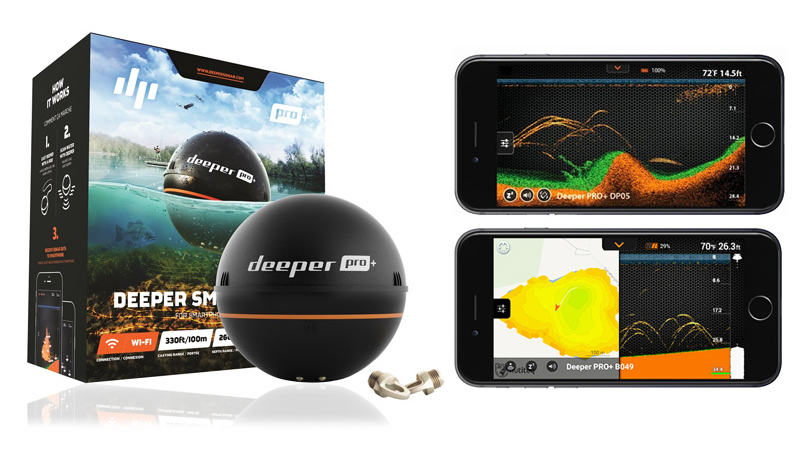
    I had almost given up. Even took a 30 minute break to map with my Deeper Pro+ Sonar to try to “salvage the awful day.” But it wasn’t awful. The answer wasn’t to quit – the answer was to adapt.

    If you apply The 80/20 Rule to your tackle, you’ll be more prepared for anything that comes at you, without needing to carry around the entire tackle shop. Take a minute to review what you have on hand, and maybe make a few changes.

    This can be the difference between a complete bust… or a great day of fishing!

    Want to go even deeper with 80/20 fishing? Check this video out:

    The Base Box Concept + The Best Way to Use The 80/20 Principle

    Tight Lines & Godspeed, Patriots.

    Callout Section The Minimalist Fisherman Midwest Bass Fishing Blue Banner Background Migration
    The Minimalist Fisherman Father Son Bonding Better Anglers Better Men

    Thank You For Your Support

    Your support directly funds the creation of weekly articles and videos that promote the development of better anglers and better men. Our country (and our kids) need both. Please share this site, and consider a monthly, weekly, or one-time donation. You are helping us make a difference!
    TMF Small White Logo
  • Illinois Topwater Bass Fishing (Post Spawn)

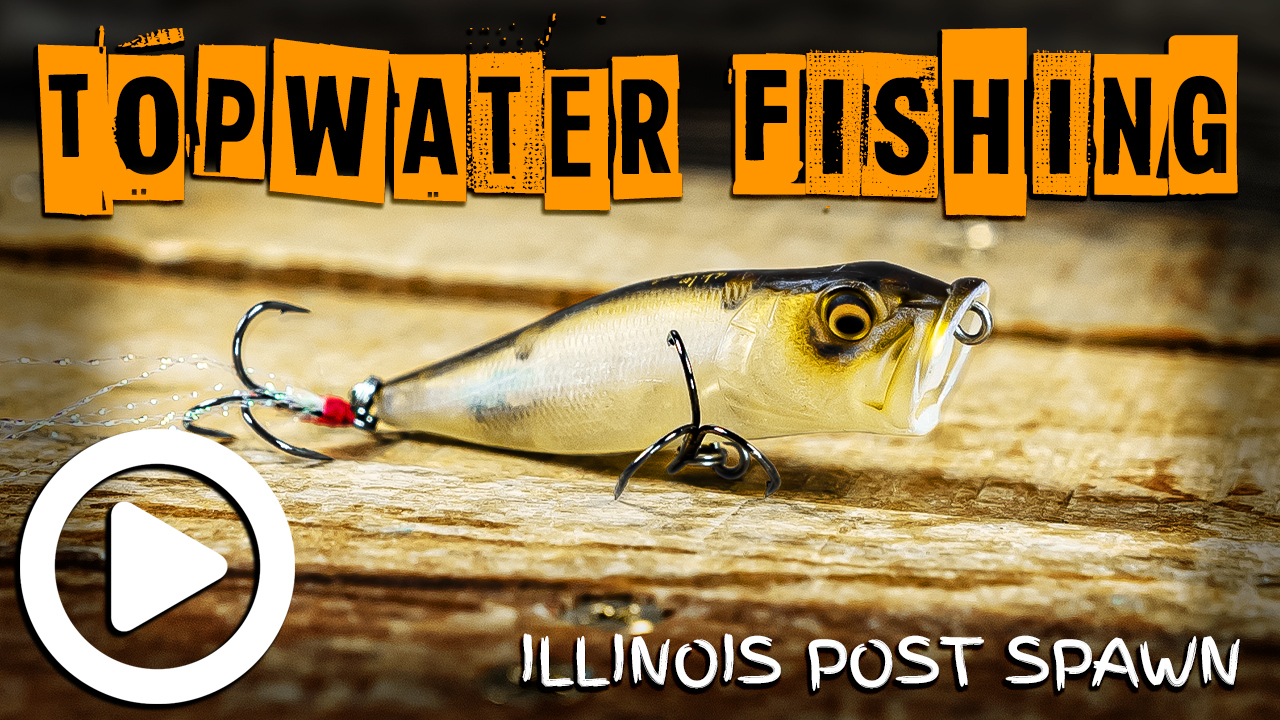
    Illinois Topwater Bass Fishing (Post Spawn)

    Good morning brothers.

    The Post Spawn Period, I have come to learn, is surprisingly unique. Bass can have an insane case of lockjaw, and at times they simply will not bite even when you can see them peppered throughout the shallows.

    This is frustrating.

    Bass can also be insanely active during this time (if you catch them on the right day) striking anything that crosses their path.

    This is exhilarating.

    A quick online search shows that the Post Spawn Period usually gets a bad rap… however, if you look just a bit further than the top 1, 2 & 3 results on the ‘ol Googlebox, you’ll find that many anglers seem to love fishing during this time.

    What gives?!

    Here’s a secret about fishing: if you find a guy that loves something, you can easily find another guy that hates that same thing!

    This is a great truth of the universe.

    It never fails.

    If Guy A swears by BAIT X, you’ll quickly find another guy that swears BAIT X NEVER WORKS!

    Guy A will tell you the XYZ Period is BEST, while Guy B swears the XYZ Period makes fishing IMPOSSIBLE!

    Guy A LOVES bed fishing, Guy B says it WRECKS the fishery!

    Pour Coca-Cola on their gills?!
    Fizz ’em before release?!
    No bananas in the boat?!

    confused cat gif
    “I… whuh??”

    You get the idea… but without a doubt, right after the spawn there is typically a period where bass need to recuperate. During this time the bite can slow dramatically. However, as largemouth begin to move to their summer haunts, they’ll begin to put on the feedbag… this can lead to some ridiculously fun days on the water… like this:

    Illinois Topwater Fishing: Post Spawn
    Stars & Bars Fishing Subscribe Banner
    Click the banner to jump to Stars & Bars Fishing on YouTube.

    On top of that, in larger lakes and reservoirs it is possible to find areas where the fish are actually in different phases even though they are technically living in the same lake. They could be post spawn in the northern part of the lake, while still spawning in the southern part. They could be slamming moving baits in the north, while requiring a slooooowed doooooown approach in the south.

    If that’s the case, you’ll want to tie on a few good “soaking baits.”

    Test this on your lake this spring, and don’t forget to target transitional areas (like the first major point outside a spawning flat) in the reverse order the fish would have used them when they moved in to spawn. OH! Keep your eyes peeled for bluegill beds too… those honeycomb patterns along the bottom can mean an easy meal… and some nearby bass lurking in the shadows…

    Tight Lines & Godspeed, Patriots.

    Callout Section The Minimalist Fisherman Midwest Bass Fishing Blue Banner Background Migration
    The Minimalist Fisherman Father Son Bonding Better Anglers Better Men

    Thank You For Your Support

    Your support directly funds the creation of weekly articles and videos that promote the development of better anglers and better men. Our country (and our kids) need both. Please share this site, and consider a monthly, weekly, or one-time donation. You are helping us make a difference!
    TMF Small White Logo
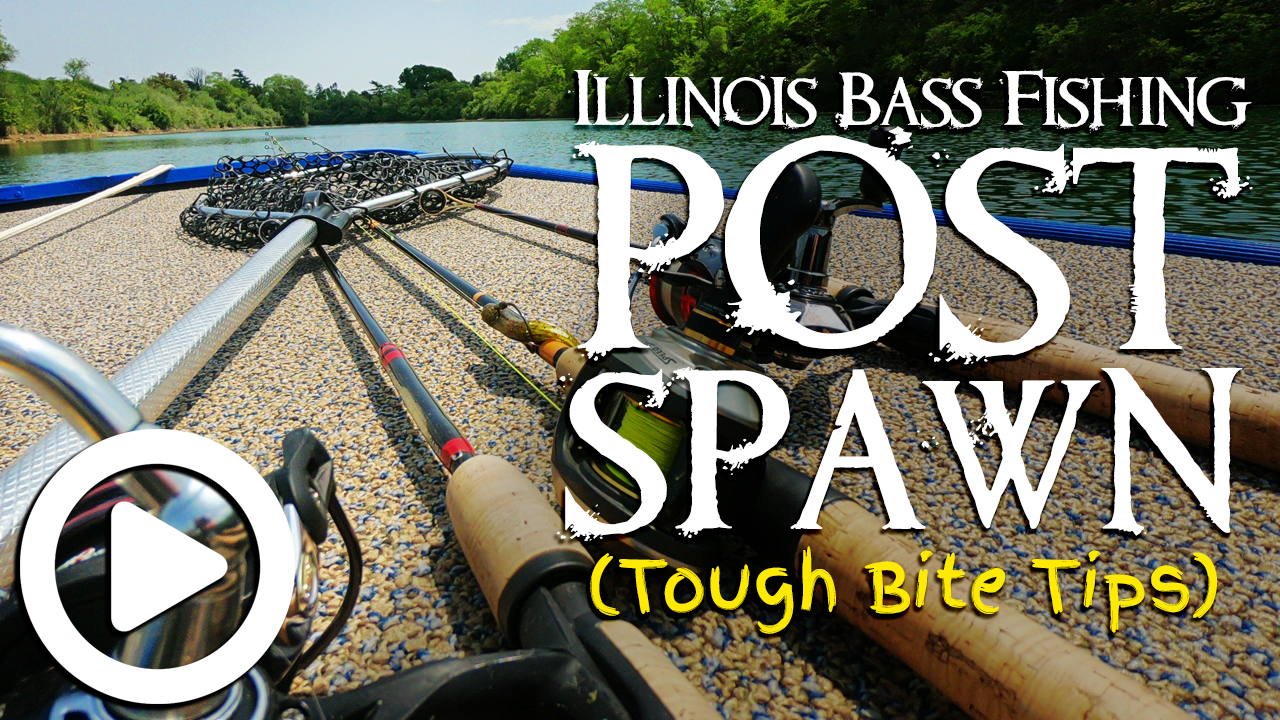
  • Illinois Bass Fishing During Post Spawn (Tough Bite Tips)

    Illinois Bass Fishing During Post Spawn (Tough Bite Tips)

    Good morning brothers.

    Isn’t it amazing how much a body of water – or more importantly, the bite – can change from day to day? This can be true during any time of the year, but here in Illinois the months of April, May and June can offer up some of the best largemouth bass fishing you could hope to experience… and at the exact same time… some of the most frustrating.

    Just depends on the day…

    … and… about 587 other factors…

    So hey, no sweat right?! Let’s get into it!

    Fishing the Midwest Post Spawn Period

    It is difficult to pinpoint The Post Spawn Period with exact certainty. Many anglers believe there are 4 key elements that signify the fish are still Post Spawn, and not yet exhibiting Pre-Summer behavior. In Illinois (and other states in the Midwest) The Post Spawn Period is typically when you have water between 65° and 70°. Spawning has completed, and the females are no longer shallow – they’ve shuffled off to deeper waters (think deeper shelves, the ends of main lake or secondary points, or even suspending). The males however can still be found guarding the nests along the shoreline. This is true for both largemouth and smallmouth bass…

    Leave them alone. They have a job to do and their old lady just ran out on ’em!

    Finally, you’ll know if you’re not yet into the Pre-Summer Period when regular behaviors and feeding activity have yet to resume. The fish are still sluggish, tight-lipped, lock-jawed, lazy… and this will drive you freakin’ crazy!

    I know y’all just did the hibbidy-dibbidy a bunch but DANG IT… do you really need 2 to 4 weeks to recuperate?!

    Sometimes. Not always. Other factors have come into play in recent years as well, aside from temperature. Things like the length of the day, sun & moon cycles, barometric pressure and weather patterns – these are all given more weight than in yester-years.

    If you notice some of the signals I’ve listed here when you are out on the water, there is a good chance you can figure out what kind of behavior you can expect (or not expect) from the bass you’re targeting. If you’re on a lake with both largemouth and smallmouth bass, you’ll probably be able to find areas with fish in several different moods.

    But remember: even when the bite is TOUGH, there are things that we can and should be doing as anglers to capitalize on our time on the water!

    Illinois Post-Spawn Bass Fishing
    Stars & Bars Fishing Subscribe Banner
    Click the banner to jump to Stars & Bars Fishing on YouTube.

    How to Make the Most of an Illinois “Post-Spawn Fishing Trip”

    illinois jon boat bass fishing largemouth pit clear
    First decent fish aboard the jon boat on a tough bite kinda day!

    Even though fishing Post Spawn conditions can be tough, there are still things we can to do to make the most of our limited time on the water. Here are 4 tips that will help you make the most of the day:

    1. Find NEW Fish-Holding Structure & Cover

    It’s always a good idea to be mindful of your surroundings. On days like the one in the video above (where the water was clear and low) I was able to see tires, pallets, standing timber and some distinct rocky ledges that I had never noticed before.

    Adding waypoints during a tough day is an investment in future fishing trips for when the water – and the bite – return to normal. If you do this, you’ll be able to quickly remember and cast to these fish-holding spots that other anglers are unaware of.

    2. Work on Your TECHNIQUE

    Every cast is a chance to improve your accuracy. Every retrieve is an opportunity to improve your “feel” (your ability to feel what is above and below the water). Every breeze gives you an opportunity to work on your positioning & boat control. Every tap is a chance to perfect your hookset. Every battle is a joy, and a rep that builds your ability to play & net fish.

    Every trip – good or bad – should be seen as an opportunity to build your skills.

    During the one above, I started with a Megabass Pop-X. It’s one of my new favorites.

    Megabass Popper Pop-X Mat Shad Wisconsin Topwater Baits
    The Megabass Pop-X in Mat Shad

    But the bite was slow. They weren’t reacting. So I had to slow down, and eventually caught a few nice fish on some of my favorite stickbaits.

    While using both presentations, I was deliberate in my actions, and I told myself that even if I didn’t catch anything, I was going to improve as an angler. (I also made a point to test a Z-Man EZ Tube on a Pro Bullet, which did result in one aggressive smallmouth bass.)

    illinois jon boat bass fishing smallmouth pit clear
    Not a giant – but on a tough post spawn day – I’ll take it!

    Don’t lose sight of this and sleepwalk through the day. Stay present and do your reps.

    3. Try LIVE BAIT

    Live bait is always an option. It’s also something that I tend to forget when I am bass fishing in Illinois. When we’re targeting smallmouth bass up in Wisconsin, it’s a different story. Live bait like leeches and crawlers are automatic.

    If you have live bait available… grab some and use it!

    (I wish I had some with me during the trip above… next year I’ll try to think ahead a bit better…)

    the minimalist fisherman email sign up cover background fire camp river

    You’re Welcome in our Camp

    Add your email below and we’ll keep you up to date on new articles, videos & events. Join us as we continue to work on becoming better anglers – and better men.

    TMF Small White Logo

    4. Be GRATEFUL & Think Some Good THOUGHTS

    Dude. You’re out in nature. Breathing the fresh air. Soaking up the sun. Sweating from your hard work. You’re doing something that others wish they were doing right now, but for one reason or another – they cant.

    Never fall into feeling sorry for yourself.

    That is WEAK.

    Weak men are WORTHLESS.

    It’s easy to slip into a pity-party when the bite is nonexistent. I’m guilty, too. But remember: weak men aren’t able to lead a family. Learn to make the most of the tough days on the water, because at some point you’ll have someone with you that needs to see what it means to push through adversity. To get kicked in the teeth and keep going. To take some “bad luck” and turn it around.

    These lessons don’t just apply to fishing – they apply to life.

    merry christmas from the hausers family photo boys kids
    The young men in your life – and in my life – deserve a good example.

    Don’t quit. When the going gets tough, there’s only one thing to do:

    Keep casting.

    illinois jon boat bass fishing largemouth pit clear
    One more Post Spawn Illinois largemouth on the 4″ Ocho.

    Eventually, your luck will turn around – just like it did here:

    Illinois Topwater Bass Fishing
    Illinois Post Spawn Topwater Bass Fishing

    Tight Lines & Godspeed, Patriots.

    Oh hey – Merry Christmas and Happy New Year!

    2023 had some ups and downs for all of us, but overall, it was a great year. This project, The Minimalist Fisherman, continues to grow, and some new opportunities have surfaced in the last few months. If you’ve ever subscribed, shared a post, emailed me, or donated – thank you!

    I appreciate the support, and we all want to wish you a prosperous 2024. God bless.

    merry christmas from the hausers family photo river Jen AJ Kids
    Merry Christmas and Happy New Year from The Hausers!
    Callout Section The Minimalist Fisherman Midwest Bass Fishing Blue Banner Background Migration
    The Minimalist Fisherman Father Son Bonding Better Anglers Better Men

    Thank You For Your Support

    Your support directly funds the creation of weekly articles and videos that promote the development of better anglers and better men. Our country (and our kids) need both. Please share this site, and consider a monthly, weekly, or one-time donation. You are helping us make a difference!
    TMF Small White Logo
  • Best Baits for Midwest Bank Fishing (Top 3 List)

    Best Baits for Midwest Bank Fishing (Top 3 List)

    Good morning brothers!

    Have you ever stopped to think about the baits you would pack to fish from the bank if you had to limit yourself to just your top 3? We could talk to 10 different anglers… and we’d probably get 10 different combinations!

    Meme 10 a lot context
    I mean 10 x 3 = 30… so this could get nuts…

    That said, allow me to share My Top 3 Midwest Bank Fishing Baits… and explain why they made the cut.

    Pack ’em up and catch more fish!

    1. The Z-Man Goat

    Illinois has a lot of warm water areas where I tend to run into my good friend: Mr. Muck.

    Mr. Muck is a pain. He stinks. He’s slimy. Everything he touches gets dirty. He makes it hard to fish baits with any sort of exposed hook.

    Trebles?

    Out of the question.

    But my other friend, Mr. Largemouthhe freakin’ loves Mr. Muck.

    Follows him around like a lost puppy, actually. Spends a lot of time with him. They’re two peas in a disgusting mucky pod.

    early morning suburban pond city fishing bank fishing muck
    Mr. Muck is visible. Mr. Largemouth is not… but I assure you, he’s nearby…

    Knowing this, selecting a topwater presentation for fishing over and around the muck is a no-brainer. Obviously a lot of anglers would reach for a frog. This is not a bad choice by any means – but it can be somewhat limiting. Frogs are great for pads, muck, and heavy overhead cover – some can be walked in open water – but that can be tricky.

    Personally, in these situations I like to fish a Z-Man Goat weightless on a standard KVD Mustad Grip-Pin EWG hook (not the 2X fine wire version). The 4/0 size usually get the nod. They penetrate the bait (and the fish) easily on the hookset, and they’re light – making it easy for the Goat to float. (Cool rhyme bro.)

    z-man goat topwater soft plastic minimalist fishing green pumpkin
    The Z-Man Goat in green pumpkin is always a solid choice…
    z-man goat topwater soft plastic minimalist fishing hot snakes
    … and “Hot Snakes” is a combination I like for water with really low visibility.

    The versatility of this plastic is really what allows it to outperform the frog:

    It can be skipped under overhangs, it can be worked over pads and muck like a frog, or you can cast & retrieve like a buzzbait.

    When I’m working from the bank I’ll make a long cast and buzz it back to the outside edge of the muck, then start to work it like a frog, continuing to bring it all the way up to shore. If I come across bushes and laydowns, I won’t hesitate to skip it right into the thick of it. Hookups are rock solid with the single EWG, and even though I’m not using a heavy hook – I have yet to bend out a Mustad Grip-Pin to the point of losing a fish. However, when I notice they’re starting to bend, I swap them out immediately.

    Overall, it’s a super versatile bait, and currently my first choice for topwater from the bank.

    big illinois largemouth bass snakebite rig bank fishing
    Big Illinois largemouth bass from the bank.

    Bonus Tip: The Goat is even more effective for kayak fisherman. You can often position yourself better and skip in closer to shore under the best-looking cover without the bass feeling your footsteps and gettin’ spooked. Fire it shallow. If it doesn’t get mauled immediately, work the bait back with twitches or a straight buzzing retrieve.

    Deadly.

    aj hauser midwest bass minimalist fishing muck bass largemouth
    Fat bass from the ‘yak buzzin’ a Goat.

    2. Weedless Swim Jigs

    Now that we’ve covered the top of the water column, it’s time to move to mid-depth. When you’re fishing from the bank, mid-depth might mean 2 feet deep, or 8 feet deep – it all depends where you’re fishing. Whatever “below the surface” is, that’s what we’re talkin’ about.

    As much as I love to throw crankbaits and jerkbaits – neither is really an option when Mr. Muck is around. Jerkbaits in particular are a visual presentation, so they require a certain amount of water clarity to work at their best. But even if you’re fishing an area with muck and clear water (which is not uncommon) the trebles make these baits too sticky.

    We need to select a lure that can be fished in both clear and dirty water. It needs to give off thump to help Mr. Largemouth find it – and it needs to be weedless enough that it can be worked around the thick stuff: muck, weeds, laydowns and otherwise.

    That’s why my second must-have bait for Midwest bank fishin is a weedless swim jig.

    swim jigs swim baits wisconsin minocqua fishing minimalist
    A handful of weedless swim jigs to choose from.

    I love casting a swim jig out and working it through the semi-clear paths in and around muck. Swim jigs are also great for running along laydowns and underwater tree trunks. The skirt adds bulk, too, which is nice when you want to get the attention of Mrs. Largemouth.

    (She’s a pig. I mean, please don’t tell her I said this, but she’s WAY fatter than Mr. Largemouth.)

    Pair your favorite swim jig with a Strike King Swim-N-Shiner, and don’t be afraid to work this presentation in both clear and dirty water!

    2020 Fishing (Resized for Gallery)
    A nice fat bass on a swim jig early in the season (sparse cover).

    Finally, let’s talk about #3…

    the minimalist fisherman email sign up cover background fire camp river

    You’re Welcome in our Camp

    Add your email below and we’ll keep you up to date on new articles, videos & events. Join us as we continue to work on becoming better anglers – and better men.

    TMF Small White Logo

    3. Stickbaits

    Since we’ve hit topwater and mid-depth, it’s time to go deep… but wait… why select a bait that can ONLY be fished deep, when you can go with something that can work the entire water column?

    When it comes to bass fishing from the bank, this is ‘ol faithful. She’ll never let you down, and if I had to select just ONE of these 3 baits for bank fishing the Midwest – this would be it!

    Xcite Baits Xtreme Stix Product Photo stickbait
    Stickbaits resemble an easy meal and can be rigged every way you can think of…

    You can throw a stickbait on an EWG (weightless) and twitch it over the top of the pads or muck. You can put ’em on a Texas Rig or a shaky head and fish deep. Cut one in half and make a Ned Rig (finesse jig worm), or put together a Carolina Rig and bomb it far from shore. A weightless stickbait with a weedless wacky hook works all over the country and can be thrown into heavy cover – or, if it’s clear water and the fish are spooky, go with a light wire wacky hook and hide your weight by creating a Neko Rig.

    Xcite Baits Xtreme Stix Product Photo stickbait
    One of my favorite weedless hooks for grass & sparse cover.

    The combinations are endless.

    Is the stickbait the best bait in every situation?

    No.

    Is it a must-have item at all times for largemouth bass fishing?

    Yes.

    In certain situations the Topwater Goat or the Mid-Depth Swim Jig will catch more fish – bigger fish – but the stickbait is a great option for both novice and pro anglers alike. You really never know what you’re going to catch…

    Just Under 4 Pounds Largemouth Bass Illinois Snapping Turtle Pond Wacky Rig
    Big fat Illinois largemouth bass on a stickbait below the reeds – right next to shore!

    4. One More Important Bank Fishing Tip

    Whenever you are making casts from the bank, be very aware of your surroundings! That’s good advice for casting in general, but this is especially the case when you are surrounded by trees, tall grass, bushes, other people, stray cats… anything you could get your bait snagged on.

    Example of Stream Bank Erosion
    Banks like this are snag city…

    I mentioned avoiding treble hooks above. This is because my top 3 bank fishing baits need to be ultra-versatile. You can fish a weedless EWG hook anywhere, but that is not true for treble hooks. By fishing with “hidden hooks,” or weedless hooks, or even single hooks (if they must be exposed) you’ll have a better chance of avoiding snags behind or around you. If a treble even touches a leaf or a root or a reed when you draw back that pole right before launching your cast – you’re looking at a backlash.

    Couldn’t you avoid backlashes altogether by fishing exclusively with spinning gear from the bank?

    Sure… but that’s a conversation for another day…

    If you’d like more tips for catching largemouth bass in the muck, make sure to check out my Muck Base Box, or take a peek at some Bank Fishing for Monster Bass at Snapping Turtle Pond.

    Tight Lines & Godspeed, Patriots.

    Callout Section The Minimalist Fisherman Midwest Bass Fishing Blue Banner Background Migration
    The Minimalist Fisherman Father Son Bonding Better Anglers Better Men

    Thank You For Your Support

    Your support directly funds the creation of weekly articles and videos that promote the development of better anglers and better men. Our country (and our kids) need both. Please share this site, and consider a monthly, weekly, or one-time donation. You are helping us make a difference!

    TMF Small White Logo
  • The Ultimate Guide: Best Baits for Big Wisconsin Bass (Minocqua Fishing Tips & Tackle + AJ’s Base Box)

    The Ultimate Guide: Best Baits for Big Wisconsin Bass (Minocqua Fishing Tips & Tackle + AJ’s Base Box)

    Good morning brothers.

    It’s chilly again, here in the Midwest.

    The days are shorter. The nights are colder. The daydreams are beginning to intensify.

    There is a picture frame that lives on our counter. One of the best investments I’ve ever made. It cycles through photos from trips we’ve taken, constantly reminding the kids about their victories. It makes them want to fish and spend more time with family. It keeps the memories fresh, and they love to tell the story of “that fish I caught” and “that place we went” when different images pop up. It keeps them excited…

    … truth be told… it has the same effect on me and my wife

    AJ Hauser Digital Picture Frame Keeps Memories Fresh
    A simple digital picture frame cycles through memories, victories, and keeps “the good stuff” fresh and top-of-mind! Ours currently has 1,500 pics and that number increases every time we fish.

    We’re so excited in fact, that I’m in the market for a new boat. Need something simple, minimalist, something that can run shallow and slam into rocks. We’ll be fishing The White River in Arkansas by next November, after all… for trout, yes, but also walleye and smallmouth bass. Lord knows, my wife is an amazing fishing partner, but she is NOT a fan of my 3.5 foot wide jon boat! It’s as wobbly as ‘ol Uncle Butch after his 9th whisky sour. I need to get something wider. More stable. As that search continues, end-of-season cleaning ensues.

    Yesterday I came across my Wisconsin Bass Base Box. The presentations in this box accounted for many, many bass this year, including the 5 biggest smallmouth from our annual trip up north. Who caught #1 you ask? …

    minimalist fishing pb monster smallmouth bass jen wisconsin lake minimalist fishing
    My wife and her MONSTER Minocqua smallmouth bass. (Told ya she was a great fishing partner.)

    This bruiser came out of just 7 feet of water. In July. Often, when largemouth are not the dominant species in a lake, you’ll find smallmouth spread out to many different depths – including the warmer, shallower areas that are rich with forage, weeds, and wood cover. We assume that smallmouth prefer crayfish and deep, rocky, cold water, but sometimes they use deeper areas because they have to.

    It takes longer to digest a crayfish than it takes to digest a baitfish.

    So, in Wisconsin lakes where largemouth are present but not especially dominant, make sure to explore the weedy, warmer areas as well as the deep rocky humps – and everything in between – until you find what the smallmouth, walleye, crappie, pike, panfish & muskie prefer.

    These baits will help you target bass throughout the entire water column effectively.

    Let’s get into it.

    What is a Wisconsin Bass Base Box?

    Base Box is a single Plano container, loaded with presentations that you have confidence in for a specific kind of fishing. This container is something that you can pick up with zero notice – it’s always ready to go. So when Billy Bob calls and says “BROTHER, LET’S FISH!”, you simply grab the correct Base Box along with the Terminal Tackle Base Box (which is always on hand no matter what), load the backpack and head out.

    Fishing from the bank?
    Just take that backpack.
    Fishing from your friend’s boat?
    Just take that backpack.
    Fishing from your own boat?
    Just take that backpack!

    My Wisconsin Bass Base Box is focused on targeting smallmouth bass in clear Wisconsin lakes (high visibility) with rocks, weeds, and woody cover.

    Over the past 20+ years of fishing in Wisconsin, we’ve boiled it all down the the following presentations. Presentations that I absolutely need to have with me to fish with 100% confidence. This is very different from my Clear Water Base Box, and my Muck Bass Base Box… which we will cover in another article…

    bruiser bass in the muck illinois largemouth fishing
    Hammer Largemouth with the Muck Bass Base Box

    Behold: The Wisconsin Bass Base Box

    Wisconsin Bass Fishing Base Box Overview Minocqua Wisconsin Baits
    Packed to the gills. Pun intended.

    These items are all that remain after years of reduction. Minimizing. In the past, I’d take a complete bait store with me! These days? I take this box, a few bags of plastics, and some terminal tackle… and we all catch more fish.

    Weird.

    It’s like this whole Minimalist Fishing thing really works!

    Let’s break it down:

    Minocqua Must-Have Bait #1: Walking Topwaters

    River2Sea Walking Topwater Rover 98 Live Target Baitball
    The River2Sea Rover 98 was a surprise hit this year, with a walking Live Target Yearling Baitball coming into play when I wanted a slightly smaller profile.

    Topwater is fun, and in clear Wisconsin lakes, fishing a topwater in 8 foot of water or less – especially over thick weeds – can be intense. It’s also a great way to cover water. Big pike and the occasional muskie are not afraid to hammer your topwater offerings as well, and that kind of pandemonium is a blast – I don’t care who you are!

    I like to start out with a moving bait featuring a natural pattern. Something medium-sized that walks, like the River2Sea Rover 98. I’ll rig this up on a baitcaster, braid, and a 20 Pound Monofilament Leader. This does two things – it floats better than fluorocarbon, and yes – it is slightly less visible than straight braid – but more importantly, that mono is less likely to get twisted up on your guides in-between casts.

    Straight braid can be a pain at times, especially if it’s windy.

    Minocqua Must-Have Bait #2: Popping Topwaters

    Having a few popping topwaters on hand will allow you to do two things:

    Megabass Popper Pop-X Mat Shad Wisconsin Topwater Baits
    The Megabass Pop-X (in mat shad) is always a great option in clear water situations, but never count out the Live Target Popping Frog, the Rapala Skitter Pop or even the River2Sea Bubble Popper 88.

    First, they give you the option to present a smaller profile with distinct pauses, and at times this will coax bites better than a walking bait. (Experiment with a dressed rear treble. If you have follows but no takers, swap it out for a plain treble or try to change the color of your popper.)

    Second, they give you one of the tools to make a Pop ‘n Drop. A Pop ‘n Drop is a popper with the rear treble removed, exchanged for a fluorocarbon dropper line, wacky hook and a trailing stickbait that sinks slowly, coming to a rest anywhere from 1 to 3 feet below the popper. This helps you put something irresistible in front of those fish that follow, but just won’t bite.

    Pop n Drop Wisconsin Smallmouth Bass AJ Hauser
    AJ Hauser with a healthy Manitowish smallmouth bass that could not resist the Pop ‘n Drop.

    The popper gets their attention – the stickbait seals the deal.

    The Pop 'n Drop Rig by AJ Hauser
    Show ’em something they haven’t seen before: The Pop ‘n Drop Rig

    Minocqua Must-Have Bait #3: Wakebaits

    Clear Wisconsin lakes are known to have expansive weed beds. In some places, they can stretch for miles and miles, and while you can jig fish them to target clearly defined transitions, pockets or other submerged cover (and you should), this makes covering a lot of water difficult.

    If you’re searching for bass, consider running a wakebait right over the top of these weeds. You might be surprised at what lunges out!

    Strike Pro Hunchback Rebel Teeny Wake-R Manns Baby 1-Minus
    The StrikePro Hunchback is a great wakebait that runs less than a foot, but they are expensive and harder and harder to find. Luck-E-Strike Cajun Wakebaits are a cheap alternative. A Rebel Teeny Wake-R is a lot of fun to throw on light line for numbers if the wind is calm, and a Mann’s Baby 1-Minus has been a staple in my arsenal for a while now – plus, it brings rattles to the table. I mark the running depth on most of my lures with a Sharpie.

    Minocqua Must-Have Bait #4: Jerkbaits

    Two years ago, I decided it was time to learn – yes, I said LEARN – to use jerkbaits. I’m glad that I dedicated time to the technique, because jerkbaits are fun, and they work.

    how to fish a jerkbait part 1
    My journey into jerkbait-land…

    I take a few with me when I fish Minocqua and the Manitowish Chain ‘O Lakes. They are great for covering water, especially around sandy flats with sparse weed clumps, stumps and logs. However, they are not the best option for the thick weed beds mentioned above.

    I’ve had days where they were lights out – and days where they were ignored outright.

    Take a few & test ’em.

    Chasing Trophy Fish EOC 3.5 Jerkbait Rapala Husky Jerk RipStop Jerkbait
    My jerkbait collection includes a few Rapala RipStops that run shallow and stop on a dime, along with several Husky Jerks in different sizes. Huskies have been a staple for serious anglers for many years now – and as I’ve learned – it’s for good reason. I round out my collection with a few discontinued baits, which I will use until I lose ’em…

    Minocqua Must-Have Bait #5: Lipless Crankbaits

    Pike will destroy a lipless. I love to throw them when the water is a bit cooler and the big fish are active. We usually visit Minocqua during “the dog days” though… so pike fishing is hit or miss.

    Northern Wisconsin Swimbait Pike Minocqua
    When I’m fishing areas with toothy critters, I’ll usually add a fluorocarbon leader to my line. Seaguar AbraizX is a great choice, and I prefer it over Seaguar Red Label. Neither are as tough as a steel leader, but it gives you a great chance of avoiding a bite-off while remaining invisible to the more finicky fish.

    Smallmouth bass are not to be underestimated, as they will demolish a lipless crankbait as well – when they’re active. A great way to catch ’em is by throwing a lipless crankbait over the tops of the weed beds – then ripping your bait free when it gets hung up. My wife landed this beauty just minutes before a big storm rolled in using this technique. (You should have heard her warcry ring out across the empty lake as the bass came aboard and thunder rolled – it was truly epic!)

    storm lake smallmouth mama fishing jen
    Nice smallmouth bass on one of my Dad’s Rattlin’ Rapalas.
    Bomber Ratl RRR A Lipless Crankbait
    The (Discontinued) Bomber Ratl RRR A

    We like Rattlin’ Rapalas, Rat-L-Traps, and I also throw Bomber Ratl RRR As that my buddy, Brother Ron, sent in a care package not that long ago. All three are great options.

    dont give me any lip a lipless crankbait story
    Brother Ron’s Favorite Lipless Crankbait

    Minocqua Must-Have Bait #6: Swim Jigs

    Finally, swim jigs round out our bulky bait repertoire. The added weight, weed guard and skirt on a swim jig allow you to control the depth of your swimbaits while remaining very weedless and adding girth.

    You can retrieve these bulked-up baits right through the cabbage and grass to get the attention of any number of species – they go where the trebled jerkbaits dare not tread!

    swim jigs swim baits wisconsin minocqua fishing minimalist
    Some of my favorite swim jigs can be seen here – just remember: opt for natural colors most of the time in the clear Wisconsin water.

    Minocqua Must-Have Bait #7: Hair Jigs

    Now that we’ve covered our moving baits, it’s time to sloooooow down a bit… hair jigs have increased in popularity over the last several years. Bass fisherman (largemouth, smallmouth and spotted) stayed tight-lipped about them for quite some time, but anglers like Kevin VanDam were seen using them in major tournaments, and us “normies” started to get wise…

    I keep several on hand in different colors (usually natural or black with a highlight color for attraction) sized from 1/16 to 3/8 ounce.

    hair jigs for wisconsin smallmouth bass minimalist fisherman
    A few of my lighter options: Kalin’s Hand-Tied Marabou and Kalin’s Hand-Tied Bucktail jigs.

    Now, you can fish these a few different ways… some anglers like to fish them as-is, working them up and down and drifting them out from shallow to deep water with a simple pendulum motion.

    This can work – but I prefer to tip mine with live bait…

    Leeches.

    Wisconsin Bass Fishing Manitowish Chain Minocqua Base Box Smallmouth AJ Boat
    One of my best bass from an especially slow morning came on a light hair jig tipped with a leech. We were sitting in about 30 feet of water casting towards the entrance of the lake which had a steep rocky drop-off. This bass followed my jig all the way to the boat and hit when it was 5 feet away – wild!

    The hair adds bulk, motion (especially the marabou) and slows the rate of fall. If you use a black jig with a leech the color matches well, and the motion and taste of the leech can help to create a surprisingly effective package.

    Rapala VMC BKJ Bucktail Jig hair
    A 3/8 ounce VMC BKJ Bucktail Jig will help you get down to those deeper fish, faster. This means more casts, and more chances to get bit.

    Minocqua Must-Have Bait #8: NedlockZ & BulletZ

    While fishing the Manitowish Chain ‘O Lakes this year, I spent quite a bit of time fine-tuning The Snakebite Rig. Even though this rig was originally developed for fishing the heavy muck here in Illinois – a few modifications allowed me to slither it through thick weedy areas that dropped into deeper water.

    wisconsin fishing aj hauser smallmouth bass snake bite snakebite rig
    Nice Snakebite Rig Bass

    The “locking” component is a key element of this rig. Z-Man Finesse BulletZ and TT Lures NedlockZ both lock baits in place, but are not to be confused with the larger Z-Man Pro BulletZ.

    Z-Man Finesse Bullets BulletZ NedlockZ
    Z-Man Finesse BulletZ and TT Lures NedlockZ both work well. The NedlockZ stand up on the bottom better, while the BulletZ slither through heavy cover with fewer snags. Note the placement of the eye on both before you make your selection.
    the snakebite rig heavy finesse bass fishing
    Catch More Fish with The Snakebite Rig

    Minocqua Must-Have Bait #9: Ball Head & Live Bait Jigs

    The bread & butter of most tackleboxes for many moons. Ball Head Jigs and Live Bait Jigs are always a great option for live bait or plastics.

    ballhead jigs live bait jigs minimalist fishing
    Ball Head Jigs and Live Bait Jigs are always on hand when I’m fishing live bait.

    Tip ’em with plastics, leeches, crawlers, minnows – you name it. One of my favorite techniques for “bonus fish” involves setting up an extra pole with a slip-bobber rig. I’ll set this in a rod holder and allow it to leisurely drift behind the boat with a leech on one of these Lindy Live Bait Jigs while I’m simultaneously fishing a more active presentation. The weight of the jig removes the need for split-shot.

    It’s like having an extra set of hands, and even when I’m retying I always have a bait in the water. If the panfish are a problem, I’ll swap the leech out for a small plastic and drift that instead.

    Northern Wisconsin Kalin's Jig Leech Smallmouth Bass Minocqua
    “Bonus Fish” on a drifting leech.

    Minocqua Must-Have Bait #10: Mushroomhead Jigs

    Mushroomhead jigs have been around for a long time. They pair perfectly with plastics, allowing you to keep a low profile with minimal negative cues. I keep an assortment on hand from 1/16 to 1/4 ounce in both weedless and extra-weedy varieties. (Notice that weedless and standard jigs live in the same compartment in the Wisconsin Bass Base Box, so they take up less space.)

    minimalist fishing mushroomhead ned jigs
    Mustad Grip-Pin Jigs and Eagle Claw Lazer Sharp Pro-V Finesse Jigs are great for pinning your plastics in place so you can land multiple fish without re-rigging.

    Mustad Grip-Pin Jigs have a slightly thicker hook shank, so go this route if you’re worried you might bend a hook out. Eagle Claw Lazer Sharp Pro-V Finesse Jigs have a light wire hook and can be used on lighter line and ultralight rods.

    Minocqua Must-Have Bait #11: Deep-Vee Jigs

    The Northland Tackle Deep-Vee Jigs are a bit of a hybrid, and more importantly, they are extremely effective. The tend to stand up, they have a light wire hook with a longer shank, and they also have an angled head with large, realistic eyes.

    That light wire hook makes for easy penetration in the mouth of a fish, so it’s a great option for younger anglers and old pros alike.

    Northland Deep Vee Deep-Vee Jig Jighead Minimalist Fisherman
    The Northland Tackle Deep-Vee Jig – a surprise hit for smallmouth bass!

    This jig, paired with a small plastic, was responsible for the biggest bass of the trip. Sure they’re pricey, but DO NOT sleep on this jig!

    minimalist fishing pb monster smallmouth bass jen wisconsin lake minimalist fishing
    A 1/8 ounce Northland Tackle Deep-Vee Jig helped my wife land this MONSTER smallmouth bass. You can see the jig hanging from her rod on the left in this picture.

    Minocqua Must-Have Bait #12: Bait Rigs Slo-Poke Jigs

    The Bait Rigs Slo-Poke Jig is a must-have item for fishing live bait in the weeds. The inline eye increases hookups and reduces snags. The center-balanced weight has a slower, more horizontal fall than a ball head jig, which falls vertically. The hook shank is strong and compact.

    Bait Rigs Slo-Poke Slow Poke Slopoke Jig Jigs
    It’s very likely that this jig will be the one you keep tied on the entire trip

    Walk into any Wisconsin bait shop, and they’ll have a tray with Slo-Pokes in many weights & sizes. Grab an assortment, both with and without the weed guard.

    You’ll thank me.

    Bait Rigs Slo-Poke Slow Poke Slopoke Jig Jigs
    The Bait Rigs Slo-Poke Jig is unique, and a consistent favorite of both walleye and bass anglers – for good reason.

    I like to stick with 1/16 to 1/8 ounce jigs, and I can usually get away with fishing without a weed guard. Black and orange are great colors, and everything you see in the image above is in my tackle box. I prefer to tip with leeches, and Dad likes crawlers.

    aj hauser wisconsin smallmouth bass slo-poke jig
    My first 17″ smallmouth bass this year came off of a flat with sparse weedy cover near stumps and logs on a Bait Rigs Slo-Poke Jig tipped with a leech. Jig was 1/16 ounce, line weight was 8 pound fluoro – a bit oversized, and the water depth was about 10 feet.
    Wisconsin Bass Fishing Manitowish Chain Minocqua Base Box Smallmouth Jen
    My wife with a 16″ smallmouth bass that came off of a weedy hump in 20′ of water. Leech on a Slo-Poke. Badda-bing badda-boom.
    Wisconsin Bass Fishing Manitowish Chain Minocqua Base Box Smallmouth Dad Boat
    Dad landed this 19″ smallmouth bass on an orange Slo-Poke Jig tipped with a leech in about 12 feet of water…
    Wisconsin Minocqua Smallmouth Leech Jig Star Pike Dad
    … and last year this 4-pounder smoked the exact same rig tipped with a crawler instead of a leech. Experiment!
    Slo-Poke Jig & Live Leech Fishing

    Minocqua Must-Have Bait #13: Terminal Tackle

    A small assortment of Must-Have Terminal Tackle includes the following:

    terminal tackle minimalist fisherman neko weights bullet dropshot bobber steel leader
    It looks like a grab bag, but there is a method to the madness: steel leaders, o-rings, slip bobbers, split-rings, nail weights, bullet weights, beads and bobber stops allow you to make a wide variety of rigs.

    With these components you can make Neko Rigs, Dropshot Rigs, Trailing Slip-Bobber Rigs, Texas Rigs and Carolina Rigs – provided you also have the following hooks…

    Minocqua Must-Have Bait #14: Weedless Wacky Hooks

    Wacky hooks with and without a weed guard are a must. They can be used for wacky rigs of course, but they also work on dropshot rigs. The dropshot was something new I played with this year for fishing weedy humps all the way down to depths of 25 feet.

    (Check out Dad’s All-Star Scoop on this one right as the hook popped free!)

    Testing the Dropshot on Wisconsin Bass

    I caught a few, but next year I’ll be dedicating more time to the dropshot and adding in some Hayabusa Spin Muscle Dropshot Hooks. These have worked surprisingly well here in Illinois in my deep, clear pits. Make sure to toss a few Eagle Claw Offset Octopus Hooks (size 2) in here as well, for your trailing bobber rigs when you switch from leeches to 3″ plastics.

    wacky hook assortment vmc trokar weedless minimalist
    A collection of VMC, Berkley and Trokar wacky hooks.

    I typically take what I use here in Illinois where a heavy weed guard is required: Berkley Fusion19 Weedless Wacky Hooks have a thick fluorocarbon weed guard. VMC Weedless Wacky Hooks are even more rigid and come with a very stiff wire weed guard.

    However, this year I realized that both of these were too heavy. The Trokar Weedless Wacky Hooks gave us better hookups, due to their light wire and softer fiber weed guard, and still came through the cabbage effortlessly. By the end of the trip we were using these exclusively, because they also allowed us to lighten up our line – a huge advantage in clear Wisconsin water.

    Wisconsin Bass Fishing Manitowish Chain Minocqua Base Box Smallmouth Jen
    My wife with a stocky 18″ smallmouth that slammed a Neko Rig with a 4″ Dinger on a Trokar Weedless Wacky Hook.
    Wisconsin Bass Fishing Manitowish Chain Minocqua Base Box Largemouth Jen
    Neko Rigs are great because they will catch all sorts of gamefish, like this quality largemouth bass.

    Minocqua Must-Have Bait #15: EWG Hooks

    Finally, we need to round out the Wisconsin Bass Base Box with a few different “worm hooks.” My favorites include the standard Trokar EWG, the Trokar Pro-V Worm Hook, the standard Mustad Grip-Pin EWG, and the Weighted Mustad Grip-Pin EWG.

    mustad grip pin trokar pro-v worm hook
    My main “worm hooks” include a simple variety of Mustad and Trokar offerings.

    Stick to 2/0 or smaller if you’re targeting smallmouth bass in clear Wisconsin water. Maybe grab a few 3/0 hooks if you like to use bulkier plastics: tubes or creatures for example… I’ve had some luck on these baits, but not enough that I plan to put away the leeches or smaller plastics… well, most of the time…

    Monster Wisconsin Smallmouth Bass on a Tube AJ Hauser
    Nice fat Wisconsin smallmouth on a Z-Man EZ Tube in the middle of the day.

    OH! Before I forget…

    What plastics catch bass in Minocqua?

    We talked about all of the tackle and hard baits, but what else will we need aside from live bait? There are a lot of plastics that will work… but here are the ones I’ll be taking next year, after testing many, many, many different baits:

    Any color will work as long as it’s green pumpkin.

    😉

    99% of the time I’m fishing natural colors. Green pumpkins, natural baitfish colors, some white and gray and maybe a touch of purple or red flake. A few ElaZtechs in coppertreuse for overcast days. Don’t overcomplicate this – and try to mimic the local forage.

    What fishing line should I use in Minocqua?

    In terms of fishing line, always try to use the lightest line you can get away with. I prefer Seaguar InvisX, anywhere from 6 to 12 pound test. I also like Seaguar AbraizX in the 17 to 20 pound range for leaders. I use the best knot for connecting a fluorocarbon leader to braided line, and this prevents bite-offs and helps me bring (delicious) pike into the boat!

    Keep is simple. Keep it invisible. Keep colors natural.

    You’ll get bit.

    Again, and again… and again…

    Wisconsin Bass Fishing Manitowish Chain Minocqua Base Box Smallmouth Jen AJ Boat Smoker Craft
    Me & the misses, just soakin’ it up. Thank you God.

    If you have any questions, let me know – and please share the pictures of YOUR lunkers!

    This place is a gift from God. Be respectful, and enjoy it.

    Tight Lines & Godspeed, Patriots.

    Callout Section The Minimalist Fisherman Midwest Bass Fishing Blue Banner Background Migration
    The Minimalist Fisherman Father Son Bonding Better Anglers Better Men

    Thank You For Your Support

    Your support directly funds the creation of weekly articles and videos that promote the development of better anglers and better men. Our country (and our kids) need both. Please share this site, and consider a monthly, weekly, or one-time donation. You are helping us make a difference!

    TMF Small White Logo
  • 2 Topwater Fishing Secrets: Dingers vs Frogs?!

    2 Topwater Fishing Secrets: Dingers vs Frogs?!

    Good morning brothers.

    Today, I’m going to let you in on a little secret for packing light and fishing mucky water. Well, 2 secrets actually… let’s jump right in.

    kayak fishing cheese factory muck dinger algae
    Lookin’ pretty bassy under that cheese…

    1. The “belly” of your topwater lure is more important than the “back.”

    Do you know why this is? It’s because bass look up at your lure – not down. Check out this Vicious Pad Runner.

    Vicious Fishing Pad Runner
    Product Review: Vicious Fishing Pad Runner

    Notice the back has a killer design. Dang! That’s SWEET! And as you work it over the muck and the pads… the bass are going to see… the white belly (if anything)…

    That’s not bad, but it’s something to be mindful of when you are selecting your topwater. And sure, bass that see the frog at an angle might notice part of the top. If it rolls (not ideal) on the retrieve, they might be able to catch a glimpse… but for the most part if you go with a bait like this you’re simply throwing a white frog.

    This Terminator Frog has some accent colors on top, but the entire body is black. Hence, you’re throwing a black frog.

    Ad Terminator Walking Frog
    Terminator Walking Frog

    This means you can probably minimize your frog box and focus on quality, not quantity.

    2. In mucky water, the bass don’t care what your topwater looks like.

    Say again?

    If bass are set up below thick mucky algae, they don’t care what your bait looks like, because they can’t see it anyway. This is true when the water below the algae is clear, and even more true if the water is stained, tannic, or straight up pea soup.

    They are reacting to the commotion – the movement – the easy meal.

    Because of this, one of my favorite ways to target these bass is with a 4″ or 5″ Yum Dinger rigged weedless and weightless on a 3/0 or 4/0 EWG.

    aj hauser midwest bass minimalist fishing muck bass largemouth
    New honey hole with muck near shore, pea soup for water, and healthy bass.

    Here is the gear I use when I’m rigging a Dinger on an EWG, including my mainline (braid floats) and my leader material (fluorocarbon line gets snagged up less than braid and is abrasion resistant).

    Yum Dinger Gear (EWG)

    As you can see, this is different than the gear that comes into play for throwing straight wacky worms around weeds or sparse cover. When I’m not fishing around muck, I’ll completely skip a weed guard on the hook to stay as invisible as possible, crisscross 2 o-rings to rig perpendicular to the bait which increases hookups, and go with a thinner fluoro with less memory:

    Yum Dinger Gear (Wacky)

    When you throw a Dinger topwater, it’s essentially a weightless Texas rig. Slow-sinking, yes, but not heavy enough to punch through the mats. However, when you reach the edge of the mat, pull it off and let it slowly sink for a second or two. Often times bass that are watching the movement above will gladly shoot out and smoke the slow-sinking stickbait as it drifts right in front of their face.

    That is… if they haven’t already SMACKED it right through the thick of it!

    Largemouth Bass Strikes a Topwater Stickbait thru Muck
    Quick Trip: Topwater Dingers in the Muck

    I keep a selection of both floating and sinking stickbaits in my Base Box for Fishing Muck, but it’s also important to remember as a Minimalist Fisherman our goal is to travel as light as possible. On kayak trips when we can only select a handful of baits, frogs take up a lot more room that stickbaits.

    They’re also less versatile.

    FACT.

    You can hit every depth with a stickbait, provided you have a few sinker & hook options.

    bruiser bass in the muck illinois largemouth fishing
    What is the Muck Base Box?

    If you keep these tips in mind, you can pack less gear, and head into all sorts of areas with confidence.

    Stickbaits work for bass in clear water.

    Stickbaits work for bass in mucky water.

    Stickbaits work for bass – period!

    Top 4 Stickbaits for Largemouth Bass Not a Senko
    Top 4 Stickbaits for Largemouth Bass (Not a Senko)

    Tight Lines & Godspeed, Patriots.

    Callout Section The Minimalist Fisherman Midwest Bass Fishing Blue Banner Background Migration
    The Minimalist Fisherman Father Son Bonding Better Anglers Better Men

    Thank You For Your Support

    Your support directly funds the creation of weekly articles and videos that promote the development of better anglers and better men. Our country (and our kids) need both. Please share this site, and consider a monthly, weekly, or one-time donation. You are helping us make a difference!

    TMF Small White Logo
  • The 5-Minute Jerkbait Guide for BIG BASS by Rick Vogelbacher

    The 5-Minute Jerkbait Guide for BIG BASS by Rick Vogelbacher

    Good morning, brothers.

    Have you ever struggled to keep up with something?

    I have, and to be honest – I’m having a rough go of it lately…

    What do we do as fishermen when we get a free second?

    We fish.

    Fair enough.

    I’ve been fishing as much as possible lately. That means I haven’t been writing or editing videos as much. That’s a bummer – but on the other hand, it helps me stay sane. Helps me stay away from bad habits…

    This year has been a wild one – and it ain’t over yet.

    So far I’ve managed to almost sink my kayak, had ticks on my unmentionables, I’ve busted rods and reels, lost big fish, and I just discovered some fun new leaks in my jon boat. To top it all off, I’m recovering from a very painful allergic reaction to the antibiotic I had to take to help kick my incredible, amazing, MASSIVE, nose infection.

    That was genuinely scary. I posted a quick video hoping it might prevent other fisherman from suffering the same painful fate. To warn them. It seemed to resonate with a few different online creators, and one in particular reached out to to let me know he planned to share the video, and send along some well wishes.

    That gentleman was Rick Vogelbacher. We struck up a few conversations, and I asked Rick if he would like to contribute to the site. He obliged, and much to my surprise – he wrote a piece that dealt with one of my favorite presentations: The Jerkbait.

    The following is just a straightforward 5-minute read, but it covers jerkbait use at different times of the year… plus some additional info I was unaware of…

    It’s The 5-Minute Jerkbait Guide for BIG BASS. Check it out, and let me know what you think!

    The 5-Minute Jerkbait Guide for BIG BASS

    By Rick Vogelbacher

    Rick Vogelbacher Smallmouth Largemouth Jerkbait Bass Minimalist Fisherman
    Author Rick Vogelbacher with a MONSTER 7 POUND SMALLMOUTH (and a beauty of a largemouth bass to boot)

    Fishing jerkbaits for bass can be overwhelming with so many choices on the market. You have ones that float, sink, suspend, or dive to different depths. How do you know which ones to use? There are times when we make these choices a little more difficult than they need to be. It can be as simple as the time of year you’re fishing. It could be the body of water you’re on that helps you make the choice for the day.

    Let’s go over some of the basic choices for the time of year you’re fishing.

    Fishing Jerkbaits in Early Spring

    Ahhh… spring time fishing. The water is cold and it’s the first warming trend since the winter months. I’ve caught them on jerkbaits with the surface temperatures ranging 40 to 60 degrees. The clear choice for jerkbaits during these cold-water days is a suspending jerkbait.

    Ad Rapala RipStop Rip Stop Live Perch Jerkbait
    The Rapala RipStop

    They come in deep diving variations, and mid-range models that dive just 3 to 6 feet. The package or product description should tell you if the model suspends, and how deep it dives.

    Ad Rapala Husky Jerk Olive Ghost Banner
    The Rapala Husky Jerk

    Colors can vary and depend on the body of water you’re fishing. Generally, jerkbaits are a good choice when you are fishing clear water. They are a visual presentation, and therefore excel in clear water situations. Stained water can be productive at times, but you will want to use a much brighter color so the fish can zero in on the jerkbait. They won’t travel as far in stained water to chase a jerkbait as they do in clear water.

    One of the biggest things fishing a suspending jerkbait in the spring is to focus on the cadence of the retrieve. I would venture to say more often than not you will want to do at least a 3 to 5 second pause in between jerks with the lure. Typically fluorocarbon lines are preferred by pro’s, but I’ve been doing just fine with mono for years.

    Seaguar Invizx Fluorocarbon Line
    Seaguar Invizx Fluorocarbon

    The biggest difference is the monofilament line tends to float whereas the fluorocarbon line doesn’t. The most common line diameter to use is 8 lb. test, but strength and thickness can vary from brand to brand. Typically, I will use 10 lb. line. There are times I will go as heavy as 12 lb. line, but not very often. The thicker the line diameter the less action you will get out of your jerkbait. Translucent, silver, light greens or blue mixed in colors work well on clear lakes.

    Fishing Jerkbaits in the Summer

    Fishing jerkbaits during the summer is a whole different ball game. The surface water temperatures can run 80 to 90 degrees depending on the part of the country you’re in. There is no bigger emphasis on cadence on the jerks of the lure than during this period. It can vary day to day, but the majority of the time you are working the lure much faster than any other time of the year.

    Rapala Scatter Rap Deep Husky Jerk Glass Minnow
    The Rapala Scatter Rap Deep Husky Jerk

    The bass metabolism is at its highest and they are keened in on chasing and eating baitfish. You will want to jerk your lure much quicker with much shorter pauses. Often pausing it briefly and either do two quick jerks or three in a row before the next pause. Colors for clear water will be the same, but you’ll notice that bass in stained water will be more active and likely to hit the jerkbait. The largemouth in this video below show just how effective a jerkbait can be during the summer months.

    https://rumble.com/v356j1w-lake-erie-fishing-for-roaming-largemouth.html?mref=66lt3&mc=9e0fe
    Rick V Fishing Jerkbaits

    Fishing Jerkbaits in the Fall

    When the water starts to cool in the fall, the productivity of jerkbaits can really start to shine. You will use many of the same retrieves and colors mentioned in the early spring pattern, with one major difference – the bass will be less active some days as the water cools down. In the spring the water temperature is rising and the fish get more active with those rising temperatures. In the fall the opposite is happening. The water is cooling down and the fish are trying to get accustomed to the falling temperatures which can cause some inactivity. This is the main reason you will want to go back to those long pauses on the jerkbait to trigger the strikes.

    Rapala Down Deep Husky Jerk Glass Perch
    The Rapala Down Deep Husky Jerk

    How to Select the Right Jerkbait Size

    The difference in getting bites and not getting bites can sometimes boil down to the size of the jerkbait you are throwing. Most jerkbaits are referenced by length in millimeters. For instance, anything with 110 in the name is going to be 110 millimeters long (4.33 inches). One that has 90 will be 90 millimeters long (3.54 inches). There have been days where we have only caught them on the smaller 90 and can’t get a bit on the 110.

    Additionally, jerkbaits come in 120, 150, or really small in the 60 range. It’s something to be aware of when you’re trying to match the hatch of the bait fish they are feeding on.

    For more tips on jerkbait fishing and to see underwater footage of the jerkbait and baitfish they feed on. Check out the video below.

    – Rick Vogelbacher

    https://rumble.com/v2v29bn-jerkbait-fishing-tips-for-bass-fishing.html?mref=66lt3&mc=9e0fe
    Rick V Jerkbait Tips

    Big thanks to Rick for sharing his knowledge on the subject, and big thanks to you as well for checking this article out. There are many more coming down the pike, as this year has been very challenging – but also very rewarding. I’ve spent a lot of time these last 2 months in the jon boat. These next few weeks I’ll hit my pits as hard as possible, before everything slows to a crawl…

    AJ Hauser Trout Trick Z-Man Skipping Bass
    Fat bass caught skipping a Z-Man Trout Trick… although, the Z-Man FattyZ have been more productive…
    AJ Hauser rapala husky jerk olive ghost smallmouth bass pit fishing
    … and the jerkbait bite has been good as well… for smallmouth and largemouth!

    Get out & get some.

    Tight Lines & Godspeed, Patriots.

    Callout Section The Minimalist Fisherman Midwest Bass Fishing Blue Banner Background Migration
    The Minimalist Fisherman Father Son Bonding Better Anglers Better Men

    Thank You For Your Support

    Your support directly funds the creation of weekly articles and videos that promote the development of better anglers and better men. Our country (and our kids) need both. Please share this site, and consider a monthly, weekly, or one-time donation. You are helping us make a difference!

    TMF Small White Logo
  • Bruiser Bass in the Muck: A Mucky Muck Base Box for Fishing BIG Midwest Largemouth

    Bruiser Bass in the Muck: A Mucky Muck Base Box for Fishing BIG Midwest Largemouth

    Have you ever set up a Base Box?

    Good morning brothers. I’d like to share a few tips that have helped me minimize the pre-trip stress that comes from overthinking. You know what I’m talkin’ about: “welp, better take this, and this, and THIS, because they might bite that, or maybe this, so better grab all 87 colors because you never know what the sauciest little nugget will be, oh plus these 18 hard baits might get a bite or two…

    Overthinking isn’t fun.

    More importantly, it’s not productive.

    I’ve tried to adjust things and reduce this overthinking the past few years. Change is good. Change is constant. Things are changing all around us all the time. Take the warmer weather for example:

    The amount of time it takes to completely sweat through clothing? Decreased.

    The time it takes to “enhance” a sunburn? Decreased.

    The amount of time it takes to cook an egg on the sidewalk? Decreased.

    The amount of big bass up shallow as the water gets up over 75°? You guessed it. Decreased…

    That last one is causing me to lose sleep lately…

    Illinois fishing has been GOOD so far.

    We’ve had good luck fishing all sorts of different water so far this year. We started with little city ponds that warm up faster than deep pit lakes. This scratched the itch, but left something to be desired… I’m not fond of yappy dogs freaking out while I try to interact with largemouth bass:

    “Yap! Yap! Yap! Yap!” *largemouth bass* “Yap! Yap! Yap! Yap!”

    Just tossing a 4″ Strike King Ocho around on a weedless wacky hook is simple and effective. It’s also surprisingly easy, making it a great option for young anglers.

    The dogs and spectators were annoying, so we traveled away from civilization. Explored. Found a new place and dubbed it Snapping Turtle Pond. Wakebaits were effective and a ton of fun to fish:

    When the bass will hit a moving hard bait, it’s gonna be a good day!

    I like to use a Strike Pro Humpback, and two great alternates are the Mann’s Baby 1-Minus, and the Strike King KVD 2.5 Wakebait, all paired with 8lb to 12lb Seaguar Invizx Fluorocarbon.

    This was fun for a while, but big bass await beyond the bank. Hence, another change. To the kayak we went – to even more remote locations, starting with The Cheese Factory.

    Can you say: “concussion”?

    I was surprised to find myself surrounded by cheese, and without a topwater in my bag – but no worries! Did you know that a weightless, weedless Texas rigged Yum Dinger will stay up on the thick muck and attract strikes just fine? (Tuck that nugget away in case you find yourself in a pinch.)

    But why probe the muck when big springtime bass are roaming the clear water shallows?! Go there! Catch more bass, faster, and with fewer snags and trouble! So, another change. More remote! More kayak! More basses! More exercise! More exploring!

    You gotta love it when a plan comes together! Even though the weather was slightly stained in these borrow pit lakes (they would not hit my jerkbait – which is a visual presentation), a smoke / pearl laminate Dinger was plenty visible – and they wanted it.

    Changes. Many changes. Changes in location, cover, clarity, depth, lure & line combos, rods & reels. This is what minimalist fishing is all about! Find out what works – dump what doesn’t!

    Repeat this process again and again and again, and you will find yourself with the BEST possible techniques, the BEST boost to your confidence, and the BEST chance of catching more and bigger fish.

    You gotta believe what you are doing will be productive.

    Ultimately, you will end up with a collection of presentations that work, that you love – and this is what you need to add to your Base Boxes.

    Let me show you one of mine.

    What is a Bass Fishing Base Box?

    A Base Box is a single Plano container, loaded with presentations that you have confidence in for a specific kind of fishing. This container is something that you can pick up with zero notice – it’s always ready to go. So when Billy Bob calls and says “BROTHER, LET’S FISH!”, you simply grab the correct Base Box along with the Terminal Tackle Base Box (which is always on hand no matter what), load the backpack and head out.

    Fishing from the bank?
    Just take that backpack.
    Fishing from your friend’s boat?
    Just take that backpack.
    Fishing from your own boat?
    Just take that backpack!

    Today, we’ll be discussing my Muck Base Box, which is set up for targeting largemouth bass in thick cover.

    While refining this the other day, I was surprised by its SIMPLICITY.

    When it comes to working the muck, there are only 5 presentations that I absolutely need to have with me to fish with 100% confidence. This is very different from my Clear Water Base Box, and my Wisconsin Bass Base Box… which we will cover in another article…

    Behold: The Muck Base Box

    muck base box best baits for largemouth bass midwest mucky
    Simple. Deadly.

    My Muck Base Box is simple and deadly, full of must-have presentations for bass fishing in the Midwest. Start with these 5 items and you will be well on your way to hammering bass! Just remember: standard hooks, sinkers, bobber stops, small jigs… items that you always want to have on hand so you can create any rig you need – all of these items go in the Terminal Tackle Base Box.

    Muck Base Box Item #1: Topwater Frogs

    muck base box best baits for largemouth bass midwest mucky
    Standard frogs and smaller options like the Booyah Pad Crasher Jr. can go just about anywhere.

    Everyone loves a good topwater strike, but in the muck, exposed treble hooks are not an option. Poppers & walking baits are out of the question. Instead, keep a collection of weedless frogs on hand to work over thick sludge. Don’t be afraid to skip a frog up underneath overhanging brush and trees near the shoreline. Sometimes the biggest bass can sit back in inches of water!

    Muck Base Box Item #2: Soft Plastic Toads & Poppers

    muck base box best baits for largemouth bass midwest mucky
    Add even more versatility with soft plastic topwaters.

    If your frog keeps getting flung up in the air, or if you’d like to add some appendages, or work a buzzbait-style presentation without worrying about the blade getting hung up, reach for some soft plastic topwaters. I keep 3 with me at all times, and they are all ElaZtech: a Z-Man Hard Leg FrogZ, Pop ShadZ, and Pop FrogZ.

    Each one brings a different look and action to the table. Just make sure you have some big EWG hooks in your Terminal Tackle Base Box. It’s best if they have a “bait lock” on them near the eye.

    Muck Base Box Item #3: Heavy Cover Swim Jigs

    muck base box best baits for largemouth bass midwest mucky
    “Swim jig, swim jig everyone loves a swim jig!”

    Swim jigs are a great way to present a swimming plastic while maintaining a bulky profile. This can work well in mucky water with low visibility, especially if you can identify some alleys and paths within the muck. Grab one of these killer swim jigs off of our top 10 list, pair it with your favorite thumpy plastic trailer, run it through paths and bump it off of stumps and logs – then hang on!

    (We have an entire series on swim jig fishing too, if you’d like to learn more.)

    Muck Base Box Item #4: Weedless Swimbait Jigs

    muck base box best baits for largemouth bass midwest mucky
    One of the only “terminal” items I’ll keep in my Muck Base Box.

    If you need a moving bait that will slip around in the muck a bit easier, drop the skirt and bulky weed guard of the swim jig and reach for a Z-Man Weedless Eye Swimbait Jig. Pair it with your favorite thumpy plastic, and select the lightest weight you can work effectively.

    Muck Base Box Item #5: Assorted (Floating & Sinking) Soft Plastics

    muck base box best baits for largemouth bass midwest mucky
    I always “juice my baits”, and keep both floating and sinking plastics on hand.

    With topwater and mid-depth covered, we’ll round everything out with baits that can be fished shallow, fished deep, and fished weedless. I keep two bags – one is for normal plastics, and the other is for ElaZtech-type plastics. (ElaZtech must be stored separately because it will react and melt to other plastics and paint it comes into prolonged contact with. It will also melt / deform in direct sunlight.)

    Here’s what I keep in each bag:

    1. Both bags are “juiced” (completely slathered with Dr. Juice Concentrated Bass Attractant) to mask human scent and give me more time to set the hook

      — Bag 1 / Floating / ElaZtech —
    2. Strike King KVD Finesse Worms
    3. Z-Man Finessse WormZ
    4. Z-Man Hula Sticks
    5. Z-Man Bang StickZ

      — Bag 2 / Sinking / Regular Plastic —
    6. Strike King Ochos
    7. Yum Dingers
    8. Yamamoto Senkos

    I could write an entire article on each of these baits and why they’ve been selected over all other plastics. In fact… I probably have… but, you are very observant and you’re asking “AJ, why the heck do you have FINESSE plastics in a muck box?!”

    Great question, my friend! Here’s why.

    The 80/20 Base Box Rule

    No matter what you decide to include in your personal Base Box, you must apply the 80/20 rule to make sure you never get caught with your pants down!

    80% of the selected presentations are best suited for heavy muck.

    20% can easily be used in clear water with sparse cover!

    A green pumpkin Hula Stick is going to work much better for finicky bass in a clear water situation than a bright green Yum Dinger with a chartreuse tail. A smaller Strike King Finesse Worm is great to have on hand if you arrive at the lake and would prefer to throw a shaky head because the water is cleaner than what you expected. Want to rig up The Snakebite Rig to fish some tall grass below the muck!? You’re covered.

    These added options give you versatility, a more natural look for spooky fish, and they help you avoid a bad situation when the conditions are not quite what you anticipated.

    Example: I recently took my Clear Water Base Box to a lake and did not apply this rule… only to find the clear water completely cloudy from an unexpected algae bloom. There I was with a box full of natural, visual presentations, but nothing high contrast or high vibration in sight… still, the answer is not to “take everything,” the answer is to plan better.

    Apply the 80/20 rule no matter what Base Box you are creating so you can always make the most of the day. Set one up. Let me know how it goes., and I promise you… you’re gonna catch more fish!

    aj hauser midwest bass minimalist fishing muck bass largemouth
    A big fat mucky muck largemouth from the day before this article was finished. These concepts WORK.

    Tight Lines & Godspeed, Patriots.

    Callout Section The Minimalist Fisherman Midwest Bass Fishing Blue Banner Background Migration
    The Minimalist Fisherman Father Son Bonding Better Anglers Better Men

    Thank You For Your Support

    Your support directly funds the creation of weekly articles and videos that promote the development of better anglers and better men. Our country (and our kids) need both. Please share this site, and consider a monthly, weekly, or one-time donation. You are helping us make a difference!

    TMF Small White Logo

  • Where You Choose to Fish Makes a Difference

    Where You Choose to Fish Makes a Difference

    Good morning brothers.

    It’s been a few days since we posted an article… but I assure you, the reason for the delay is good.

    I’ve been fishing.

    Oh Lord, have I been fishing… fishing with my boys, fishing by myself, fishing new areas, fishing in the kayak, huffing & puffing through the woods, falling through rotten tree trunks (really), and hitting one of my goals for the year: finding new, remote areas to fish.

    Stick with me for a bit, and allow this article to stir your adventurous spirit so that you feel inspired to do the same!

    Set Your Fishing Goals
    What are your goals this year?

    Where should you start fishing in spring?

    This is an important question that we all ask ourselves after we’ve been cooped up all winter, unless you’re a madman and ice fish (respect… you lunatic).

    “Where am I gonna start?!”

    Well here in the Midwest, a lot of us will start by fishing small ponds and lakes that tend to warm up faster than the larger lakes. This usually translates to more activity, a better bite, and overall easier fishing as you’re not fighting with the spring wind in a little boat.

    The downside of course, is that there is nothing romantic about these locations. You are usually surrounded by yappy dogs, locals out for their morning steps, and kids screaming at the nearby playgrounds.

    It’s not bad… but it’s not the same as fishing when you’re surrounded by the Lord’s amazing creation instead of… lawn gnomes.

    My first trip this year was to one such location…

    early morning suburban pond city fishing bank fishing muck
    Little suburban lakes can hold bass, but they come with a lot of “undesirable extras.”
    aj hauser largemouth bass pond hopping hoppin' muck fishing topwater stickbait
    Still… they can scratch the itch… this fat 2 pounder hit an Ocho on top of the muck.

    Fun. But it only whet my appetite for isolation. So the next question was obvious – where can I go to get away from people?

    The second trip was planned. A yak-attack at a local state park with a little waterfall lake. Beautiful area, but the lake was so full of snot and muck, I renamed it The Cheese Factory.

    kayak fishing cheese factory muck dinger algae
    Kayak locations are a good option when you want to get away…
    kayak fishing cheese factory muck dinger algae
    … here at The Cheese Factory, a topwater Dinger worked…
    Fishing a Topwater Dinger at “The Cheese Factory”

    1 bass. 1 green sunfish. 1 miss. 3.5 hours.

    A good workout, some lovely fresh air… but not much fun. At least when I was fishing the bank in suburbia, I was catching fish!

    After a frustrating day, I came home to do a bit more research. All this time I thought the lake was fed by the river… that is wrong. This lake drains into the river. It is fed by local runoff, which could explain the massive amounts of algae so early in the season… but whatever the reason, the truth was that it was just borderline unfishable – or at the very least, not worth the effort.

    Shoot.

    I know now that I do not want to spend my last full season in Illinois fishing either of these spots.

    We need to figure something else out. Now.

    Time to do more research…

    Fishing access in Illinois is a problem.

    I’ve been yelled at more than once. Told to leave or be shot. You know – really fun stuff. So waltzing through the woods is not really an option, because you never know what (or whom) you’re going to find out there, and property owners here typically own the creek bed, even if the water is navigable. Once you step in it… well, you’ve really stepped in it!

    Then it hit me.

    Last year I started to explore some big deep pits with ultra-clear water. The fishing at these lakes has been extremely challenging compared to the nearby mucky ponds like the ones shown above. Stealth and light tackle move to the top of the list in terms of importance.

    You simply can NOT fish the pits like you would the smaller lakes and ponds, or you will NOT get bit. Period. It’s challenging, but extremely rewarding… however, with as deep as these pits are, I wasn’t about to start my season here – they’ll remain colder, longer, and I can hit spawning and active bass in the smaller bodies of water now, then hit these larger bodies of water later to maximize the amount of fish caught.

    The pits being referenced are located within a State Fish & Wildlife Area.

    Hold the phone.

    I’ve seen ponds there. I’ve noticed other lakes off in the distance as well. Bodies of water with no easy access. No boat ramp. I’ve never even thought to go fish them, because… well… no boat ramp! No road. No easy access. No obvious signs: FISH HERE DUMMY!

    But what if we decided to hoof it?

    What if we took the kayak to these little watering holes??

    Is it even possible?! Will I get shot?!

    A quick search on the IDNR website cross-referenced with Google Earth confirmed there are actually several small bodies of water located within this public area, and they are within the bounds of state property – it just ain’t easy to get to ’em… but I wanted to get to ’em…

    So, we set out.

    kayak pull state fish and wildlife area midwest
    First we went up…
    kayak pull state fish and wildlife area midwest
    … then down…

    Over the river and through the woods. A couple miles. Nothing crazy, but yes, challenging.

    I didn’t see anybody. Launched my kayak in silence. Fished a down-sized presentation on a single rod with a tiny pack of plastics, sinkers and hooks, surrounded by steep woody shoreline.

    Isolated.

    Minimalist.

    It was everything I was hoping to find.

    The fish were there.

    largemouth bass kayak pond small lake pit dinger
    Started with a jerkbait, and switched to a white / smoke 4″ Dinger after zero action. Jerkbaits are visual, and the water was cloudy due to recent heavy rain. Twitching the stickbait allowed me to kick off vibration, making the bait easier to find.

    Over a 3 hour session, I caught 16. A few were just over 2 pounds, and I lost a monster

    largemouth bass kayak pond small lake pit dinger
    Later in the day this bass swooped out from a steep bank with a large overhanging tree providing shade and overhead cover. Light line & tackle were key because the water was clearer in areas with these steep banks where I found most of my fish.

    But that’s ok.

    She’s still in there… and we’ll be back.

    My friends, these places are out there, and they are worth the effort when you find them.

    So that’s what I’ve been up to. That’s what I’ll be up to again soon. And I hope by reading this, it has rekindled your interest in exploration. Pull up a search on local SF&W areas, and see if there are a few bodies of water off the beaten path.

    Maybe I’ll see you out there… but hopefully… I won’t.

    Tight Lines & Godspeed, Patriots.

    Callout Section The Minimalist Fisherman Midwest Bass Fishing Blue Banner Background Migration
    The Minimalist Fisherman Father Son Bonding Better Anglers Better Men

    Thank You For Your Support

    Your support directly funds the creation of weekly articles and videos that promote the development of better anglers and better men. Our country (and our kids) need both. Please share this site, and consider a monthly, weekly, or one-time donation. You are helping us make a difference!

    TMF Small White Logo
  • Top 8 Baits for Borrow Pits

    Top 8 Baits for Borrow Pits

    Good afternoon brothers.

    Fishing starts Monday. I’m hitting the water rain or shine, enough waiting – tomorrow we’re headed to Southern Illinois for Prison Ministry. I am excited for both of these things.

    The other day we talked about Fishing Borrow Pits. What they are, where they come from, and how they can be repurposed:

    what are borrow pits and can you fish them
    Borrow Pits can be amazing, low-pressure honey holes if you find one that has been stocked. If it has limited shoreline access and it’s difficult to fish with a full-size bass boat, all the better! The result is a lot of unpressured water for us jon boat enthusiasts to explore… but the bass here are wary. Smart. You can’t clobber them over the head with the big rigs you’d use in a muck-covered city lake…

    Today, we’re going to talk about my Top 8 Borrow Pit Baits. I went back and looked at the spreadsheet from last year, and tallied up all of the most productive ways that I fished these clear-water, steep bank, high visibility lakes. The name of the game is natural. Stow the buzzbait, huge rattles, giant jig with massive trailer that has unnatural pincers straight from the depths of hell, and the 10″ high-vis Senko – start natural.

    Plan to work the entire water column, and explore. If the pit doesn’t have cover and structure that the fish can relate to, they may roam. This means that temperature and water depth will be the main variables you’ll want to focus on. Look for areas with slightly warmer and cooler water at different depths, and prepare yourself mentally – it’ll be tough, but worth it!

    Start with a Quality Topwater

    Start by working along the bank with a topwater to see if you can find any active biters. This allows you to cover water, and let’s be honest – topwater strikes are just downright fun! Downsize your offering and try out a walking bait like a Zara Spook Puppy or a Mann’s Baby 1-Minus in natural colors, worked at different speeds. If you reel slow, you can work the Mann’s like a wakebait or speed it up to go slightly subsurface. On windy days with chop, I lean towards the Spook for a bit more splash & visibility.

    Next: Go Subsurface

    Another couple baits that will allow you to cover water and work slightly deeper are the Rapala Husky Jerk Minnow, and the Donkey Tails by Mule Fishing Supply Co. The latter is a small paddletail swimbait that catches everything, and the jerkbait will attract bass of all species and all sizes. Bomb the paddletail on light line and reel it straight & slow. If you feel weight, set the hook. No need to twitch, jerk, bounce – just keep it simple. If you want a slightly more active presentation, toss the jerk.

    banner ad rapala husky jerk jerkbait family
    Check out the Rapala Family of Husky Jerks

    Nothing yet? Sun high in the sky? Time to Finesse…

    Chances are at some point throughout the day, you’ll catch more with a finesse presentation. I love to work a Pop ‘n Drop whenever possible – but in clear water like this – having a popper chugging along isn’t always the attractor we hope it would be. Instead, suspend a 4″ Strike King Ocho underneath a float, and cast it up towards the steep banks. You might want to leave this bobber trailing behind you as you work an active presentation (if 2 rods per angler are allowed in your state). This allows you to put a plastic in front of their nose for an extended period of time, and on light line this can look very natural. The Ocho also has more salt than a Dinger and sink without requiring lead splitshot on the line – making it even less visible.

    Jon Boat Bass Zara Puppy Yum Dinger Largemouth Quarry Pit
    My best Borrow Pit “Bobber Bass” – not too shabby for a 3″ YUM Dinger!

    Speaking of Dingers, If you want a sinking option to float down by the steep banks below any overhanging trees, play with the Neko Rig. Rig a 4″ or even a 3″ YUM Dinger wacky style with a small o-ring (this is critical as it gives you more exposed hook / increases hookups) and place a light nail weight in one end of the bait. This is a subtle sinking presentation that can add a bit of erratic behavior on the fall, triggering strikes. It can also “fall back into” trailing bass, depending on the position of the weight.

    Honorable Mentions

    Two other presentations I’ve caught fish on that deserve your consideration include the Z-man EZ Tube rigged up on a jig, and the Berkley Powerbait Twitchtail Minnow, also on a jig. I use fluorocarbon with both. The tube spirals on the fall when you cast it up to a bank, so it can generate a reaction strike. The Twitchtail Minnow has a straight, vertical fall, and I like to hop this along the bottom, mimicking a small baitfish pecking through the sand & rocks.

    Both will work on largemouth bass and smallmouth bass if they are present. The tube in particular seems to work well next to steep banks, but I have seen fish swim up and back off at the last second in open water where they can get a really good look – might just be my experience though… and in those same situations, the smaller stickbaits seem to coax more strikes. Test this on your lake.

    Another note on tubes and vertical walls – notice the brush that overhangs the steep bank in the photos below? This provides overhead cover, and just like a creek with overhanging trees, it is possible for bass to get conditioned to caterpillars and other bugs falling in on windy days.

    pit quarry fishing largemouth bass tube overhang
    Largemouth Bass on the Z-Man EZ Tube
    pit quarry fishing smallmouth bass clear jon boat
    Smallmouth Bass, same tube a few casts later…

    Two Other Tools You’ll Need

    Finally, there are two other tools that you’ll want to make sure you have, even if you’re in a smaller boat. The first is a quality fishfinder like the Garmin Striker Vivid 9sv (a killer little unit that won’t break the bank but allows you to create your own contour maps as you fish – very important for little lakes without any Navionics charts), and a quality trolling motor. I’m seriously considering picking up a Minn Kota Powerdrive… which would be more expensive than everything in my little jon boat combined, but also allow me to work a bank hands-free.

    This would be a gamechanger for me as I often fish alone, and fighting the wind ripping across a big flat pit is a full time job…

    These tools help you with stealth, and they help you find sunken treasures, depth changes, holes and other contours that can hold fish in these crystal-clear borrow pits.

    For me – these are must-haves!

    Did I miss something you love to fish with? Let me know!

    What do you think?

    Get out there and start to comb these areas. It can be tough, but again, that also makes it extremely rewarding!

    Tight Lines & Godspeed, Patriots.

    Callout Section The Minimalist Fisherman Midwest Bass Fishing Blue Banner Background Migration
    The Minimalist Fisherman Father Son Bonding Better Anglers Better Men

    Thank You For Your Support

    Your support directly funds the creation of weekly articles and videos that promote the development of better anglers and better men. Our country (and our kids) need both. Please share this site, and consider a monthly, weekly, or one-time donation. You are helping us make a difference!

    TMF Small White Logo
  • Best Way to Tie a Fluorocarbon Leader to Braid

    Best Way to Tie a Fluorocarbon Leader to Braid

    Good morning brothers.

    I was sitting up last night tying rigs. We’ve had yet another cold snap here in Illinois, with nighttime temps dropping below 30 degrees. There is an upcoming prison ministry trip scheduled for Friday, so it looks like things have been postponed just a bit longer… no matter… this too shall pass.

    I was thinking about the rigs that we had modified or created within the last 12 months after going through The Trophy Room, looking at examples of each one working…

    Callout Section The Minimalist Fisherman Midwest Bass Fishing Blue Banner Background Migration

    First, we have the F4 Rig, which is super-versatile and allows you to quickly switch between a Carolina, Texas, or in-between rigs, with or without a clackin’ sound.

    The F4 Rig: Muckin’ a City Lake

    Then we have the Pop ‘n Drop, which allows you to combine a popper with a trailing stickbait that stays off the bottom or suspends subsurface over deep weeds.

    The Pop ‘n Drop Over a Deep Creek Hole

    Whenever I share these in a video, someone comments, “oh shoot – I need to try that!”

    (Yes you do – and you should let me know how they work for you, and if you have any suggestions!)

    Later this year, we’ll reveal another combo I’m working on, called The Snakebite Rig. The Snakebite Rig is meant for fishing largemouth bass in areas with a combination of muck and tall, slender weeds (think grass or even cabbage) from the bank or the boat. Every part of the rig has been designed to be as weedless and muckless as possible.

    It works.

    One extremely important element of that rig, is the combination of knots. Knots are important for a variety of reasons. Certain knots work well with specific line types (uni-knots can “burn” and fray fluorocarbon lines, reducing their strength). Different knots have different breaking strength (often fishermen will tie leaders using a knot with a lower breaking strength by the bait, so if they snag the rig will break there, and they can simply tie another bait on, not be forced to retie their entire leader).

    Knots all have a tag end that can cause issues

    I know… I used to ignore this as well… but when I was working on The Snakebite Rig it forced me to look at every single part of the setup, because I was sick and tired of pulling weeds and muck and crap off of my line every cast. It’s a waste of time. It forces you to lose focus. It’s annoying.

    This leads us to the question: what is the best knot for attaching fluorocarbon leaders to braid?

    The answer, is The Alberto Knot.

    What!? Why!? Why not the popular FG Knot?

    Great question! For starters, you need to be a rocket surgeon to tie an FG Knot. And three hands. This is not ideal for retying a leader on a windy day when you’re on the water. But, if it were the best option, it would still be worth the effort to master the technique. However, look at the direction of the fluorocarbon tag end when you tie an FG Knot.

    FG Knot Tag End
    Forward Facing Fluorocarbon Tag on an FG Knot

    It’s facing forward, and it will pick up weeds & muck as it comes through the water that direction.

    That can be a BIG problem.

    Check out The Alberto Knot, and notice that the braid tag end is the one that is facing forward – but braid is supple, and if you leave a quarter or even a half inch tag on said braid, it will fold back nicely and lay flat, making the Alberto Knot much more weedless… or if you’re in the Midwest like me… much more muckless.

    How to Tie the Standard Alberto Knot
    How to Tie the Standard Alberto Knot

    That gray tag end you see above is braid, and it will fold back easily as it comes through the water. That means on the front side of our connection, we have some rounded fluorocarbon, and some rounded braid.

    Silky smooth.

    Combine this with a Weedless Uni-Knot (the tag end on a weedless uni points back, not forward) at the bait connection, and we’re in business! Oh… speaking of Uni-Knots…

    What ABOUT Uni-to-Uni-Knot connections?

    Great question. I use these often, because they’re easy to tie… but they do have three major problems:

    1. The hard fluorocarbon tag still points forward
    2. This connection is slightly bulkier than The Alberto Knot
    3. It is very easy to burn your fluoro if you cinch your braid down a bit too tight before you pull the knots snug with one another
    Double Uni-Knot Creates 2 Tag Ends
    Double Uni-Knot Creates 2 Tag Ends and Braid can Burn Fluoro when the Knots are Cinched.

    So to recap – these are the main reasons why I think The Alberto Knot is the best knot for braid to fluorocarbon leaders:

    Alberto Knot No Hard Tag Forward
    An Up-Close Alberto Knot
    1. The Alberto Knot is easy to tie
    2. The Alberto Knot won’t burn your fluorocarbon
    3. The Alberto Knot has a low profile
    4. The Alberto Knot is strong
    5. The Albert Knot is very weedless, with no forward-facing hard tag end

    Now… if you want to get super-fancy

    The Improved Alberto Knot

    … you can improve The Alberto Knot by adding three extra wraps before you end the process and cinch down, like this:

    Improved Alberto Knot Extra Wraps for Better Strength
    Extra Wraps on an Alberto Knot – The Improved Alberto Knot

    I strongly recommend you take this extra step if you are using heavy fluorocarbon leaders!

    Give it a shot and let me know how it works for you. Ultimately when it comes to knots, confidence and reliability are key – if this is something new, tie several in the garage prior to hitting the water – test them, and repeat the process until you get ’em right.

    Once you do, it’s simple and effective.

    Tight Lines & Godspeed, Patriots.

    Callout Section The Minimalist Fisherman Midwest Bass Fishing Blue Banner Background Migration
    The Minimalist Fisherman Father Son Bonding Better Anglers Better Men

    Thank You For Your Support

    Your support directly funds the creation of weekly articles and videos that promote the development of better anglers and better men. Our country (and our kids) need both. Please share this site, and consider a monthly, weekly, or one-time donation. You are helping us make a difference!

    TMF Small White Logo
  • WARNING: Read This Before Spooling Up with Braided Fishing Line!

    WARNING: Read This Before Spooling Up with Braided Fishing Line!

    Good morning, brothers.

    This is a warning.

    It’s also not as dramatic as that just sounded…

    stop being dramatic gif
    “Clickbait… clickbait EVERYWHERE!”

    These days… everything is a code red… but I want to warn you about a problem with fishing line. Specifically, spooling with braid.

    The Benefits of Braided Fishing Line

    Braided fishing line is strong, slippery, limp & easy to work with. It doesn’t stretch or become water-logged, and it has a super-small diameter when you compare it to monofilament of fluorocarbon with the same strength rating. For example:

    Berkley 30 pound Big Game mono has a diameter of .55 millimeters.

    Berkley 30 pound X9 braided line has a diameter of .20 millimeters.

    That’s significantly less than half.

    This is rather impressive! So… what’s the problem?

    don't act like you're not impressed gif
    What a nice way to make friends.

    Disadvantages of Braided Fishing Line

    Monofilament has some stretch, braid has none. This can be advantageous with certain techniques, like crankbaiting, where you want to give the fish a bit more time to engulf the lure, or help prevent ripping sticky treble hooks out of their mouth.

    Fluorocarbon is invisible underwater, and it has better abrasion resistance than braid – meaning it is less likely to get frayed around rocks and timber.

    Caught this fatty around shallow rip-rap using 10lb fluorocarbon and a jerk.

    Ultra-thin diameter braid can also get “buried in on itself”, where the line near the top layer will slip through the lower layers of line on the spool as you put pressure on the other end of the rod with a hookset, or boat flippin’ bass.

    Plus, you know… copolymers

    There just isn’t a one-size-fits-all solution for fishing line… and we all have our preferences.

    BUT… here is something to watch out for… it’s an issue you can easily avoid:

    Inadvertent “Free Spooling”

    The Minimalist Fisherman - Over 2,000 Subscribers Banner
    Click the banner to jump to The Minimalist Fisherman on YouTube.

    Jump to the 4:00 minute mark in the video above.

    Laugh at my incompetence!

    LAUGH AT IT!!

    It’s funny now… it was not funny then… when you spool up braid (especially tiny diameter braid) without using monofilament backing, you run the risk of losing fish as the entire mass can spin freely, allowing more line to come off the spool even with your drag absolutely cranked down.

    Inadvertent free spooling.

    Note: a “free spool” is any spool that can move freely on the reel without any interreference from a gear or drive mechanism, etc. Line comes off (you guessed it), freely. Some fishermen will compare this to “neutral,” and when you skip backing your braid, you will enjoy this “feature” whether you intend to or not!

    Is this “spinny braid” problem technically free spooling?

    No.

    Is the end result pretty darn similar?

    Accidentally, yes.

    This has been an issue with me for spinning rods, however, I have not experienced the same issue with baitcasters – but – that’s because I will usually tie my line through one of the holes in the spool on my baitcasters, which allows my braid to “lock” into place and not free spool.

    If this is not an option on your reel, get some mono backing for your baitcasters as well – and hey, if you have any tips or tricks that you use for better fishing line management, comment & let me know!

    What do you think?

    Life is full of things we can't control. This is just the truth. Truth matters. That said, it's always a good idea to be mindful of the things that we can control. This will reduce headaches on the bank, in the boat... and bigger picture - throughout life in general.

    Tight Lines & Godspeed, Patriots.

    Callout Section The Minimalist Fisherman Midwest Bass Fishing Blue Banner Background Migration
    The Minimalist Fisherman Father Son Bonding Better Anglers Better Men

    Thank You For Your Support

    Your support directly funds the creation of weekly articles and videos that promote the development of better anglers and better men. Our country (and our kids) need both. Please share this site, and consider a monthly, weekly, or one-time donation. You are helping us make a difference!

    TMF Small White Logo
  • How Much Fishing Line is Left on my Spool?

    How Much Fishing Line is Left on my Spool?

    Good morning brothers.

    Have you ever wondered how much fishing line you have left on your spool?

    I’m not asking if you’ve wondered how much is sitting on the spool of your reel – I’m asking if you are looking for a way to tell how much fishing line you have left after spooling up?

    Ever tossed out a spool with fishing line still on it instead of attempting to use every last yard, because you thought there wouldn’t be enough for more than one spool? It sucks, but it’s understandable. We don’t want to put ourselves in a situation where a big ‘ol fish could start ripping drag and spool us completely… but hey, good news:

    This is how you get the MAXIMUM use out of a spool of fishing line.

    Creek Fishing Carp Inline Spinner
    Glad I was using braid this morning and didn’t get spooled… this was an awesome fight in the kayak!

    Using the following method saves money and guesswork, but first, grab a new spool to work with:

    Sufix 832 Superline Braided Braid Fishing Line
    Sufix 832 Advanced Superline®

    How to Spool Multiple Fishing Reels with Less Line

    I love to use braid. And fluorocarbon. And Braid with fluorocarbon leaders. Or braid with monofilament backing. These fishing lines are expensive, but you can save some money if you buy them in bulk. However, I don’t respool enough to justify 3,500 yards of braid or fluoro… so like most mere mortals, I stick with the 150 or 300 yard spools.

    While most fishing reels show some sort of line capacity guide right on the side of the spool (or the reel itself) it’s typically shown in a diameter that I am NOT planning to use.

    Examples:

    The Lew’s shown above will hold 120 yards of fishing line with the diameter of 6lb monofilament.

    The Pflueger shown above will hold 200 yards of fishing line with the diameter of 2lb monofilament.

    So the volume of line your spool can hold is dependent on the size (diameter), not the strength rating (pound test).

    If you are doing a straight spool – let’s say we’re going to fill the Lew’s 100% with 10 pound test InvizX – then the conversion from 6lb test mono to 10lb test fluoro is rather straightforward. A common average diameter for 6lb test mono is 0.009″ (that’s inches), and an average for 10lb fluorocarbon is 0.010″ (again, inches – make sure you get the exact diameters of the lines you’re using, in the same unit of measurement).

    By plugging in the diameter of both lines (0.009″ & 0.010″) and the starting capacity of the reel (120 yards) we can see that it is possible to put 97 yards of fluorocarbon on our spool.

    line reel calculator fishing line mono to fluorocarbon

    This means that if our fishing line spool for the InvizX fluorocarbon contains 200 yards to start – we can completely spool up two of the reels in our example with 97 yards each, and even have a few yards to spare. This allows me to spool up without using some sort of line counter or wasting any expensive fishing line.

    We’re eliminated the guesswork.

    Here’s a link to the line calculation tool I used for this example.

    Here’s another example. Let’s say we want to put 40lb braid on our small Pflueger spinning reel that holds 200 yards of 2lb test mono (for some unknown reason) – that conversion looks like this:

    fishing line calculator berkley to braid spool

    Not a great idea… but even if we decided to do this, we would know that we only used 30 yards off of our 300 yard spool of braid. We have 270 yards remaining for a baitcaster.

    What about Advanced Line Calculations?

    You can also figure out other fishing line combinations using this tool for advanced line calculations.

    Let’s say we want to add some monofilament backing to a Lew’s Mach II Baitcaster.

    Lews Mach II 2 Baitcaster Speed Spool
    Lews Mach II 2 Baitcaster
    110/12

    This reel has a spool that will accomodate 110 yards of 12lb diameter line. (Again, these sizes are usually still listed in monofilament, which is why on packages of braided line you usually see a diameter for “mono equivalent“.)

    I want to add some leftover mono to my new baitcaster as backing so that the braid has something to “bite into” (even though this isn’t required on spools with holes in them – just run the line through before you tie your knot to prevent slippage). This will prevent it from slipping on the spool (I know, I know, this is mainly an issue on spinning reels, not baitcasters – just work with me here! This is an example!), and I just so happen to have 20 yards of 6lb monofilament left over from my first example…

    Step 1: Add the spool capacity (110 yards of 10 pound mono which is 0.013″)

    Step 2: Add your backing material (20 yards of 6 pound mono which is 0.005″)

    Step 3: Plug in your mainline (65lb Sufix 832 braid which is 0.016″ )

    Step 4: Read the results… with this combination, my spool will hold 71 yards of 65lb braid, and the overall length of my line plus my backing is 91 yards. That is total length of the line on the spool, even though this spool is rated to hold 110 yards.

    We’re using thick braid, and additional backing, but we still know exactly how much we can fit onto the reel, and how much we have left on the 300 yard spool of fishing line!

    advanced fishing line calculation tool

    Bookmark this page.

    The next time you’re respooling in the garage, griping about the price of braid & fluorocarbon, grab these calculators so you can maximize your fishing line usage!

    Tight (Accurately Measured) Lines & Godspeed, Patriots.

    Callout Section The Minimalist Fisherman Midwest Bass Fishing Blue Banner Background Migration
    The Minimalist Fisherman Father Son Bonding Better Anglers Better Men

    Thank You For Your Support

    Your support directly funds the creation of weekly articles and videos that promote the development of better anglers and better men. Our country (and our kids) need both. Please share this site, and consider a monthly, weekly, or one-time donation. You are helping us make a difference!

    TMF Small White Logo
  • Don’t Be Stupid: It’s Dangerous to Fish with Underpowered Boat Batteries

    Don’t Be Stupid: It’s Dangerous to Fish with Underpowered Boat Batteries

    “Row row row your boat, straight into the wind. Merrily merrily merrily merrily batteries died… again…

    I am so sick of rowing.

    This year I’ve been forced to fish differently. Bank fishing has been very unproductive. Probably several factors at play here, but whatever the reason, the challenge is good. I am grateful for the tough bite. It has forced me well outside my comfort zone… and as a result, it’s taught me many valuable lessons.

    I shared one of these lessons recently, discussing a critically important concept for fishing Illinois smallmouth bass in creeks.

    The Most Important Creek Fishing Tip for More Bass in the Fall
    The Most Important Creek Fishing Tip
    “Last year I fished creeks all through October and into November, but I only landed dinks. Why? I’ll tell you… because on this rainy, cold October day… I figured it out…”

    That article focused on tips for more fish. Sweet. Everyone likes that. Another post featured even more fishing tips. See the pattern? Fishing tips, fishing lures, fishing techniques – that’s the fun stuff!

    How To Fish Ultra-Clear Borrow Pits & Rock Quarry Lakes
    How To Fish Ultra-Clear Borrow Pits & Rock Quarry Lakes
    “[The quarry lake] was beautiful. It was peaceful. It was… challenging… and after eating even more humble pie, I learned a few things that helped me connect with fish I don’t normally target… I’ll share those things with you now.”

    Today though, we’re going to focus on a safety.

    Why?

    You Can’t Catch More Fish If You’re Dead.

    Pause.

    Run it back.

    Reflect with me for a second.

    You can’t catch fish when you’re pushing up daisies. Mother Nature is not someone you want to test. Whether you test her by wading a frosty creek in frigid temperatures wearing shorts in the rain, or by heading out on a very windy day on a lake that only allows electric motors, relying on compromised boat batteries.

    I’ve done both in the last week.

    The wading-in-shorts thing we covered, but the other one… fishing a lake on a windy day with underpowered batteries… that ain’t safe. Period. The reason the title of this article says “Don’t Be Stupid“, is to serve as a reminder to myself.

    I have been stupid.

    Here’s what happened…

    The First Time My Battery Died

    I was on a beautiful quarry lake. Nature was alive & breathing. Muskrats, squirrels, deer, many kinds of birds and all the awesome sounds that come along with them. They worked together. Played a song for me. Water visibility was super-high, which made fishing tricky – but it also made for some breathtaking views. My little jon boat floated over deep rocky humps covered in huge boulders and sparse grass, with steep sloping edges that disappeared quickly into the dark abyss.

    Gorgeous.

    Groups of largemouth bass were sitting in the sun on rocky flats. By the time I saw them there was no chance of catching them. Bass in water this clear are wary of shapes, sounds & shadows approaching. They’ve seen birds pluck their friends from the water. Still, I was able to see them clearly in the crystal-clear lake, and enjoyed watching them lazily swish their tails, moving off into the deep, dark, water.

    Safe. Away from this intruder.

    Scooting around in my jon boat, launching a plastic far ahead of me did bring in a few quality fish, but after a while I noticed something…

    jon boat clear quarry fishing largemouth bass
    Healthy little largemouth on a Yum Dinger rigged wacky style underneath a bobber.

    My depth finder screen had turned off. Odd. I held the button to turn it back on, and the screen lit up… until I engaged my trolling motor.

    *BLIP*

    Dead… weird… then I looked down and saw that my prop was spinning at about 15%… barely moving the boat. Something must be wrong with the battery… I guess?

    This was a bad deal. Short on time, the misses would be annoyed if I wasn’t back to pick up the boys from school. My family is very supportive of my hobbies, but if fishing starts to cause inconveniences in our day-to-day routine, it’s going to become an annoyance.

    We can’t have that.

    I grabbed my emergency paddle, and started slapping water – hard. Like I was mad at it. You know that phrase “swearing like a sailor”?

    Yeah.

    Consider me Captain Ahab.

    The jon boat is just wide enough that I couldn’t stay in one spot when paddling, so I had to move sideways about a foot in between rows. The combination of side-to-side movement and water-smacking caused me to start sweating like a you-know-what in church.

    *SLAP!* *scoot scoot left* *SLAP!* *scoot scoot right* *SLAP!* *scoot scoot left again*…

    jon boat emergency paddle
    This is not working…

    The ridiculously short paddle and my scoot-scoot-row technique allowed me to move at the speed of molasses back towards the ramp. I was never going to make it in time…

    “Hey buddy, you need a tow or you just getting a workout in!?”

    I looked up as a bearded man – with waders and a working trolling motor – silently approached. Like a burly angel sent from heaven, he was perched majestically atop the deck of his Lund (a far superior vessel) and clearly took pity on me.

    Not one for charity, his generous offer was impulsively declined.

    I hollered back:

    “No thanks man! I think I got it!!”

    He paused and looked at me sideways, unconvinced. Sweat continued to pour off my face, splattering my clothing and the commercial grade carpet lining the bottom of the jon boat.

    “… you sure?”

    I thought about letting my wife down. Being super late would be a massive inconvenience for her, and very annoying, no matter the reason. Without a doubt, future fishing trips hung in the balance.

    Y’all know the dance…

    “Actually, yeah man, that would be really awesome.”

    “No worries. Name’s Greg. Take this rope and let’s getcha back to the ramp.”

    Be Like Greg from Geneseo - Jon Boat Tow
    Greg from Geneseo gave me a tow. He’s a good guy, that Greg. Be Like Greg. Thanks Greg!

    A bad situation. A bearded savior. A lesson learned.

    Upon returning home, I started up a big discussion in the Bass Resource forum about why this happened. Took notes. Learned a thing or two.

    Oh, and yes – I made it back in time to get the kids – but this wasn’t my last problem with a battery…

    The Second Time My Battery Died

    Let’s clarify – batteries.

    Plural.

    On this day, I learned just how dangerous boating with underpowered batteries could be.

    I went to the same lake, and the wind was blowing hard. Instead of the small emergency paddle, a longer kayak paddle was stowed under the front deck. Surely I wouldn’t need it with two batteries, but you know… just in case. No doubt about it, between the longer paddle and the two batteries, we’re definitely properly equipped! What could possibly go wrong?

    Never ask that.

    I stayed close to the shore and worked a Z-Man EZ Tube up under the overhanging roots. The tube jig stuffed inside was light (1/16 ounce) and the hookpoint was exposed. This, paired with a 3 foot fluorocarbon leader allowed the bait to sink sloooooooowly, with a slight spiral.

    The result was a series of healthy largemouth & smallmouth bass:

    pit quarry fishing largemouth bass tube overhang
    Nice quarry bass snatched up my Z-Man EZ Tube on the fall. 10 feet offshore it’s 23 feet deep below the boat.
    pit quarry fishing largemouth bass clear jon boat
    Another chonk on the tube.
    pit quarry fishing smallmouth bass clear jon boat
    Smallmouth like the tube, too – this lake is awesome!

    Everything was clicking. My Garmin STRIKER was charting the bottom. We were making sense of these spooky fish. The sun was shining and the wind helped keep the bass fired up. Cloud nine, baby!

    *BLIP*

    The Garmin died.

    No worries, we’ll just swap in the backup… but… man the battery didn’t last very long. Maybe an hour? Must be because we’ve been traveling into the wind. All good, the second one will last longer.

    Fished another hour, pushing straight into 25+ MPH winds. Had to stay right next to shore, because when the jon boat drifted into the middle of the lake the wind was so strong I couldn’t even move forward. More and more bass came in over the side of the boat as we charted additional contours.

    Finally, we arrived at the far end of the lake.

    *BLIP*

    “Oh… what? No. No no no no no nononononooooo. Really? Both of ’em?!

    Really.

    Dead as a doornail.

    Out came the kayak paddle, along with the sailor vernacular.

    I paddled. And paddled. And paddled. After an hour I was halfway back to the launch, and I stopped to think for a second. The wind was at my BACK.

    what if it wasn’t???

    I’d be stranded.

    Literally.

    Most of the shoreline here is almost vertical – far too steep to walk the boat back. I remembered that earlier in the day the wind was so strong that even with the trolling motor running full bore, I couldn’t move ahead. Couldn’t push through it.

    If I couldn’t do that with a motor… what hope did I have with a paddle?

    None.

    This realization caused me to get sick to my stomach. Would I die? Well not from the wind, but I’d be stuck, and that’s dangerous. So much could go wrong. What if my batteries were dead and I went over the side of the boat and got cut up bad on some brush and timber? What if I broke a bone or cracked my face open on one of these huge boulders? It’s not impossible… but what then??

    These thoughts rushed through my mind, each scenario getting more and more outlandish – yet the fact remained – if the wind had shifted direction, I’d be stuck. It’s just a situation that needs to be avoided.

    Paddling resumed.

    When I finally rowed around the bend and into the last 100-yard stretch by the launch, I noticed two gentlemen targeting panfish. I had passed them much earlier in the day, and they hollered out:

    “Good to see you made it back, we were just about to come looking for you! This wind is nuts, we went out there ourselves but decided to come back… glad you didn’t get stuck, or tipped!”

    These men were fishing in a bigger boat. Had a bigger trolling motor. Bigger batteries no doubt. Yet they decided the wind was too much to tangle with.

    I was out here in my jon boat.

    Lesson learned… well… kind of…

    The Third Time My Batteries Died

    It happened again.

    Yesterday.

    Just a glutton for punishment.

    Now don’t get me wrong, these days I check the direction of the wind before I head to the lake – then double check before I launch. I make sure to have my two (compromised) batteries, and I have a third Power Wheels battery jerry-rigged to run my sonar (thanks, kids). The long kayak paddle is now a permanent fixture on the jon boat, and I try to start far away and fish my way back to the launch… but sometimes… sometimes the siren song of those pit bass, man… it’s just too much to handle, and I have to go explore and fish for ’em!

    Things started off well.

    This new rock quarry lake, not far from the other pit, was beautiful. I popped in and immediately started mapping the bottom. Had a few small bass hit a Yum Dinger in smoke / pearl laminate with a Neko weight stuffed in one side. This was tossed out on an o-ring with a light wire wacky hook. The o-ring is extremely important – not because it helps me save baits (which it does) – but because it allows me to have the least amount of plastic on the inside of my hook. This means better hookups, and more fish in the boat. It is a ton of fun fishing with these tiny hooks for strong largemouth & smallmouth bass! 8 pound fluorocarbon line is as light as I’ll go. Full spool. Everything is slathered in Dr. Juice because Matt Straw says it works – and that’s good enough for me.

    In crystal-clear water like this, you learn pretty darn quick that if you don’t go light – you don’t get bit.

    I continued to fight my way ahead, into the wind. After 30 minutes I switched to a green pumpkin with purple flake, and started to get more frequent bites. A few bigger fish as well.

    fall pit fishing quarry jon boat largemouth
    No giants, but a few better bass hit the green pumpkin Yum Dinger with purple flake.

    Things were starting to click.

    Then I looked down…

    My battery had died. Again.

    “Well… we got two options. Hook up battery #2 and risk getting stuck way out here and paddling back… or… paddle now and fish, then hook up later and head back using the trolling motor…”

    I opted to paddle into the wind, back into a bay I wanted to explore. Planned to chart the bottom contours along the way, even if we were not moving very fast.

    Then the wind punched me right in the face.

    Cue sailor-speak…

    jon boat rowing pit quarry
    “^%$@!(*&#!!&*&^%!!!!!”

    I was paddling as fast as I could just to stay in place. The wind would die down, slight forward progress would be made… suddenly more wind would whip up and stop me – then die – I’d move ahead 50 feet – on and on and on this frustrating cycle repeated itself until I made it to the back of the bay.

    When I arrived, I had wasted 75 minutes of precious fishing time, and I was drenched.

    Bad choice.

    I hooked up and headed home, feeling defeated.

    That night I wrote in my fishing journal:

    “NEVER AGAIN! JUST STOP! This is not safe, and on top of that it’s a waste of time. These batteries are shot, and you have to figure something else out before you waste more time, get really hurt, or worse…”

    Problem is… I don’t want to stop – I want to fish! It’s cold in Illinois, but they’re still biting in these quarry lakes!

    That said, unless I fix my power situation, I’m done for good. This year, next year, and beyond.

    Time for a Battery Upgrade

    After talking to quite a few fisherman, I think I’ve found a solution. There are several new battery types that seem more powerful than my stock Farm & Fleet marine battery. Batteries that could keep me fishing for 6 or 7 hours safely, even in the wind. One that I’ve really been looking at is the Mighty Max Deep Cycle Lithium Iron Phosphate Battery… but… I can’t afford it.

    There is a $650 price tag.

    Mighty Max Deep Cycle Lithium iron Phosphate Battery
    Mighty Max Deep Cycle Lithium Iron Phosphate Battery

    This is a 200ah (amp hour) model. It is 10 pounds lighter than my 80ah (compromised) battery. It is also $950 less than a Dakota Lithium Battery of the same size.

    Dakota Lithium Battery
    Dakota Lithium Battery 12V 200Ah LiFePO4

    Now word on the street is that LiFePO4 batteries can outlast lithium ion by 4x to 5x, so that is a consideration. Lithium ion batteries can also overheat and light on fire. But note that the Mighty Max is lithium iron. Lithium iron batteries are superior to lithium ion in terms of chemical & mechanical structure, plus they don’t overheat to unsafe levels.

    I don’t know if LiFePO4 is the same as lithium iron (If you know, or have a brand preference, please comment below).

    Either way, I can’t afford one.

    What do you think?

    Still... if I could get my hands on one of these batteries... just think about what a difference this amount of juice would make...

    Right now, if I run my trolling motor full blast, it draws 30 amps.

    80ah / 30 amps = 2.7 hours

    However, my compromised battery delivers about half that (if I'm lucky), and since my battery is a wet cell, the lower the charge, the lower the voltage it puts out. This is why the prop spins slower. Now check out the upgrade:

    200ah / 30 amps = 6.7 hours

    I don't run my trolling motor constantly, so even if I were to play it safe, an upgrade like this could allow me to fish for 5 straight hours safely, without the motor losing voltage and thrust. Realistically, if I ran the motor at a mid-speed average, I'd only draw 15 amps...

    200ah / 15 amps = 13.3 hours...

    ... but sadly, right now it's not in the cards... and I need your help.

    Please give me a hand and consider donating a few bucks.

    This site has always been free. The videos are free. I plan to keep it that way, because I love fishing, and I love meeting people through the site and channel. Love it. But if you've ever learned anything valuable, please consider chipping in to help me get a few upgrades, so I can keep it up.

    With your help, I can get back out there, fish longer... and fish safely.

    donate to help the minimalist fisherman paypal donation link page
    Any donation to help me upgrade 'ol jonny boy is appreciated!

    Thanks, and hey... I hope you learned a thing or two from my stupid mistakes!

    Tight Lines & Godspeed, Patriots.

    Callout Section The Minimalist Fisherman Midwest Bass Fishing Blue Banner Background Migration
    The Minimalist Fisherman Father Son Bonding Better Anglers Better Men

    Thank You For Your Support

    Your support directly funds the creation of weekly articles and videos that promote the development of better anglers and better men. Our country (and our kids) need both. Please share this site, and consider a monthly, weekly, or one-time donation. You are helping us make a difference!

    TMF Small White Logo
  • July 2022 Solunar Fishing Calendar (Midwest Smallmouth & Largemouth Bass Fishing)

    July 2022 Solunar Fishing Calendar (Midwest Smallmouth & Largemouth Bass Fishing)

    The Solunar Calendar provides a window into the activity of wildlife. If you’d like to learn more about how you can use this tool to your advantage, make sure to read our article on The Solunar Method & History.

    Solunar calendars can provide you with a nice baseline for potential animal activity, but you must also take into account local weather conditions leading up to (and during) your outing. If you’re smallmouth bass fishing, it’s also a good idea to monitor barometric pressure and research the current local forage. Use all of the tools available to you to maximize your time on the water!

    July 2022 Solunar Calendar for Largemouth Bass Fishing in Illinois

    I’ll usually take a peek at the Solunar Calendar before I head out to tape some Illinois Crappie Fishing Videos – and I’ll check it before I Fish for Largemouth Bass in Illinois, too. But I’ll be honest… even if it’s not an “excellent” day – I still go out and try to make my own luck! Check this out:

    Click Below to Play Video
    Stars & Bars Fishing Subscribe Banner
    Click Above to Play Video

    Tight lines!

    (OH! Before you go make sure to check out In-Fisherman’s Solunar Calendar Tool. It’s free and fantastic if you’re wondering what the current solunar calendar looks like in your area.)

    Callout Section The Minimalist Fisherman Midwest Bass Fishing Blue Banner Background Migration
    The Minimalist Fisherman Father Son Bonding Better Anglers Better Men

    Thank You For Your Support

    Your support directly funds the creation of weekly articles and videos that promote the development of better anglers and better men. Our country (and our kids) need both. Please share this site, and consider a monthly, weekly, or one-time donation. You are helping us make a difference!

    TMF Small White Logo
  • June 2022 Solunar Fishing Calendar (Illinois Smallmouth & Largemouth Bass Fishing)

    June 2022 Solunar Fishing Calendar (Illinois Smallmouth & Largemouth Bass Fishing)

    The Solunar Calendar provides a window into the activity of wildlife. If you’d like to learn more about how you can use this tool to your advantage, make sure to read our article on The Solunar Method & History.

    Solunar calendars can provide you with a nice baseline for potential animal activity, but you must also take into account local weather conditions leading up to (and during) your outing. If you’re smallmouth bass fishing, it’s also a good idea to monitor barometric pressure and research the current local forage. Use all of the tools available to you to maximize your time on the water!

    June 2022 Solunar Calendar for Largemouth Bass Fishing in Illinois
    June 2022 Solunar Calendar for Largemouth Bass Fishing in Illinois

    I’ll usually take a peek at the Solunar Calendar before I head out to tape some Illinois Largemouth Bass Fishing Videos – and I’ll check it before I Fish for Smallmouth Bass in Wisconsin, too. But I’ll be honest… even if it’s not an “excellent” day – I still go out and try to make my own luck! Check this out:

    Click Below to Play Video
    Stars & Bars Fishing Subscribe Banner
    Click Above to Play Video

    Tight lines!

    (OH! Before you go make sure to check out In-Fisherman’s Solunar Calendar Tool. It’s free and fantastic if you’re wondering what the current solunar calendar looks like in your area.)

    Callout Section The Minimalist Fisherman Midwest Bass Fishing Blue Banner Background Migration
    The Minimalist Fisherman Father Son Bonding Better Anglers Better Men

    Thank You For Your Support

    Your support directly funds the creation of weekly articles and videos that promote the development of better anglers and better men. Our country (and our kids) need both. Please share this site, and consider a monthly, weekly, or one-time donation. You are helping us make a difference!

    TMF Small White Logo
  • May 2022 Solunar Fishing Calendar (Largemouth Bass Fishing in Illinois)

    May 2022 Solunar Fishing Calendar (Largemouth Bass Fishing in Illinois)

    The Solunar Calendar provides a window into the activity of wildlife. If you’d like to learn more about how you can use this tool to your advantage, make sure to read our article on The Solunar Method & History.

    Solunar calendars can provide you with a nice baseline for potential animal activity, but you must also take into account local weather conditions leading up to (and during) your outing. If you’re largemouth bass fishing, it’s also a good idea to monitor barometric pressure and research the current local forage. Use all of the tools available to you to maximize your time on the water!

    May 2022 Solunar Calendar for Largemouth Bass Fishing in Illinois
    May 2022 Solunar Calendar for Largemouth Bass Fishing in Illinois

    I’ll usually take a peek at the Solunar Calendar before I head out to tape some Illinois Largemouth Bass Fishing Videos – and I’ll check it before I Fish for Smallmouth Bass in Wisconsin, too. But I’ll be honest… even if it’s not an “excellent” day – I still go out and try to make my own luck! Check this out:

    Click Below to Play Video
    Stars & Bars Fishing Subscribe Banner
    Click Above to Play Video

    Tight lines!

    (OH! Before you go make sure to check out In-Fisherman’s Solunar Calendar Tool. It’s free and fantastic if you’re wondering what the current solunar calendar looks like in your area.)

    Callout Section The Minimalist Fisherman Midwest Bass Fishing Blue Banner Background Migration
    The Minimalist Fisherman Father Son Bonding Better Anglers Better Men

    Thank You For Your Support

    Your support directly funds the creation of weekly articles and videos that promote the development of better anglers and better men. Our country (and our kids) need both. Please share this site, and consider a monthly, weekly, or one-time donation. You are helping us make a difference!

    TMF Small White Logo
  • April 2022 Solunar Fishing Calendar (Illinois Largemouth Bass Fishing)

    April 2022 Solunar Fishing Calendar (Illinois Largemouth Bass Fishing)

    The Solunar Calendar provides a window into the activity of wildlife. If you’d like to learn more about how you can use this tool to your advantage, make sure to read our article on The Solunar Method & History.

    Solunar calendars can provide you with a nice baseline for potential animal activity, but you must also take into account local weather conditions leading up to (and during) your outing. If you’re largemouth bass fishing, it’s also a good idea to monitor barometric pressure and research the current local forage. Use all of the tools available to you to maximize your time on the water!

    April 2022 Solunar Calendar for Largemouth Bass Fishing in Illinois
    April 2022 Solunar Calendar for Largemouth Bass Fishing in Illinois

    I’ll usually take a peek at the Solunar Calendar before I head out to tape some Illinois Largemouth Bass Fishing Videos – and I’ll check it before I Fish for Smallmouth Bass in Wisconsin, too. But I’ll be honest… even if it’s not an “excellent” day – I still go out and try to make my own luck! Check this out:

    Click Below to Play Video
    The Minimalist Fisherman - Over 2,000 Subscribers Banner
    Click the banner to jump to The Minimalist Fisherman on YouTube.
    Click Above to Play Video

    Tight lines!

    (OH! Before you go make sure to check out In-Fisherman’s Solunar Calendar Tool. It’s free and fantastic if you’re wondering what the current solunar calendar looks like in your area.)

    Callout Section The Minimalist Fisherman Midwest Bass Fishing Blue Banner Background Migration
    The Minimalist Fisherman Father Son Bonding Better Anglers Better Men

    Thank You For Your Support

    Your support directly funds the creation of weekly articles and videos that promote the development of better anglers and better men. Our country (and our kids) need both. Please share this site, and consider a monthly, weekly, or one-time donation. You are helping us make a difference!

    TMF Small White Logo
  • March 2022 Solunar Fishing Calendar Illinois

    March 2022 Solunar Fishing Calendar Illinois

    The Solunar Calendar provides a window into the activity of wildlife. If you’d like to learn more about how you can use this tool to your advantage, make sure to read our article on The Solunar Method & History.

    Solunar calendars can provide you with a nice baseline for potential animal activity, but you must also take into account local weather conditions leading up to (and during) your outing. If you’re fishing, it’s also a good idea to monitor barometric pressure and research the current local forage. Use all of the tools available to you to maximize your time on the water!

    March 2022 Solunar Calendar for Bass Fishing in Illinois

    I’ll usually take a peek at the Solunar Calendar before I head out to tape some Illinois Fishing Videos – but I’ll be honest… even if it’s not an “excellent” day – I still go out and try to make my own luck! Check this out:

    Click Below to Play Video
    The Minimalist Fisherman - Over 2,000 Subscribers Banner
    Click the banner to jump to The Minimalist Fisherman on YouTube.
    Click Above to Play Video

    Tight lines!

    (OH! Before you go make sure to check out In-Fisherman’s Solunar Calendar Tool. It’s free and fantastic if you’re wondering what the current solunar calendar looks like in your area.)

    Callout Section The Minimalist Fisherman Midwest Bass Fishing Blue Banner Background Migration
    The Minimalist Fisherman Father Son Bonding Better Anglers Better Men

    Thank You For Your Support

    Your support directly funds the creation of weekly articles and videos that promote the development of better anglers and better men. Our country (and our kids) need both. Please share this site, and consider a monthly, weekly, or one-time donation. You are helping us make a difference!

    TMF Small White Logo
  • February 2022 Solunar Fishing Calendar Illinois

    February 2022 Solunar Fishing Calendar Illinois

    The Solunar Calendar provides a window into the activity of wildlife. If you’d like to learn more about how you can use this tool to your advantage, make sure to read our article on The Solunar Method & History.

    Solunar calendars can provide you with a nice baseline for potential animal activity, but you must also take into account local weather conditions leading up to (and during) your outing. If you’re fishing, it’s also a good idea to monitor barometric pressure and research the current local forage. Use all of the tools available to you to maximize your time on the water!

    Solunar Calendar February 2022

    I’ll usually take a peek at the Solunar Calendar before I head out to tape some Illinois Fishing Videos – but I’ll be honest… even if it’s not an “excellent” day – I still go out and try to make my own luck! Check this out:

    Click Below to Play Video
    The Minimalist Fisherman - Over 2,000 Subscribers Banner
    Click the banner to jump to The Minimalist Fisherman on YouTube.
    Click Above to Play Video

    Tight lines!

    (OH! Before you go make sure to check out In-Fisherman’s Solunar Calendar Tool. It’s free and fantastic if you’re wondering what the current solunar calendar looks like in your area.)

    Callout Section The Minimalist Fisherman Midwest Bass Fishing Blue Banner Background Migration
    The Minimalist Fisherman Father Son Bonding Better Anglers Better Men

    Thank You For Your Support

    Your support directly funds the creation of weekly articles and videos that promote the development of better anglers and better men. Our country (and our kids) need both. Please share this site, and consider a monthly, weekly, or one-time donation. You are helping us make a difference!

    TMF Small White Logo
  • January 2022 Solunar Fishing Calendar Illinois

    January 2022 Solunar Fishing Calendar Illinois

    The Solunar Calendar provides a window into the activity of wildlife. If you’d like to learn more about how you can use this tool to your advantage, make sure to read our article on The Solunar Method & History.

    Solunar calendars can provide you with a nice baseline for potential animal activity, but you must also take into account local weather conditions leading up to (and during) your outing. If you’re fishing, it’s also a good idea to monitor barometric pressure and research the current local forage. Use all of the tools available to you to maximize your time on the water!

    January Solunar Calendar: Illinois 2022
    January Solunar Calendar: Illinois 2022

    I’ll usually take a peek at the Solunar Calendar before I head out to tape some Illinois Fishing Videos – but I’ll be honest… even if it’s not an “excellent” day – I still go out and try to make my own luck! Check this out:

    The Minimalist Fisherman - Over 2,000 Subscribers Banner
    Click the banner to jump to The Minimalist Fisherman on YouTube.

    Tight lines!

    (OH! Before you go make sure to check out In-Fisherman’s Solunar Calendar Tool. It’s free and fantastic if you’re wondering what the current solunar calendar looks like in your area.)

    Callout Section The Minimalist Fisherman Midwest Bass Fishing Blue Banner Background Migration
    The Minimalist Fisherman Father Son Bonding Better Anglers Better Men

    Thank You For Your Support

    Your support directly funds the creation of weekly articles and videos that promote the development of better anglers and better men. Our country (and our kids) need both. Please share this site, and consider a monthly, weekly, or one-time donation. You are helping us make a difference!

    TMF Small White Logo
  • December 2021 Solunar Fishing Calendar Illinois

    December 2021 Solunar Fishing Calendar Illinois

    The Solunar Calendar provides a window into the activity of wildlife. If you’d like to learn more about how you can use this tool to your advantage, make sure to read our article on The Solunar Method & History.

    Solunar calendars can provide you with a nice baseline for potential animal activity, but you must also take into account local weather conditions leading up to (and during) your outing. If you’re fishing, it’s also a good idea to monitor barometric pressure and research the current local forage. Use all of the tools available to you to maximize your time on the water!

    December Solunar Calendar: Illinois 2021
    December Solunar Calendar: Illinois 2021

    I’ll usually take a peek at the Solunar Calendar before I head out to tape some Illinois Fishing Videos – but I’ll be honest… even if it’s not an “excellent” day – I still go out and try to make my own luck! Check this out:

    The Minimalist Fisherman - Over 2,000 Subscribers Banner
    Click the banner to jump to The Minimalist Fisherman on YouTube.

    Tight lines!

    (OH! Before you go make sure to check out In-Fisherman’s Solunar Calendar Tool. It’s free and fantastic if you’re wondering what the current solunar calendar looks like in your area.)

    Callout Section The Minimalist Fisherman Midwest Bass Fishing Blue Banner Background Migration
    The Minimalist Fisherman Father Son Bonding Better Anglers Better Men

    Thank You For Your Support

    Your support directly funds the creation of weekly articles and videos that promote the development of better anglers and better men. Our country (and our kids) need both. Please share this site, and consider a monthly, weekly, or one-time donation. You are helping us make a difference!

    TMF Small White Logo