
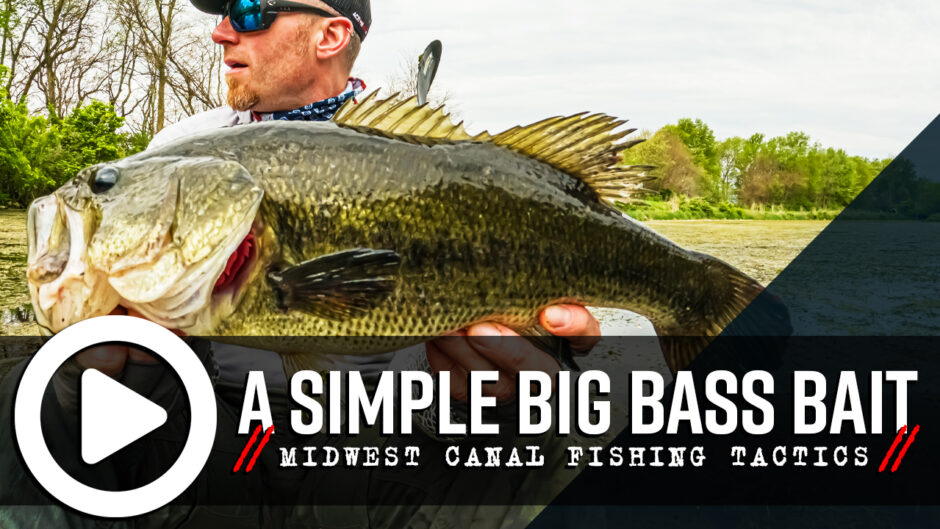
*pop* *pop* *pop-pop* *POP*
The rhythmic sound of what seemed like hundreds of topwater strikes made the hair on the back of my neck stand straight up. I’d never heard so many bass eating all at the same time! Unbelievable. Today will be the topwater bite to end all topwater bites! Instead of launching the kayak I decided to grab a spinning rod and quickly work a stickbait across the top of the muck that filled the narrow Midwest canal, right there at the launch.
However… upon closer inspection, it became apparent that the ruckus wasn’t coming from largemouth bass, but another fish… one with silvery-gold scales the size of quarters, massive girth, cold dead eyes and a mouth shaped like a… well… there is no pleasant comparison. Fill in the blank yourself.
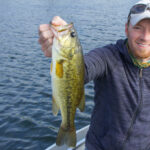
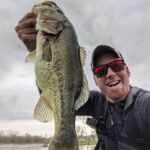
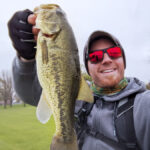
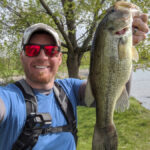
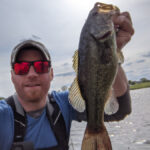
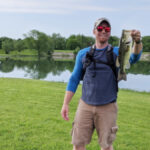
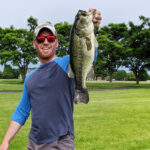
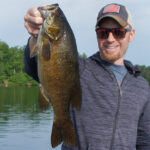
Carp. Hundreds of ’em. Mating? Maybe. Eating for sure. Rolling around in the shallow water, kicking up silt and mud. Over the next few hours these freshwater whales would decide to keep me company (even though I didn’t ask for it) while I caught big bruiser bass after big bruiser bass.
It was minimalist fishing in the truest sense. I took one rod, one hook, and fished one kind of bait all day long with great success. The weather was favorable. The timing was perfect. And yeah… there may have been a bit of luck involved…
Best Baits for Canal Bass
One thing that you have to keep in mind when it comes to canal fishing, is that these areas can often stretch hundreds of miles. They can be very wide or strikingly narrow, and you’ll find productive stretches (or “pools”) surrounded by dead water. In the summer when muck covers the surface, it becomes extremely difficult to see if your casts are landing in 2 feet… or 2 inches.
I just shared this in an article for Midwest Outdoors, but it bears repeating: the best way to avoid wasting time, is to explore the areas you plan to fish in the cold months when the algae is dead and you can see into the water. Make notes, then avoid dead water when the summer gunk fills back in.
Because canals are usually so shallow, I’ll lean on a good muck-resistant topwater, and a good weedless sinking stickbait 80% of the time. Remember the 80/20 Rule in Bass Fishing? It applies here as well.
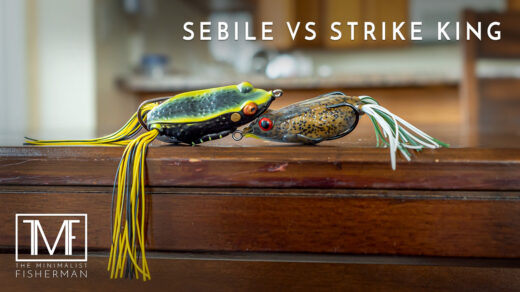
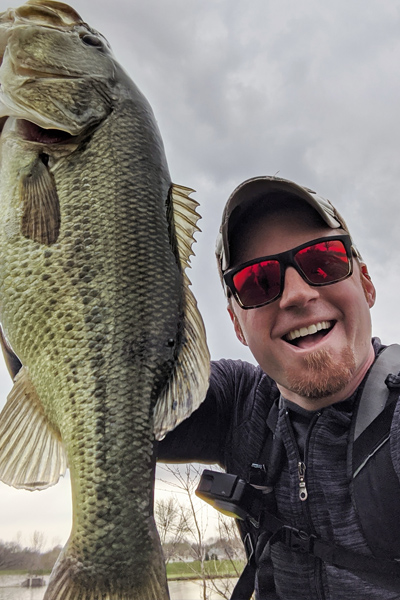
Big fish will attack topwater baits. A favorite that I’ll use all season long is something I call The Crowbar. The Crowbar works in both clear water and heavy muck, and it can be used to pry big fish from the thick slop or snaggy bushes & branches overhanging the bank. Once the water gets above 50° I’ll start flingin’ it. In fact, just yesterday I landed my first Crowbar bass of the year on a super-windy day with 60° water temps. She dwarfed everything else I’d brought onto the shore so far this season!
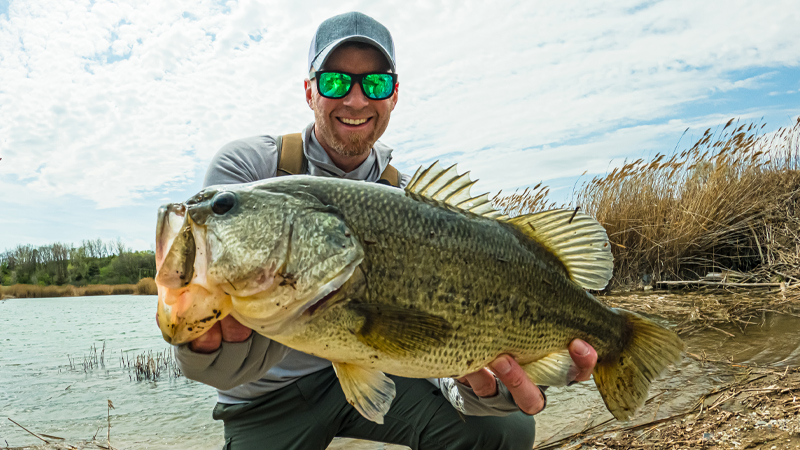
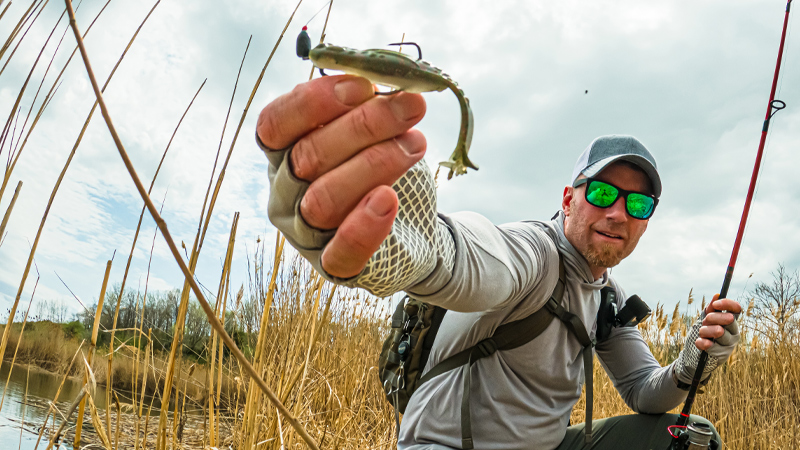
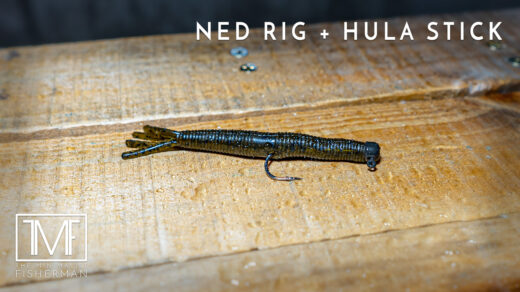
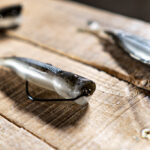
A good weedless, sinking stickbait is also a must, and that’s what worked so well in the video above. Now, in the past I’ve mentioned quite a few that I like, and at different times in different locations, one or the other will usually get the nod on some sort of a Texas Rig (weightless to weighted).




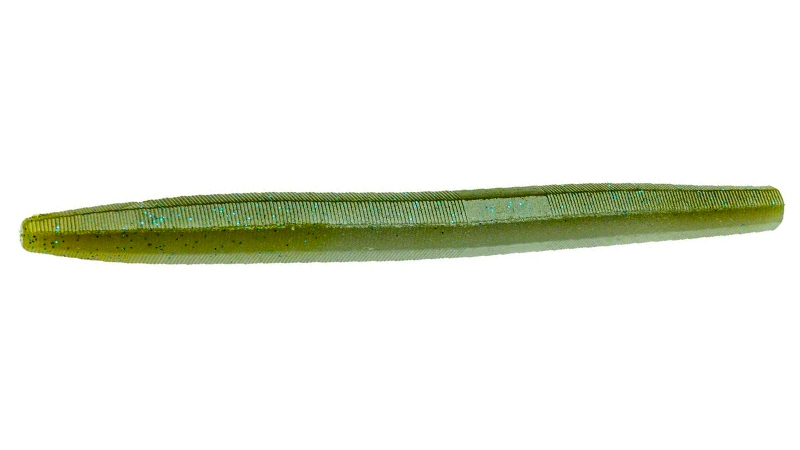

But in super-shallow areas, rigging up a traditional wacky can accentuate a horizontal fall. It’s excellent in canals. Some stickbaits are very salty and sink well on windy days, but they tear easily. I try to avoid using o-rings because while they can make your wacky rig more weedless, they lower your hookup ratio (fight me). Others are more durable but they float and have zero action. Adding weight can increase vibration, but also increases hangups and muck collection.
Fortunately the Strike King 3X Zero Worm merges several of the attributes I want when fishing canals. They are heavily salted so they sink without extra weight, and have “flavor.” They are also made of ElaZtech, so they are very durable and you can rig them without an o-ring and catch many, many fish on a single bait.

But, as with every bait, there are a few cons to the pros. While Zero Worms are heavily salted, that salt will begin to dissolve the minute you toss one into the water. So they do sink… for a while… once that salt is gone they float, and the leftover ElaZtech is very spongy, full of tiny little salt granule cavities.
The salt will also dissolve in the package if you squirt some scent in with ’em ahead of time. I made this mistake more than once before realizing what was going on…
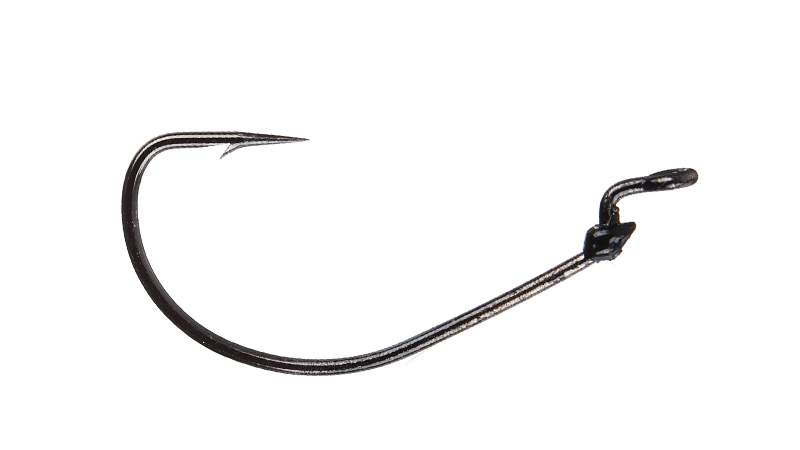
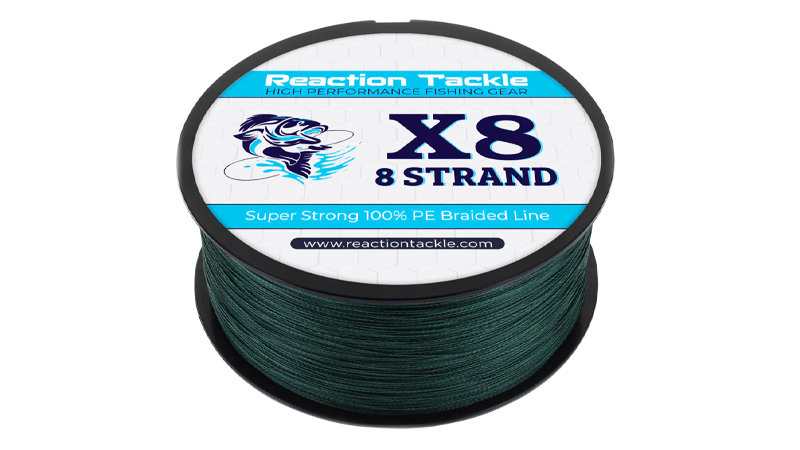
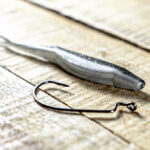
There are a few new modifications I’ll be testing In The Field this season to see if we can reduce or eliminate these issues, but in certain situations like the ones below… the pros still outweigh the cons. I paired a Shimano Catana reel with a Bass Pro Graphite 6’6″ medium heavy spinning rod. Both are very inexpensive, and that rod is stout. I’ll also swap in a Lew’s Speed Spin or a Berkley Lightning Rod at times, and these are very budget-friendly as well. Throw on your favorite 8-strand braid (20 to 30 lb) and tie straight to a Berkley Fusion19 weedless wacky hook – boom – you’re in business.


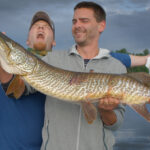
If you pick the right color, you might also catch a surprise or two…
As our weather & water continue to heat up, we can expect a dramatic spike in the activity level of the bass. Shallow canals and ponds will warm up first. Don’t miss out!
Tight Lines & Godspeed, Patriots.





Thank You For Your Support
Your support directly funds the creation of weekly articles and videos that promote the development of better anglers and better men. Our country (and our kids) need both. Please share this site, and consider a monthly, weekly, or one-time donation. You are helping us make a difference!
Discover more from The Minimalist Fisherman
Subscribe to get the latest posts sent to your email.















Recent Comments