It’s been a minute. As we close in on the (bitter, cold, dark) end of 2024, I find myself following the traditional year-end routine. Reviewing notes. Looking at stats. Checking to see what fishing goals were achieved, and dreaming about setting new goals for 2025.
It’s a beautiful, never-ending cycle. One that I love. It’s also a nice distraction.
A few weeks back, my younger brother passed away. My family is crushed (to say the least). November flew by. It was like being in a trance. Each day mushed together with the one before. I told our boys, the days leading up to the funeral will be a blur. It’s going to be a complete whirlwind, and after the dust settles we will find ourselves standing there, alone, 1 man down.
This has come to pass.
I have an archive of videos to edit. The surplus was something I considered deleting, just starting fresh this coming season, but now… now those videos are invaluable. Vaughn didn’t fish with me as much as I wanted, but he did fish with us from time to time.
Vaughn and his infamous tiger muskie on “the spoon,” a black perch Daredevle that he never took off.
This summer, the boat will seem a little light. Dad and I will continue to fish. We’ll have too much room. Won’t be bumping into anyone. Perhaps it’s time for my boys to join us more often? Probably. But even if they do, we’ll be standing there, fishing, 1 man down.
We would do anything for just one more trip.
Dad, Zach, AJ & Vaughn at Grandpa’s Place in Wisconsin
But we have to keep moving. It’s what Vaughn would have wanted, and though my heart is heavy, I rest my sadness at the feet of the cross. I pray he is with the Lord, and I take comfort in the fact that he is no longer suffering in this fallen world.
The days go on. We all take steps. We stay busy. We look ahead.
Still, every evening when the house is finally quiet, I find myself in the dark kitchen, staring at a digital picture frame that cycles through hundreds of family photos. Many include my brother. A few go by… there he is. A few more, there he is again. Holding Fish. Hugging kids. Smiling at my parents. Sitting by a fire. Laughing with me. Joking around with my wife…
… and I just stand there, broken & sobbing, 1 man down.
Love you brother. Godspeed.
Speaking of taking steps & moving ahead…
There was a new little toy that changed my fishing options last year – an ebike. Specifically, the Rattan Quercus. Odd name. Odd looking. You’re asking yourself… “how in the heck does a freaking BIKE help with FISHING?”
Great question.
Let me tell you…
The Rattan Quercus is a super-practical ebike that opens up a new bass fishing opportunity for anglers with limited time.
Where I live, there are several canals that run for hundreds of miles. I’ve fished many areas along the way in…
… my kayak and…
Kayak Largemouth Bass Fishing
… my jon boat.
Jon Boat Largemouth Bass Fishing
But canal access is somewhat limited when you consider how many fishable miles there are. It takes a long time to paddle long distances to explore new areas. However, with an ebike, I can rip through many unproductive miles quickly (even along paths that don’t allow motorized vehicles) stopping only when I come across a pool that looks fishy.
Find a place that looks good? Park the Rattan Quercus, pull out some gear from the satchel, fish it for a bit, then pack up, go and repeat the process. This is a great way to quickly find productive water from the bank!
Hop off. Fish it. Catch something? Stay. Don’t catch anything? Leave.
Repeat.
At the end of this season, I scheduled two different trips on the ebike. Let me tell you… I caught a few good fish on day one…
Enjoy a ride on the Rattan Quercus, park, fish, catch a few, repeat. My best on day one went 2 pounds.
But day two, that was when I found a killer little honey hole 10 miles from where I started, sporting crystal-clear water and good shoreline access, absolutely LOADED with unpressured bruisers!
A nice, fat 3-pounder. The first fish I caught on my second ebike fishing trip. That’s a good sign!
I recorded both days so that I could share them with you:
One of the things that we always need to do is find ways to make the most of our limited time. If bank fishing is something you love – look for tools that can help you move around faster and with less effort, like what I’ve outlined here.
If you do, you can enjoy more casts, more fish, and more fun.
Your support directly funds the creation of weekly articles and videos that promote the development of better anglers and better men. Our country (and our kids) need both. Please share this site, and consider a monthly, weekly, or one-time donation. You are helping us make a difference!
It’s early morning here in the Midwest. A bitter chill hangs in the air. Frost has come. Snow will soon follow. The sun slowly creeps over the horizon and the blurry orange light it brings with causes eyes to squint. Refocus. Adjust. Small misty clouds become visible, as warm breath after warm breath condense on the frigid morning air…
Well… not MY breath…
John’s breath.
Who’s John?
My neighbor. Out for his morning run. Getting after it. “Wow… good for you, John…” I mumble, while looking out the window and indulging in another glorious slurp of piping-hot coffee before turning back to my desk… “Not really my thing… but… good for you…”
I have other plans this morning… it’s time to invest.
No, not in the traditional sense. We’re not dollar-cost-averaging, or looking into the latest crypto-craze. Not shopping for stocks or mutual funds – we’re investing in bass.
Big bass.
Some fellas ice fish, and that’s probably a lot of fun – but with 2 jobs, 4 sons and a lovely wife, I prefer to save up my “fishing credits” and cash them in throughout the warmer months. Winter in our house is a time of recuperation. Upkeep. Grandpa Hauser taught me long ago that instead of sitting on your hands, you better be sharpening hooks and oiling reels! Sound advice for sure, but prior to last season I learned a few powerful tips that helped me catch more fish. Bigger fish.
They’ve become recurring investments I make into my bass fishing season.
… and the best part?
They don’t cost a dime, and the returns are outstanding!
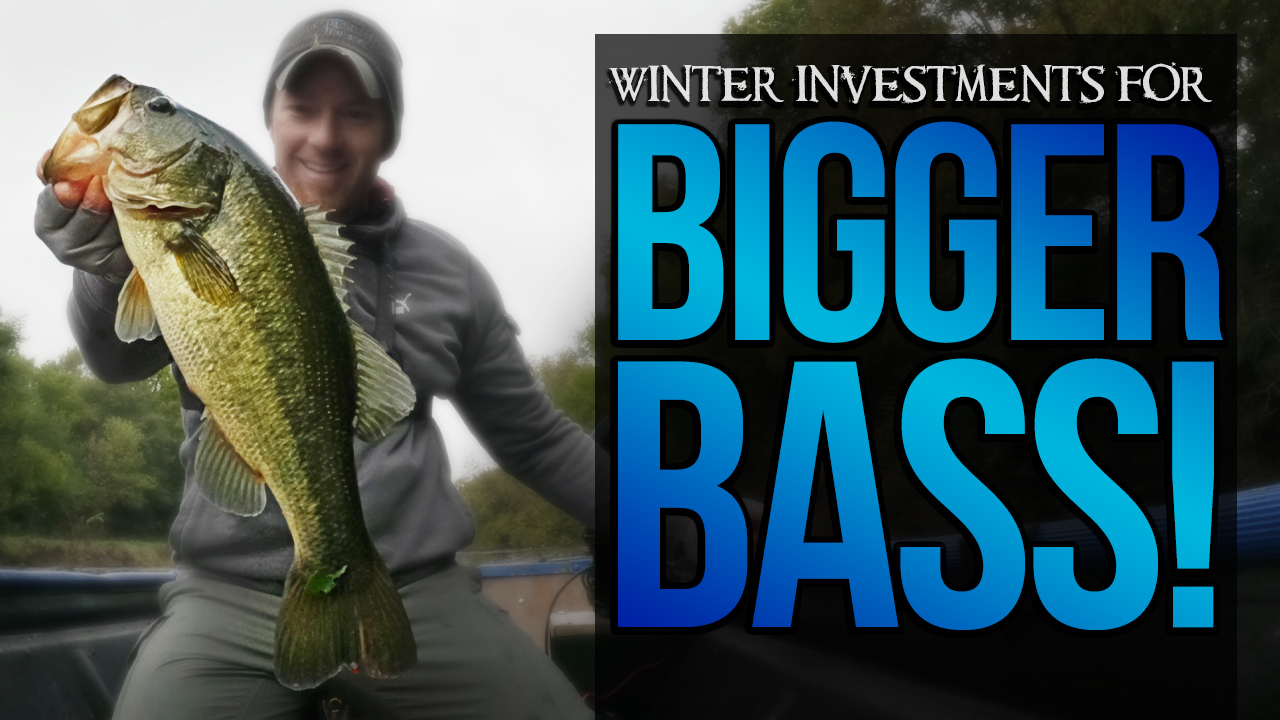
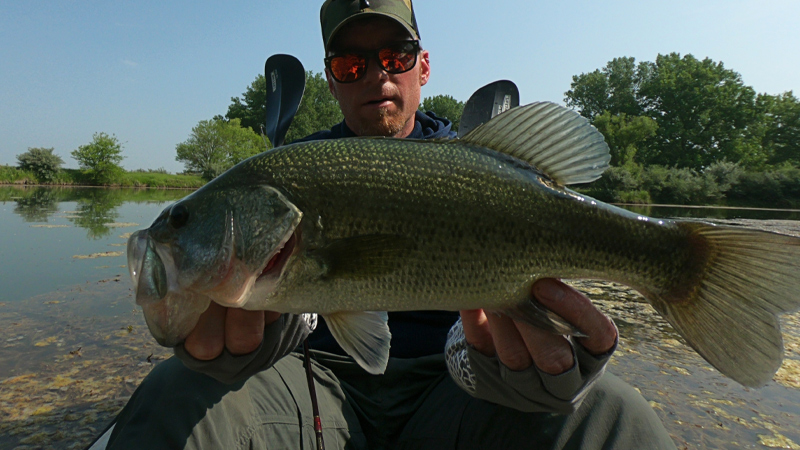
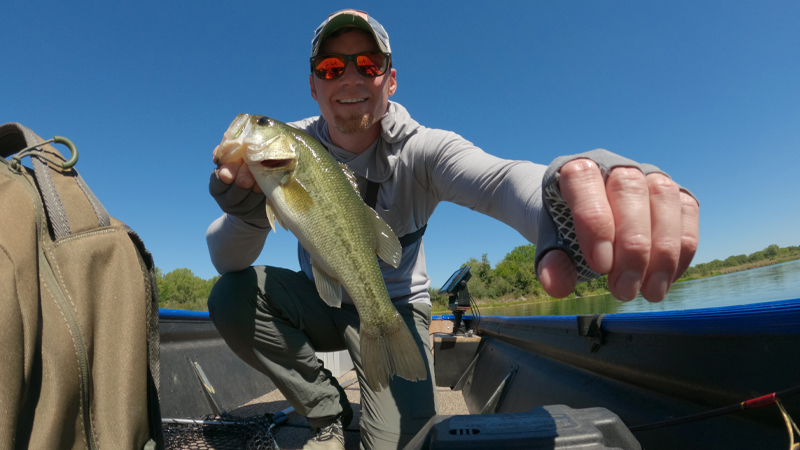
AJ Hauser with a 4 pound largemouth bass taken from a small, hidden – and yes, public – pond in Illinois discovered using these simple techniques.
Let’s jump in.
1. Pick Several New Bodies of Water to Visit Next Year
First and foremost – it’s time to select some new bodies of water to explore this coming season. Get comfortable with the DNR website in your state. If they list fishing locations, pick a few.
Where I live, the Department of Natural Resources offers I Fish Illinois, and while the site looks a bit antiquated, it’s absolutely loaded with information. On the main page you can select one of 5 regions, which quickly filters the links. From there, you can click to access data on county, acerage, ramp availability, boat restrictions, recreational opportunities and the fishing outlook for the year. You’ll also see a bit of history, the local contact information, fishing limits and yes – stocking information.
The I Fish Illinois website offers a ton of information, and it is a great place to invest some time this winter.
Last season, this tool helped me identify new water that looked good within 90 minutes (the maximum distance I was willing to travel one way for a day of fishing). When spring hit, I still fished all the old honeyholes, but also made a point to get out & explore these new locations. It was exciting, and having created a list in advance made it very easy.
My winter research led me to beautiful areas I didn’t even know existed.
2. Utilize the Eye in the Sky
The Googlebox is always watching… is that creepy? Yes. Is it useful?
Also yes.
Before heading out, explore new terrain from the comfort of home. Open Google Earth and plug in any new location you plan to visit. Look for visible cover, as well as points, pockets, islands & coves. If you’re considering winding water, you’ll be able to identify bends, jams, riffles, runs & pools. This gives you a leg up and will help you hit the ground running!
But wait, there’s more. While satellite images are great, treetops can hide all sorts of goodies down below. Switch over to Google Maps and look for little blue blobs. That’s water. Mark those. If you’re in a state park or SFWA, I strongly suggest you check if you’re able to hike and access these less-obvious bodies of water, either from the shore, or in a small kayak.
When used together, Google Earth and Google Maps can help you find hidden gems that would otherwise go unnoticed.
We’ve all experienced the increase in fishing pressure on many popular lakes that are easy-to-access. It’s great that more people are getting outdoors, but frustrating when “our lake” starts to get crowded. Investing a bit of time to find new, hidden areas can be very rewarding!
It’s likely the little body of water over yonder doesn’t see much fishing pressure…… but the fish are there.
3. Seek Out Blogs by Local Anglers
We all like to brag about our catch. Pictures and stories can be seen all over social media, but by themselves… pictures are not very helpful. Last season, I noticed several public blogs written by nearby fishermen. All I had to do to find them was add keywords like “blog” or “fishing report” or “fishing news” when searching for the name of the next new spot I planned to fish.
Then, I’d comb through the results. Some blogs were current, while others were digital artifacts from years ago – but all of them contained information. Many of the angling authors clearly used these blogs as a place to store notes for themselves – but didn’t mind sharing.
This allows us to play detective, piecing together clues and matching bits of information to the assumptions we’ve already made in our mind after viewing satellite images. Very useful.
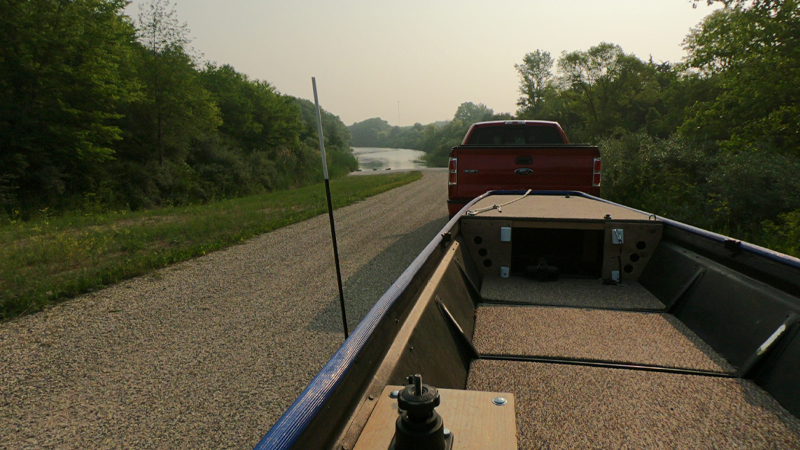
This small backwater area was mentioned in a blog, hidden by shoreline overgrowth. After reading the post I pulled up the satellite images and sure enough – there was a “blue blob” I’d missed...… it ended up being a great place to drag the jon boat and spend the morning!
4. Look for Local Forums and Facebook Groups
As you prowl the web looking for blogs, you’ll likely come across local fishing forums, or perhaps a Facebook group or two. Join them. Contribute! These can also be rich with information.
One thing to keep in mind though: I mention them after blogs because they typically tend to be centered around larger bodies of water. Bodies of water with more fishing pressure and pleasure boaters. If you’re seeking remote areas, you may find a few breadcrumbs worth following, but I tend to use them to get a feel for the bite and current conditions – then use the tips above to find hard-to-reach areas where a kayak or jon boat can slip away from the crowds.
Larger lakes can be very productive. My jon boat can’t compete with speedy bass boats or forward facing sonar, but pre-trip scouting helps me avoid the crowds & fish alone in hidden areas.
5. Talk (and Listen) to People
The last tip is the only one that will require you to leave your cozy home: get out and talk to people! We all know boat ramp etiquette is a must. Casual conversation by the lake can be enjoyable & informative… but take it a step further. Keep your eyes & ears open at work, church, school functions, the grocery store – everywhere – and I bet you’ll pick up a few more fish.
For example, earlier this year several workers were applying new blacktop in front of our house. While driving through, I thanked them for stopping so I could pass, and one commented on the kayak hanging over the side of my truck. After a polite back and forth I offered up where I was going, and he returned the favor, sharing one of the places he liked to fish.
Mental note. Check.
Later that week I took a quick trip, and you better believe a bruiser of a bass hopped right into my kayak! (I’d be willing to bet the worker did just as well at the place I mentioned to him. Win-win.)
Thank you for the tip, Mr. Worker-Man.
Here’s one more quick example: Last season the DNR “carded me” 3 different times. Each time, we had a polite, pleasant conversation. During the last one he said:
“You know… I see you in this jon boat all the time, have you ever taken it into the canal? Lots of guys have good luck there and it’s really shallow with tons of stumps and laydowns. Seems like the perfect spot for the kind of fishing you do.”
He was right.
A few simple conversations put me on some nice fat largemouth that I had driven by hundreds of times – they’d been sitting right under my nose all along!
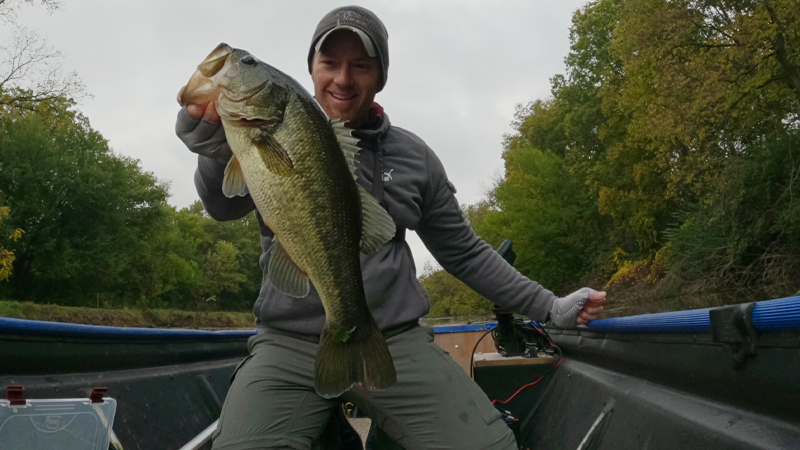
I ended my season fishing in an area I had never even been to before, and these fish (plus many more) came as a result of talking – and listening – to others.
So, Fellow Anglers – Invest!
There’s always something to do. Something we can improve. It might be our gear, our storage setup, or any number of tasks and upkeep, but if you long for warmer days in the Midwest don’t just sulk or sit on your hands.
Take some time to invest in future fishing returns – you’ll be glad you did!
Tight Lines & Godspeed, Patriots.
Get Articles & Videos First
Catch More Fish Than Your Friends. Laugh At Their Tears.
Your support directly funds the creation of weekly articles and videos that promote the development of better anglers and better men. Our country (and our kids) need both. Please share this site, and consider a monthly, weekly, or one-time donation. You are helping us make a difference!
I hope that all of you are having a great 2024! I’ve been quiet lately and wanted explain why…
Last year, one of my big goals was to get a few articles published on different websites. Believe it or not… this was actually way more difficult than I anticipated. There are many websites that focus on fishing… but most are completely inactive – or worse – filled to the absolute brim with crappy, spammy content and ads out the wazoo.
If you search the Googles, you’ll find yourself bouncing back and forth between sites with (sometimes really good) bass fishing tips from 2003, then the next will have “The All-Time Worldwide Best Baits for Largemouth Bass – You Won’t Believe #7!!!” – and the article will quite literally list every single bass fishing technique in existence, surrounded by so many affiliate ads it’s completely unreadable.
Frustrating.
I couldn’t find other sites worth contacting… so, I decided to start contacting some of the bigger names we all know around these parts (even though I didn’t think they would be interested in what I could contribute… see Dunning-Kruger Effect). In December, a little before Christmas, as I was sulking about feeling sorry for myself, being depressed (as is my norm during the winter months) I decided to reach out to a writer over at Midwest Outdoors named Dan Brozowski. He penned an article on Fall’s In-Between Fish, and we struck up a conversation about possibly using some Yamamoto Hula Grubs in my beloved clear water pits this coming season.
Well, one thing led to another and I managed to land an email in Dave Csanda’s inbox, and if that name sounds familiar it’s probably because you recognize him from The Freshwater Fishing Hall of Fame. I sent him a few articles that have been published here, and he responded: “I read your stuff and would welcome your submissions. We need another article for January but the deadline is less than a week away…“
There it was.
An opening.
An opportunity.
Time to make hay.
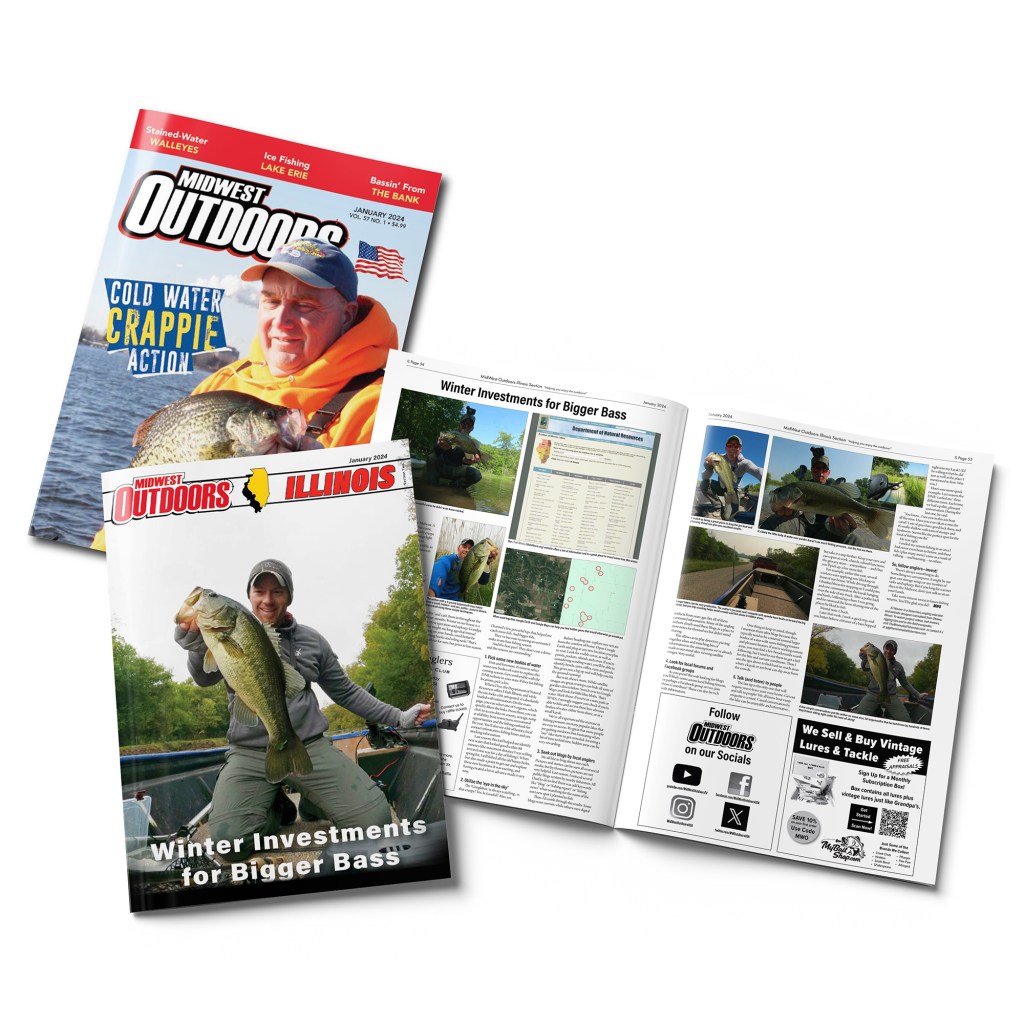
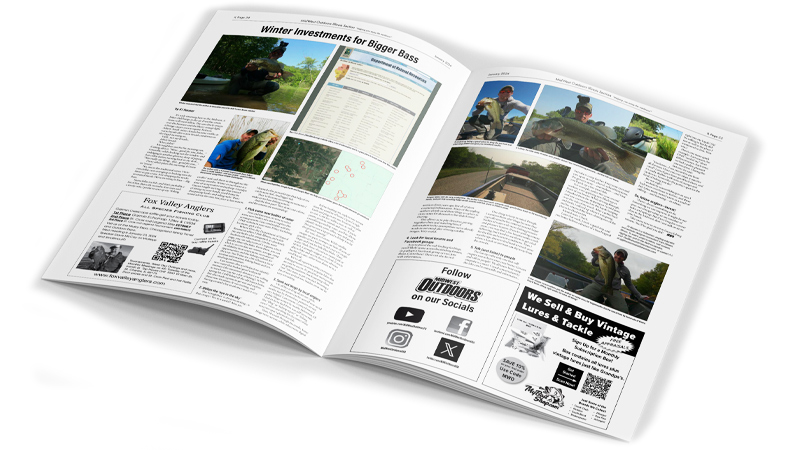
A few days later I sent over an article with several pictures from the end of the season, along with tips for finding and catching bigger bass. I was pleasantly surprised when I heard that they had accepted the article. I was even more surprised when I received the January issue in the mail, and saw they had decided to use my picture for the cover of the Illinois section!
Midwest Outdoors: January 2024 Article by AJ Hauser: Winter Investments for Bigger Bass
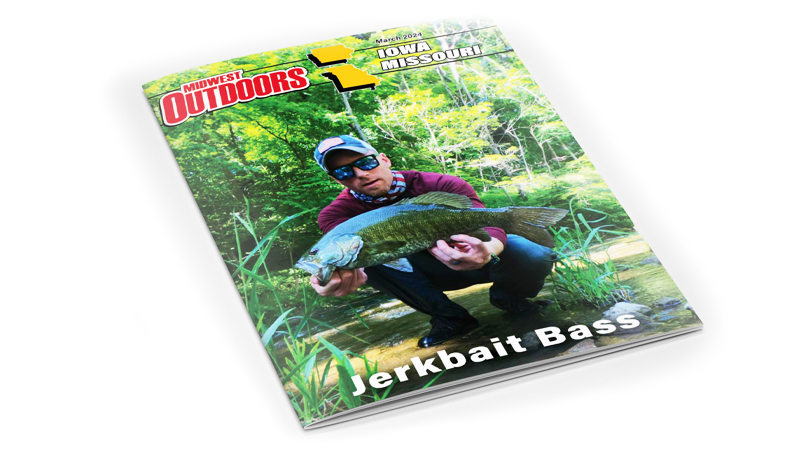
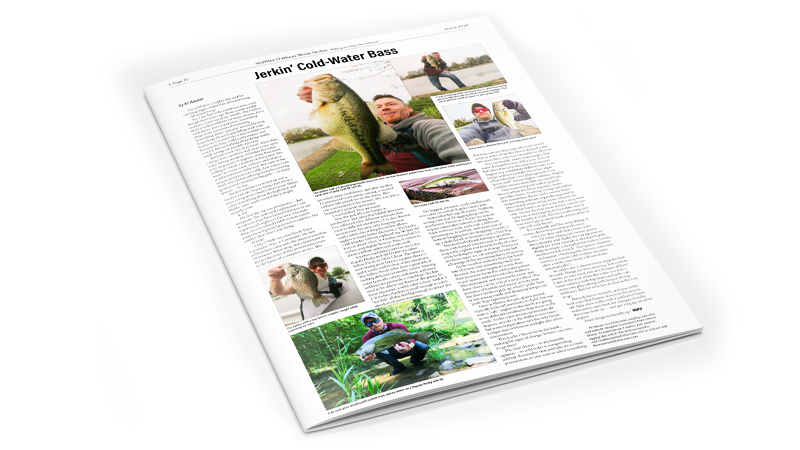
Shortly after that, the article ended up in their monthly Midwest Outdoors Insider Newsletter. Sweet! I emailed Dan and Dave, along with Ann, Tina and Dena over at the MWO office to say thank you for the opportunity and for using some of my stuff – and with it, sent another article that got picked up and used for the March issue, along with the Iowa / Missouri cover:
Midwest Outdoors: March 2024 Article by AJ Hauser: Jerkin’ Cold-Water Bass
Jerkin’ Cold-Water Bass ended up on their website, then an article titled “Go Small or Go Home: The Advantages of Fishing Small Water” was printed in the April issue, and my 4th article is currently on deck for May.
Midwest Outdoors: April 2024 Article by AJ Hauser: Go Small or Go Home: The Advantages of Fishing Small Water
So, my friends, this is what I have been focusing on since December of last year. Holding a physical, printed article is something I have hoped for and worked towards since I started The Minimalist Fisherman in 2019. To see my picture alongside well known heavy-hitters and local hammers is just… it’s surreal.
When I was just a wee lad, my Dad had a box of In-Fisherman books that would come out at the beginning of every Manitowish fishing trip. They’d be sprawled across the bed, and I would hop up and flip through the pages written by Al, Ron and Jim Lindner, Dan Sura, Doug Stange, Steve Quinn, Larry Dahlberg, Ralph Manns and Dave Csanda. Dad and I didn’t didn’t talk much. We didn’t have to. He would tie spoons and jigs and plugs onto his many fishing poles while I looked at those books, and we both dreamed about catching big fish.
Fast forward 30 years.
To have a brief email discussion with one of these guys. To hold a printed article in my hands. To place something I wrote with pictures of my fish on the dining room table so my parents, wife and kids can see…
It means a lot.
I thank God for the opportunity, and I hope to continue sending articles and pictures that get put to use. Being in a position to help other anglers after so many have helped me is extremely rewarding!
But now… now, it’s time to get ready to get out into the field. My 2024 fishing season is only days away from starting. It will be cold. It will be wet. It will be rough… but it will feed my soul.
I’ll log all of it and share with you the changes I make, the techniques that work, and the fish I catch.
So brothers… here’s to 2024… let’s get bit!
Tight Lines & Godspeed, Patriots.
Get Articles & Videos First
Catch More Fish Than Your Friends. Laugh At Their Tears.
Your support directly funds the creation of weekly articles and videos that promote the development of better anglers and better men. Our country (and our kids) need both. Please share this site, and consider a monthly, weekly, or one-time donation. You are helping us make a difference!
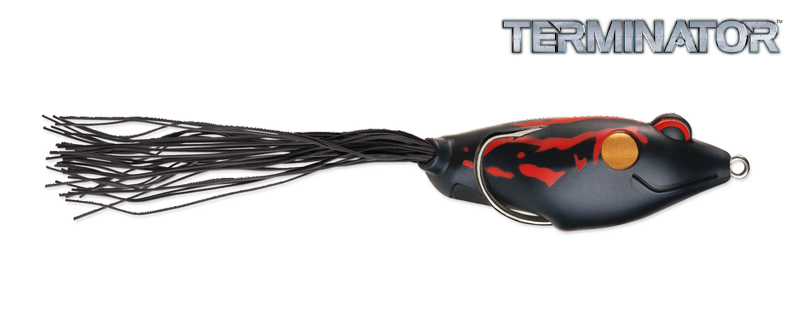
Notice the back has a killer design. Dang! That’s SWEET! And as you work it over the muck and the pads… the bass are going to see… the white belly (if anything)…
That’s not bad, but it’s something to be mindful of when you are selecting your topwater. And sure, bass that see the frog at an angle might notice part of the top. If it rolls (not ideal) on the retrieve, they might be able to catch a glimpse… but for the most part if you go with a bait like this you’re simply throwing a white frog.
This Terminator Frog has some accent colors on top, but the entire body is black. Hence, you’re throwing a black frog.
This means you can probably minimize your frog box and focus on quality, not quantity.
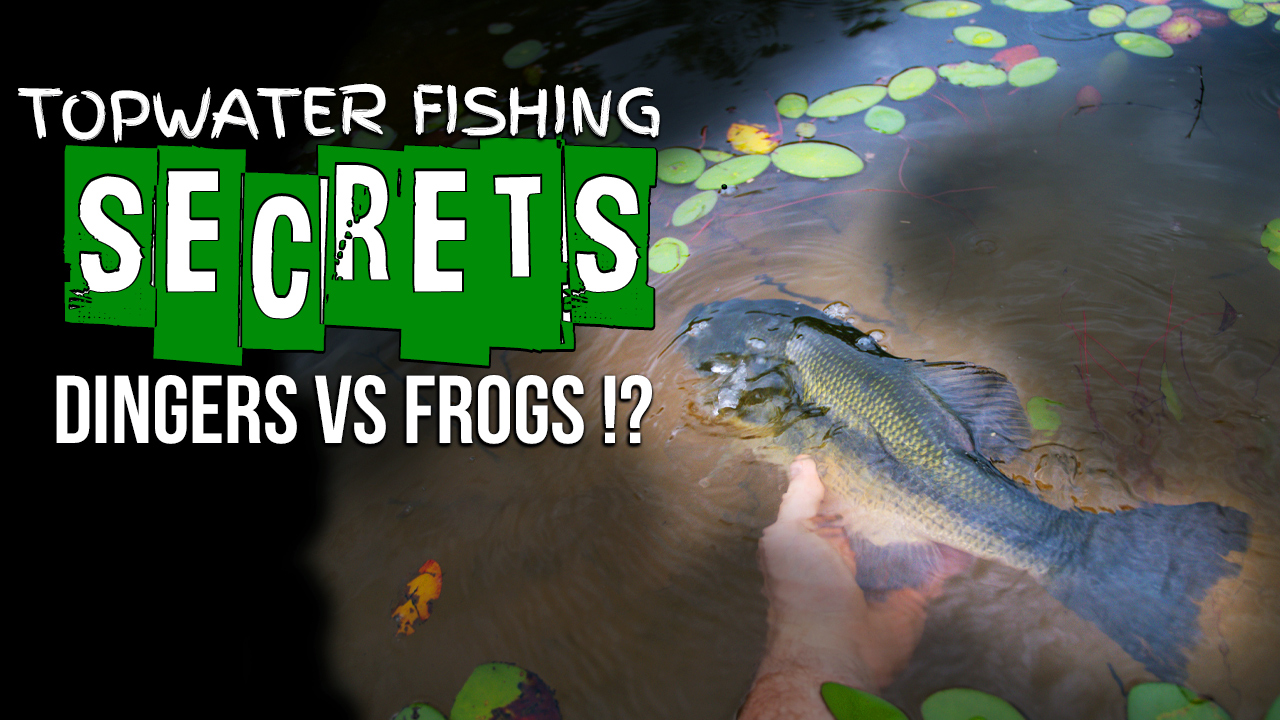
2. In mucky water, the bass don’t care what your topwater looks like.
Say again?
If bass are set up below thick mucky algae, they don’t care what your bait looks like, because they can’t see it anyway. This is true when the water below the algae is clear, and even more true if the water is stained, tannic, or straight up pea soup.
They are reacting to the commotion – the movement – the easy meal.
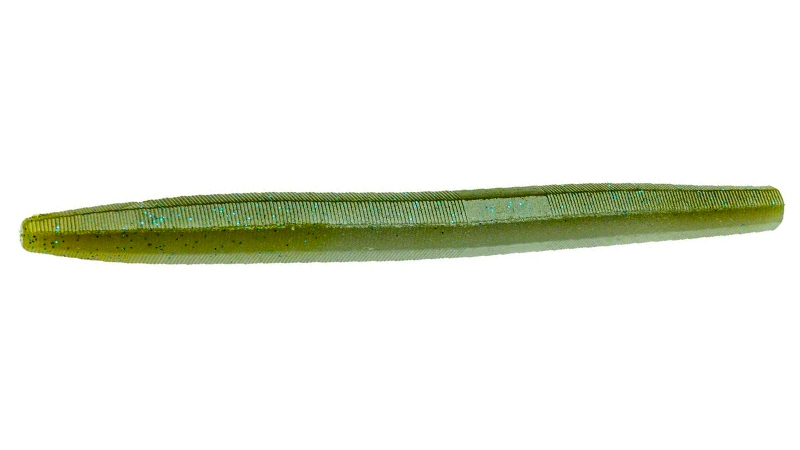
Because of this, one of my favorite ways to target these bass is with a 4″ or 5″ Yum Dinger rigged weedless and weightless on a 3/0 or 4/0 EWG.
New honey hole with muck near shore, pea soup for water, and healthy bass.
Here is the gear I use when I’m rigging a Dinger on an EWG, including my mainline (braid floats) and my leader material (fluorocarbon line gets snagged up less than braid and is abrasion resistant).
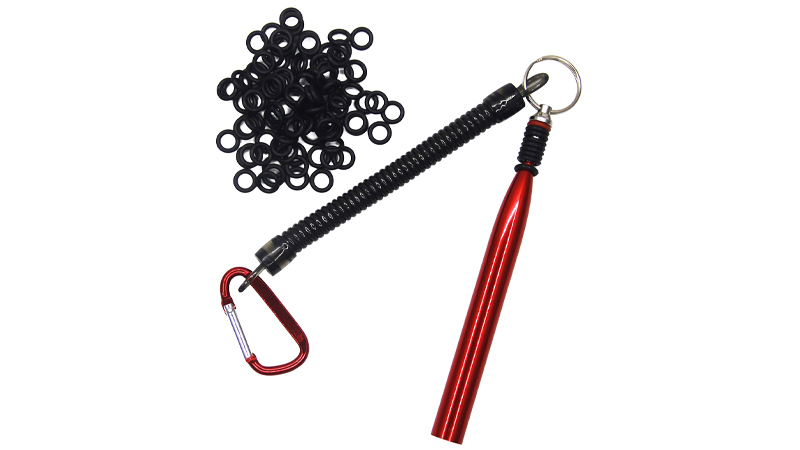
As you can see, this is different than the gear that comes into play for throwing straight wacky worms around weeds or sparse cover. When I’m not fishing around muck, I’ll completely skip a weed guard on the hook to stay as invisible as possible, crisscross 2 o-rings to rig perpendicular to the bait which increases hookups, and go with a thinner fluoro with less memory:
When you throw a Dinger topwater, it’s essentially a weightless Texas rig. Slow-sinking, yes, but not heavy enough to punch through the mats. However, when you reach the edge of the mat, pull it off and let it slowly sink for a second or two. Often times bass that are watching the movement above will gladly shoot out and smoke the slow-sinking stickbait as it drifts right in front of their face.
That is… if they haven’t already SMACKED it right through the thick of it!
Largemouth Bass Strikes a Topwater Stickbait thru Muck
Quick Trip: Topwater Dingers in the Muck
I keep a selection of both floating and sinking stickbaits in my Base Box for Fishing Muck, but it’s also important to remember as a Minimalist Fisherman our goal is to travel as light as possible. On kayak trips when we can only select a handful of baits, frogs take up a lot more room that stickbaits.
They’re also less versatile.
FACT.
You can hit every depth with a stickbait, provided you have a few sinker & hook options.
Your support directly funds the creation of weekly articles and videos that promote the development of better anglers and better men. Our country (and our kids) need both. Please share this site, and consider a monthly, weekly, or one-time donation. You are helping us make a difference!
Have you ever struggled to keep up with something?
I have, and to be honest – I’m having a rough go of it lately…
What do we do as fishermen when we get a free second?
We fish.
Fair enough.
I’ve been fishing as much as possible lately. That means I haven’t been writing or editing videos as much. That’s a bummer – but on the other hand, it helps me stay sane. Helps me stay away from bad habits…
This year has been a wild one – and it ain’t over yet.
So far I’ve managed to almost sink my kayak, had ticks on my unmentionables, I’ve busted rods and reels, lost big fish, and I just discovered some fun new leaks in my jon boat. To top it all off, I’m recovering from a very painful allergic reaction to the antibiotic I had to take to help kick my incredible, amazing, MASSIVE, nose infection.
That was genuinely scary. I posted a quick video hoping it might prevent other fisherman from suffering the same painful fate. To warn them. It seemed to resonate with a few different online creators, and one in particular reached out to to let me know he planned to share the video, and send along some well wishes.
That gentleman was Rick Vogelbacher. We struck up a few conversations, and I asked Rick if he would like to contribute to the site. He obliged, and much to my surprise – he wrote a piece that dealt with one of my favorite presentations: The Jerkbait.
The following is just a straightforward 5-minute read, but it covers jerkbait use at different times of the year… plus some additional info I was unaware of…
It’s The 5-Minute Jerkbait Guide for BIG BASS. Check it out, and let me know what you think!
The 5-Minute Jerkbait Guide for BIG BASS
By Rick Vogelbacher
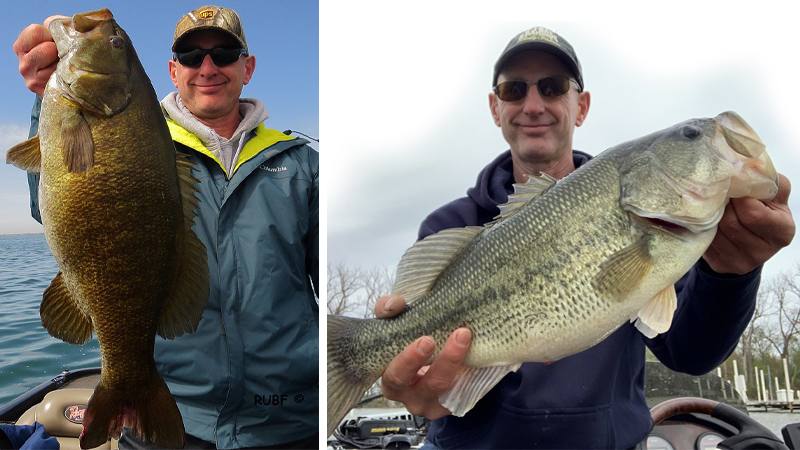
Author Rick Vogelbacher with a MONSTER 7 POUND SMALLMOUTH (and a beauty of a largemouth bass to boot)
Fishing jerkbaits for bass can be overwhelming with so many choices on the market. You have ones that float, sink, suspend, or dive to different depths. How do you know which ones to use? There are times when we make these choices a little more difficult than they need to be. It can be as simple as the time of year you’re fishing. It could be the body of water you’re on that helps you make the choice for the day.
Let’s go over some of the basic choices for the time of year you’re fishing.
Fishing Jerkbaits in Early Spring
Ahhh… spring time fishing. The water is cold and it’s the first warming trend since the winter months. I’ve caught them on jerkbaits with the surface temperatures ranging 40 to 60 degrees. The clear choice for jerkbaits during these cold-water days is a suspending jerkbait.
They come in deep diving variations, and mid-range models that dive just 3 to 6 feet. The package or product description should tell you if the model suspends, and how deep it dives.
Colors can vary and depend on the body of water you’re fishing. Generally, jerkbaits are a good choice when you are fishing clear water. They are a visual presentation, and therefore excel in clear water situations. Stained water can be productive at times, but you will want to use a much brighter color so the fish can zero in on the jerkbait. They won’t travel as far in stained water to chase a jerkbait as they do in clear water.
One of the biggest things fishing a suspending jerkbait in the spring is to focus on the cadence of the retrieve. I would venture to say more often than not you will want to do at least a 3 to 5 second pause in between jerks with the lure. Typically fluorocarbon lines are preferred by pro’s, but I’ve been doing just fine with mono for years.
The biggest difference is the monofilament line tends to float whereas the fluorocarbon line doesn’t. The most common line diameter to use is 8 lb. test, but strength and thickness can vary from brand to brand. Typically, I will use 10 lb. line. There are times I will go as heavy as 12 lb. line, but not very often. The thicker the line diameter the less action you will get out of your jerkbait. Translucent, silver, light greens or blue mixed in colors work well on clear lakes.
Fishing Jerkbaits in the Summer
Fishing jerkbaits during the summer is a whole different ball game. The surface water temperatures can run 80 to 90 degrees depending on the part of the country you’re in. There is no bigger emphasis on cadence on the jerks of the lure than during this period. It can vary day to day, but the majority of the time you are working the lure much faster than any other time of the year.
The bass metabolism is at its highest and they are keened in on chasing and eating baitfish. You will want to jerk your lure much quicker with much shorter pauses. Often pausing it briefly and either do two quick jerks or three in a row before the next pause. Colors for clear water will be the same, but you’ll notice that bass in stained water will be more active and likely to hit the jerkbait. The largemouth in this video below show just how effective a jerkbait can be during the summer months.
When the water starts to cool in the fall, the productivity of jerkbaits can really start to shine. You will use many of the same retrieves and colors mentioned in the early spring pattern, with one major difference – the bass will be less active some days as the water cools down. In the spring the water temperature is rising and the fish get more active with those rising temperatures. In the fall the opposite is happening. The water is cooling down and the fish are trying to get accustomed to the falling temperatures which can cause some inactivity. This is the main reason you will want to go back to those long pauses on the jerkbait to trigger the strikes.
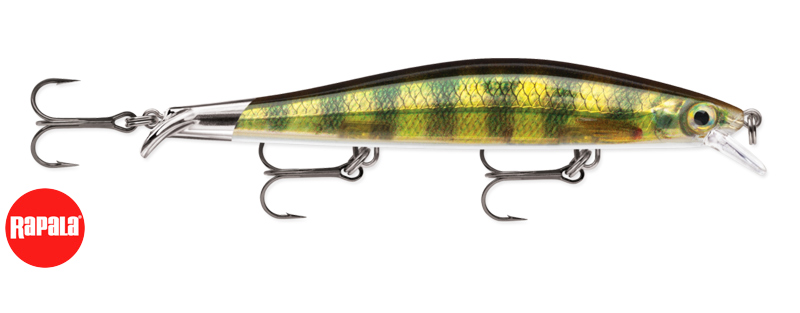
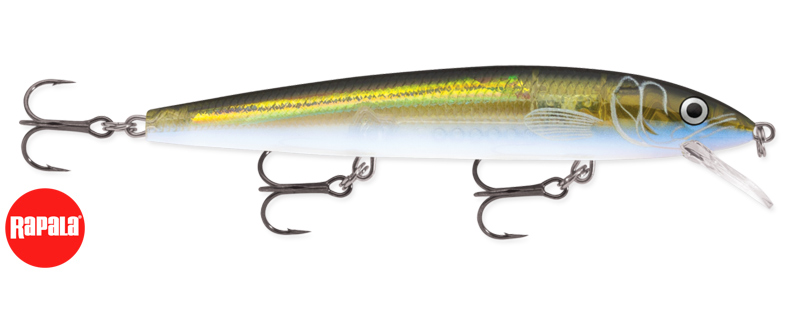
The difference in getting bites and not getting bites can sometimes boil down to the size of the jerkbait you are throwing. Most jerkbaits are referenced by length in millimeters. For instance, anything with 110 in the name is going to be 110 millimeters long (4.33 inches). One that has 90 will be 90 millimeters long (3.54 inches). There have been days where we have only caught them on the smaller 90 and can’t get a bit on the 110.
Additionally, jerkbaits come in 120, 150, or really small in the 60 range. It’s something to be aware of when you’re trying to match the hatch of the bait fish they are feeding on.
For more tips on jerkbait fishing and to see underwater footage of the jerkbait and baitfish they feed on. Check out the video below.
Big thanks to Rick for sharing his knowledge on the subject, and big thanks to you as well for checking this article out. There are many more coming down the pike, as this year has been very challenging – but also very rewarding. I’ve spent a lot of time these last 2 months in the jon boat. These next few weeks I’ll hit my pits as hard as possible, before everything slows to a crawl…
Fat bass caught skipping a Z-Man Trout Trick… although, the Z-Man FattyZ have been more productive…… and the jerkbait bitehas been good as well… for smallmouth and largemouth!
Get out & get some.
Tight Lines & Godspeed, Patriots.
Get Articles & Videos First
Catch More Fish Than Your Friends. Laugh At Their Tears.
Your support directly funds the creation of weekly articles and videos that promote the development of better anglers and better men. Our country (and our kids) need both. Please share this site, and consider a monthly, weekly, or one-time donation. You are helping us make a difference!
So, I have these hooks… and they are vicious looking little dudes… but, I haven’t been able to find a good use for them for years. Gear that sits like this, unused, needs to be tossed, round-filed – minimized.
However, while rolling them back and forth in my hands, lightning struck. On a recent bank-fishing trip to Snapping Turtle Pond I was able to fish stickbaits and wakebaits very effectively, but there was a major problem…
When I would get a bass up near the shore, the act of lifting the fish 10 feet high in the air, up and over the tall reeds & grass, resulted in several lost fish. They would either get stuck and fall back in the water, or my little wacky hook would simply pop free – releasing the fish before I had a chance to give ’em a smooch.
I needed a longer pole, heavier gear, and a hook that would stay put when lifting fish up and out. The CHT Double Wacky Hook paired with a stout spinning setup and heavy braid-to-fluoro fit the bill. Now the good news is that I have about 6 more of these, and they will last for a while – the bad news is that I’m not sure if they’re still making ’em… if anyone has any idea, please comment. Might be a good idea for me to send them an email right now just to check…
If you fish from the bank, check this out and go get some hawgs!
Lifting Fat Bass High Into the AirClick the banner to jump to Stars & Bars Fishing on YouTube.
The Lunkerhunt Battle Beetle is something that I will try again. However, it has two exposed trebles on the back. On this trip the slight amount of floating debris made this bait unusable.
The CHT Double Wacky Hook allowed me to lift big fish up and over the tall shoreline reeds & grass. This hook did not pop free as easily as a single wacky hook on previous trips.
The o-ring allows the maximum amount of hook to be exposed – just like using o-rings with a standard wacky hook. Cool feature.
Big fish will hide right up next to shore if there is adequate cover and they feel safe.
It all comes down to balance. When I’m fishing clear water, I go as light and natural as possible, but in a place like this increasing the size & strength of the entire rig is a must.
Your support directly funds the creation of weekly articles and videos that promote the development of better anglers and better men. Our country (and our kids) need both. Please share this site, and consider a monthly, weekly, or one-time donation. You are helping us make a difference!