Tag: The Fishing Archives

  • What are Borrow Pits and Can You Fish Them?

    What are Borrow Pits and Can You Fish Them?

    Good morning, brothers.

    I came across a video last night, where a YouTuber was complaining about the amount of people on their favorite local shoreline.

    It certainly does seem like fishing has increased in popularity. Unfortunately, fishing etiquette has not increased at a proportional rate.

    It’s not uncommon to have people, pets, or any number of things encroach on an area where you’re working and just wreck the fishing… but complaining won’t help…

    So, What’s a Fisherman to do?

    If your fishing area is busy… you only have 4 options, and 3 of them SUCK.

    1. You can quit (don’t be a wuss)
    2. You can complain and wait for the world to change around you (bad choice – none of us are that important)
    3. You can be rude and tell people to leave you alone (no – being annoyed is not a good reason to be a crappy person)
    4. You can find remote areas to fish (good choice – take matters into your own hands like a man)

    I like option #4, but this begs the question: where does one find these remote areas?

    One option is to look for places that require a fair amount of effort to explore… the fishing is not necessarily difficult, but getting there is. However, another option that I stumbled into is looking for water that is difficult to fish.

    Clear water is difficult to fish.

    Full stop.

    Here in the Midwest, clear water is not exactly abundant. We’re surrounded by algae-filled lakes and dirty rivers… but some of the pits are extremely clear. I’m talking 20-foot+ visibility on a bright morning… and noisy bank fishermen plodding along are not going to catch these spooky fish… after a day or two of this, they won’t be back…

    Ain’t no fish in that lake!

    Oh… yes there are… they’re just harder to catch…

    pit quarry fishing smallmouth bass clear jon boat
    Pit smallmouth bass on a Z-Man EZ Tube

    What is a Borrow Pit?

    borrow pit lake pond quarry stone
    Some pits can be surprisingly beautiful, and in this example, there won’t be much bank traffic simply because there isn’t really anywhere to walk. If a tiny ramp is present, this is a perfect jon boat or kayak lake…

    The term borrow pit is one used in construction and civil engineering that describes an area where earthen material has been removed. That material will be used for fill at another location. Often people think that the name comes from “the borrowing of material at one location, to be used at another.

    I was surprised to find that the name is actually a misinterpretation of the word barrow. A barrow is a “mound” of stone or dirt, and barrow pits were created when these mounds were required.

    As per usual… there are many different thoughts on which is correct, and which came first… but here’s the important part…

    Borrow Pits can be “Reclaimed” and Utilized

    borrow pit lake pond example quarry stone
    Some pits are absolutely massive…

    Often, this means turning them into ponds or lakes by filling them with water when they are no longer in use, and incoming and outgoing technicalities of the water aside, they are valuable for recreation, the water supply, fishing or any combination therein.

    It is advantageous to fill these pits, because if they are left barren it’s not uncommon to see them become dump sites for “end of life” vehicles, urban waste, or even hide outs for armed robbers and ritual killers.

    (When I was a kid, me and some buddies found a trailer in an old local pit that was filled with dead, skinned animals. Safe to assume there was something evil going on… )

    When filled with water, pits need to be set up properly or that water will stagnate and turn into a breeding ground for mosquitos, tsetse flies and other nasty critters. Pits that are properly formed are able to carry fish and wildlife.

    In terms of bottom composition, weeds are not out of the question – but it depends. What material was here? What was removed? Sand, gravel, clay (e.g., bentonite), limestone, talc, iron ore,
    and bauxite, among others may make up the area.

    This means that weedy cover may not be present (or very sparse) because it simply can’t grow – but on the other hand, the water can be crystal-clear.

    This makes the fish spooky. It makes them harder to catch. It makes stealth imperative. It means hobbyists will become discouraged and leave. It means extra thought must be put into bait selection, and how we approach different areas, and what areas we dedicate time to.

    It makes for a much more challenging – and therefore rewarding – fishing experience.

    So to my friend that was lamenting the congestion on his local city lake shoreline, I would say this.

    Find a pit.

    Embrace the suck.

    It will be frustrating at first, but accept the challenge. Go out and get after it. Because the fish are in there… and when you start to put together the pieces of the puzzle… it starts to get really, really fun.

    In the next article we’ll talk about a few top tier options for fishing wary bass in crystal clear water that really work well for me.
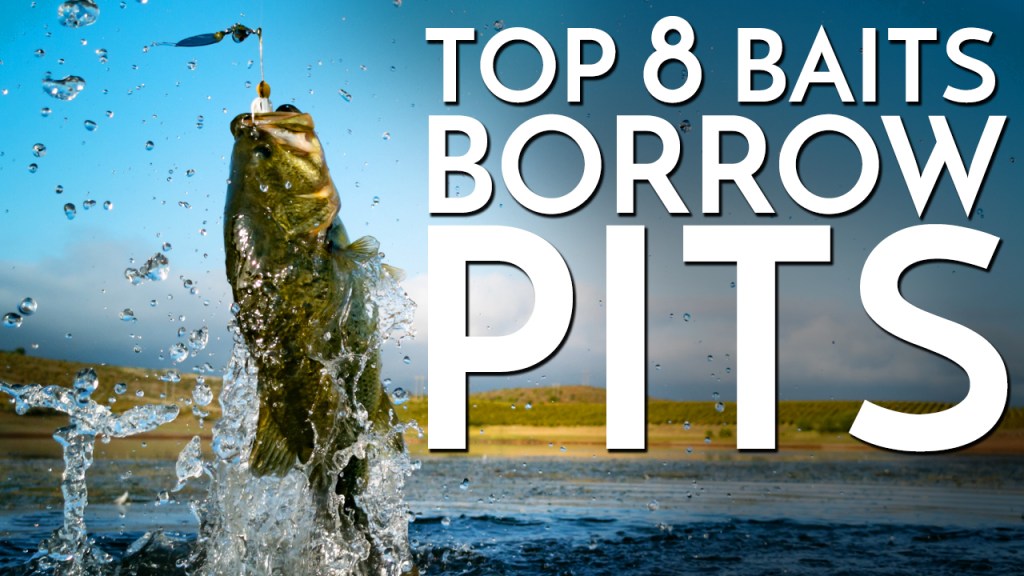
    top 8 baits borrow pit bass fishing
    The Top 8 Baits for Borrow Pit Bass Fishing

    Then, I’ll be tying them on and using them myself.

    rock quarry jon boat largemouth bass fishing
    Soon…

    Tight Lines & Godspeed, Patriots.

    Callout Section The Minimalist Fisherman Midwest Bass Fishing Blue Banner Background Migration
    The Minimalist Fisherman Father Son Bonding Better Anglers Better Men

    Thank You For Your Support

    Your support directly funds the creation of weekly articles and videos that promote the development of better anglers and better men. Our country (and our kids) need both. Please share this site, and consider a monthly, weekly, or one-time donation. You are helping us make a difference!

    TMF Small White Logo
  • What Affects the Strike Window of Largemouth Bass?

    What Affects the Strike Window of Largemouth Bass?

    Good morning Brothers.

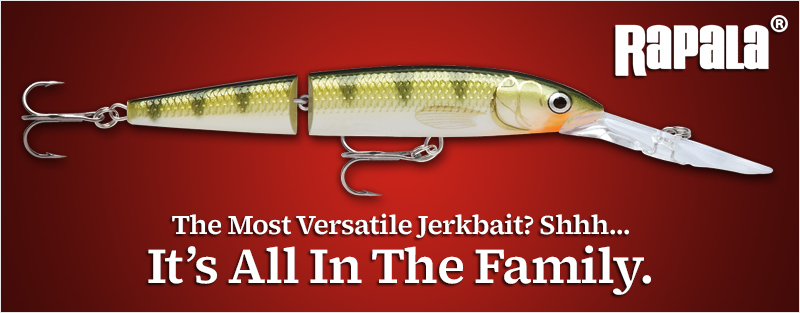
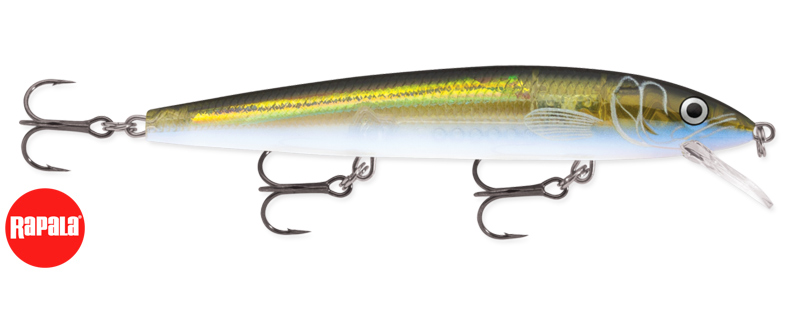
    Yesterday, I did a little bit of online shoppin’. Picked up 3 new jerkbaits in the exact same finish and size. Should be here in a few days, and I’m pretty excited – #8 Husky Jerk (two hooks, 3.125″) in Olive Ghost.

    Ad Rapala Husky Jerk Olive Ghost Banner
    The Rapala Husky Jerk

    Why am I telling you this?

    Well… because… buying 3 of the same thing doesn’t seem very minimalist, does it? Seems like I’m fallin’ off the wagon a bit, eh?!

    gif fall off the wagon
    “Here we go again!”

    No no no, see here’s the thing: the goal of a Minimalist Fisherman isn’t to stop buying gear. The goal is to find out what works – why, when & where – then use that thing while taking less stuff with you so you can catch more fish.

    It’s all about mindful, intentional, careful accumulation.

    Last year I caught many quality fish on jerkbaits. How many had I caught in the years leading up to that point, you ask? None. I kid you not! NONE!! But as soon as I decided to dedicate time and effort into really understanding how to work the bait – the hits just kept coming!

    Why?

    Because suspending jerkbaits give you the ability to pause right in the gamefish strike window. They can trigger a reaction strike if they’re moving quickly, or tempt pensive biters on the pause. They’re an extremely versatile hard bait, and I was missing a lot of fish by not utilizing this tool. Adding them to the arsenal brought success.

    Illinois Jerkbait Largemouth Bass AJ Hauser Lucky Craft SK 80 Jerk
    AJ Hauser Fishing Massive Illinois Crappie on a Jerkbait
    Illinois Creek Fishing Rapala Husky Jerk Smallmouth Bass
    Midwest Illinois Bass Fishing Pop 'N Drop by AJ Hauser Largemouth Bass

    I want that same success for you. Seriously.

    So as we prep for spring fishing… I’m looking over every presentation, thinking about what to start with. If I can fish a jerkbait, I’m going for it – and this Olive Ghost color (which is semi-transparent) should play well when the water is clear. When the cover is sparse. It’ll get fished in creeks and quarries, and the bass will have time to inspect… but mark my words… this is gonna get bit… provided I can stop ‘er right in the strike zone.

    Ah! Strike zones… strike windows… just how big is the strike zone of a largemouth bass?

    What Changes the Size of the Largemouth Bass Strike Zone?

    A few days ago we discussed the strike window of active and hovering bass (note that “strike zone” and “strike window” are interchangeable). This strike zone can change based on the speed the bass is moving, the direction it’s facing, or it’s current activity level.

    This is important, but let’s list a few other factors that can increase – or decrease – the strike window:

    Bass tend to feed actively for short periods of time. They will cruise just outside of cover, stropping periodically to look for vulnerable prey. During these periods of high activity, a splash won’t always spook them – in fact, a splash can attract them. They’ll move in to inspect… and sometimes, active bass will even compete with one another, which can lead to the two-bass-on-one-lure phenomenon:

    Active bass have the largest strike window. They may dash up to 12 feet to maul their prey, and they are usually most active at dawn & dusk. Longer periods of activity typically take place in deeper water.

    During periods of high activity, fast, aggressive presentations are the name of the game. You want to try to show your bait to as many fish as possible.

    Clear water can increase the size of the strike zone, as this allows bass to see presentations that are further away. (Clear water also requires you to use lighter line and make longer casts while being more stealthy…)

    Shade tends to increase the size of the strike zone, especially in shallow water, as this is usually the result of overhead cover (protection). We discussed this in Cover & Current Breaks: Part 1. The same concept applies to both largemouth and smallmouth bass.

    Cover & Current Breaks in Rivers & Streams
    “The best cover will not only offer a break in the current, but provide overhead protection (from the sun and predators) as well. This means that fish may well prefer the slack water of an undercut bank to say, slack water behind a boulder. The undercut bank offers more robust protection – but both can hold fish.”

    Bright sunlight tends to decrease the strike zone. It can also cause bass to hold much tighter to cover.

    Cold water tends to decrease the strike zone.

    Warm, stable weather tends to increase the strike zone. Plus, the strike zone can expand even further (YUGE!) right before weather fronts hit… but then, the strike zone will decrease after the front arrives.

    Fishing pressure will decrease the size of the strike zone.

    Take these possibilities into consideration the next time you’re on the water. Largemouth and smallmouth bass are amazing little creatures – but like all creatures that lack free will, they act on instinct. Conditioning.

    They react.

    Make sure you select your presentation based on what the fish show you they want – not what you think “should” work! It’s tough… but leveling up in this area will mean more fish in the boat.

    Tight Lines & Godspeed, Patriots.

    Callout Section The Minimalist Fisherman Midwest Bass Fishing Blue Banner Background Migration
    The Minimalist Fisherman Father Son Bonding Better Anglers Better Men

    Thank You For Your Support

    Your support directly funds the creation of weekly articles and videos that promote the development of better anglers and better men. Our country (and our kids) need both. Please share this site, and consider a monthly, weekly, or one-time donation. You are helping us make a difference!
    TMF Small White Logo
  • Largemouth Bass Strike Windows

    Largemouth Bass Strike Windows

    Mornin’ Brothers.

    The days are getting longer. Have you noticed?

    I sure have… as someone who suffers from the “winter grumblies” (which is a cute way to describe “seasonal depression”) the extra sunlight sparks something in my soul. It’s as if a fire has been lit, and suddenly this feeling of opportunity takes over.

    “There’s so much to do. So many goals to complete. So many fish to pursue. I need to get moving!

    This boost usually leads to more output. I start writing more. Working on videos more aggressively. This leads to an even bigger morale boost, because I’m reminded of all the situations and presentations that were productive last year. Days & fish I had all but forgotten… like this absolutely amazing trip to the creek the first week of June.

    Stars & Bars Fishing Subscribe Banner
    Click the banner to jump to Stars & Bars Fishing on YouTube.

    So in a sense, if you’re like me… you understand that we’re kinda like a largemouth bass. We have these very distinct periods of increased activity.

    But enough about us… let’s talk about Billy Bass.

    billy bass blow up gif
    “Ohhh BILLLYYYYyyyyyyy!”

    Largemouth Bass Strike Window Size: Active Bass

    The strike window of an active bass will actually change size and shape as the the fish swims faster. For example: with more forward momentum (when the bass swims faster) they will gain forward range, but lose the ability to turn sharply to either side.

    If you’re wondering what that means in people-terms, cruising bass usually extend their forward range to about 6 feet.

    If the fish is literally dashing (the scientific term for this is hauling a**) they can overtake prey & lures at ranges of more than 10 feet.

    This ties in with their feeding strategy, so if you need a refresher make sure to hit this article again:

    4 feeding strategies of largemouth bass
    The 4 Feeding Strategies of Largemouth Bass

    These windows are less accurate predictors than those of less active or stationary bass. Why? As the speed of the bass increases, the importance of the relative speed and direction of the preyfish increases. This means that prey moving with the bass (moving in the same direction and within the strike window) are at risk – however – those moving across the strike window, or through it headed directly towards the bass (meaning the bass & prey are swimming in opposite directions towards one another) are hard to catch and often ignored.

    Bass are opportunistic feeders.

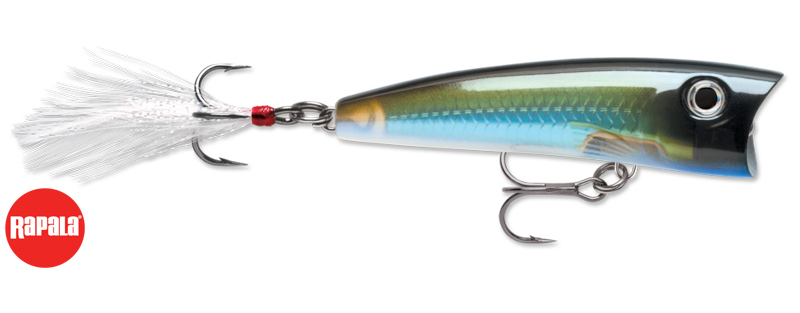
    Rapala X-Rap Pop Popper Ad Banner
    The Rapala X-Rap Pop

    This makes me think about past interviews with David Fritts, one of the most famous (and deadly) crankbait anglers of all time. More than once I have heard him talk about working a crankbait through an area using different casting angles to trigger a bite. There is no doubt that cranks pulled in the direction that active bass are moving or facing have a better chance of triggering a strike.

    Because of this, bass usually move at chase speeds when they are able to position themselves behind fleeing prey. If prey or your presentation move out of this window, they become uncatchable and are ignored.

    This means that the most effective presentations for targeting cruising bass should run parallel with the fish and into the strike window whenever possible.

    This makes a strong case for the simple “cast & straight retrieve” method that so many swimbait enthusiasts swear by. Here’s an example of that working – and again… it’s so simple…

    Cast it out. Work in back in a straight line. Cruising bass will overtake it. Clip taken from The Trophy Room

    Largemouth Bass Strike Window Size: Hovering Bass

    Around the snout (snoot?) of every bass, lies the strike window. Bass can be reasonably sure of a successful attack on prey (or a lure) if it moves into this area.

    The size of the strike window varies based on the activity level of the bass.

    Inactive bass = tiny window.
    Neutral bass = larger window.
    Active bass = big window!

    Catching bass requires you to move your presentation into this window – or – tempt the bass to move so your presentation is within the danger zone.

    With hovering bass, the direction of your presentation is still very important – however, it may not be as important as it is when you’re chasing the cruising bass discussed above.

    Largemouth bass can turn sharply, especially from a stationary position. The broad body of a largemouth excels at spinning and twisting to navigate tight, thick cover. Smaller bass can turn even faster than the big girls.

    Overall, the movement speed of the bass (from stationary to cruising) combined with the activity level of the bass (inactive, neutral or active) dictate the estimated (I hate that word) strike window at any given moment.

    If you can figure this out, it will help you select the best possible presentations so you can maximize your time on the water.

    banner ad rapala husky jerk jerkbait family
    Check out the Rapala Family of Husky Jerks

    Here’s a Cool Example:

    Last year was the first (yes, the first) season where I really tried hard to get better at jerkbait fishing. I wanted to add this option to my arsenal because you can fish a jerk fast, and then pause it to let it sit in (hopefully) the strike window of a bass. If they are active, they can also follow and overtake a jerk – or literally bump their nose into it if you kill it while they are trailing. This often generates a reaction strike.

    I had never caught fish on a jerkbait before.

    This was my second (and only the fifth fish I caught after starting a fishing vlog).

    You better believe results like this will get your attention!

    Big ‘ol Chonk Largemouth on a Jerkbait. Clip taken from The Trophy Room

    These days jerkbaits are always on hand. What about you? What presentations come to mind when you think of a way to attract specific bass with a specific strike window?

    What do you think?

    Let me know!

    Now, I gotta get back to work so I can get outside with the boys this afternoon for baseball practice. Longer days and warmer weather... sign me up man.

    Let's get after it!

    Tight Lines & Godspeed, Patriots.

    Callout Section The Minimalist Fisherman Midwest Bass Fishing Blue Banner Background Migration
    The Minimalist Fisherman Father Son Bonding Better Anglers Better Men

    Thank You For Your Support

    Your support directly funds the creation of weekly articles and videos that promote the development of better anglers and better men. Our country (and our kids) need both. Please share this site, and consider a monthly, weekly, or one-time donation. You are helping us make a difference!

    TMF Small White Logo

  • Largemouth Bass Seasonal Movement (Calendar & Patterns)

    Largemouth Bass Seasonal Movement (Calendar & Patterns)

    What season is best for bass fishing?

    We’ve all asked a questions like this.

    What is the best way to target bass in [ENTER SEASON HERE]?

    Examples:

    What’s the best way to target bass in the spring?
    What bass lures work best during summer?
    What will largemouth bass hit in the fall?
    Will largemouth bass bite during winter?

    Here’s the problem with that question: the bass don’t give a rip what “season” it is!

    Seasons are human time periods. Bass don’t care. They don’t have calendars – if you asked them what day it was – they’d be confused!

    what year is it gif
    Billy Bass doesn’t know…

    So… if largemouth bass don’t care about these human time periods… what DO they care about?

    banner ad rapala husky jerk jerkbait family
    Check out the Rapala Family of Husky Jerks

    Largemouth Bass Fishing Calendar Periods

    largemouth bass on strike king ocho in the rain illinois
    A rainy spring day with some bass attacking my Ocho.

    Bass operate instinctually by calendar period. These calendar periods are determined by water temperature and possibly the rising and setting of the sun (length of the day). Some guys only pay attention to 4 calendar periods, others 6, and later this year we’ll talk about the 10 calendar periods found in many In-Fisherman books – we’ll list those now for reference:

    The In-Fisherman Bass Fishing Calendar Periods

    1. Prespawn
    2. Spawn
    3. Postspawn
    4. Presummer
    5. Summer Peak
    6. Summer
    7. Postsummer
    8. Turnover
    9. Cold Water
    10. Winter

    (Later this year, we’ll add this article to the Learn How To Catch Largemouth Bass section. Subscribe so you get updates.)

    I’ll be honest… 10 calendar periods is a bit too nuanced for me at this time. Like we mentioned, some guys go with just 4 calendar periods, which is a bit too basic – however, it’s better than nothing when you’re trying to figure out where the bass might be located.

    Using Just 4 Bass Fishing Calendar Periods

    AJ Hauser Swim Jig Largemouth
    As the water warms, bass move in & out of rocky areas to feed. This one lunched a jigworm. A deadly option around rip rap.

    If you’re going to go with the basics, here are the top 4:

    1. Spring
    2. Summer
    3. Fall
    4. Winter

    There are many charts online that offer something similar to this:

    easiest largemouth bass seasonal calendar
    Largemouth Bass Ballpark Seasonal Location

    As an extremely general rule, this is a good place to start, but I tend to lean towards 6 calendar periods. This is a bit more involved than the 4 periods listed above, but not as hard to remember as the 10 periods In-Fisherman offers up.

    Here’s why.

    Using 6 Bass Fishing Calendar Periods

    Largemouth Bass Bank Fishing Strike King Super Finesse Worm Floating
    Try some weedless Bang Sticks when you’re working around pond muck. Rigged weightless, they go slightly subsurface, which many bass haven’t seen before.

    As we mentioned above there isn’t a seasonal calendar that bass adhere to. The 4 seasons listed above are human concepts. Bass move based on instinct, water temperature, weather, food location & type, etc.

    Here are 6 important water temperatures to watch for:

    1. Winter: water temps less than 55°
    2. Prespawn: period of warming water about 55° to 62°
    3. Spawn: bass are on beds protecting eggs & fry from 62° to 67°
    4. Postspawn: bass transition and recover from the spawn at 67° to 70°
    5. Summer: warm water period with temps above 70°
    6. Fall: green vegetation starts to turn brown and temps fall to 65°, ultimately below 55°

    Combine your knowledge of the local forage + weather conditions with the water temps you find yourself fishing, and you’ll be well on your way to locating – and hopefully catching – some quality bass.

    Overcast Pond Bass Ocho Largemouth Slump Buster 3
    Get some.

    Remember, if things aren’t going your way… they could be worse… check this out:

    the worst day of creek fishing
    Lessons Learned the Hard Way in the Creek

    Tight Lines & Godspeed, Patriots.

    Callout Section The Minimalist Fisherman Midwest Bass Fishing Blue Banner Background Migration
    The Minimalist Fisherman Father Son Bonding Better Anglers Better Men

    Thank You For Your Support

    Your support directly funds the creation of weekly articles and videos that promote the development of better anglers and better men. Our country (and our kids) need both. Please share this site, and consider a monthly, weekly, or one-time donation. You are helping us make a difference!

    TMF Small White Logo
  • Smallmouth Bass Fishing Tips from Matt Straw (In-Fisherman)

    Smallmouth Bass Fishing Tips from Matt Straw (In-Fisherman)

    I’ve met a lot of really cool dudes since I started working on this website. Guys will reach out and let me know what they think about something they read, or something they’re working on. We’ll talk about fishing. Life. Sometimes personal stuff.

    It’s really cool.

    This morning I got an email from my buddy Ron Richards, who let me know he was heading to Texas until April.

    Texas!

    APRIL!!

    I had to laugh. “Brother I am stuck here in Illinois sharpening hooks and organizing tackle. Very jealous – let me know how it goes and have a safe trip!

    To say that I’m envious would be an understatement. When you don’t ice fish, this is the cold reality of living in a state like Illinois through the winter months. We shut down.

    Hell, it was -30° with the wind chill the other day.

    -30°!!!

    Ridiculous.

    Ah well… thankfully, life goes on, and we would be foolish to sit about feeling sorry for ourselves instead of being productive. Let’s take a look at some really good tips that I had earmarked a few months back in an In-Fisherman article by Matt Straw simply titled: “Smallmouths My Way“.

    (Matt Straw is one of my favorite writers / authors, and over the years I have found myself seeking his material out more and more. I never skip one of his articles, and hopefully one day I’ll get to shake his hand and thank him.)

    1. You’ll Catch More Smallmouth Bass Using Lighter Line

    Seems like common sense, right?

    It ain’t… and let me tell you, it takes some steel cojones to go back to light line after you’ve had your heart broken into tiny pieces by a trophy bass.

    Yes, I’m speaking from experience.

    No, I do not use light line often.

    Yes… I just insulted my own cojones…

    Cerrano marbles cojones gif

    Matt makes the case for light line and longer rods, culminating with a story about a 17-pound steelhead he landed on – get this – 3-pound monofilament.

    Unreal. If 3-pound test can bring in a 17-pound beast of a river fish, then 4-pound test is worth revisiting for touchy smallmouth in my skinny water. Make sure to go with a high-quality line though, like Seaguar InvizX. That’s a fluorocarbon, which is my preference. Matt suggests monofilament. Just be aware of the stretch if you go this route (something those longer poles can offset).

    Either way, as more and more bass are caught and angling pressure continues to increase, lighter, less-visible fishing line is going to become even more important.

    Mule Jig Donkey Tail Largemouth Bass
    I’ve landed some really nice bass on 4-pound test, including this largemouth on a Mule Jig. I’ve broke a few off as well…

    2. Turn Off All Electronics

    Talons. Spot-Locks. Side-Imaging. Down-Imaging. Image-Imaging.

    All of these toys that we want to play with make noise. Pings. Dings. Noise that lets bass know we’re encroaching on their territory.

    Gives ’em lockjaw.

    I’ll have to remember this, because I’m eyeing up a new trolling motor that can follow a path to cart me around in the jon boat this summer when I’m fishing alone…

    Minn Kota Powerdrive Trolling Motor
    Hubba Hubba

    Not to mention, my Garmin is usually on so I can map the bottom.

    garmin striker fishfinder sonar vivid 9sv
    Ping-a-Ling-a-Ding!

    Better get my new battery first so I don’t get stranded anymore… but then, if the bass are spooky – we’ll go mega-stealth mode!

    3. Always Have A Pole In The Water

    This one can be challenging, especially if it’s windy or you’re fishing alone. However, if you are in a boat, floating a stickbait underneath a bobber on a secondary pole can be a great way to pick up a few extra bass. This worked really well for me last summer while I was trying to learn as much as possible about a new Illinois Rock Quarry.

    pit quarry fishing largemouth bass clear jon boat
    Illinois Rock Quarry Fishing

    Matt mentioned that he always has at least one pole in the water at all times. So, if he needs to retie, or if he’s eating a sandwich or fixing something that takes two hands – floating a stickbait can pick up a few extra fish in the area.

    Smart.

    I like to do this with Dingers and Ochos – which reminds me – if you clicked on the big blue button at the bottom of this page to support this website by pitching in for a pack of Dingers – thank you!

    4. Stop Stinkin’

    We all smell.

    Some worse than others… especially after ingesting cabbage, or undercooked burgers… but I digress.

    Matt mentioned that smallmouth bass don’t have the olfactory abilities of steelhead, but as a salmon fisherman, he got into the habit of hiding the smell of L-serine. That’s an amino acid that’s on all of our hands. It’s on racoons and bears, too.

    Salmon avoid it.

    Smallmouth bass might not care about L-serine, but there might be something else on our hands that they reject. It’s in our best interest to mask any offending odors.

    I’m in.

    Matt suggests “juicing all of your baits“, so that’s what I’m going with – even though there are a ton of scents on the market.

    dr juice bass attractant scent
    Juicy!

    If it lives in a bag, it’s gettin’ juiced!

    Now go, my friend, and prosper – you’re armed with the knowledge necessary to defeat the mighty smallmouth bass.

    Keep learning. Keep prepping.

    Sharpen them hooks & organize your gear, because spring will be here before we know it…

    Thank God.

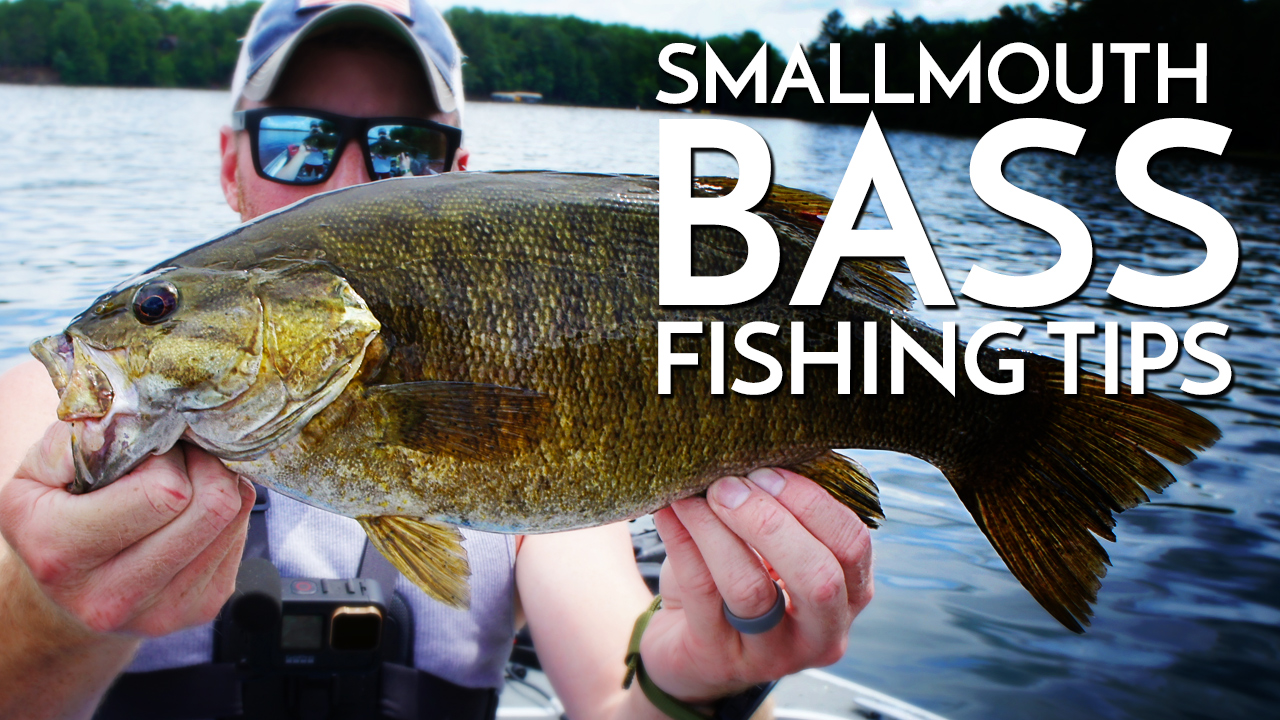
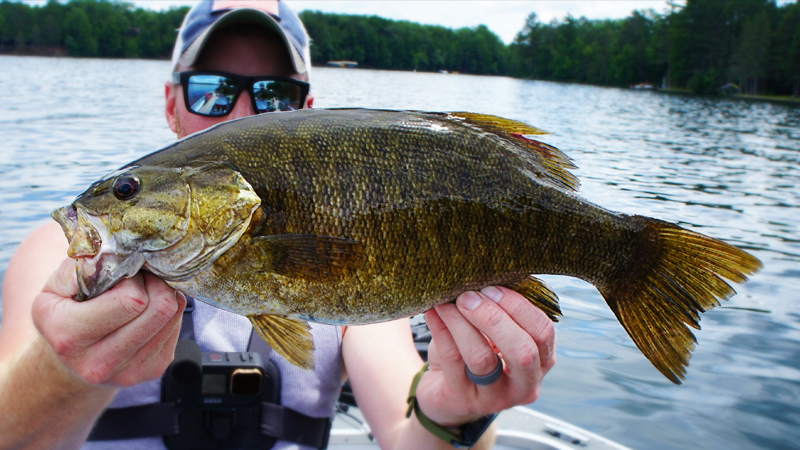
    Monster Wisconsin Smallmouth Bass on a Tube AJ Hauser
    Absolute unit. Can’t wait.

    Tight Lines & Godspeed, Patriots.

    PREVIOUS SECTION: The Most Important Tip for More Fall Bass

    [ Back to the Index Page for Learn How To Fish Rivers & Streams ]

    Callout Section The Minimalist Fisherman Midwest Bass Fishing Blue Banner Background Migration
    The Minimalist Fisherman Father Son Bonding Better Anglers Better Men

    Thank You For Your Support

    Your support directly funds the creation of weekly articles and videos that promote the development of better anglers and better men. Our country (and our kids) need both. Please share this site, and consider a monthly, weekly, or one-time donation. You are helping us make a difference!

    TMF Small White Logo