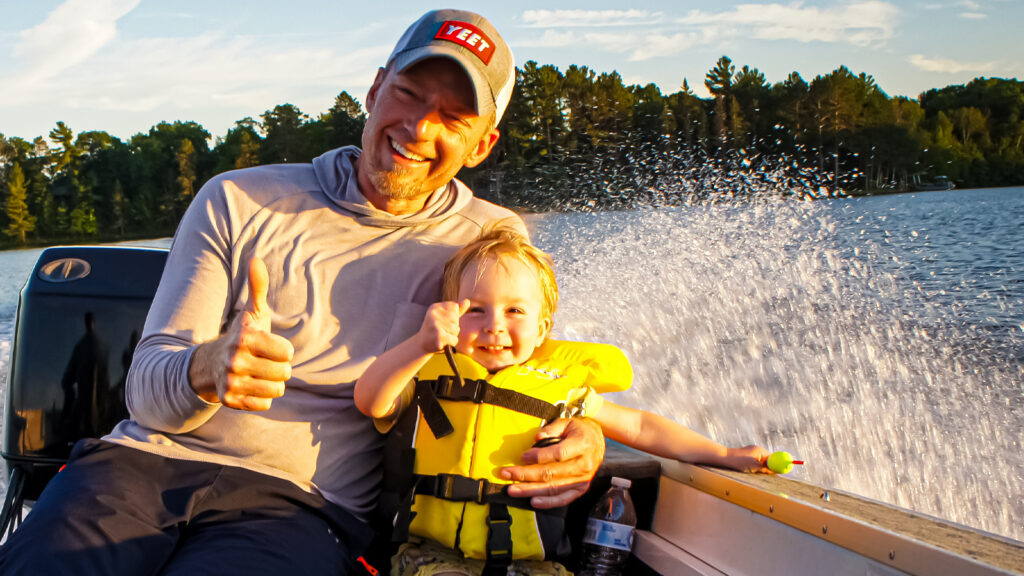
The loons were calling somewhere around the bend as Dad eased the boat away from the dock. The water was flat. Glass calm. Coffee was piping hot. Rods were rigged.
For once, my phone was not in my hand.
We discovered many patterns during the next two weeks of Manitowish Waters bass fishing. Patterns related to fish, of course, but also patterns about ourselves.
We caught plenty. Smallmouth came up into the boat, pulled from rocky humps, deeper breaks, sunken timber and weed edges. They played nice, and the stable weather kept them active. Popper fish exploded next to our boat. Jig worms fooled bass when we ran out of leeches.
Live bait costs more than a mortgage payment these days, so we didn’t buy as much as we used to. The occasional walleye or pike would pop up for a visit as well. This is the norm when fishing clear, cool, Wisconsin lakes.
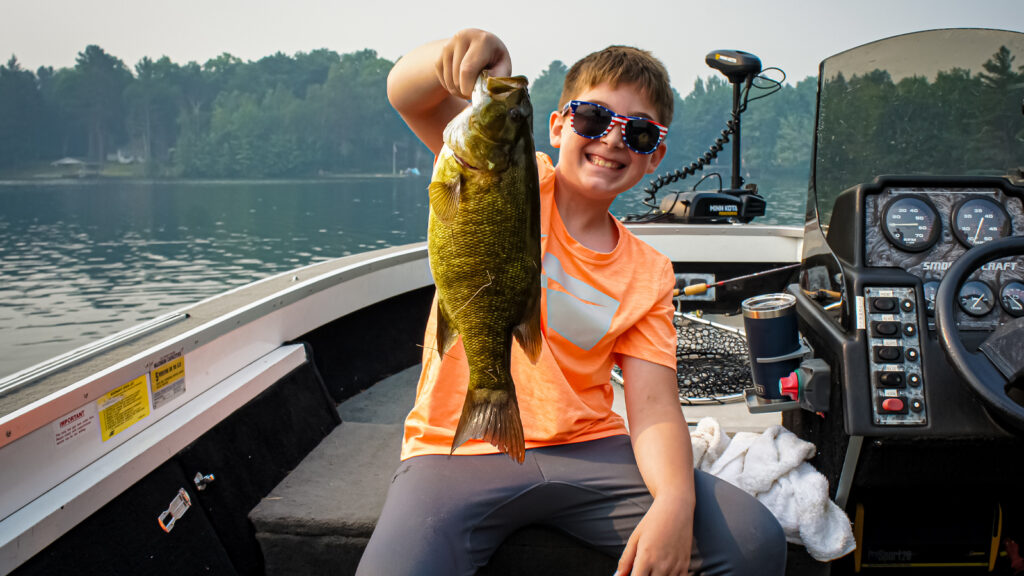
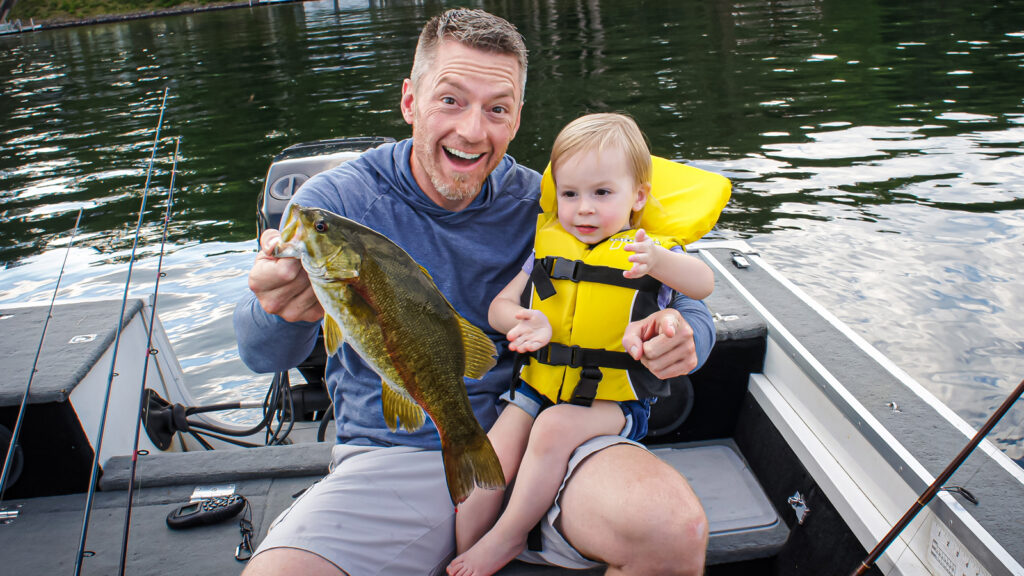
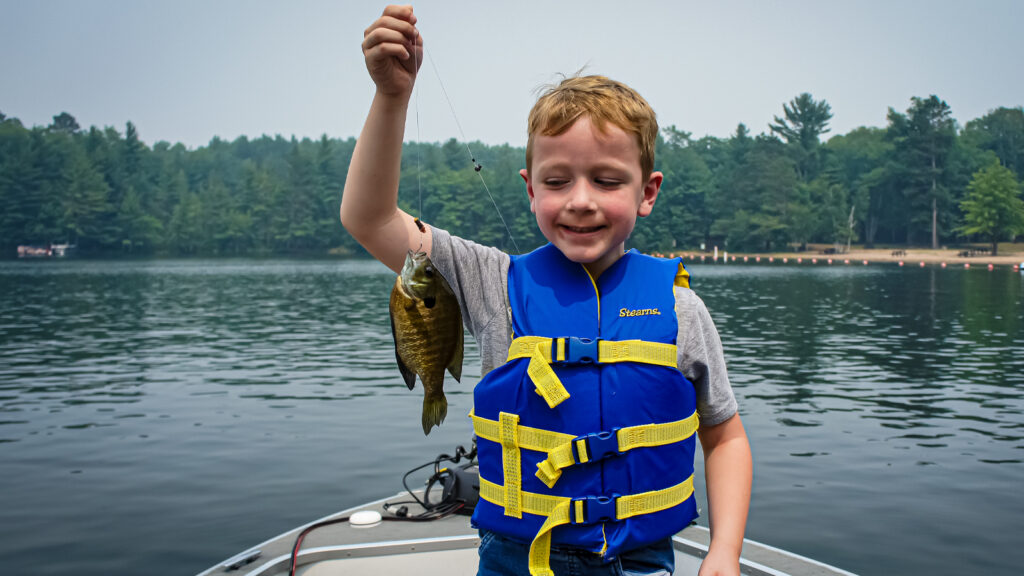
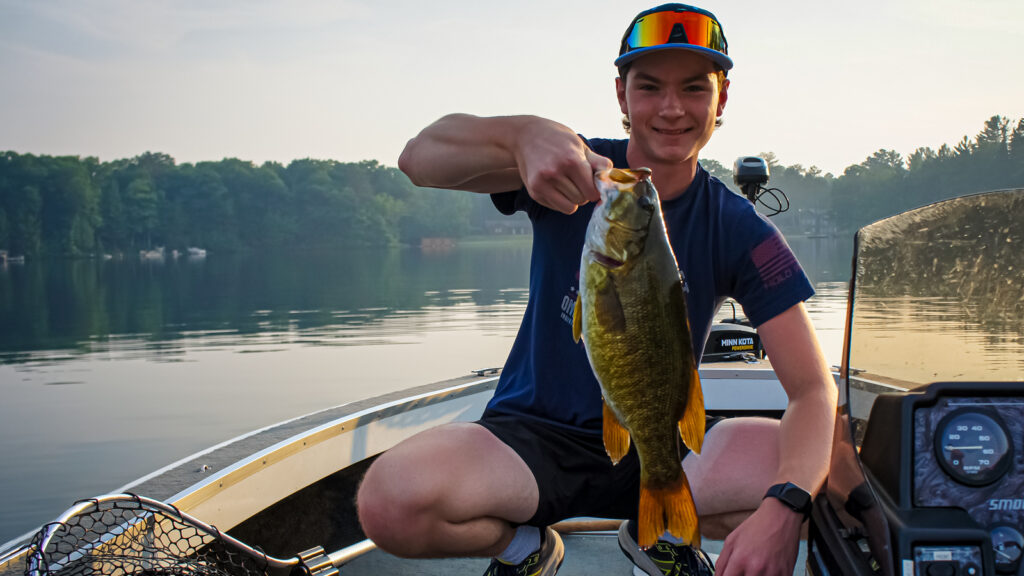
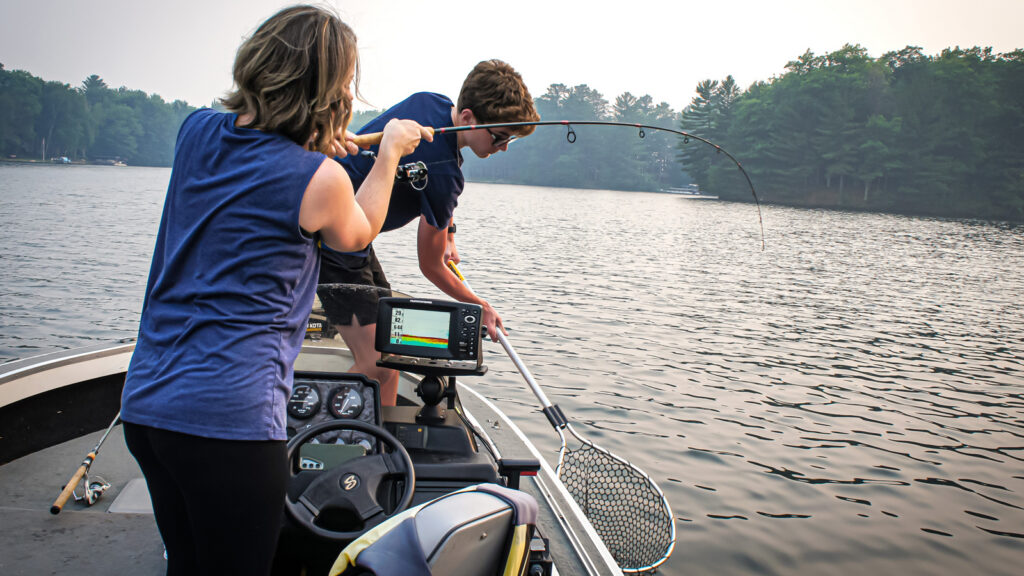
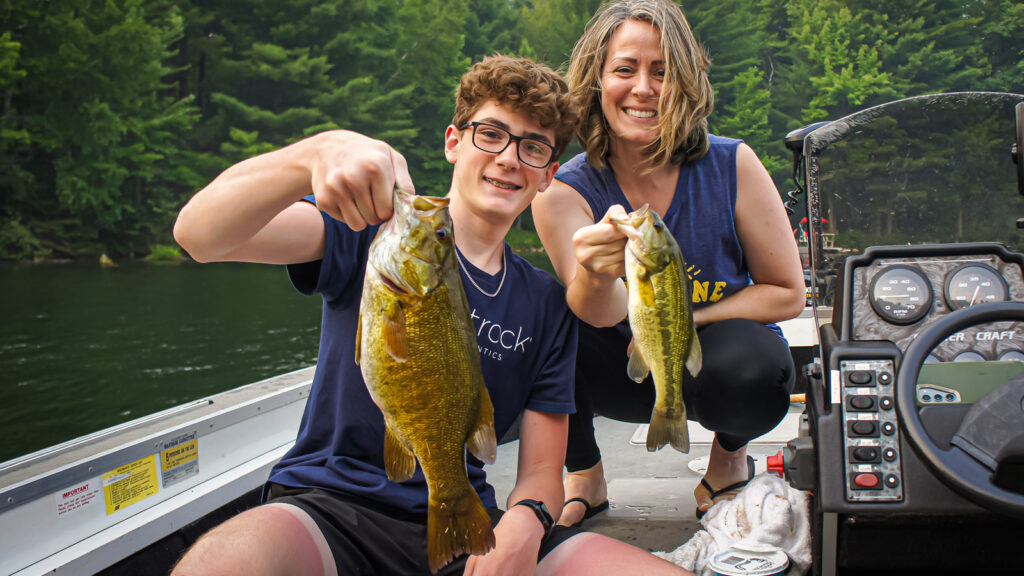
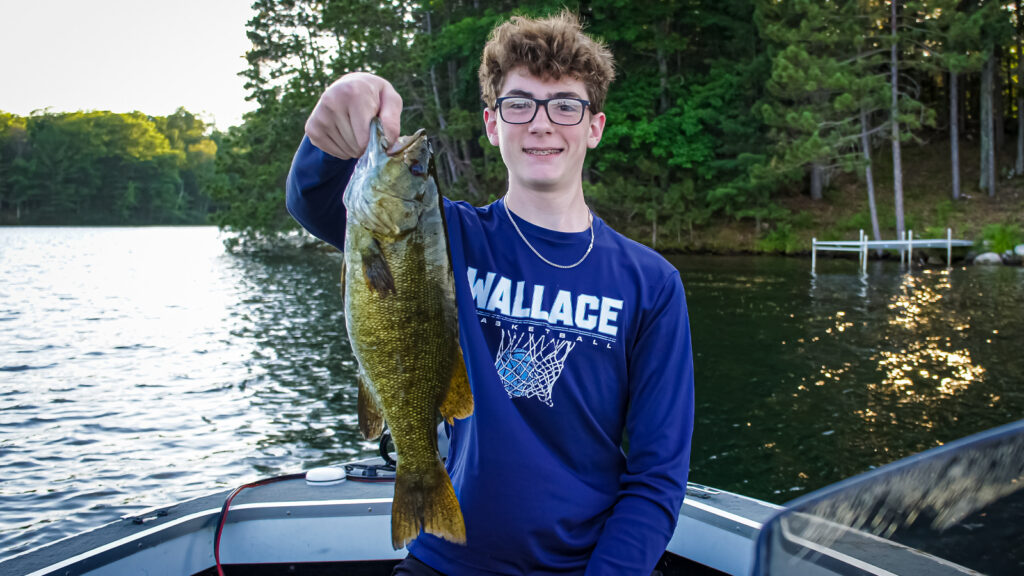
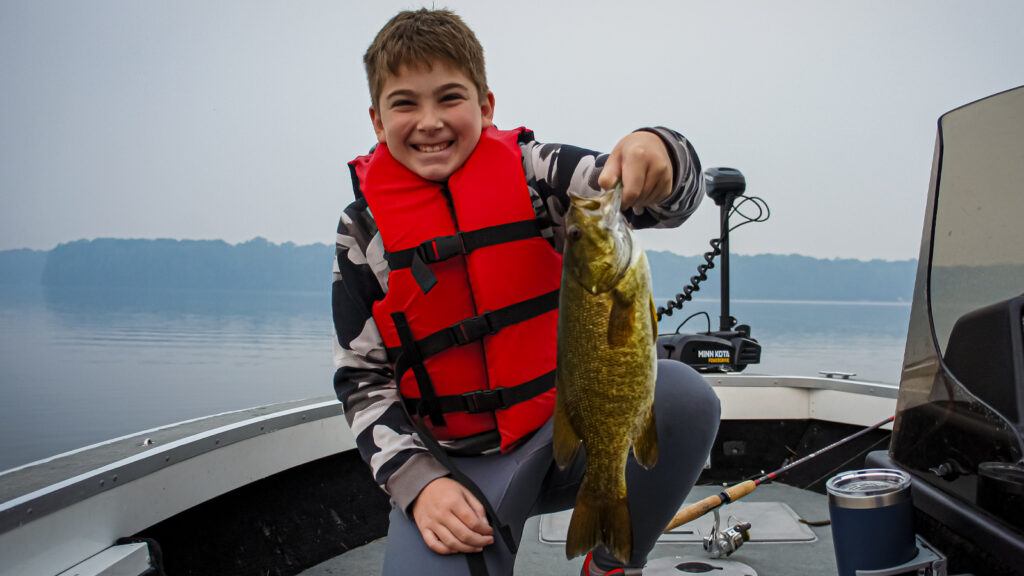
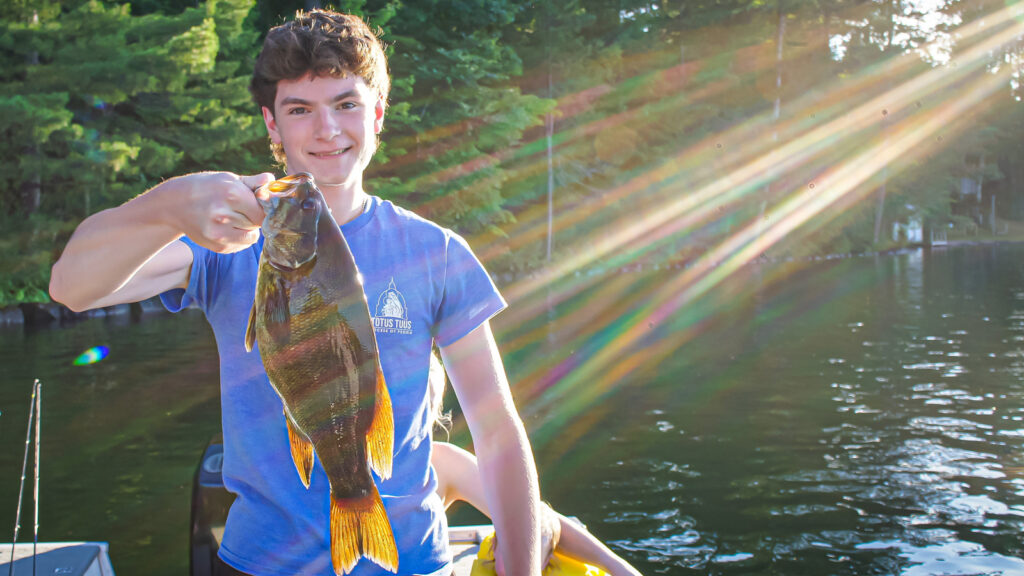
In the evenings, my family would fish. My wife Jen, and Ava Joy, our youngest daughter would join Dad, myself, and one of our other 4 boys. Everyone found success. One evening, my oldest caught a pair of 17-inch smallmouth on spinning tackle. One of the younger brothers, just learning to fish with a jig, caught a nice 15.5″ smallmouth all on his own. He then proceeded to scream:
“I’LL NEVER USE A BOBBER AGAIN!!!”
I reminded him that his two largest fish (including the largest of the trip last year) were caught below bobbers. He’s rethinking the comment he blurted out in the heat of the moment…
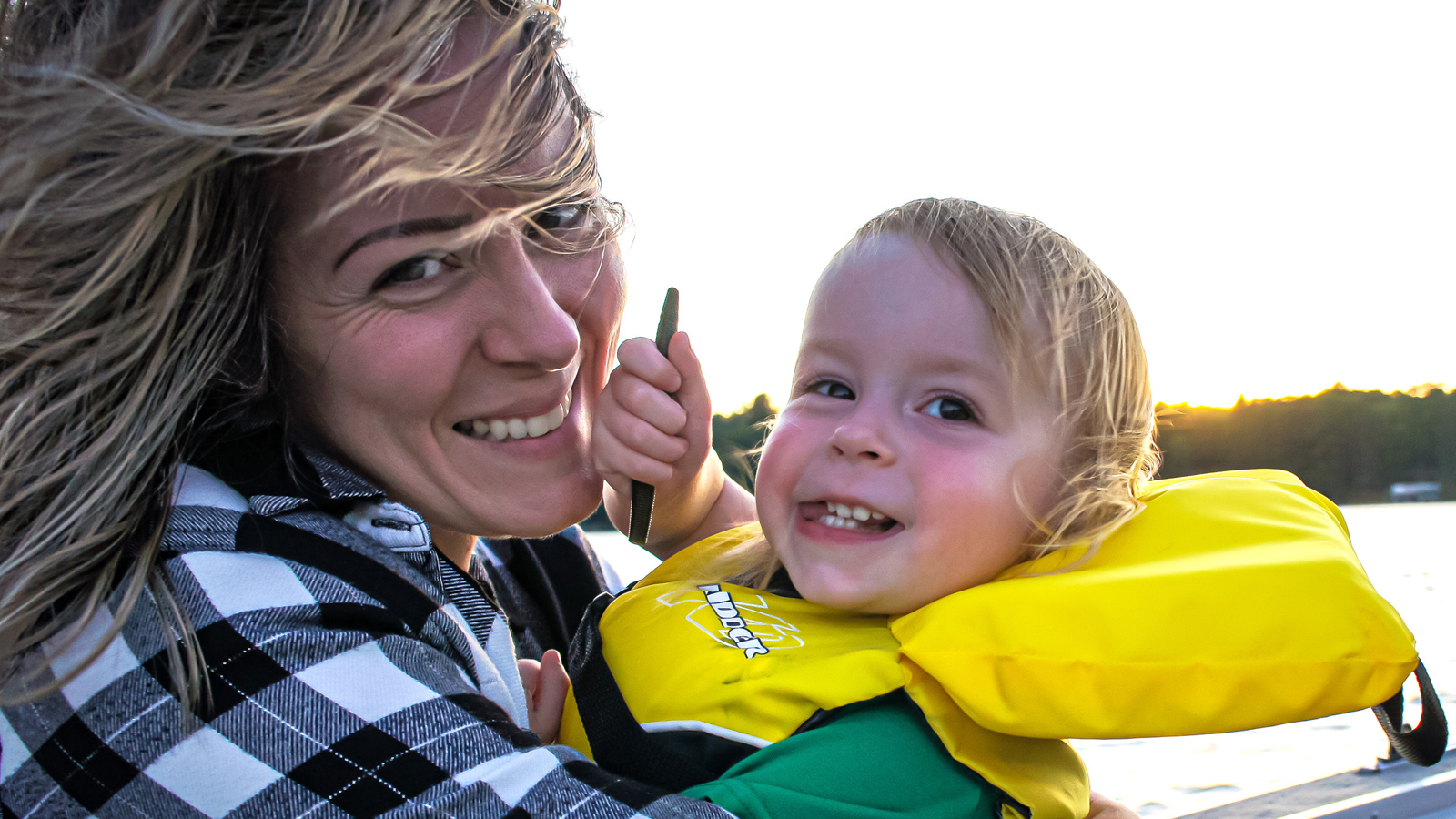
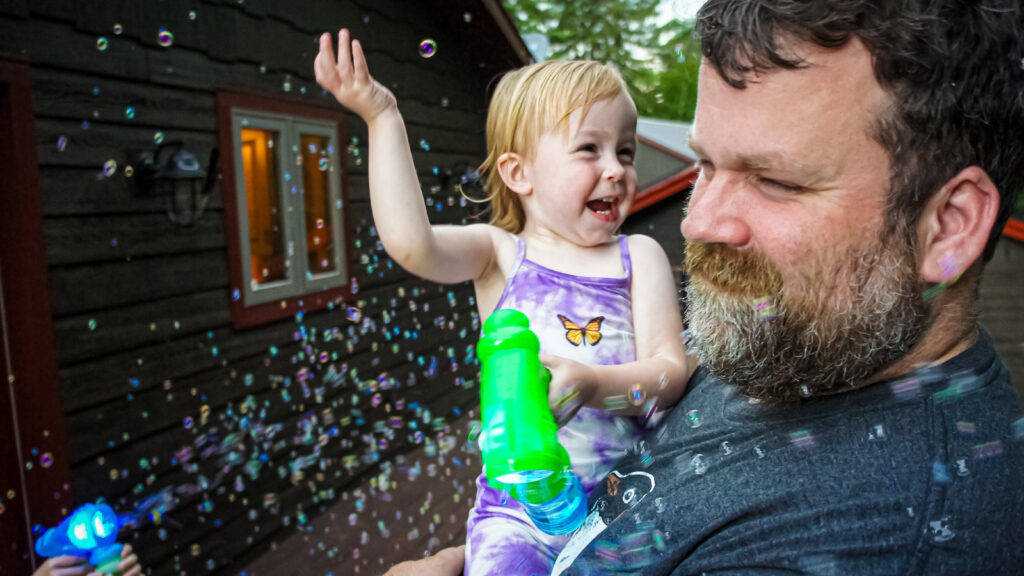
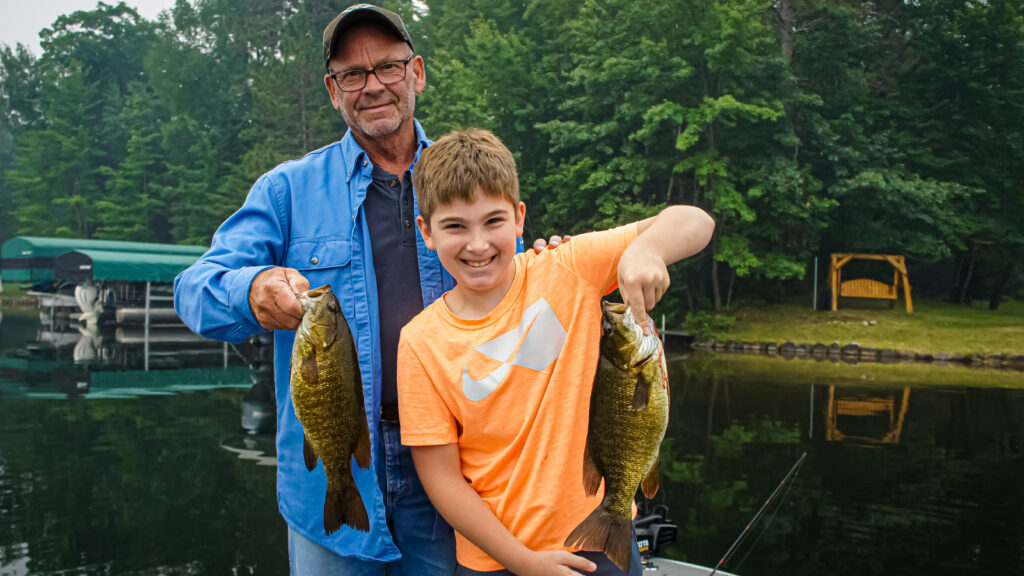
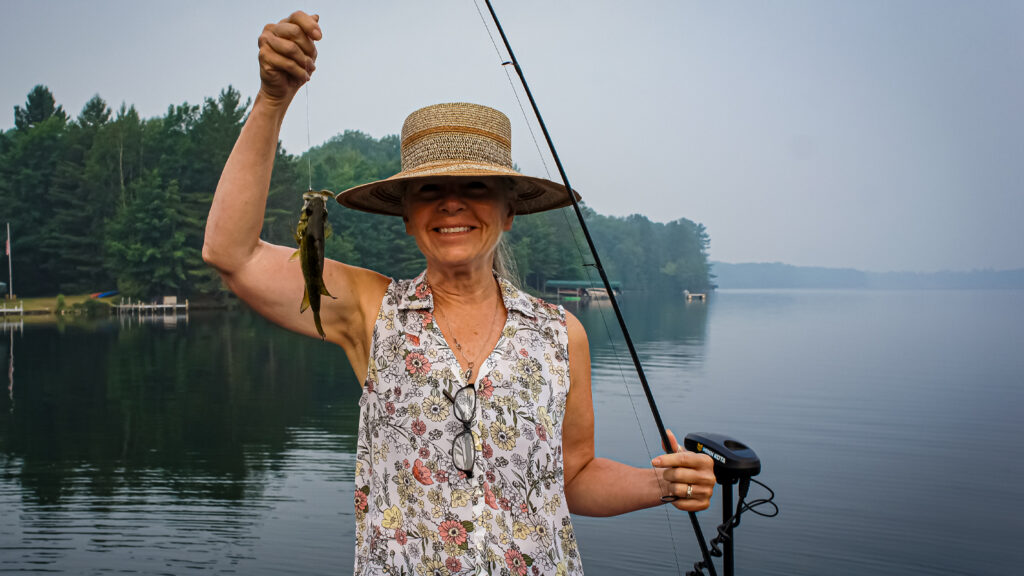
Dad caught walleye, pike, panfish, smallies, even largemouth bass. So did my other middle son. Jen wrangled bass to the boat for the first time in 3 years. She’s stayed back with our youngest ever since she was born, skipping Wisconsin fishing altogether. But both ladies joined us every evening this year. Jen fished. I played with Ava and ran the trolling motor from the back of the boat… and every now and again we’d pick up a rod, sneak a few casts together… and boat a fish.
I’d cast. She’d immediately reel, then shriek:
“CATCH-UHH FISSSS!”
Heaven.
The fishing was good.
But the time, the lessons – the pivots – they were great.
Here’s why…
Pivot #1: Quiet Water vs. a Noisy Mind
At home, it’s easy to fall into the bad habit of checking.
Check the weather. Check social media. Check politics. Check investments. Check email. Check text messages… then repeat the rotation from the start, because surely something changed in the last 8 minutes.
This is one of my worst habits. It’s not useful. It just makes me feel involved. Informed. But in truth, I can do nothing to change the weather, or the chatter, or the crazies, or the news.
Up nort, the signal weakens and the days stay busy.
Life improves.
Sure, I still make it a point to remain plugged into work. To take care of my clients. Reply to important emails, manage projects, answer calls and write proposals.
That’s mandatory.
But the other crap. The constant checking of things that don’t matter as much as swimming with my kids, or taking my wife to get coffee every afternoon, or frying up some fish with my Dad, talking to Mom about what she’s making for dinner, or discussing my brother’s latest Dungeons & Dragons storyline… the things that don’t matter all fall away.
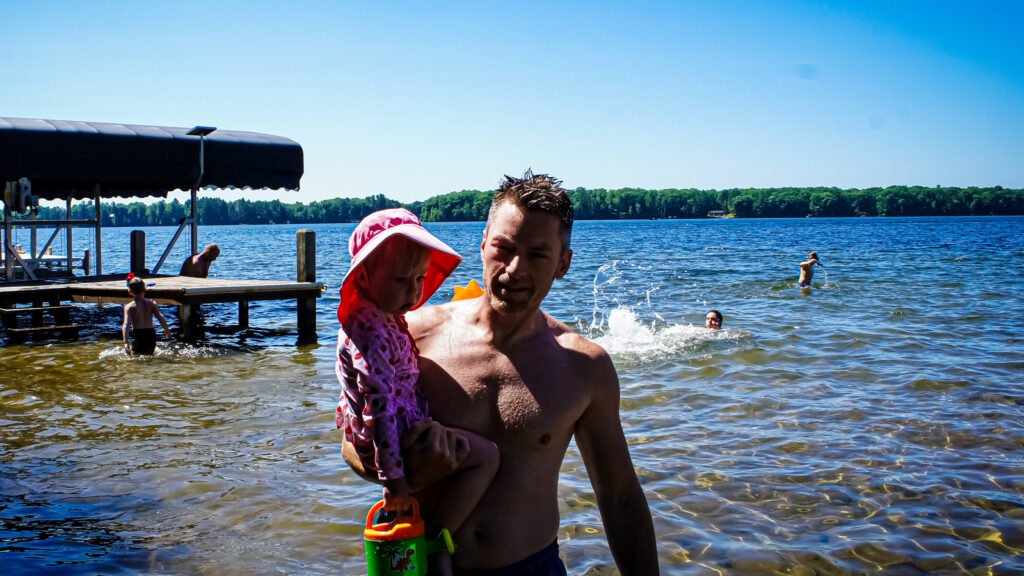
This means more time. More memories. More family walks and boat prep, window-shopping or runs to get fresh cheese curds at The Cheese Board. More time to sit in silence at the dock and think about the changes I need to make in my life, instead of watching something going on with someone else.
Nothing important collapsed because I failed to check political commentary on X for two hours before breakfast. The world kept spinning.
This little glowing rectangle we all carry around does a great job of distracting us. But we really don’t need to know every opinion, controversy, outrage or prediction.
In fact… we’re not built for it.
That’s why it’s so exhausting.
Fishing breaks this habit naturally. You can’t read a weed line or work a presentation with one hand doom-scrolling at the same time. Fishing forces you to understand, that some activities deserve you, and others do not.
Attention, time and energy are all limited, and once we spend them, we don’t get ’em back.
Spend wisely.
Pivot #2: Protect the Window You are In
The contrast between my children, especially that between my oldest and youngest, is now impossible to ignore.
My older boys can cast, fight fish, swing the net, swim on their own, disappear into separate conversations with Gammy & Gompa.
Ava Joy still looks up at me and pleads:
“Go inna boat??”
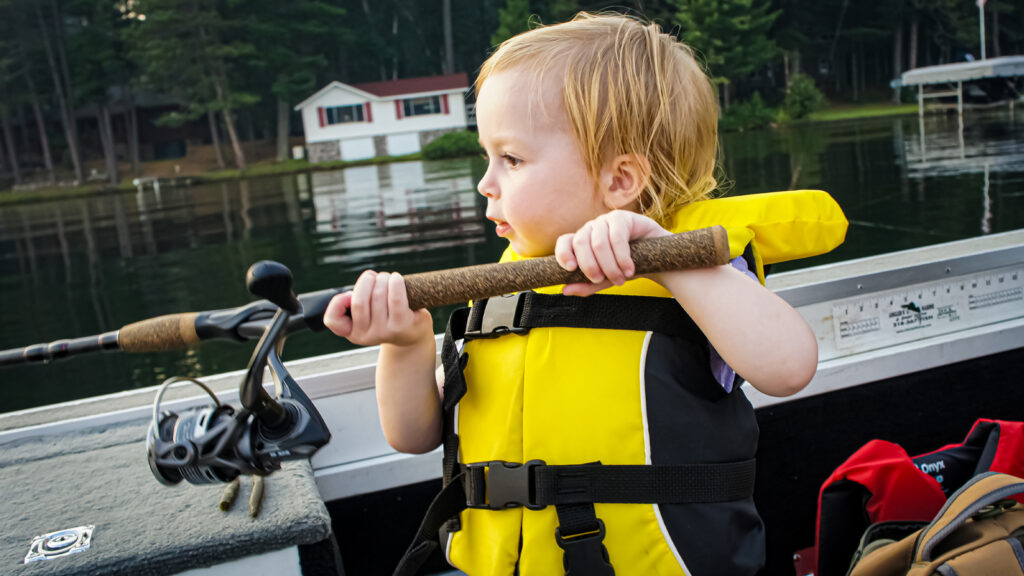
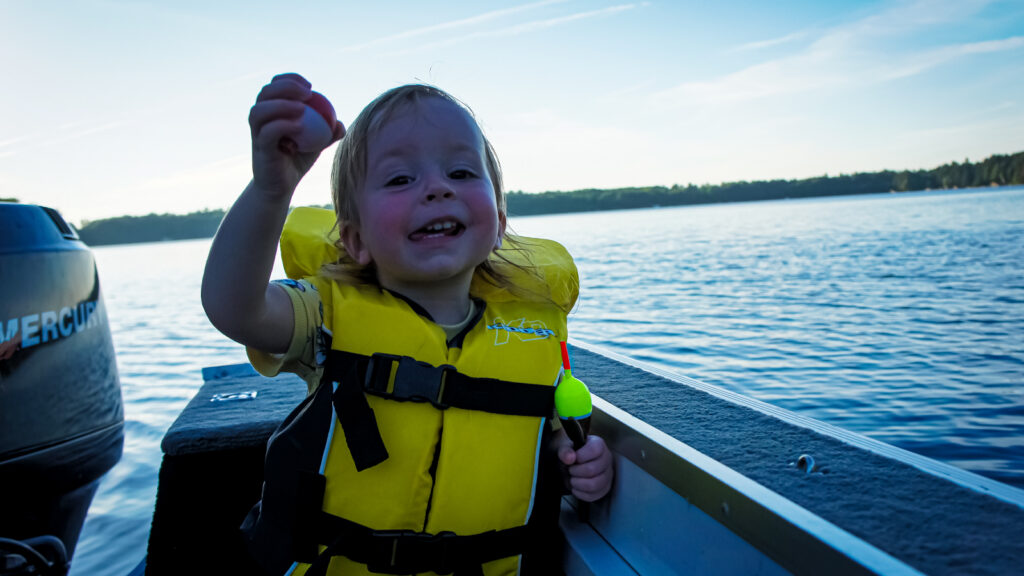
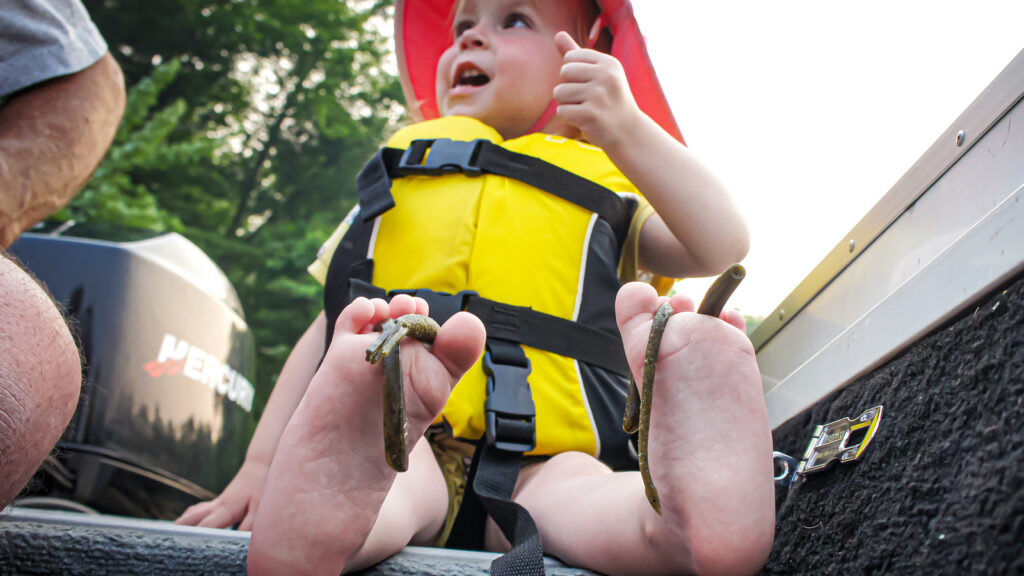
She stuffs plastic worms between her toes, laughs at everything, and celebrates bent rods, bouncing in her little lifejacket and asking:
“Catch-uh fiss? Touch-uh Fiss??”
She won’t do that forever.
Family vacations are not interruptions to real life – they are real life.
These are some of the most valuable, precious opportunities that life gives us. Sure, work has to continue. Clients need answers and they are very important too, but work is endlessly renewable.
Childhood is not.
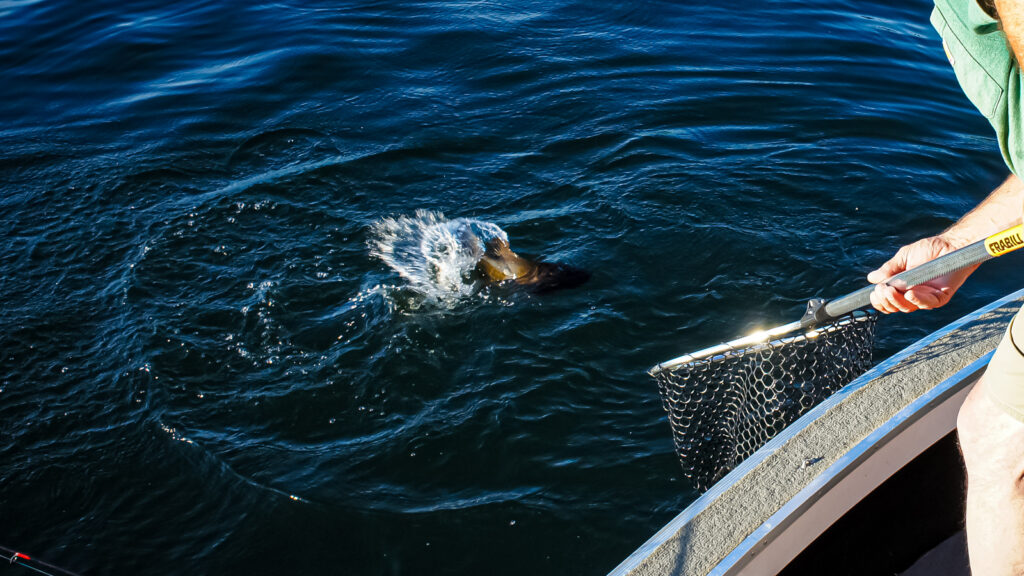
As we fished in the evenings, I would focus on being the guide. I’d select spots, suggest baits, point to targets, net fish and run the trolling motor with Ava by my side. My father, wife, and rotation of sons tripped over one another near the front of the Smoker Craft.
It was beautiful chaos.
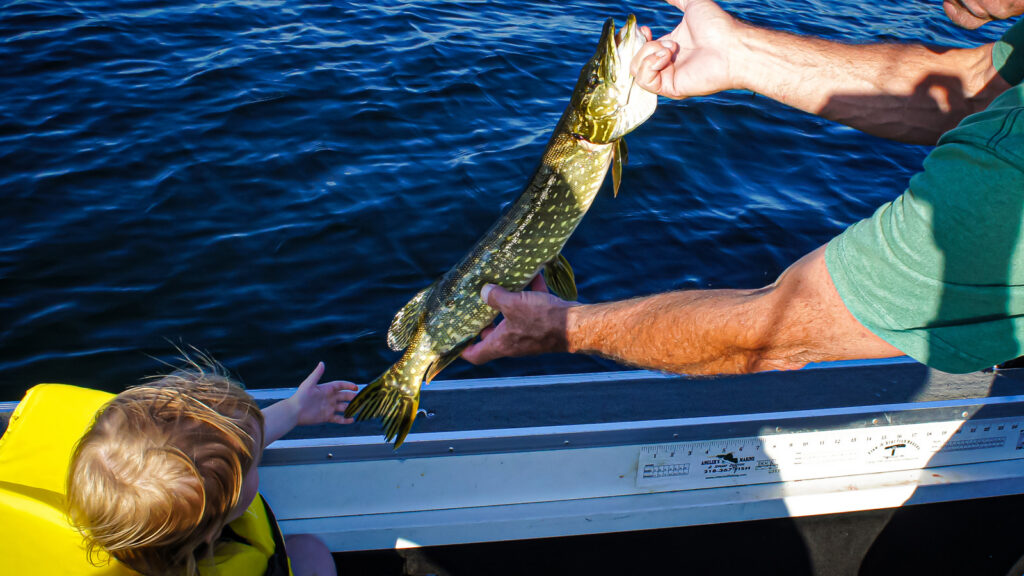
But when my older sons would hoist a fish, smile for the camera, then walk back so little Ava could poke it… the differences slapped me in the face.
Do not waste these windows.
Pivot #3: Good Fishing Changes. So Do Families.
Wisconsin bass fishing rewards adjustment.
Some mornings, the Pop ‘n Drop bite was right. Smallmouth were hungry, aggressive, and willing to chase or even explode on the bait. Incredible! But the following day, we’d have to extract them from deeper haunts. Slowly. Methodically. Such is fishing. Every day on the water is a gift, and part of that gift is the puzzle. Boat position, wind, weather, baits, cadence, water and even sky clarity.
Every adjustment matters.
But in life, some adjustments and unwanted.
We lost my youngest brother in 2024, and things were busy and complicated before that. It’s been years since Vaughn has been able to join us in Wisconsin.
We talked about him often throughout the trip.
We remembered the old vacations and the big fish and the stupid jokes. We fished what we call “Vaughn’s Point” and retold stories for the thousandth time, constantly wishing he was there with us, throwing his perch pattern Dardevle spoon again and again and again…
It was all he ever used.
There is no real pivot for grief.
You can’t make a change or move to a different spot, you just have to carry the weight. To help parents, siblings, children, in any way that you can. But you can still learn while you’re bearing your burden.
We talk about Vaughn as if he left us yesterday.
When my time is up, I hope – no, I pray – that the people I love will wish I was still sitting beside them. I hope they remember my laugh, my stupid jokes, my goofy comments, my victories and mishaps. I hope I have stories worth retelling, and they tell them over a cup of coffee in the boat as they prepare their own rods and pick their own spots and net their own fish.
To me, this is the mark of a life well lived.
It’s not about how much work was completed, or how many arguments were won online, or an impressive grasp of current world events.
The measure is whether or not you helped the people around you feel more alive.
The Best Wisconsin Pattern
By the end of the trip in Manitowish Waters, we had caught plenty.
Fat smallmouth. Pike. Walleye. Largemouth. Fish on top. Fish on jigs. Fish on bobbers. Fish on live bait. Fish on artificials. Fish caught by experienced anglers, kids still learning, and a handful by the two-year-old who couldn’t quite decide if the plastic worms were fishing equipment or footwear.
I am grateful to God for this success.
But every year, the lessons run deeper than the fishing.
Put down the phone. Close the laptop. Ignore the noise and embrace the beautiful quiet that is the north woods. Take your wife for coffee and swim with your kids or grandkids. Tell the stories that make you sad so you can keep the memories of the ones you miss fresh and vibrant.
Recognize what’s happening all around you.
The fish will move. The weather will change. The kids will grow.
One day, the people that you love might no longer be waiting for you at the dock.
The days are shorter. The nights are colder. The daydreams are beginning to intensify.
There is a picture frame that lives on our counter. One of the best investments I’ve ever made. It cycles through photos from trips we’ve taken, constantly reminding the kids about their victories. It makes them want to fish and spend more time with family. It keeps the memories fresh, and they love to tell the story of “that fish I caught” and “that place we went” when different images pop up. It keeps them excited…
… truth be told… it has the same effect on me and my wife…
A simple digital picture frame cycles through memories, victories, and keeps “the good stuff” fresh and top-of-mind! Ours currently has 1,500 pics and that number increases every time we fish.
We’re so excited in fact, that I’m in the market for a new boat. Need something simple, minimalist, something that can run shallow and slam into rocks. We’ll be fishing The White River in Arkansas by next November, after all… for trout, yes, but also walleye and smallmouth bass. Lord knows, my wife is an amazing fishing partner, but she is NOT a fan of my 3.5 foot wide jon boat! It’s as wobbly as ‘ol Uncle Butch after his 9th whisky sour. I need to get something wider. More stable. As that search continues, end-of-season cleaning ensues.
Yesterday I came across my Wisconsin Bass Base Box. The presentations in this box accounted for many, many bass this year, including the 5 biggest smallmouth from our annual trip up north. Who caught #1 you ask? …
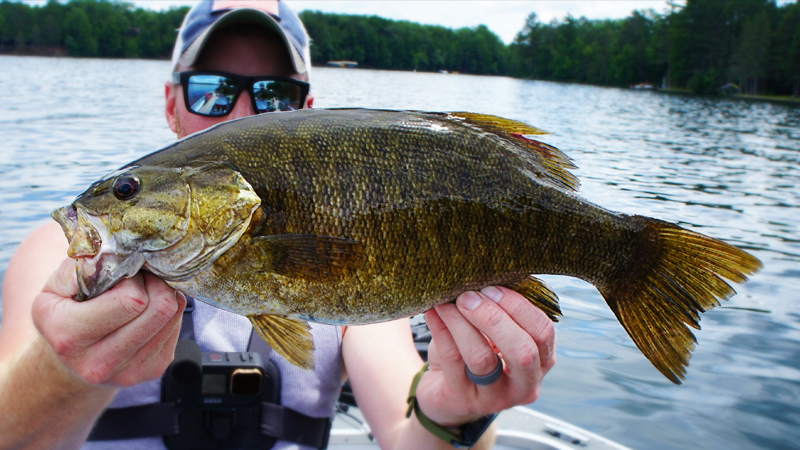
My wife and her MONSTER Minocqua smallmouth bass. (Told ya she was a great fishing partner.)
This bruiser came out of just 7 feet of water. In July. Often, when largemouth are not the dominant species in a lake, you’ll find smallmouth spread out to many different depths – including the warmer, shallower areas that are rich with forage, weeds, and wood cover. We assume that smallmouth prefer crayfish and deep, rocky, cold water, but sometimes they use deeper areas because they have to.
It takes longer to digest a crayfish than it takes to digest a baitfish.
So, in Wisconsin lakes where largemouth are present but not especially dominant, make sure to explore the weedy, warmer areas as well as the deep rocky humps – and everything in between – until you find what the smallmouth, walleye, crappie, pike, panfish & muskie prefer.
These baits will help you target bass throughout the entire water column effectively.
Let’s get into it.
What is a Wisconsin Bass Base Box?
A Base Box is a single Plano container, loaded with presentations that you have confidence in for a specific kind of fishing. This container is something that you can pick up with zero notice – it’s always ready to go. So when Billy Bob calls and says “BROTHER, LET’S FISH!”, you simply grab the correct Base Box along with the Terminal Tackle Base Box (which is always on hand no matter what), load the backpack and head out.
Fishing from the bank? Just take that backpack. Fishing from your friend’s boat? Just take that backpack. Fishing from your own boat? Just take that backpack!
My Wisconsin Bass Base Box is focused on targeting smallmouth bass in clear Wisconsin lakes (high visibility) with rocks, weeds, and woody cover.
Over the past 20+ years of fishing in Wisconsin, we’ve boiled it all down the the following presentations. Presentations that I absolutely need to have with me to fish with 100% confidence. This is very different from my Clear Water Base Box, and my Muck Bass Base Box… which we will cover in another article…
These items are all that remain after years of reduction. Minimizing. In the past, I’d take a complete bait store with me! These days? I take this box, a few bags of plastics, and some terminal tackle… and we all catch more fish.
The River2Sea Rover 98 was a surprise hit this year, with a walking Live Target Yearling Baitball coming into play when I wanted a slightly smaller profile.
Topwater is fun, and in clear Wisconsin lakes, fishing a topwater in 8 foot of water or less – especially over thick weeds – can be intense. It’s also a great way to cover water. Big pike and the occasional muskie are not afraid to hammer your topwater offerings as well, and that kind of pandemonium is a blast – I don’t care who you are!
I like to start out with a moving bait featuring a natural pattern. Something medium-sized that walks, like the River2Sea Rover 98. I’ll rig this up on a baitcaster, braid, and a 20 Pound Monofilament Leader. This does two things – it floats better than fluorocarbon, and yes – it is slightly less visible than straight braid – but more importantly, that mono is less likely to get twisted up on your guides in-between casts.
Straight braid can be a pain at times, especially if it’s windy.
Minocqua Must-Have Bait #2: Popping Topwaters
Having a few popping topwaters on hand will allow you to do two things:
First, they give you the option to present a smaller profile with distinct pauses, and at times this will coax bites better than a walking bait. (Experiment with a dressed rear treble. If you have follows but no takers, swap it out for a plain treble or try to change the color of your popper.)
Second, they give you one of the tools to make a Pop ‘n Drop. A Pop ‘n Drop is a popper with the rear treble removed, exchanged for a fluorocarbon dropper line, wacky hook and a trailing stickbait that sinks slowly, coming to a rest anywhere from 1 to 3 feet below the popper. This helps you put something irresistible in front of those fish that follow, but just won’t bite.
AJ Hauser with a healthy Manitowish smallmouth bass that could not resist the Pop ‘n Drop.
The popper gets their attention – the stickbait seals the deal.
Clear Wisconsin lakes are known to have expansive weed beds. In some places, they can stretch for miles and miles, and while you can jig fish them to target clearly defined transitions, pockets or other submerged cover (and you should), this makes covering a lot of water difficult.
If you’re searching for bass, consider running a wakebait right over the top of these weeds. You might be surprised at what lunges out!
The StrikePro Hunchback is a great wakebait that runs less than a foot, but they are expensive and harder and harder to find. Luck-E-Strike Cajun Wakebaits are a cheap alternative. A Rebel Teeny Wake-R is a lot of fun to throw on light line for numbers if the wind is calm, and a Mann’s Baby 1-Minus has been a staple in my arsenal for a while now – plus, it brings rattles to the table. I mark the running depth on most of my lures with a Sharpie.
Minocqua Must-Have Bait #4: Jerkbaits
Two years ago, I decided it was time to learn – yes, I said LEARN – to use jerkbaits. I’m glad that I dedicated time to the technique, because jerkbaits are fun, and they work.
I take a few with me when I fish Minocqua and the Manitowish Chain ‘O Lakes. They are great for covering water, especially around sandy flats with sparse weed clumps, stumps and logs. However, they are not the best option for the thick weed beds mentioned above.
I’ve had days where they were lights out – and days where they were ignored outright.
Take a few & test ’em.
My jerkbait collection includes a few Rapala RipStops that run shallow and stop on a dime, along with several Husky Jerks in different sizes. Huskies have been a staple for serious anglers for many years now – and as I’ve learned – it’s for good reason. I round out my collection with a few discontinued baits, which I will use until I lose ’em…
Minocqua Must-Have Bait #5: Lipless Crankbaits
Pike will destroy a lipless. I love to throw them when the water is a bit cooler and the big fish are active. We usually visit Minocqua during “the dog days” though… so pike fishing is hit or miss.
When I’m fishing areas with toothy critters, I’ll usually add a fluorocarbon leader to my line. Seaguar AbraizX is a great choice, and I prefer it over Seaguar Red Label. Neither are as tough as a steel leader, but it gives you a great chance of avoiding a bite-off while remaining invisible to the more finicky fish.
Smallmouth bass are not to be underestimated, as they will demolish a lipless crankbait as well – when they’re active. A great way to catch ’em is by throwing a lipless crankbait over the tops of the weed beds – then ripping your bait free when it gets hung up. My wife landed this beauty just minutes before a big storm rolled in using this technique. (You should have heard her warcry ring out across the empty lake as the bass came aboard and thunder rolled – it was truly epic!)
Nice smallmouth bass on one of my Dad’s Rattlin’ Rapalas. The (Discontinued) Bomber Ratl RRR A
We like Rattlin’ Rapalas, Rat-L-Traps, and I also throw Bomber Ratl RRR As that my buddy, Brother Ron, sent in a care package not that long ago. All three are great options.
Finally, swim jigs round out our bulky bait repertoire. The added weight, weed guard and skirt on a swim jig allow you to control the depth of your swimbaits while remaining very weedless and adding girth.
You can retrieve these bulked-up baits right through the cabbage and grass to get the attention of any number of species – they go where the trebled jerkbaits dare not tread!
Some of my favorite swim jigs can be seen here – just remember: opt for natural colors most of the time in the clear Wisconsin water.
Minocqua Must-Have Bait #7: Hair Jigs
Now that we’ve covered our moving baits, it’s time to sloooooow down a bit… hair jigs have increased in popularity over the last several years. Bass fisherman (largemouth, smallmouth and spotted) stayed tight-lipped about them for quite some time, but anglers like Kevin VanDam were seen using them in major tournaments, and us “normies” started to get wise…
I keep several on hand in different colors (usually natural or black with a highlight color for attraction) sized from 1/16 to 3/8 ounce.
Now, you can fish these a few different ways… some anglers like to fish them as-is, working them up and down and drifting them out from shallow to deep water with a simple pendulum motion.
This can work – but I prefer to tip mine with live bait…
Leeches.
One of my best bass from an especially slow morning came on a light hair jig tipped with a leech. We were sitting in about 30 feet of water casting towards the entrance of the lake which had a steep rocky drop-off. This bass followed my jig all the way to the boat and hit when it was 5 feet away – wild!
The hair adds bulk, motion (especially the marabou) and slows the rate of fall. If you use a black jig with a leech the color matches well, and the motion and taste of the leech can help to create a surprisingly effective package.
A 3/8 ounce VMC BKJ Bucktail Jig will help you get down to those deeper fish, faster. This means more casts, and more chances to get bit.
Minocqua Must-Have Bait #8: NedlockZ & BulletZ
While fishing the Manitowish Chain ‘O Lakes this year, I spent quite a bit of time fine-tuning The Snakebite Rig. Even though this rig was originally developed for fishing the heavy muck here in Illinois – a few modifications allowed me to slither it through thick weedy areas that dropped into deeper water.
Tip ’em with plastics, leeches, crawlers, minnows – you name it. One of my favorite techniques for “bonus fish” involves setting up an extra pole with a slip-bobber rig. I’ll set this in a rod holder and allow it to leisurely drift behind the boat with a leech on one of these Lindy Live Bait Jigs while I’m simultaneously fishing a more active presentation. The weight of the jig removes the need for split-shot.
It’s like having an extra set of hands, and even when I’m retying I always have a bait in the water. If the panfish are a problem, I’ll swap the leech out for a small plastic and drift that instead.
“Bonus Fish” on a drifting leech.
Minocqua Must-Have Bait #10: Mushroomhead Jigs
Mushroomhead jigs have been around for a long time. They pair perfectly with plastics, allowing you to keep a low profile with minimal negative cues. I keep an assortment on hand from 1/16 to 1/4 ounce in both weedless and extra-weedy varieties. (Notice that weedless and standard jigs live in the same compartment in the Wisconsin Bass Base Box, so they take up less space.)
The Northland Tackle Deep-Vee Jigs are a bit of a hybrid, and more importantly, they are extremely effective. The tend to stand up, they have a light wire hook with a longer shank, and they also have an angled head with large, realistic eyes.
That light wire hook makes for easy penetration in the mouth of a fish, so it’s a great option for younger anglers and old pros alike.
This jig, paired with a small plastic, was responsible for the biggest bass of the trip. Sure they’re pricey, but DO NOT sleep on this jig!
A 1/8 ounce Northland Tackle Deep-Vee Jig helped my wife land this MONSTER smallmouth bass. You can see the jig hanging from her rod on the left in this picture.
The Bait Rigs Slo-Poke Jig is a must-have item for fishing live bait in the weeds. The inline eye increases hookups and reduces snags. The center-balanced weight has a slower, more horizontal fall than a ball head jig, which falls vertically. The hook shank is strong and compact.
It’s very likely that this jig will be the one you keep tied on the entire trip…
Walk into any Wisconsin bait shop, and they’ll have a tray with Slo-Pokes in many weights & sizes. Grab an assortment, both with and without the weed guard.
You’ll thank me.
The Bait Rigs Slo-Poke Jig is unique, and a consistent favorite of both walleye and bass anglers – for good reason.
I like to stick with 1/16 to 1/8 ounce jigs, and I can usually get away with fishing without a weed guard. Black and orange are great colors, and everything you see in the image above is in my tackle box. I prefer to tip with leeches, and Dad likes crawlers.
My first 17″ smallmouth bass this year came off of a flat with sparse weedy cover near stumps and logs on a Bait Rigs Slo-Poke Jig tipped with a leech. Jig was 1/16 ounce, line weight was 8 pound fluoro – a bit oversized, and the water depth was about 10 feet. My wife with a 16″ smallmouth bass that came off of a weedy hump in 20′ of water. Leech on a Slo-Poke. Badda-bing badda-boom. Dad landed this 19″ smallmouth bass on an orange Slo-Poke Jig tipped with a leech in about 12 feet of water…… and last year this 4-pounder smoked the exact same rig tipped with a crawler instead of a leech. Experiment!
Slo-Poke Jig & Live Leech Fishing
Minocqua Must-Have Bait #13: Terminal Tackle
A small assortment of Must-Have Terminal Tackle includes the following:
It looks like a grab bag, but there is a method to the madness: steel leaders, o-rings, slip bobbers, split-rings, nail weights, bullet weights, beads and bobber stops allow you to make a wide variety of rigs.
With these components you can make Neko Rigs, Dropshot Rigs, Trailing Slip-Bobber Rigs, Texas Rigs and Carolina Rigs – provided you also have the following hooks…
Minocqua Must-Have Bait #14: Weedless Wacky Hooks
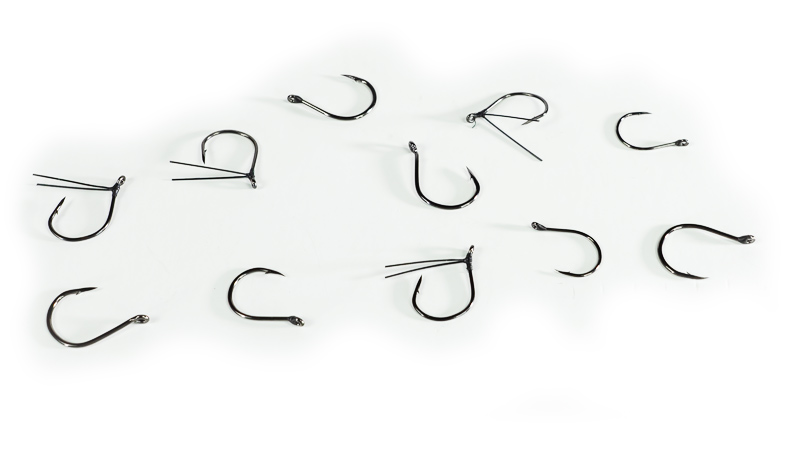
Wacky hooks with and without a weed guard are a must. They can be used for wacky rigs of course, but they also work on dropshot rigs. The dropshot was something new I played with this year for fishing weedy humps all the way down to depths of 25 feet.
(Check out Dad’s All-Star Scoop on this one right as the hook popped free!)
Testing the Dropshot on Wisconsin Bass
I caught a few, but next year I’ll be dedicating more time to the dropshot and adding in some Hayabusa Spin Muscle Dropshot Hooks. These have worked surprisingly well here in Illinois in my deep, clear pits. Make sure to toss a few Eagle Claw Offset Octopus Hooks (size 2) in here as well, for your trailing bobber rigs when you switch from leeches to 3″ plastics.
A collection of VMC, Berkley and Trokar wacky hooks.
I typically take what I use here in Illinois where a heavy weed guard is required: Berkley Fusion19 Weedless Wacky Hooks have a thick fluorocarbon weed guard. VMC Weedless Wacky Hooks are even more rigid and come with a very stiff wire weed guard.
However, this year I realized that both of these were too heavy. The Trokar Weedless Wacky Hooks gave us better hookups, due to their light wire and softer fiber weed guard, and still came through the cabbage effortlessly. By the end of the trip we were using these exclusively, because they also allowed us to lighten up our line – a huge advantage in clear Wisconsin water.
My wife with a stocky 18″ smallmouth that slammed a Neko Rig with a 4″ Dinger on a Trokar Weedless Wacky Hook. Neko Rigs are great because they will catch all sorts of gamefish, like this quality largemouth bass.
My main “worm hooks” include a simple variety of Mustad and Trokar offerings.
Stick to 2/0 or smaller if you’re targeting smallmouth bass in clear Wisconsin water. Maybe grab a few 3/0 hooks if you like to use bulkier plastics: tubes or creatures for example… I’ve had some luck on these baits, but not enough that I plan to put away the leeches or smaller plastics… well, most of the time…
Nice fat Wisconsin smallmouth on a Z-Man EZ Tube in the middle of the day.
OH! Before I forget…
What plastics catch bass in Minocqua?
We talked about all of the tackle and hard baits, but what else will we need aside from live bait? There are a lot of plastics that will work… but here are the ones I’ll be taking next year, after testing many, many, many different baits:
Z-Man TRDs: Great for Ned Rigs around sparse cover.
Z-Man Hula Sticks: Great on Snakebite Rigs & Deep-Vee jigs in and around thicker cover.
3″ Yum Dingers: Great for trailing bobbers when you’re out of leeches.
Any color will work as long as it’s green pumpkin.
😉
99% of the time I’m fishing natural colors. Green pumpkins, natural baitfish colors, some white and gray and maybe a touch of purple or red flake. A few ElaZtechs in coppertreuse for overcast days. Don’t overcomplicate this – and try to mimic the local forage.
Your support directly funds the creation of weekly articles and videos that promote the development of better anglers and better men. Our country (and our kids) need both. Please share this site, and consider a monthly, weekly, or one-time donation. You are helping us make a difference!