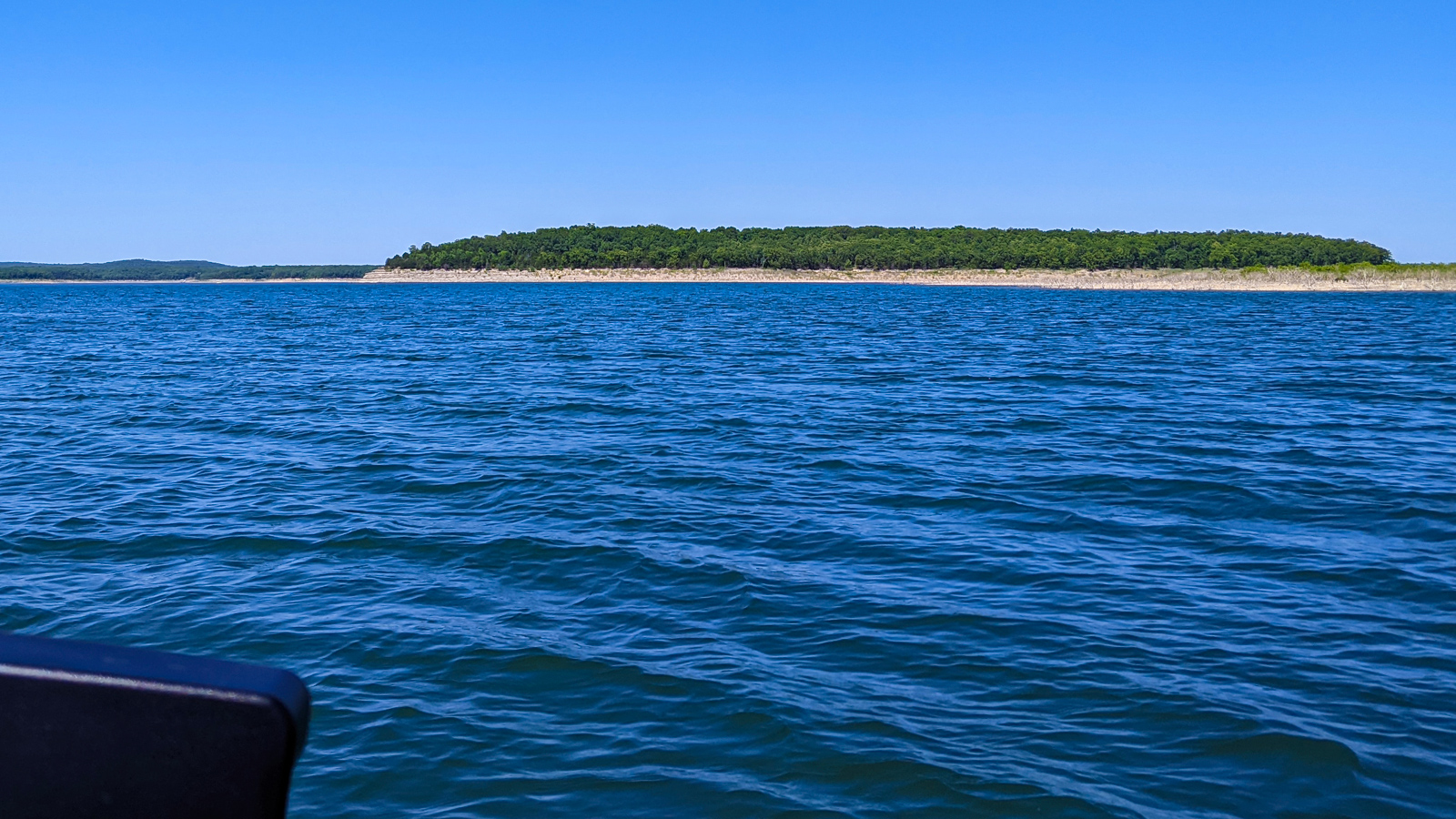
The loons were calling somewhere around the bend as Dad eased the boat away from the dock. The water was flat. Glass calm. Coffee was piping hot. Rods were rigged.
For once, my phone was not in my hand.
We discovered many patterns during the next two weeks of Manitowish Waters bass fishing. Patterns related to fish, of course, but also patterns about ourselves.
We caught plenty. Smallmouth came up into the boat, pulled from rocky humps, deeper breaks, sunken timber and weed edges. They played nice, and the stable weather kept them active. Popper fish exploded next to our boat. Jig worms fooled bass when we ran out of leeches.
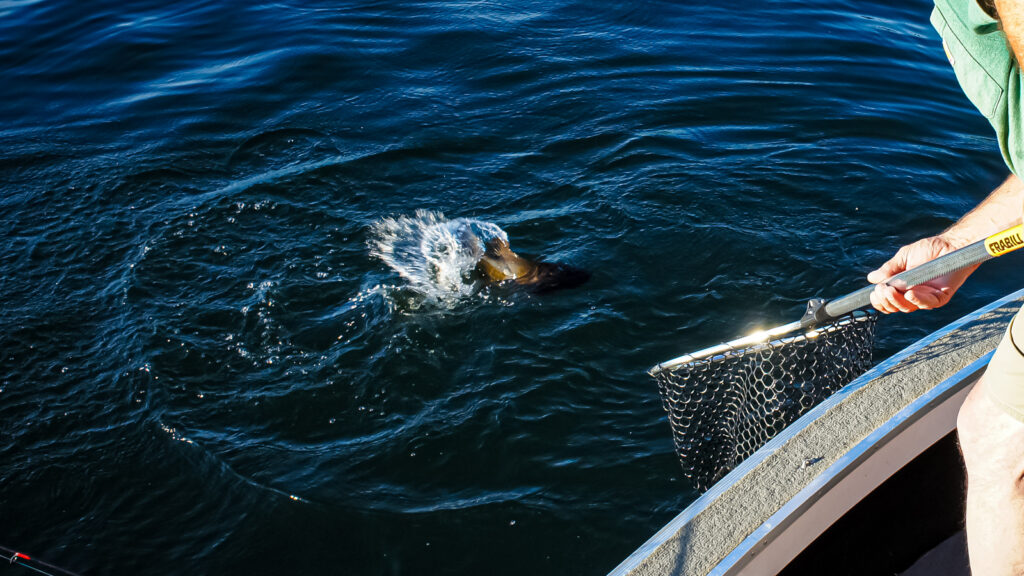
Live bait costs more than a mortgage payment these days, so we didn’t buy as much as we used to. The occasional walleye or pike would pop up for a visit as well. This is the norm when fishing clear, cool, Wisconsin lakes.
We’ve covered all sorts of ways to catch Manitowish smallmouth & largemouth bass over the years.
Good news. They still work.
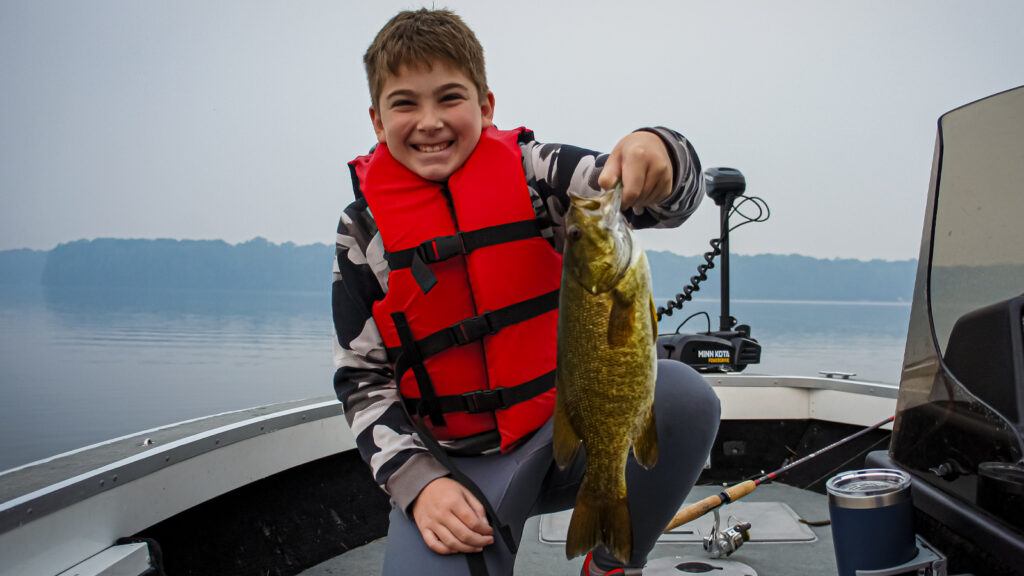
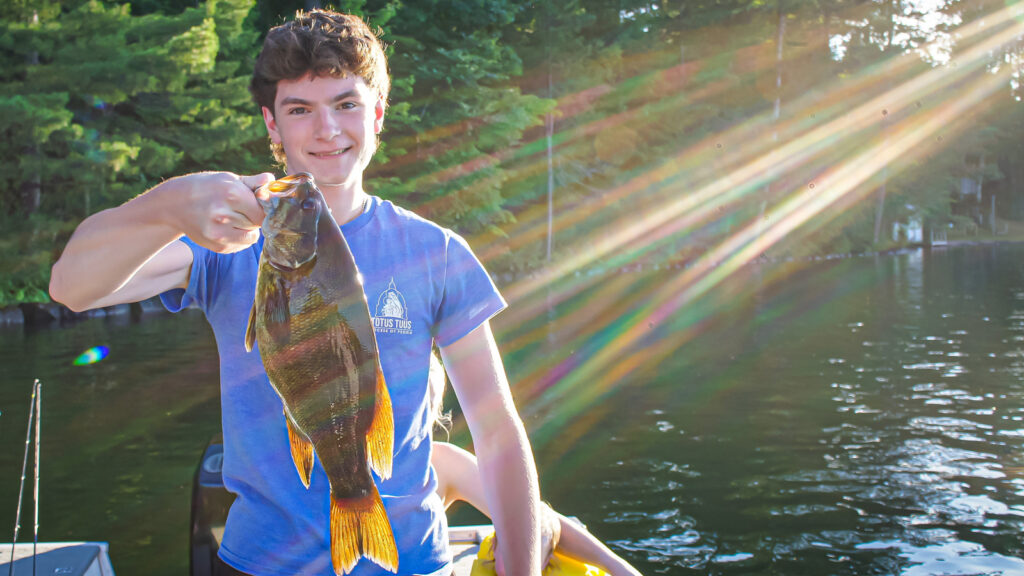
In the evenings, my family would fish. My wife Jen, and Ava Joy, our youngest daughter would join Dad, myself, and one of our other 4 boys. Everyone found success. One evening, my oldest caught a pair of 17-inch smallmouth on spinning tackle. One of the younger brothers, just learning to fish with a jig, caught a nice 15.5″ smallmouth all on his own. He then proceeded to scream:
“I’LL NEVER USE A BOBBER AGAIN!!!”
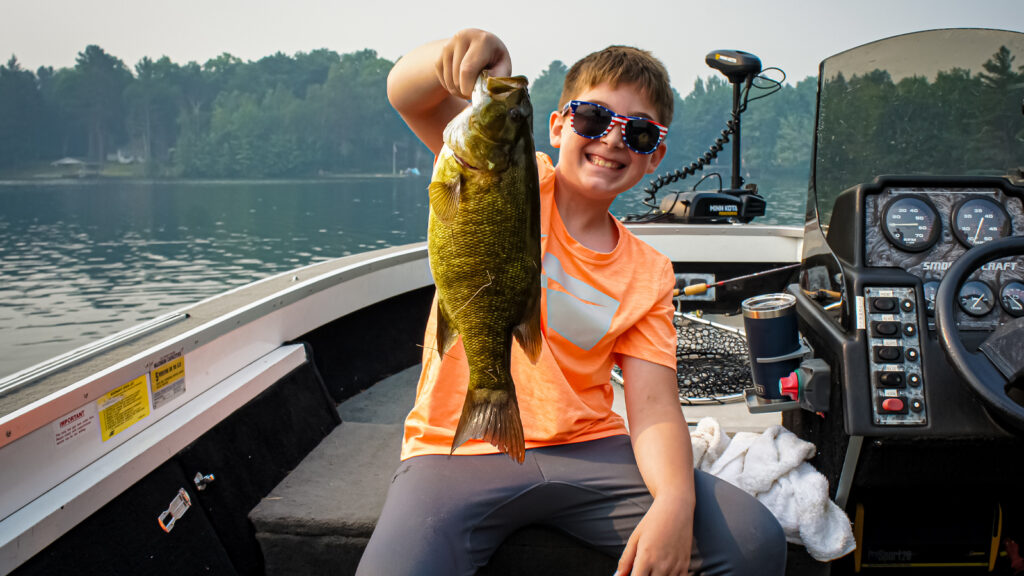
I reminded him that his two largest fish (including the largest of the trip last year) were caught below bobbers. He’s rethinking the comment he blurted out in the heat of the moment…
Dad caught walleye, pike, panfish, smallies, even largemouth bass. So did my other middle son. Jen wrangled bass to the boat for the first time in 3 years. She’s stayed back with our youngest ever since she was born, skipping Wisconsin fishing altogether. But both ladies joined us every evening this year. Jen fished. I played with Ava and ran the trolling motor from the back of the boat… and every now and again we’d pick up a rod, sneak a few casts together… and boat a fish.
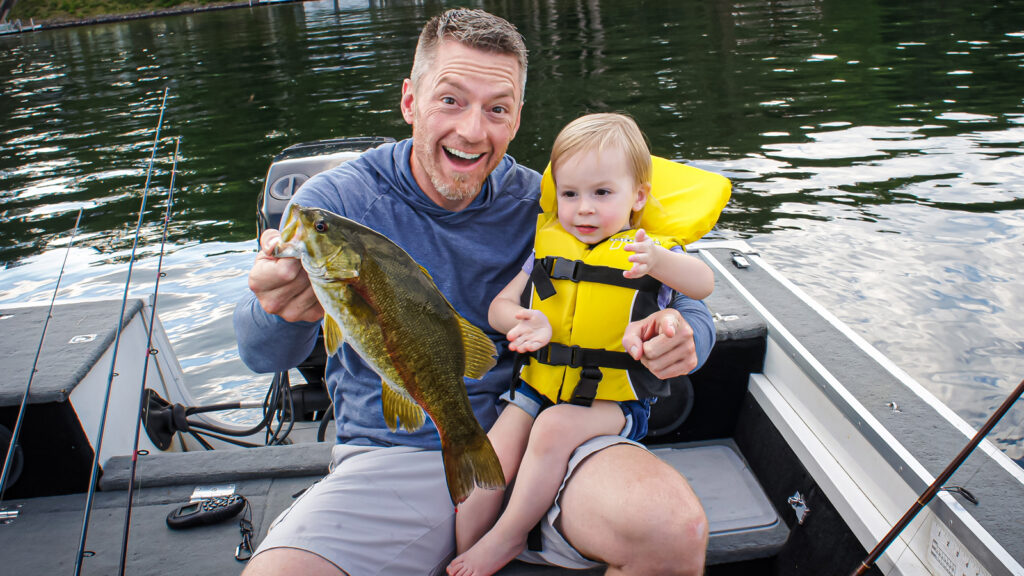
I’d cast. She’d immediately reel, then shriek:
“CATCH-UHH FISSSS!”
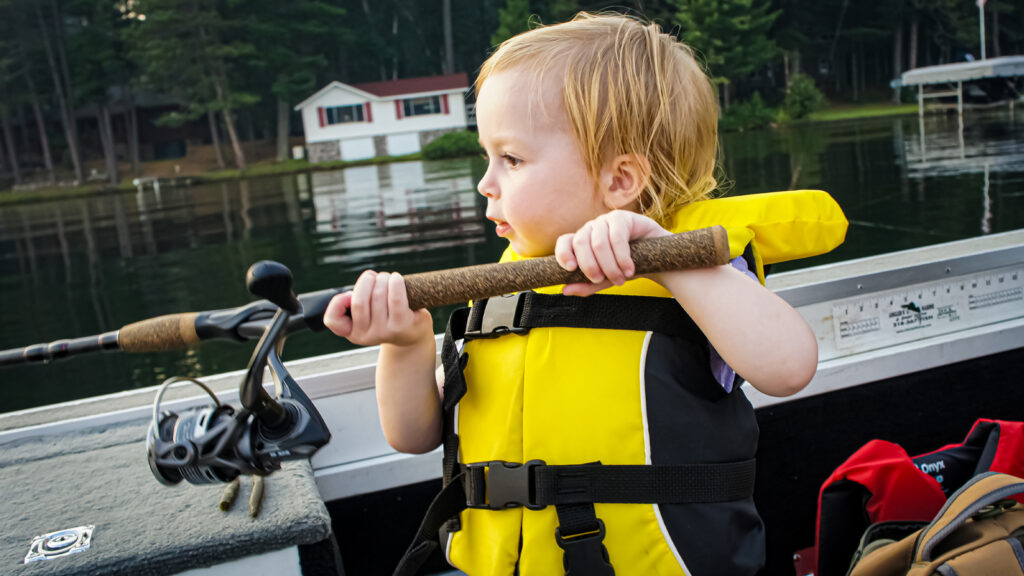
Heaven.
The fishing was good.
But the time, the lessons – the pivots – they were great.
Here’s why…
Pivot #1: Quiet Water vs. a Noisy Mind
At home, it’s easy to fall into the bad habit of checking.
Check the weather. Check social media. Check politics. Check investments. Check email. Check text messages… then repeat the rotation from the start, because surely something changed in the last 8 minutes.
This is one of my worst habits. It’s not useful. It just makes me feel involved. Informed. But in truth, I can do nothing to change the weather, or the chatter, or the crazies, or the news.
Up nort, the signal weakens and the days stay busy.
Life improves.
Sure, I still make it a point to remain plugged into work. To take care of my clients. Reply to important emails, manage projects, answer calls and write proposals.
That’s mandatory.
But the other crap. The constant checking of things that don’t matter as much as swimming with my kids, or taking my wife to get coffee every afternoon, or frying up some fish with my Dad, talking to Mom about what she’s making for dinner, or discussing my brother’s latest Dungeons & Dragons storyline… the things that don’t matter all fall away.
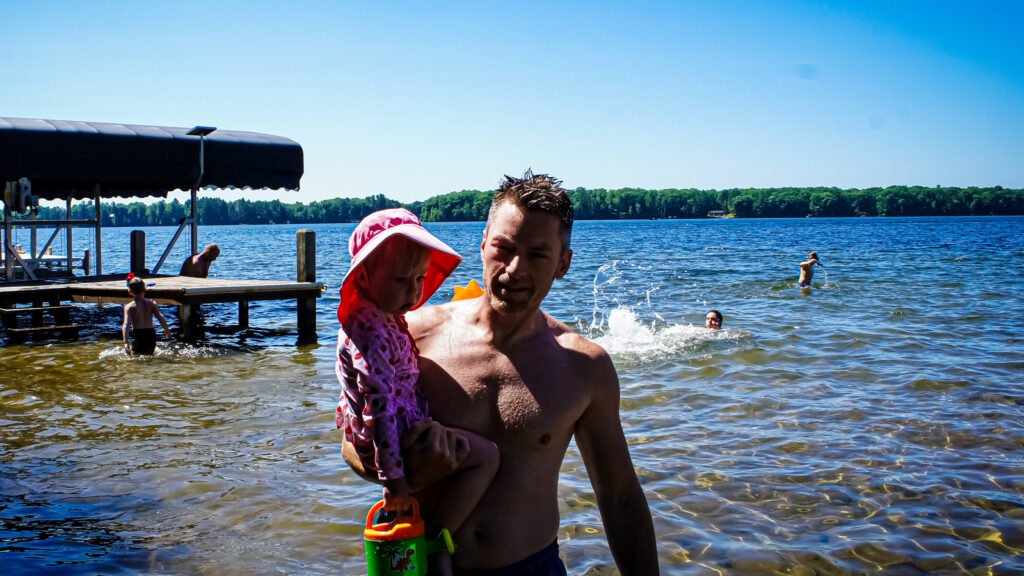
This means more time. More memories. More family walks and boat prep, window-shopping or runs to get fresh cheese curds at The Cheese Board. More time to sit in silence at the dock and think about the changes I need to make in my life, instead of watching something going on with someone else.
Nothing important collapsed because I failed to check political commentary on X for two hours before breakfast. The world kept spinning.
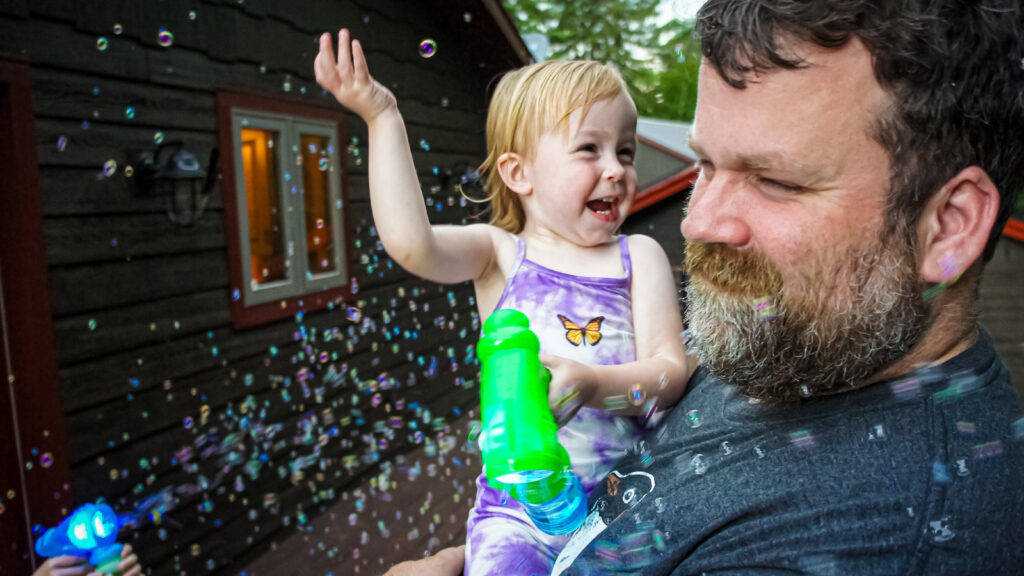
This little glowing rectangle we all carry around does a great job of distracting us. But we really don’t need to know every opinion, controversy, outrage or prediction.
In fact… we’re not built for it.
That’s why it’s so exhausting.
Fishing breaks this habit naturally. You can’t read a weed line or work a presentation with one hand doom-scrolling at the same time. Fishing forces you to understand, that some activities deserve you, and others do not.
Attention, time and energy are all limited, and once we spend them, we don’t get ’em back.
Spend wisely.
Pivot #2: Protect the Window You are In
The contrast between my children, especially that between my oldest and youngest, is now impossible to ignore.
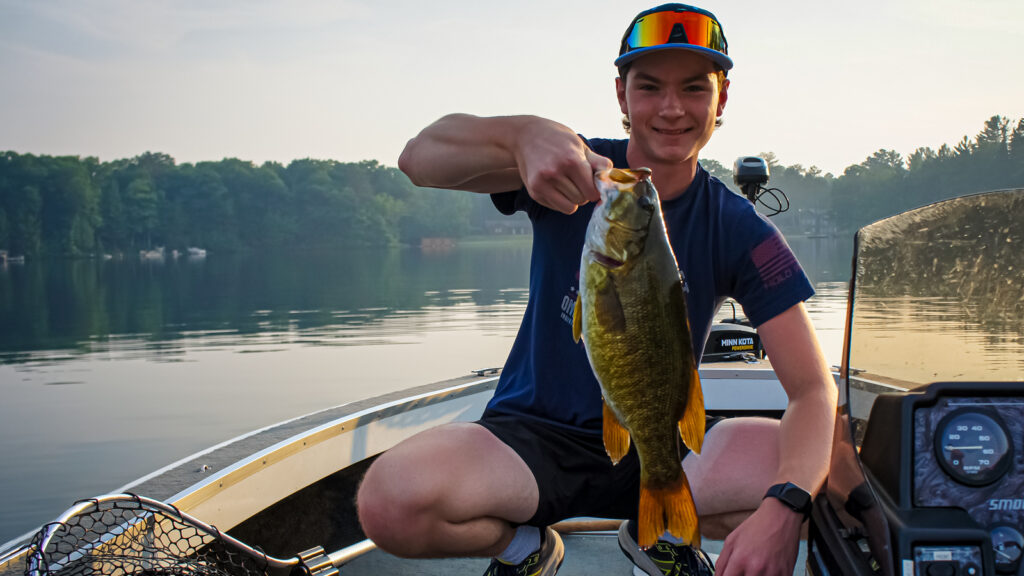
My older boys can cast, fight fish, swing the net, swim on their own, disappear into separate conversations with Gammy & Gompa.
Ava Joy still looks up at me and pleads:
“Go inna boat??”
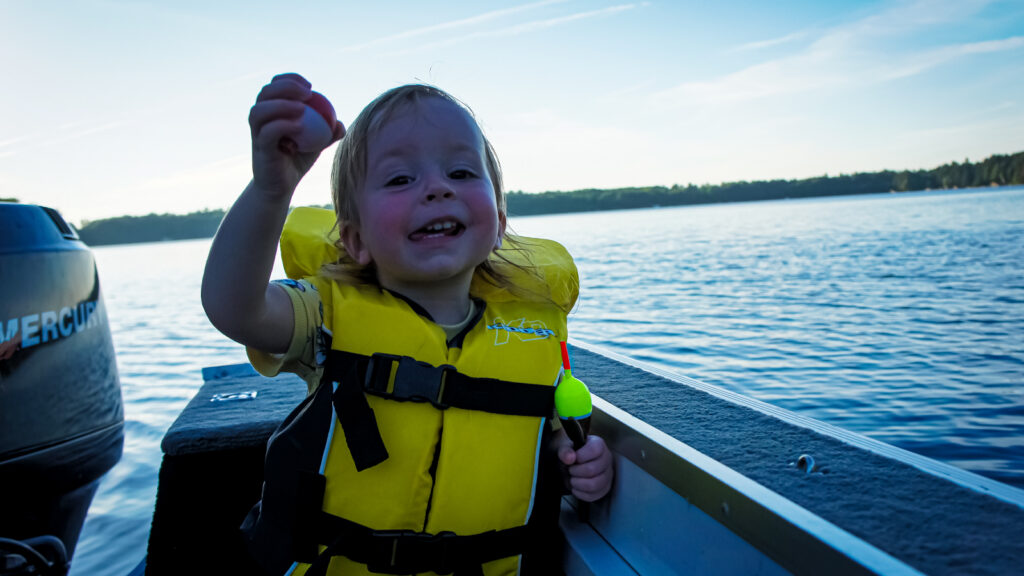
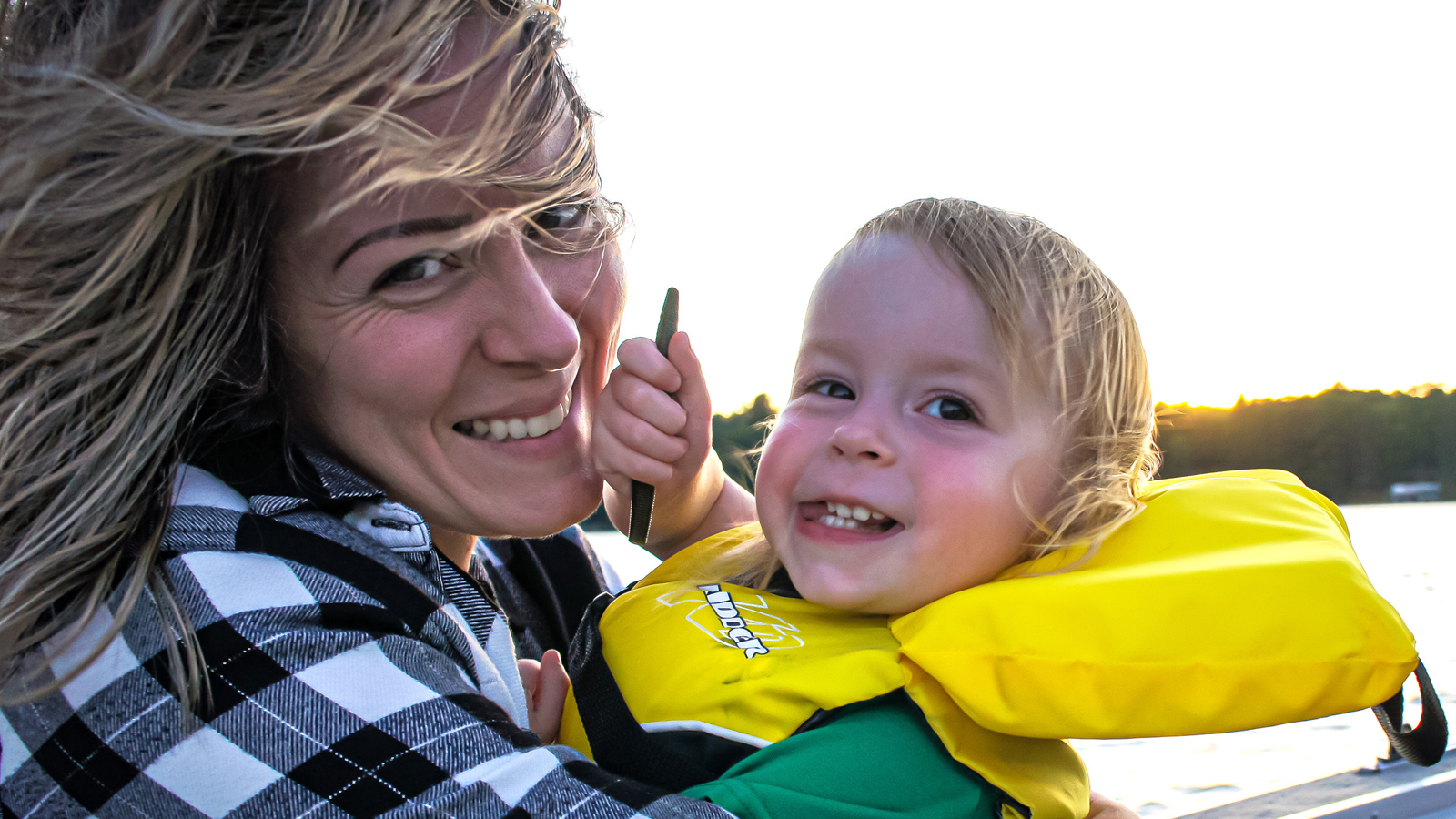
She stuffs plastic worms between her toes, laughs at everything, and celebrates bent rods, bouncing in her little lifejacket and asking:
“Catch-uh fiss? Touch-uh Fiss??”
She won’t do that forever.
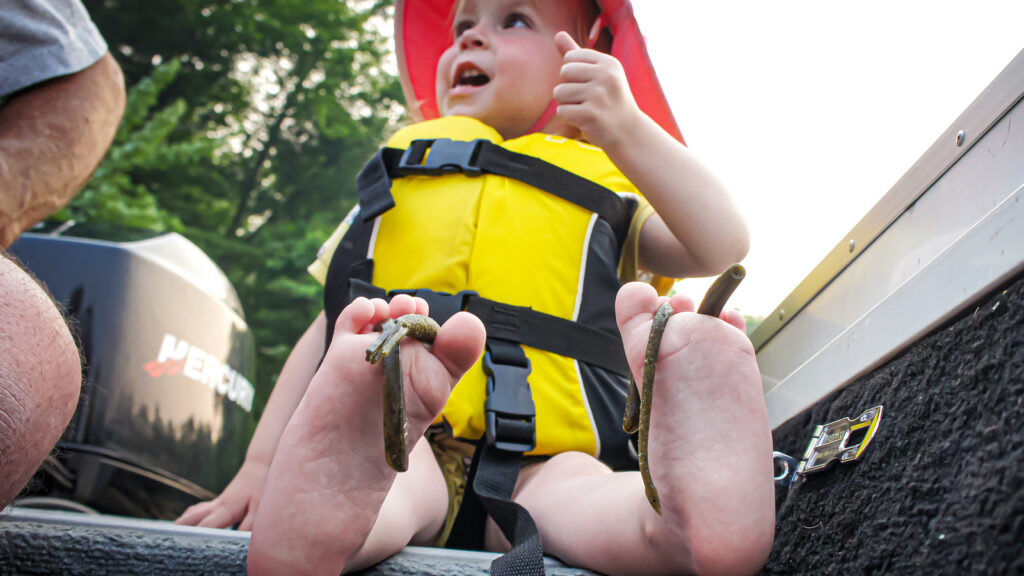
Family vacations are not interruptions to real life – they are real life.
These are some of the most valuable, precious opportunities that life gives us. Sure, work has to continue. Clients need answers and they are very important too, but work is endlessly renewable.
Childhood is not.
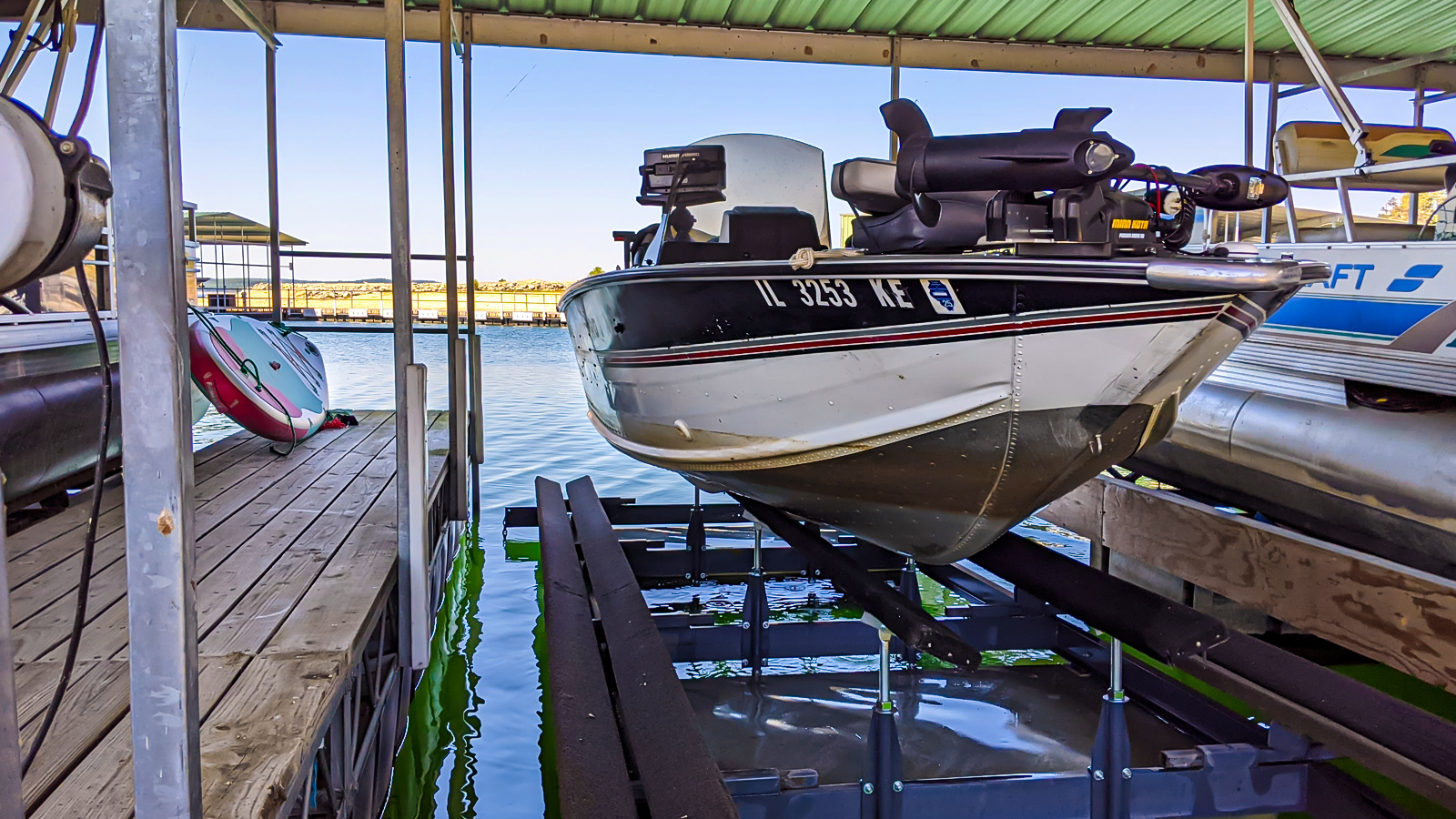
As we fished in the evenings, I would focus on being the guide. I’d select spots, suggest baits, point to targets, net fish and run the trolling motor with Ava by my side. My father, wife, and rotation of sons tripped over one another near the front of the Smoker Craft.
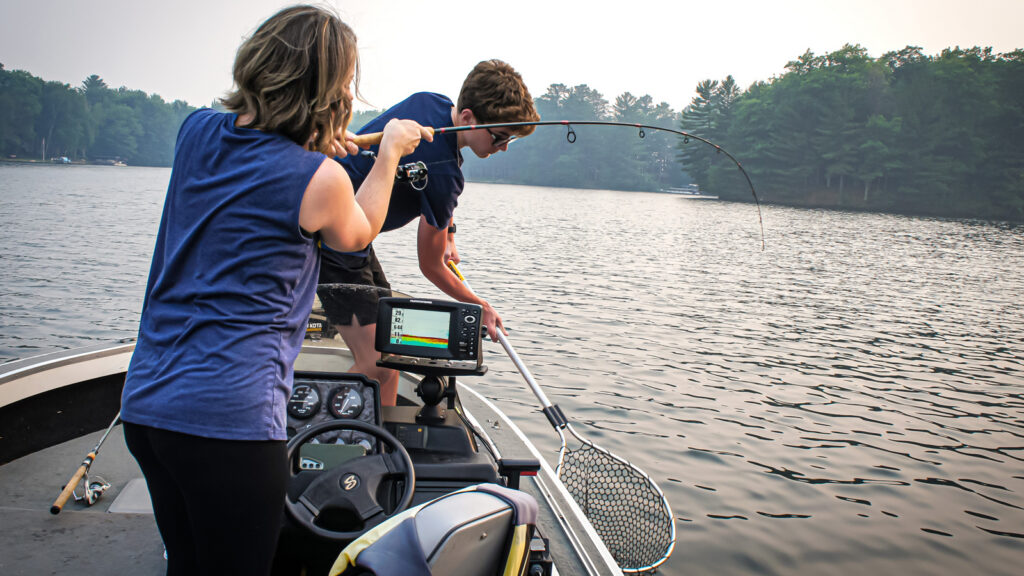
It was beautiful chaos.
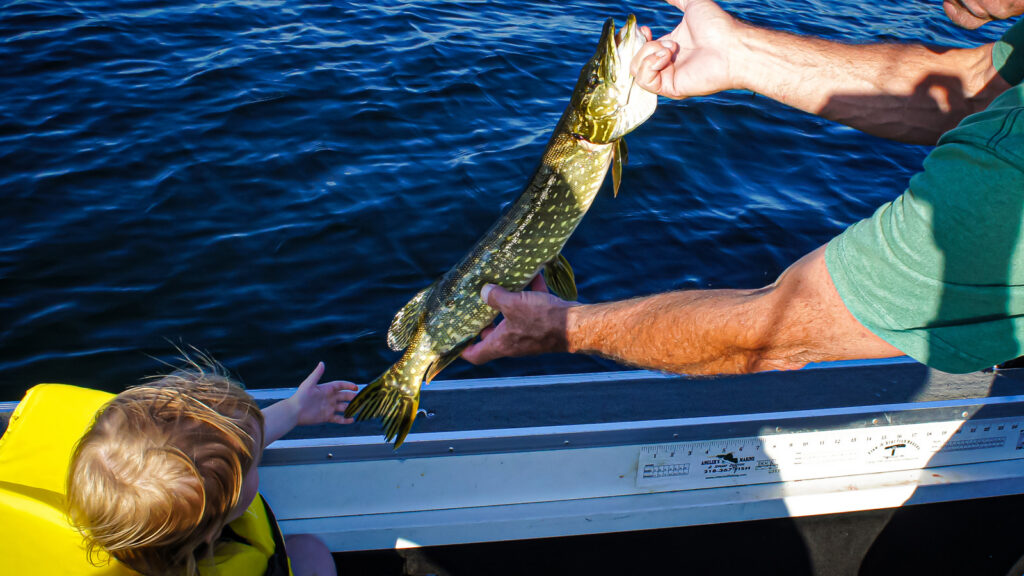
But when my older sons would hoist a fish, smile for the camera, then walk back so little Ava could poke it… the differences slapped me in the face.
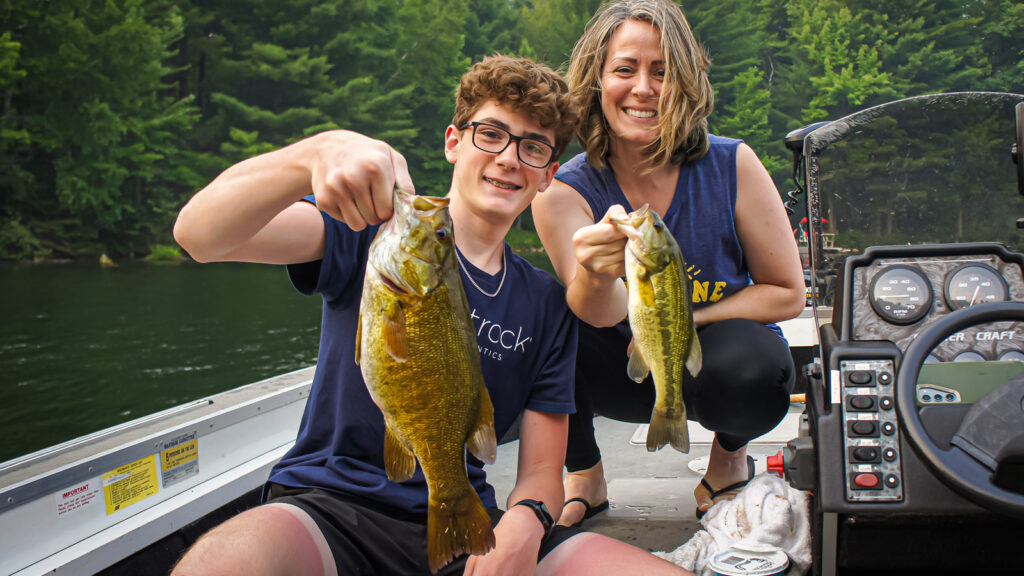
Do not waste these windows.
Pivot #3: Good Fishing Changes. So Do Families.
Wisconsin bass fishing rewards adjustment.
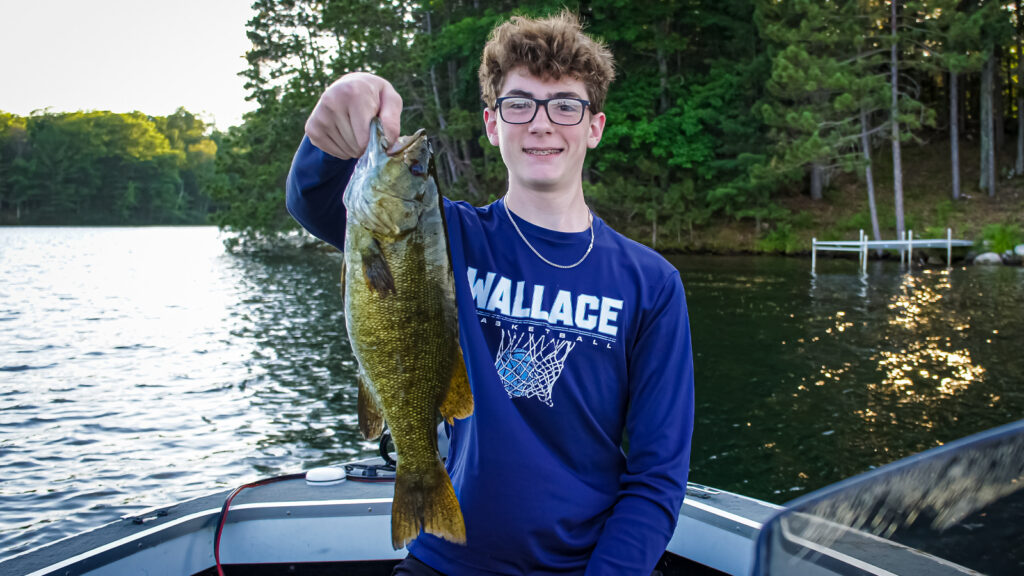
Some mornings, the Pop ‘n Drop bite was right. Smallmouth were hungry, aggressive, and willing to chase or even explode on the bait. Incredible! But the following day, we’d have to extract them from deeper haunts. Slowly. Methodically. Such is fishing. Every day on the water is a gift, and part of that gift is the puzzle. Boat position, wind, weather, baits, cadence, water and even sky clarity.
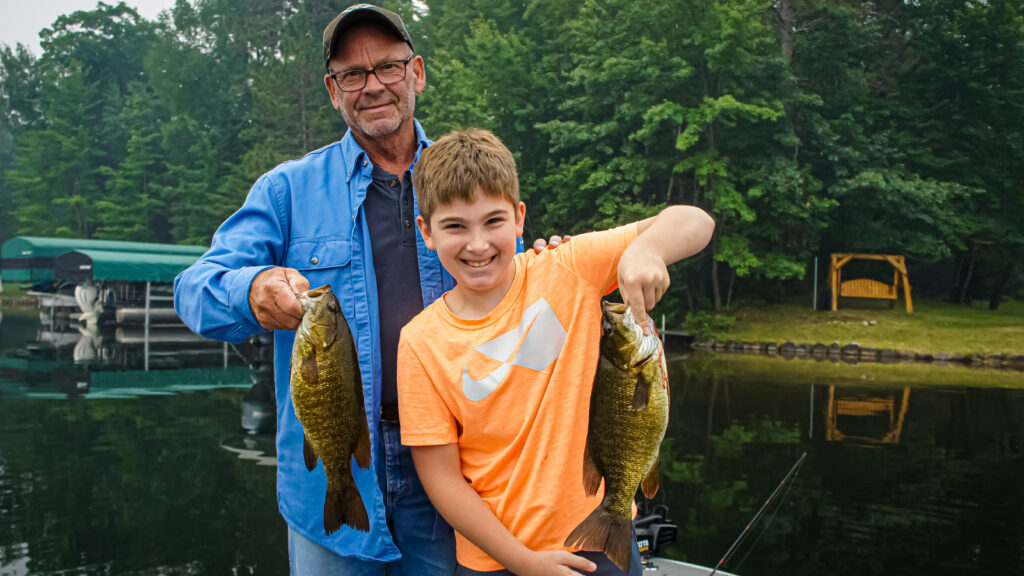
Every adjustment matters.
But in life, some adjustments and unwanted.
We lost my youngest brother in 2024, and things were busy and complicated before that. It’s been years since Vaughn has been able to join us in Wisconsin.
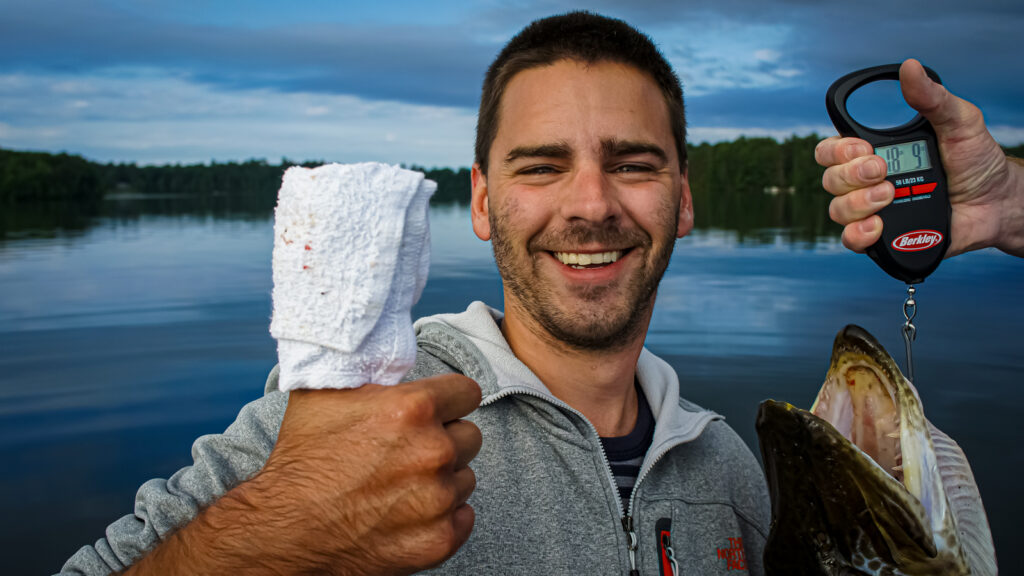
We talked about him often throughout the trip.
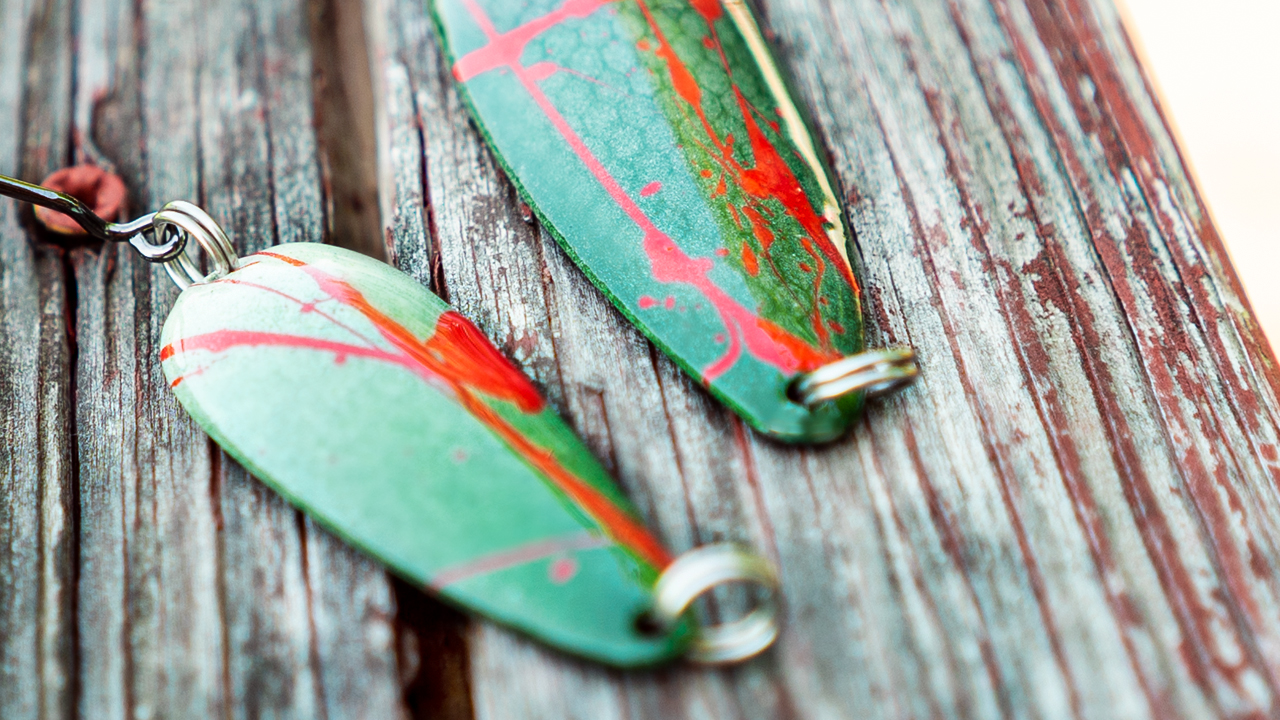
We remembered the old vacations and the big fish and the stupid jokes. We fished what we call “Vaughn’s Point” and retold stories for the thousandth time, constantly wishing he was there with us, throwing his perch pattern Dardevle spoon again and again and again…
It was all he ever used.
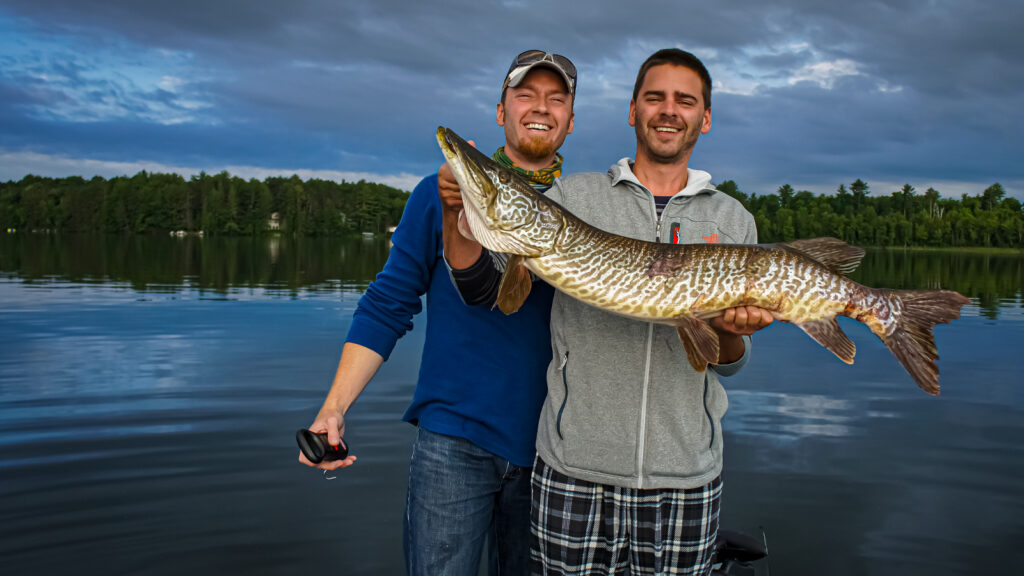
There is no real pivot for grief.
You can’t make a change or move to a different spot, you just have to carry the weight. To help parents, siblings, children, in any way that you can. But you can still learn while you’re bearing your burden.
We talk about Vaughn as if he left us yesterday.
When my time is up, I hope – no, I pray – that the people I love will wish I was still sitting beside them. I hope they remember my laugh, my stupid jokes, my goofy comments, my victories and mishaps. I hope I have stories worth retelling, and they tell them over a cup of coffee in the boat as they prepare their own rods and pick their own spots and net their own fish.
To me, this is the mark of a life well lived.
It’s not about how much work was completed, or how many arguments were won online, or an impressive grasp of current world events.
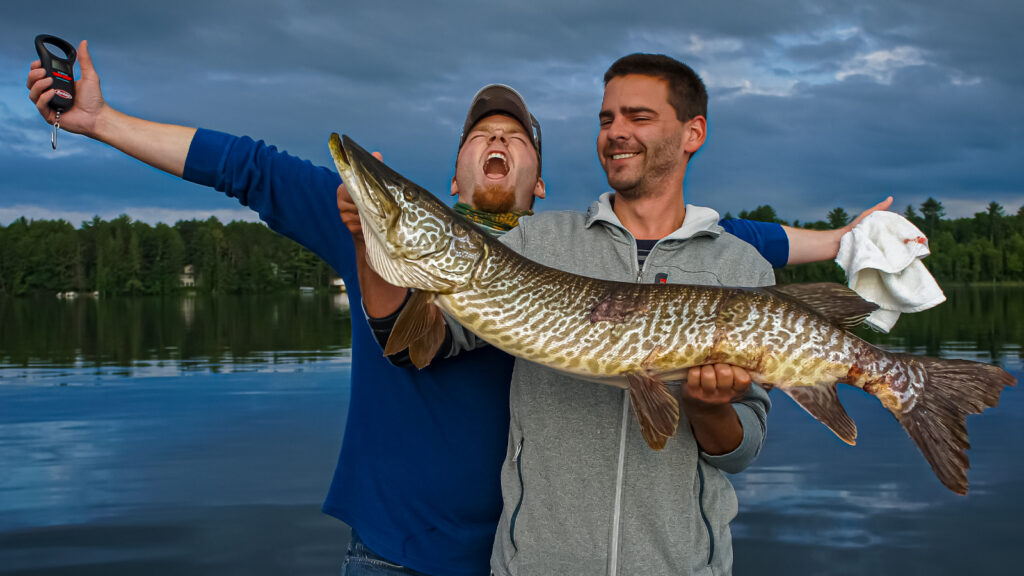
The measure is whether or not you helped the people around you feel more alive.
The Best Wisconsin Pattern
By the end of the trip in Manitowish Waters, we had caught plenty.
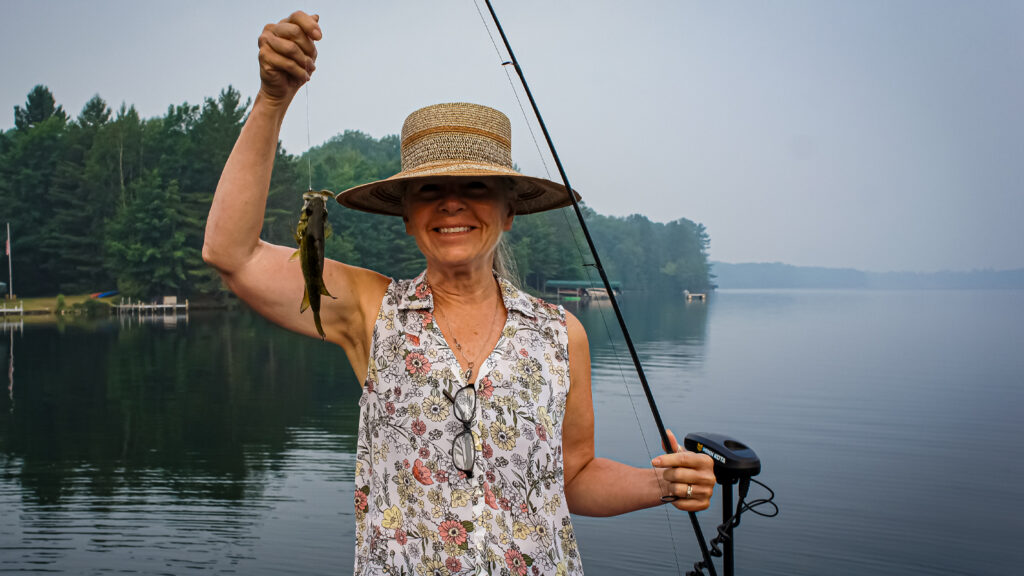
Fat smallmouth. Pike. Walleye. Largemouth. Fish on top. Fish on jigs. Fish on bobbers. Fish on live bait. Fish on artificials. Fish caught by experienced anglers, kids still learning, and a handful by the two-year-old who couldn’t quite decide if the plastic worms were fishing equipment or footwear.
I am grateful to God for this success.
But every year, the lessons run deeper than the fishing.
Put down the phone. Close the laptop. Ignore the noise and embrace the beautiful quiet that is the north woods. Take your wife for coffee and swim with your kids or grandkids. Tell the stories that make you sad so you can keep the memories of the ones you miss fresh and vibrant.
Recognize what’s happening all around you.
The fish will move. The weather will change. The kids will grow.
One day, the people that you love might no longer be waiting for you at the dock.
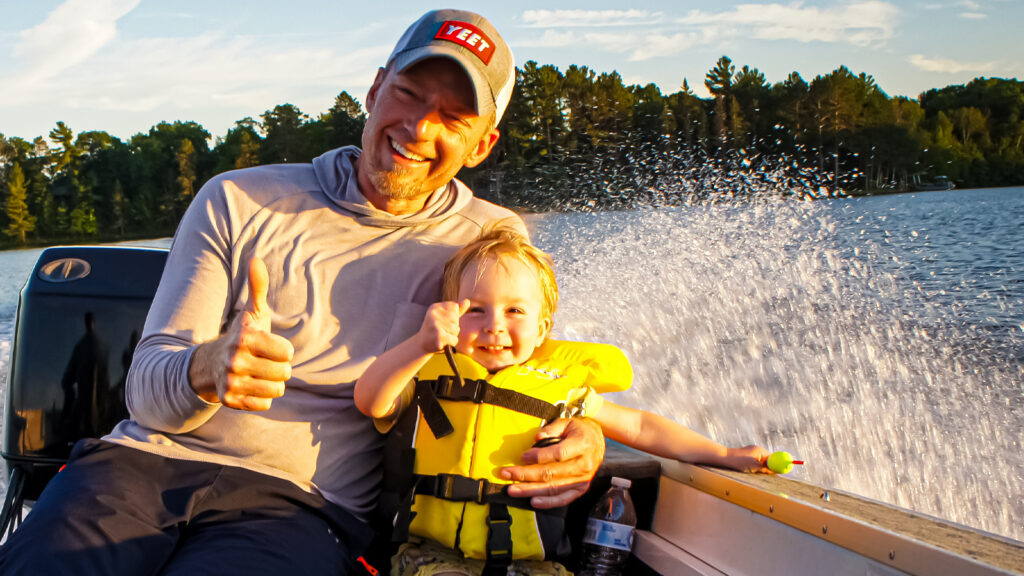
Pay attention while they still are.
Tight Lines & Godspeed, Patriots.